Napoli Sotterranea, Naples
Historic Site in Naples
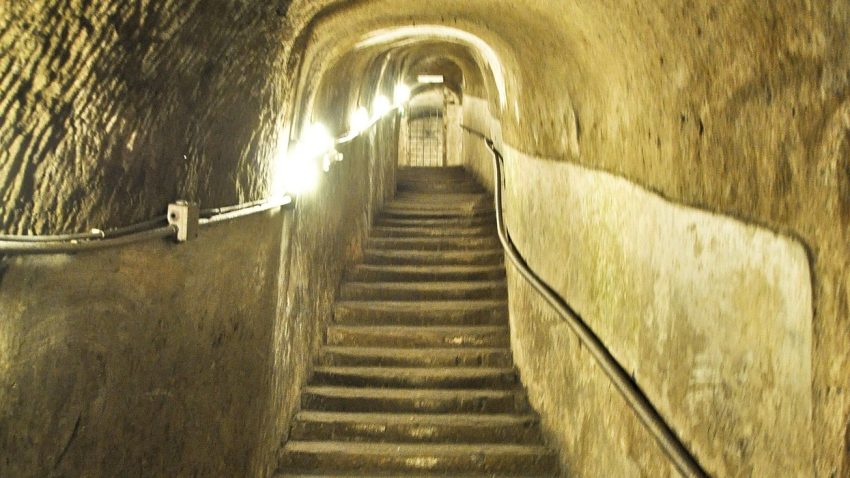
Beneath the chaotic streets, baroque facades, and noisy scooters of Naples lies a second, secret city: Napoli Sotterranea, the underground world carved from soft volcanic tuff over more than two millennia. This mysterious lower level began with Greek quarries and cisterns, expanded under Roman rule into an intricate aqueduct network, and was later transformed into shelters, storage spaces, and hidden passageways. Today, guided tours lead you down narrow staircases into cool, echoing tunnels where the rock itself tells stories of survival, ingenuity, and everyday life. It is one of the things to do in Naples that completely reshapes how you see the city above.
What started as a practical response to geology-tuff that was easy to quarry and ideal for building-grew into an underground web that supported Naples' water supply, construction, and wartime protection. The Greeks first dug cisterns around 470 BC, the Romans layered on their “cunicoli” aqueduct channels, and later generations extracted even more tuff directly under the city when outside building materials were banned. In World War II, these same spaces became shelters for thousands of Neapolitans hiding from air raids. Today, Napoli Sotterranea is often visited on walking tours of Naples, offering a powerful, atmospheric way to connect the ancient, the wartime, and the modern city.
Table of Contents
- History and Significance of the Napoli Sotterranea
- Things to See and Do in the Napoli Sotterranea
- How to Get to the Napoli Sotterranea
- Practical Tips on Visiting the Napoli Sotterranea
- Where to Stay close to the Napoli Sotterranea
- Is the Napoli Sotterranea Worth Visiting?
- FAQs for Visiting Napoli Sotterranea
- Nearby Attractions to the Napoli Sotterranea
History and Significance of the Napoli Sotterranea
The story of Naples’ underground begins with the Greeks, who arrived in the 5th century BC and immediately recognised the potential of the local tuff. Light, workable, and abundant, this volcanic stone could be quarried from below and used to build above. As they dug, they also carved cisterns to collect and store rainwater, creating the first pieces of a system that would grow beneath the city for centuries.
Under Roman rule, the subterranean network became even more sophisticated. The Romans constructed a complex aqueduct system, threading “cunicoli” (small tunnels) through the bedrock to transport water across the city. These channels, reservoirs, and maintenance passages formed a hidden infrastructure that kept Naples supplied and thriving. When the Angevin dynasty took power in 1266 and the city expanded, the demand for building stone soared, leading to further excavation of tuff and deeper, more extensive voids beneath the growing streets.
In the late 16th and early 17th centuries, laws prohibiting the import of external building materials pushed Neapolitans to intensify tuff extraction directly under their homes and palaces via existing wells. This bottom-up quarrying required new techniques to keep the underground world stable and prevent collapses, giving rise to a unique engineering culture under the city. By the time World War II arrived, the aqueduct and quarry system was extensive enough that it could be adapted into shelters: 369 cave refuges and 247 non-landslide shelters were prepared, offering protection during bombing raids. After the war, some of these spaces became dumping grounds for rubble and abandoned vehicles, literally burying a chapter of history that would only be rediscovered and revalued in the late 20th century.
Things to See and Do in the Napoli Sotterranea
On a typical Napoli Sotterranea tour, you start in the historic centre and descend via narrow staircases into the cool darkness below. As your eyes adjust, you enter old cisterns once fed by the ancient aqueducts, their walls bearing chisel marks and traces of centuries of use. In some sections, the tunnels are so narrow that you walk single file with a small lamp, giving you a visceral sense of how maintenance workers-and later, wartime refugees-moved through these passages.
Many tours explore the underground beneath the Spanish Quarters and former cisterns of the Carmignano aqueduct. Here, the World War II story comes sharply into focus. You’ll see spaces adapted into shelters, with niches, alcoves, and rough benches that once accommodated families during air raids. The walls often preserve inscriptions, names, dates, and caricatures of famous figures from the era, scratched or painted by people who spent long hours waiting for the all-clear. In some areas, you may encounter relics like old furniture, toys, and wartime debris that remained when the shelters were sealed and later rediscovered.
The tours guided by associations such as the Free Association of Underground Hikers, founded by Michele and Salvatore Quaranta, emphasise both historical context and human stories. Guides explain how the underground network formed, how it was repurposed over time, and how geological issues in the 1960s-like sewer breaks and leaks in new aqueducts-revealed just how hollow parts of the city were. Along the way, you might see references to Italian submarines like Diaspro and Topazio, graffiti from the war years, and modern interventions that make the tunnels safe for visitors. It’s a rare opportunity to experience a hidden city that mirrors the one above, yet feels completely different in sound, temperature, and mood.
How to Get to the Napoli Sotterranea
Most Napoli Sotterranea tours start in the historic centre, often near Piazza San Gaetano, via dei Tribunali, or close to the Spanish Quarters, making them easy to reach on foot if you are already exploring central Naples. If you are arriving by air, you will land at Naples International Airport (Capodichino), from which taxis, rideshares, and shuttle buses connect you to the city centre; once there, it is a short walk through the old streets to the main underground tour meeting points. For the best deals and a seamless booking experience, check out these flights to Naples on Booking.com.
Travellers arriving by train will come into Napoli Centrale at Piazza Garibaldi, the main railway hub for both regional and long-distance services. From the station, you can take the metro into the historic centre or walk up toward via dei Tribunali and the decumani, where several underground tour offices and entrances are located. Use Omnio to easily compare schedules, book train tickets, and find the best prices all in one place for a hassle-free journey across Italy.
If you are travelling by car, it is best to park in a garage on the edge of the historic centre-near Piazza Garibaldi, Piazza Cavour, or along main arteries-and then walk to your chosen Napoli Sotterranea tour meeting point, as the centro storico is dense, busy, and restricted to traffic in many areas. If you are looking to rent a car in Italy I recommend having a look at Discover Cars, first, as they compare prices and review multiple car rental agencies for you. Once you are on foot in the old town, the underground entrances are usually well signposted or clearly indicated by tour offices.
Practical Tips on Visiting the Napoli Sotterranea
- Suggested tips: Wear comfortable shoes with good grip and bring a light layer, as the temperature underground is cool and the floors can be uneven or damp.
- Best time to visit: Tours run throughout the day; late morning or mid-afternoon visits often balance good light above ground with manageable group sizes below.
- Entrance fee: Guided tour: € 10
- Opening hours: Guided tours in English: daily at 10 am, 12 pm, 2 pm, 4 pm and 6 pm.
- Official website: https://www.napolisotterranea.org/en/
- How long to spend: Most standard tours last around 1.5-2 hours; allow extra time to find the meeting point and to explore the surrounding streets afterward.
- Accessibility: Many underground routes involve stairs, narrow passages, and uneven ground, so they may not be suitable for visitors with reduced mobility, severe claustrophobia, or certain health conditions.
- Facilities: Toilets and ticket offices are typically located at the surface-level meeting points; there are no facilities once you are underground, so plan accordingly.
- Photography tip: Light is limited, so avoid flash where prohibited and focus on atmospheric shots of tunnels, inscriptions, and long perspectives rather than perfect clarity.
- Guided tours: Always join an organised tour-independent access is not possible, and guides provide essential safety, orientation, and historical context.
- Nearby food options: After resurfacing, you’re often just steps away from classic pizzerias, trattorias, and cafés in the historic centre-perfect for processing what you’ve just seen over a meal.
Where to Stay close to the Napoli Sotterranea
Staying in or near the historic centre makes it easy to join Napoli Sotterranea tours and explore both the “upper” and “lower” city without long transfers. For a characterful base within walking distance of many underground entrances, Decumani Hotel De Charme places you deep in the old streets, close to via dei Tribunali and key churches. If you prefer a lively, youthful vibe, Hotel Piazza Bellini & Apartments near Piazza Bellini puts you near archaeological sites, bars, and several underground tour starting points. For a boutique feel along Spaccanapoli, Santa Chiara Boutique Hotel offers stylish rooms and a central location that works well for both daytime exploring and evening strolls.
Is the Napoli Sotterranea Worth Visiting?
Napoli Sotterranea is absolutely worth visiting, especially if you want to go beyond the usual churches and seafront views and really understand how Naples was built-and rebuilt-over time. Few experiences convey the city's resilience and ingenuity as clearly as walking through the tunnels that once supplied its water, sheltered its people during bombings, and lay forgotten under modern streets. The contrast between the noise and light above and the quiet, cool darkness below is striking, and the stories of quarrying, aqueducts, wartime shelters, and post-war dumping make you see every crack in the pavement differently. For many visitors, it becomes one of the best places to visit in Naples precisely because it reveals a side of the city that most guidebook photos never show.
What Other Travellers Say...

Napoli Sotterranea Guided Authorized Tour on Vico S. Anna di Palazzo offers guided access to an underground network of ancient catacombs, tunnels, caverns, cisterns and hideouts; visitors praise entertaining, knowledgeable guides who blend humour with history, a roughly one‑hour route that can feel much shorter, and occasional bonus stops like an old theatre. Guests note the experience can be mysterious and a little claustrophobic with very narrow passages (so those sensitive to tight spaces or mobility issues should be aware), groups and language sections can make entry a bit busy, and the team accommodates special needs when possible.


FAQs for Visiting Napoli Sotterranea
Nearby Attractions to the Napoli Sotterranea
- Naples Cathedral (Duomo di San Gennaro): The city's main cathedral, with important relics, chapels, and archaeological layers just a short walk away.
- San Gregorio Armeno: The famous “crib street” lined with artisan workshops creating nativity scenes and figurines year-round.
- Cappella Sansevero: A small but extraordinary chapel housing the Veiled Christ and other stunning marble sculptures in the historic centre.
- National Archaeological Museum of Naples (MANN): One of the world's leading archaeological museums, home to treasures from Pompeii, Herculaneum, and the Farnese Collection.
- Spaccanapoli and Via dei Tribunali: The narrow, lively historic streets above the underground network, filled with churches, shops, markets, and classic pizzerias.
The Napoli Sotterranea appears in our Complete Guide to Visiting Naples!

Moira & Andy
Hey! We're Moira & Andy. From hiking the Camino to trips around Europe in Bert our campervan — we've been traveling together since retirement in 2020!
This website uses affiliate links which may earn a commission at no additional cost to you!
Planning Your Visit
Guided tours in English: daily at 10 am, 12 pm, 2 pm, 4 pm and 6 pm.
Guided tour: € 10
Nearby Attractions
- Bourbon Tunnel (0.2) km
Historic Site - San Francesco di Paola (0.3) km
Church - Piazza del Plebiscito (0.3) km
Square - Teatro di San Carlo (0.3) km
Theatre - Royal Palace of Naples (0.3) km
Palace - Galleria Umberto I (0.4) km
Shopping Centre - Castel Nuovo (0.6) km
Castle - San Martino Monastery (0.8) km
Monastery and Museum - Fontana del Gigante (0.9) km
Fountain - Castel Sant’Elmo (1.0) km
Castle