Museum of Yugoslavia, Belgrade
Historic Site, Mausoleum and Museum in Belgrade
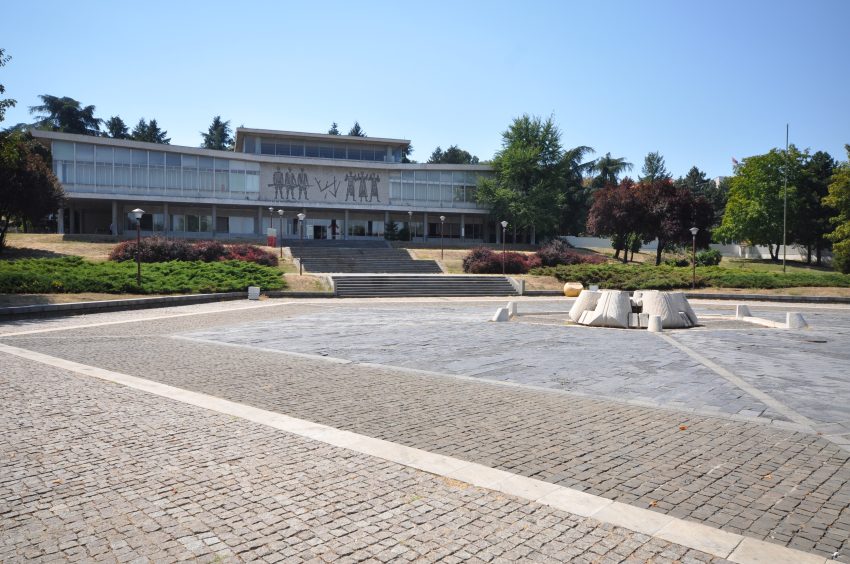
The Museum of Yugoslavia is one of Belgrade's most distinctive cultural stops: a museum complex that explores the lived experience, politics, and symbolism of Yugoslavia, with a strong focus on Josip Broz Tito and the era he shaped. Set in a leafy area south of the city center, it's both a historical museum and a place of memory, where everyday objects, state gifts, and carefully curated narratives sit side by side.
It's an easy add-on to a Belgrade walking tour day: pair it with central sights like Slavija Square, the Temple of Saint Sava, or a stroll through the old town, then take a short ride to the museum for a deeper, quieter chapter of the city's 20th-century story. If you want the exhibits to land with more clarity, consider visiting with a guide or building in time to read the context panels slowly.
Table of Contents
- History and Significance of the Museum of Yugoslavia
- Things to See and Do in the Museum of Yugoslavia
- How to Get to the Museum of Yugoslavia
- Practical Tips on Visiting the Museum of Yugoslavia
- Where to Stay Close to the Museum of Yugoslavia
- Is the Museum of Yugoslavia Worth Visiting?
- For Different Travelers
- FAQs for Visiting Museum of Yugoslavia
- Nearby Attractions to the Museum of Yugoslavia
History and Significance of the Museum of Yugoslavia
The Museum of Yugoslavia preserves and interprets the complex legacy of a country that no longer exists, but still shapes politics, identity, and nostalgia across the region. Rather than presenting a single “final verdict,” the museum's strength is in showing how Yugoslavia was experienced through symbols, ceremonies, and material culture.
A major anchor of the site is the House of Flowers, the final resting place of Josip Broz Tito (and also associated with his family story and the state mythology that grew around him). For many visitors, this turns the visit into something more than a standard museum stop: it can feel part memorial, part history lesson, part cultural anthropology.
Because Yugoslavia’s history is layered and contested, the museum often resonates differently depending on your background. Some visitors arrive with personal or family memories; others come with curiosity about Cold War-era non-alignment, socialist modernity, and how a multi-ethnic federation tried to hold together.
Things to See and Do in the Museum of Yugoslavia
Start with the House of Flowers for the site's emotional and symbolic center, then move outward into the museum buildings to connect the memorial atmosphere with the broader historical narrative. Even if you're not “into politics,” the space is compelling as a window into how states craft identity through design, ritual, and storytelling.
Don’t miss the collections of diplomatic gifts and personal items associated with Tito, which many travelers find surprisingly engaging. They’re visually memorable, often unusual, and they reveal how Yugoslavia positioned itself internationally—especially during the decades when Tito was a globally recognized figure.
If parts of the complex are under renovation or certain galleries are rotating, treat that as a reason to slow down rather than rush: read the labels, look for the museum’s temporary exhibitions, and use the visit to build a clearer timeline of Yugoslavia’s rise, everyday life, and eventual breakup.
How to Get to the Museum of Yugoslavia
Belgrade Nikola Tesla Airport (BEG) is the closest airport and the main gateway for international arrivals. For the best deals and a seamless booking experience, check out these flights to Belgrade on Booking.com.
Belgrade is also reachable by train from regional hubs, and arriving by rail can be a scenic, low-stress way to enter the city if schedules line up with your itinerary. Train schedules and bookings can be found on Omio.
If you’re traveling by car, the museum is straightforward to reach from central Belgrade, and it can be a convenient stop to combine with other sights on the south side of the city.
Practical Tips on Visiting the Museum of Yugoslavia
- Official website: https://muzej-jugoslavije.org/en/
- Entrance fee: Adults: RSD 800; Residents of Serbia: RSD 600; Students/pupils (Serbia residents): RSD 200; Students/pupils (with proof): RSD 200; Pensioners (Serbia residents): RSD 400. Free admission for select categories/dates (e.g., children under 10, persons with disabilities, first Thursday of each month).
- Opening hours: Tuesday – Sunday: 10:00–18:00. Closed on Monday.
- Best time to visit: Go earlier in the day for a calmer experience and more time to absorb the context. Weekends can be lively, especially if you’re timing your visit around guided tours.
- How long to spend: Plan 1.5–2.5 hours to see the main buildings without rushing. Add extra time if you want to read deeply or catch a temporary exhibition.
- Accessibility: Expect a museum complex spread across multiple buildings, so you’ll do some walking between spaces. If step-free access is important, check ahead for current routes and any temporary closures.
- Facilities: There are basic visitor facilities on-site (including restrooms), and you may find a small bar/café option depending on the day and season. Bring water in warm months since you’ll be moving between buildings.
Where to Stay Close to the Museum of Yugoslavia
For most travelers, the best base is central Belgrade (Stari Grad / around Republic Square or Slavija) so you can walk to major sights and still reach the museum quickly by taxi or public transport.
Hotel Moskva A classic landmark hotel with old-world character, great for travelers who want to be in the heart of the city and step out directly into Belgrade’s main streets.
Courtyard by Marriott Belgrade City Center A reliable, modern option with a prime location for sightseeing; ideal if you want predictable comfort and an easy logistics base for museum-hopping.
Hotel Metropol Palace, a Luxury Collection Hotel A polished upscale stay with strong amenities; a good pick if you want a quieter, more refined retreat after a history-heavy day.
Hilton Belgrade Excellent for transport connections and a smooth, contemporary stay; convenient if you’re mixing business-style comfort with cultural sightseeing.
Mama Shelter Belgrade A fun, design-forward choice right on the pedestrian zone; great if you like being surrounded by cafés, shops, and evening energy.
Is the Museum of Yugoslavia Worth Visiting?
Yes—especially if you want a deeper understanding of Belgrade beyond fortresses, riverside promenades, and nightlife. The museum is visually interesting, emotionally resonant in places, and genuinely informative once you connect the objects (especially the gifts and personal items) to the broader Yugoslav story.
Honest Pivot: If you strongly prefer “quick-hit” attractions with minimal reading, or you have little interest in 20th-century political history, you may find the experience less rewarding without a guide. In that case, consider prioritizing Belgrade’s central museums and viewpoints, and only come here if you have extra time or a specific curiosity about Tito and Yugoslavia.
What Other Travellers Say...

Google reviewers rate the Museum of Yugoslavia very highly overall, and many describe it as a worthwhile, good-value visit. Common highlights include the multi-building complex, the House of Flowers (Tito's resting place), and the striking collection of diplomatic gifts and personal items that make the era feel tangible. A recurring note is that the history can feel complex without background knowledge, so some visitors recommend taking a guided tour or arriving ready to read for context; occasional mentions also point to parts of the complex being under renovation at times.


For Different Travelers
The Museum of Yugoslavia can fit many itineraries, but it rewards visitors who come ready to engage with context. Think of it as a place where objects and spaces carry meaning—sometimes obvious, sometimes subtle.
Families with Kids
Kids who enjoy unusual objects will likely be intrigued by the variety of gifts and the “treasure-room” feel of some displays. The open-air movement between buildings can also help break up museum fatigue.
For younger children, keep expectations flexible and focus on a few highlights rather than trying to cover everything. A short, story-based approach (who Tito was, why leaders exchanged gifts, what Yugoslavia was) tends to work better than a full timeline.
Couples & Romantic Getaways
This is a thoughtful date-style museum: calm, green surroundings, and plenty to talk about afterward. It’s a nice counterbalance to Belgrade’s louder evening scene.
Pair it with a café stop and a walk back toward the center, or combine it with another nearby cultural site for a half-day that feels curated and meaningful.
Budget Travelers
The museum is good value for a multi-building complex, and it’s a strong “one ticket, lots to see” stop. If you’re watching costs, it’s also easy to reach by public transport or a short rideshare from the center.
To stretch your day, combine it with free or low-cost city walks and viewpoints, then use the museum as your main paid attraction for the afternoon.
History Buffs
If you’re interested in Cold War Europe, non-alignment, socialist modernity, or the breakup of multi-ethnic states, this is a must. The museum’s objects and curatorial framing offer a grounded way to think about big themes through tangible evidence.
Consider adding a guided tour (or at least doing a bit of pre-reading) so you can place what you’re seeing into a clearer timeline. You’ll get more out of the symbolism, the design choices, and the way memory is handled.
FAQs for Visiting Museum of Yugoslavia
Getting There
Tickets & Entry
Visiting Experience
Tours, Context & Itineraries
Photography
Accessibility & Facilities
Food & Breaks Nearby
Safety & Timing
Nearby Attractions to the Museum of Yugoslavia
- House of Flowers: The memorial centerpiece of the museum complex and a key stop for understanding Tito's symbolism.
- Temple of Saint Sava: Belgrade’s iconic Orthodox church, impressive both inside and out.
- Nikola Tesla Museum: A compact, popular museum focused on Tesla's life and inventions.
- Slavija Square: A major city junction that’s useful for orienting yourself and connecting to central neighborhoods.
- Kalemegdan Park and Belgrade Fortress: The city's classic viewpoint and historic fortifications above the rivers.
The Museum of Yugoslavia appears in our Complete Guide to Visiting Belgrade!

Moira & Andy
Hey! We're Moira & Andy. From hiking the Camino to trips around Europe in Bert our campervan — we've been traveling together since retirement in 2020!
This website uses affiliate links which may earn a commission at no additional cost to you!
Planning Your Visit
Tuesday - Sunday: 10:00-18:00.
Closed on Monday.
Adults: RSD 800; Residents of Serbia: RSD 600; Students/pupils (Serbia residents): RSD 200; Students/pupils (with proof): RSD 200; Pensioners (Serbia residents): RSD 400. Free admission for select categories/dates (e.g., children under 10, persons with disabilities, first Thursday of each month).
Nearby Attractions
- House of Flowers (0.2) km
Mausoleum, Memorial and Museum - Cathedral of Saint Sava (1.7) km
Cathedral, Church and Religious Building - Nikola Tesla Museum (2.4) km
Museum - Beli Dvor (2.5) km
Historic Building, Historic Site and Palace - Tašmajdan Park (2.6) km
Area and Park - St. Mark's Church (2.7) km
Church, Historic Building and Religious Building - Old Palace (2.7) km
Historic Building, Historic Site and Palace - Skupština (2.8) km
Attraction, Historic Building and Notable Building - Zeleni Venac Market (2.9) km
Bazaar and Market - Republic Square (3.2) km
Attraction, Monument and Square