Museu Nacional de História Natural e da Ciência, Lisbon
Museum in Lisbon
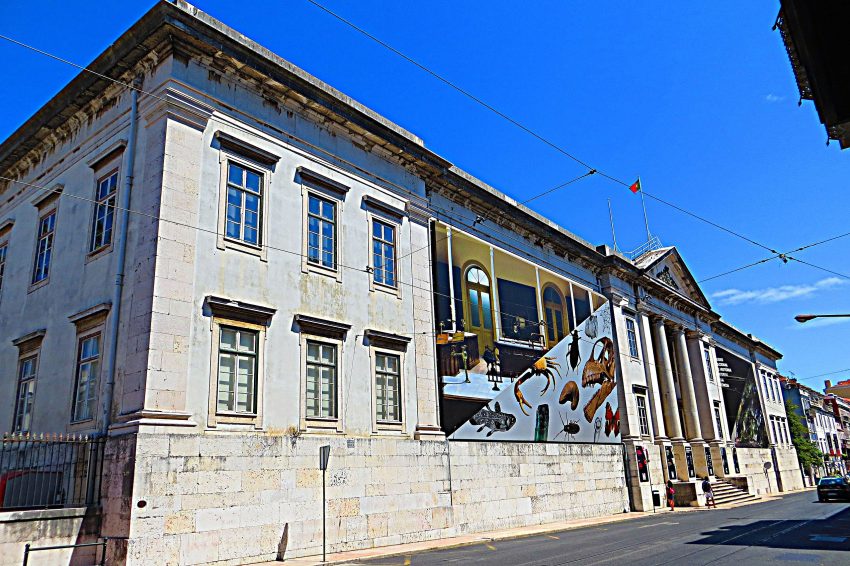
The Museu Nacional de História Natural e da Ciência is where Lisbon's love of curiosity, exploration, and scholarship comes together under one roof. Housed in the former Royal College of Nobles in the Principe Real district, it blends high-ceilinged historic rooms with glass cases of fossils, rocks, skeletons, and preserved animals. As you wander from geological specimens and meteorites to taxidermy mammals and birds, it feels like stepping into a classic European museum of curiosities that has steadily evolved into a modern science hub.
Yet this is more than just a collection of dusty cabinets. Interactive exhibits on physics, astronomy, and scientific discovery bring the story forward to the present day, and the museum's close link with the University of Lisbon means research and teaching are still part of its daily life. Outside, the attached Botanical Garden offers a calm contrast to the galleries inside, with winding paths, exotic plants, and towering trees. Together, the museum and garden make this one of the best places to visit in Lisbon for anyone who loves nature, science, and a slightly old-world academic atmosphere that still feels very alive and relevant. It is also often visited on walking tours of Lisbon that focus on the city's intellectual and scientific side.
Table of Contents
- History and Significance of Museu Nacional de História Natural e da Ciência
- Things to See and Do in Museu Nacional de História Natural e da Ciência
- How to Get to Museu Nacional de História Natural e da Ciência
- Practical Tips on Visiting Museu Nacional de História Natural e da Ciência
- Where to Stay close to Museu Nacional de História Natural e da Ciência
- Is Museu Nacional de História Natural e da Ciência Worth Visiting?
- FAQs for Visiting Museu Nacional de História Natural e da Ciência
- Nearby Attractions to Museu Nacional de História Natural e da Ciência
History and Significance of Museu Nacional de História Natural e da Ciência
The story of the Museu Nacional de História Natural e da Ciência is closely tied to the history of education and scientific inquiry in Portugal. The building was originally constructed for the Royal College of Nobles, reflecting an era when science, philosophy, and the training of the elite were strongly intertwined. Over time, as the university system evolved, the space became home to natural history collections and research laboratories, laying the foundations for what would become the modern national museum of natural history and science.
As the centuries passed, collections grew through expeditions, exchanges, and the work of Portuguese scientists and explorers. Fossils, minerals, plants, and animals from Portugal’s varied landscapes and former overseas territories found their way into the museum’s storerooms and display halls. Exhibits devoted to Portuguese exploration, navigation, and scientific breakthroughs help explain how a relatively small country played an outsized role in mapping and understanding the wider world.
Today, the museum stands as a symbol of Portugal's scientific heritage. It preserves historic instruments, specimens, and documents while also engaging with contemporary topics such as biodiversity, climate, and the role of science in everyday life. For visitors, that means you are not just looking at objects in glass cases; you are seeing the physical traces of centuries of curiosity, study, and discovery that continue to influence research and teaching in Lisbon today.
Things to See and Do in Museu Nacional de História Natural e da Ciência
Inside the main building, one of the highlights is the Geological and Mineralogical Collection. Here you can admire glittering crystals, unusual rock formations, fossils, and specimens that tell the story of how Portugal and the wider planet took shape. If you enjoy earth science, it is easy to lose track of time comparing different minerals, reading about their origins, and tracing the deep history of the land beneath Lisbon’s streets.
The Natural History Gallery is equally compelling, with rows of taxidermy animals and skeletal displays that include large mammals, birds, and other creatures. Seeing skeletons and preserved specimens up close is both impressive and humbling, and the gallery does a good job of linking these displays to broader themes such as evolution, ecosystems, and conservation. Complementing this, the museum’s physics and astronomy exhibits add a more hands-on dimension, with interactive elements that let visitors experiment, observe, and think like scientists for a while.
Another engaging aspect is the chance to peek into historic laboratory spaces, where generations of Portuguese researchers carried out experiments and catalogued their findings. These rooms, with their old benches, instruments, and glassware, help bridge the gap between the past and present of scientific practice. After exploring the indoor exhibits, stepping out into the Botanical Garden of Lisbon feels almost like entering a living extension of the museum: paths wind between exotic plants and towering trees, and the garden's layout hints at the 19th-century vision of a global living collection assembled in one leafy corner of the city.
How to Get to Museu Nacional de História Natural e da Ciência
The Museu Nacional de História Natural e da Ciência is located in the Principe Real area, just uphill from Bairro Alto and a short walk from Rato or Avenida da Liberdade. From central locations like Rossio or Restauradores, you can walk up through Bairro Alto or use local buses and then stroll the last few minutes through Principe Real's elegant streets. The neighbourhood is quite compact, so it is easy to combine the museum with nearby gardens, cafés, and viewpoints.
If you are arriving in Lisbon by air, you will land at Humberto Delgado Airport, which has straightforward metro, bus, and taxi connections into the city. For the best deals and a seamless booking experience, check out these flights to Lisbon on Booking.com. From the airport, one simple route is to take the metro to Rato or Marquês de Pombal and then walk or use a short bus ride to reach the museum area.
For visitors coming by train from other parts of Portugal, long-distance services typically arrive at Oriente or Santa Apolónia stations. From either, you can connect to the metro system and continue to central stops like Baixa-Chiado, Marquês de Pombal, or Rato, then walk or take a bus to Principe Real.Train schedules and bookings can be found on Omio. This makes it relatively easy to include the museum as part of a wider Lisbon itinerary without needing a car.
If you do choose to drive, be aware that parking in central Lisbon can be limited, especially around popular residential and commercial areas like Principe Real.If you are looking to rent a car in Portugal I recommend having a look at Discover Cars, first, as they compare prices and review multiple car rental agencies for you. Underground car parks and paid street parking are available in nearby zones, but it is often more relaxing to park once and then explore on foot, using the museum as a convenient anchor point for discovering the surrounding neighbourhood.
Practical Tips on Visiting Museu Nacional de História Natural e da Ciência
- Suggested tips: Combine your museum visit with a stroll through the Botanical Garden and a coffee in nearby Principe Real to balance indoor exhibits with fresh air and local atmosphere.
- Best time to visit: Weekday mornings usually feel calmer, making it easier to linger at displays and enjoy the gardens; afternoons and weekends can be livelier with families and groups.
- Entrance fee: Adults €5.00
- Opening hours: Tuesday to Sunday: 10:00 am to 5:00 pm Closed on Mondays and public holidays. Free admission on Sundays from 10:00 am to 1:00 pm.
- Official website: https://www.museus.ulisboa.pt/
- How long to spend: Plan on at least 2-3 hours if you want to explore both the indoor galleries and the Botanical Garden at a relaxed pace.
- Accessibility: Main gallery areas are generally accessible, but some historic spaces and garden paths may include steps or uneven ground; visitors with reduced mobility should check the latest access information.
- Facilities: Expect cloakrooms, restrooms, and possibly a small café or vending area; the surrounding streets in Principe Real also offer plenty of cafés, bakeries, and shops.
- Photography tip: Inside, focus on details like crystal structures, fossil textures, and the shapes of skeletons; outside, wide shots of the Botanical Garden’s tall trees and pathways capture the contrast between science and nature.
- Guided tours: When available, guided tours or educational activities can add depth, especially if you are visiting with children or have a particular interest in geology, zoology, or the history of science.
- Nearby food options: Principe Real is known for its stylish cafés, brunch spots, and small restaurants, making it easy to turn your museum visit into a half-day outing with good food built in.
Where to Stay close to Museu Nacional de História Natural e da Ciência
Staying near the Museu Nacional de História Natural e da Ciência puts you in one of Lisbon's most appealing neighbourhoods, with leafy streets, gardens, and easy access to both the historic centre and more local-feeling areas. For a polished, design-led stay just a short walk away, Memmo Príncipe Real offers stylish rooms and excellent views over the city. A slightly more modest but very comfortable option within reach of both Principe Real and Avenida da Liberdade is Hotel Botanico, which is well placed for walking to the museum and nearby gardens. If you prefer to stay closer to Bairro Alto while remaining in easy walking distance, The Lumiares Hotel & Spa provides apartment-style suites and a rooftop bar that make a great base for combining museum visits with evenings out.
Is Museu Nacional de História Natural e da Ciência Worth Visiting?
The Museu Nacional de História Natural e da Ciência is definitely worth visiting, especially if you are drawn to museums that mix classic collections with living research and teaching. It offers a rich journey through geology, zoology, botany, and the history of scientific discovery, all set in a characterful historic building. When you add the tranquil Botanical Garden next door and the charm of the surrounding Principe Real district, it becomes an easy recommendation for families, science fans, and anyone curious about how Lisbon's academic life fits into the city's broader story.
What Other Travellers Say...

National Museum of Science & Natural History at R. da Escola Politécnica 56 is a compact, visitor-friendly museum showcasing preserved animal specimens (fish, birds), dinosaur fossils, minerals, wax medical models and medical instruments, plus anthropology, geology and botany displays; several visitors praise its historic lecture hall, old-style laboratory and interactive science sections that appeal to families and kids, and note the adjacent botanical garden as a pleasant complement, while others mention a somewhat confusing layout with some rooms closed, sparse signage or staff guidance, and limited onsite amenities.


FAQs for Visiting Museu Nacional de História Natural e da Ciência
Nearby Attractions to Museu Nacional de História Natural e da Ciência
- Jardim do Príncipe Real - A charming garden square with a huge cedar tree, playground, and weekend markets, perfect for a relaxed break.
- Lisbon Botanical Garden (Jardim Botânico de Lisboa) - The museum's adjoining garden, with exotic plants and shaded paths that feel worlds away from the busy streets.
- Miradouro de São Pedro de Alcântara - Scenic viewpoint over downtown Lisbon and the castle, just a short walk downhill from Principe Real.
- Bairro Alto - Lively neighbourhood known for its narrow streets, bars, and restaurants, ideal for an evening out after a day of museum-hopping.
- Avenida da Liberdade - Elegant boulevard lined with trees, fountains, and shops, connecting Principe Real and the museum area to central squares like Restauradores.
The Museu Nacional de História Natural e da Ciência appears in our Complete Guide to Visiting Lisbon!

Moira & Andy
Hey! We're Moira & Andy. From hiking the Camino to trips around Europe in Bert our campervan — we've been traveling together since retirement in 2020!
This website uses affiliate links which may earn a commission at no additional cost to you!
Planning Your Visit
Tuesday to Sunday: 10:00 am to 5:00 pm
Closed on Mondays and public holidays.
Free admission on Sundays from 10:00 am to 1:00 pm.
Adults €5.00
Nearby Attractions
- Miradouro de São Pedro de Alcântara (0.6) km
Viewing Point - Praça do Rossio (1.1) km
Square - Carmo Convent (1.1) km
Convent - Elevador de Santa Justa (1.2) km
Viewing Point - Teatro Nacional de São Carlos (1.2) km
Theatre - São Jorge Castle (1.6) km
Castle - Arco da Rua Augusta (1.6) km
Historic Building and Viewing Point - Lisbon Cathedral (1.8) km
Cathedral - Museu Calouste Gulbenkian (2.3) km
Museum - São Vicente de Fora (2.3) km
Monastery