Musée Saint-Rémi, Reims
Museum in Reims
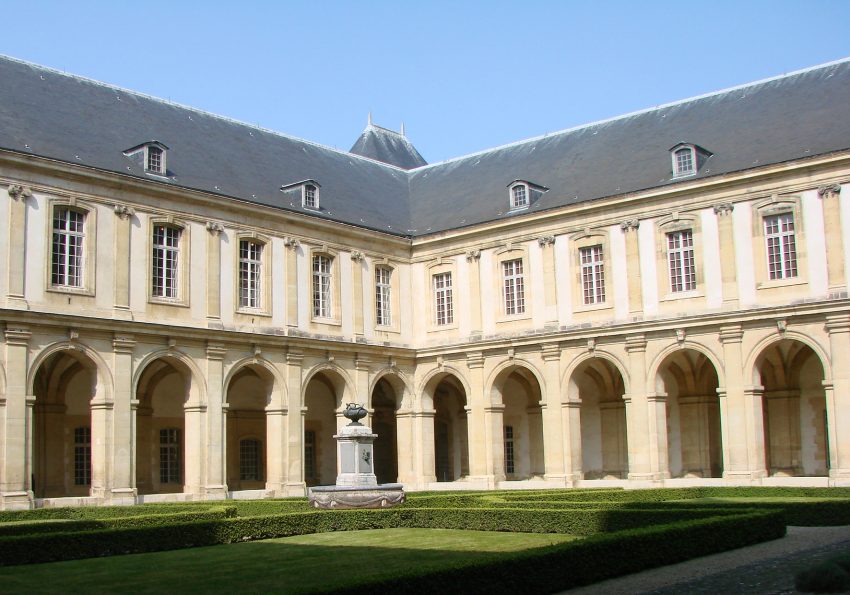
Set beside the Basilique Saint-Remi, the Musée Saint-Remi is one of those places that immediately feels rooted in Reims' deeper identity. Housed in the former Saint-Remi Royal Abbey, it combines the calm grandeur of monastic architecture with galleries that tell the city's story in a way that's easy to follow, even if you arrive knowing little beyond “cathedral and Champagne.”
It's one of the top attractions in Reims for travellers who want context: why Reims mattered before coronations, how it grew as a Roman city, and how religion and power shaped the region for centuries. It's also often visited on walking tours of Reims because it pairs so naturally with the basilica next door, turning a single stop into a rich half-day of heritage.
Table of Contents
- History and Significance of the Musée Saint-Remi
- Things to See and Do in the Musée Saint-Remi
- Practical Tips on Visiting the Musée Saint-Remi
- Where to Stay close to the Musée Saint-Remi
- Add a Is the Musée Saint-Remi Worth Visiting?
- FAQs for Visiting Musée Saint-Remi
- For Different Travelers
- Nearby Attractions to the Musée Saint-Remi
History and Significance of the Musée Saint-Remi
The museum's setting is part of the experience. The former royal abbey was not just a religious complex, but a place tied to the symbols of legitimacy that made Reims central to French history. The story of coronation tradition echoes here, especially through the abbey's historical role in safeguarding the Holy Ampulla, the sacred oil associated with royal anointing.
Inside, the museum focuses on regional history up to the Renaissance, with a strong sense of chronological storytelling. It's the kind of museum that doesn't assume specialist knowledge, but still gives you the satisfaction of understanding how Reims evolved: from Roman urban life to medieval power structures, and into the early modern period.
What makes it especially valuable in a Reims itinerary is that it completes the “why” behind the city's famous sites. After the cathedral and Palais du Tau, this is where you can ground the spectacle of coronations in the longer, older arc of the place that hosted them.
Things to See and Do in the Musée Saint-Remi
Start by giving the building your attention before the objects. Abbey museums reward a slower pace, and the architecture itself sets the tone: cloister-like calm, spacious corridors, and a feeling that you are moving through layers of lived history rather than simply stepping from gallery to gallery.
The Roman and Gallo-Roman sections are often a highlight, especially if you like the idea of Reims as Durocortorum long before the Gothic cathedral rose. These displays tend to make the city feel older and more complex, showing how infrastructure, daily life, and local identity were shaped in the Roman world.
The museum's military history collections add a different register, moving you forward through the centuries with objects and narratives that explain conflict, defence, and national change. It's a useful counterbalance to purely religious or artistic visits, and it helps you see Reims as a strategic place, not only a ceremonial one.
Practical Tips on Visiting the Musée Saint-Remi
- Suggested tips: Pair the museum with the Basilique Saint-Remi next door so you get both the spiritual setting and the historical context in one continuous visit.
- Best time to visit: Late morning or mid-afternoon on a weekday, when you can move through the galleries at an unhurried pace.
- Entrance fee: €5.50
- Opening hours: Daily from 10 a.m. to 6 p.m.
- Official website: http://musees-reims.fr
- How long to spend: 90 minutes to 2 hours, especially if you want to read labels and linger in the Roman collections.
- Accessibility: Expect a historic building with potential level changes; check current step-free access arrangements if you need them.
- Facilities: Basic museum facilities on site, with cafés and additional amenities easiest to find back toward the city centre.
- Photography tip: If photography is permitted, aim for a few wide architectural shots that capture the abbey atmosphere, then choose one or two object highlights rather than trying to document everything.
- Guided tours: Worth considering if you want the Holy Ampulla story, the abbey’s role, and the Roman city narrative tied together clearly.
- Nearby food options: Plan lunch in central Reims afterward, or keep it simple with a café stop once you're back near the cathedral quarter.
Where to Stay close to the Musée Saint-Remi
If you want a smooth sightseeing rhythm, stay in central Reims and treat Saint-Remi as an easy out-and-back visit during the day. Best Western Premier Hôtel de la Paix is a comfortable base for combining the cathedral area, restaurants, and a visit to the abbey district. Holiday Inn Reims - Centre is a practical option that keeps you close to the main walking streets without complicating logistics. For a more special, cathedral-centred stay that still makes Saint-Remi easy to reach, La Caserne Chanzy Hotel & Spa, Autograph Collection is ideally placed for the city’s headline sights.
Add a Is the Musée Saint-Remi Worth Visiting?
Yes, especially if you want Reims to feel like a complete story rather than a set of standalone landmarks. The museum adds depth to everything else you see, connecting Roman origins, monastic power, and the traditions that made Reims a national symbol.
It's also a satisfying visit simply as a museum experience. The abbey setting creates a calm pace, the collections are varied enough to keep your attention, and you come away with a clearer mental map of how Reims became the city you're walking through today.
FAQs for Visiting Musée Saint-Remi
What Other Travellers Say...

Musée Saint-Remi sits in the medieval Abbey of Saint-Remi near the basilica and showcases regional art and objects from prehistory through the Renaissance, with strong holdings of Gothic sculptures, Roman artifacts, Roman mosaics and notable medieval tapestries presented in their own hall; visitors praise its charming building and courtyard, family-friendly materials for children, attentive staff, low entry fee (around €5.50), and recommend checking opening times as the entrance can appear closed.


For Different Travelers
Families with Kids
This is a strong family museum because it offers variety rather than one single theme. The Roman artefacts often feel the most immediately engaging, and the abbey setting gives kids a sense of exploring a real historic place, not just a modern gallery.
To keep energy up, set a simple route: one architectural loop for the building, one focused section for Roman Reims, and one final “choose your favourite object” moment before you leave. Pair it with a short basilica visit next door if your group still has attention for one more interior.
Couples & Romantic Getaways
For couples, Musée Saint-Remi is a calmer, more intimate counterpoint to the cathedral district. The abbey atmosphere feels unhurried, and it's easy to turn the visit into a slow, shared experience where you pause at objects that catch your eye rather than trying to see everything.
It also works beautifully as a morning plan before lunch and Champagne later in the day. The museum gives you a sense of Reims’ depth and seriousness, which makes the city’s more celebratory side feel even more earned.
Budget Travelers
If you’re choosing where to spend on tickets, this museum can be a smart pick because it delivers both a historic building and a broad city-history collection in one. It’s also easy to combine with free visits to major churches, creating a balanced itinerary without stacking too many paid entries.
To keep costs low, plan this as your main museum stop, then do the rest of the day on foot with free highlights like cathedral-area wandering and public squares.
History Buffs
History-focused travellers tend to love Musée Saint-Remi because it connects multiple time periods without feeling fragmented. You can move from Roman city life to medieval monastic power and into national military narratives, all while staying anchored in the specific identity of Reims.
It’s also one of the best places to understand how sacred objects, institutions, and political legitimacy intersected here. After this visit, the cathedral and coronation story usually feels richer, because you’ve seen the longer foundations beneath the ceremony.
Nearby Attractions to the Musée Saint-Remi
- Basilique Saint-Remi: A vast UNESCO basilica with an 11th-century nave and a serene, luminous interior.
- Reims Cathedral: The city's essential Gothic landmark and historic coronation church, packed with sculpture and stained glass.
- Palais du Tau: The archbishops' palace beside the cathedral, where coronation lodging and post-ceremony banquets once took place.
- Place Drouet d’Erlon: Reims’ lively café promenade, ideal for a break between cultural visits.
- Champagne house cellars: Guided cellar visits and tastings that connect Reims' heritage to its signature craft.
The Musée Saint-Rémi appears in our Complete Guide to Visiting Reims!

Moira & Andy
Hey! We're Moira & Andy. From hiking the Camino to trips around Europe in Bert our campervan — we've been traveling together since retirement in 2020!
This website uses affiliate links which may earn a commission at no additional cost to you!
Planning Your Visit
Daily from 10 a.m. to 6 p.m.
€5.50
Nearby Attractions
- Basilique Saint-Rémi (0.1) km
Church - Taittinger (0.4) km
Historic Site - Maison Veuve Clicquot (0.5) km
Historic Site - Villa Demoiselle (0.7) km
Historic Building - Champagne Pommery (0.7) km
Historic Site - Maison Ruinart (1.0) km
Vinyard - Reims Champagne Automobile Museum (1.1) km
Museum - Parc de Champagne (1.1) km
Park - Carnegie Library of Reims (1.2) km
Historic Building and Library - Palais du Tau (1.2) km
Palace


