Musee national de la Marine, Toulon
Attraction, Museum and Port in Toulon
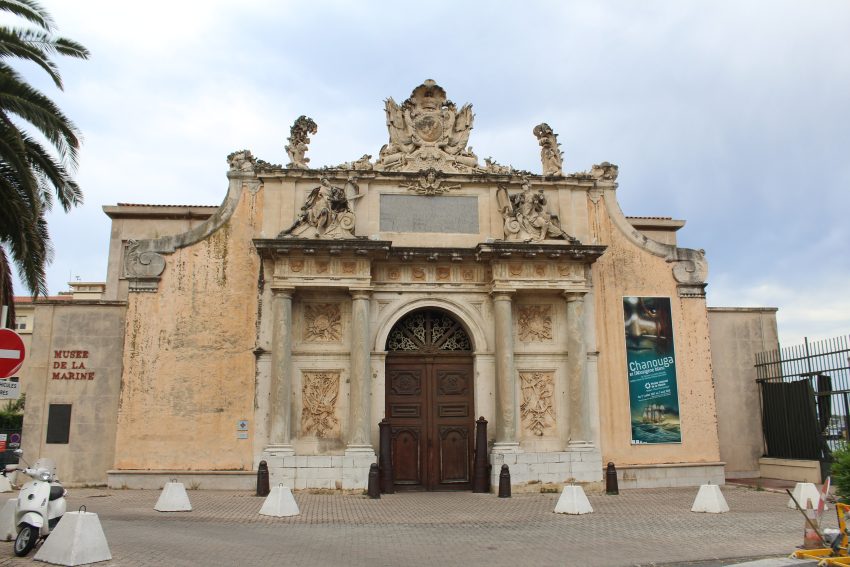
The Musee national de la Marine in Toulon is a deep dive into the city's identity as one of France's great naval ports, set right by the waterfront near the military harbor. Inside, you'll find a well-curated journey from early sailing ships to modern naval technology, with standout ship models, paintings, plans, and objects that make the story feel tangible rather than abstract.
It's an easy add-on to a walking tour of central Toulon: pair it with a stroll along the port, a look at the naval base viewpoints, and a loop through the old town streets for cafés and markets. If you're choosing just a few cultural stops in the city, this museum is one of the best places to understand why Toulon matters historically and why the harbor still shapes daily life.
Table of Contents
- History and Significance of the Musee national de la Marine
- Things to See and Do in the Musee national de la Marine
- How to Get to the Musee national de la Marine
- Practical Tips on Visiting the Musee national de la Marine
- Where to Stay Close to the Musee national de la Marine
- Is the Musee national de la Marine Worth Visiting?
- For Different Travelers
- FAQs for Visiting Musee national de la Marine
- Nearby Attractions to the Musee national de la Marine
History and Significance of the Musee national de la Marine
Toulon’s story is inseparable from the sea, and this museum is essentially the city’s naval memory in one place. The collections trace how shipbuilding, navigation, and military strategy evolved over centuries, while also highlighting Toulon’s role as a major Mediterranean arsenal and home port.
One of the museum's strengths is how it connects big historical moments to practical realities: how ships were designed, how ports and dry docks changed maritime power, and how new materials and propulsion transformed what navies could do. You'll also see how conflicts, including the World War era, left a lasting imprint on Toulon and its people.
Because the museum sits so close to the working military port, the visit has an extra layer of context: you’re learning about naval history while standing beside a place where that history continues in modern form.
Things to See and Do in the Musee national de la Marine
Start with the ship models. They’re the visual anchor of the museum, and they make it easy to understand scale, hull design, rigging, and the leap from wood-and-sail to metal warships. Even if you’re not usually a “museum person,” the craftsmanship and detail can be surprisingly absorbing.
Next, slow down in the sections that explain construction and port infrastructure. Plans, tools, and interpretive displays help you see how an arsenal functions and why Toulon became strategically important. This is also where the museum feels especially local, tying maritime technology to the city's growth.
Finally, look for the parts that cover 20th-century conflict and modern naval capabilities. The tone shifts from romance-of-the-sea to the realities of warfare and deterrence, which gives the museum a fuller arc and helps the visit feel complete rather than purely nostalgic.
How to Get to the Musee national de la Marine
The nearest major airports are Marseille Provence Airport (MRS) and Nice Côte d'Azur Airport (NCE), with Toulon–Hyères Airport (TLN) offering more limited routes depending on season and carriers. For the best deals and a seamless booking experience, check out these flights to Toulon on Booking.com.
Toulon is well connected by rail, and arriving at Toulon's main station makes it easy to reach the museum on foot through the city center. You can use SNCF Connect to check schedules, compare routes, and purchase tickets for National (SNCF ) and regional trains (TER). For a more streamlined experience, we recommend using Omio, which allows you to easily compare prices, schedules, and book tickets for both National and Regional travel across all of Europe, all in one place.
If you're driving, aim for central Toulon parking and continue on foot to the waterfront area near the museum. If you are looking to rent a car in France I recommend having a look at Discover Cars, first, as they compare prices and review multiple car rental agencies for you.
Practical Tips on Visiting the Musee national de la Marine
- Official website: https://www.musee-marine.fr/nos-musees/toulon/visiter/informations-pratiques/acces-horaires-tarifs.html
- Entrance fee: Adults: €8; Reduced: €6; Under 18: free; Ages 18–25 (EU residents): free; Audio guide: +€2.
- Opening hours: (September – June) Monday: 10:00–18:00; Wednesday – Sunday: 10:00–18:00; Closed on Tuesday. (July – August) Daily: 10:00–18:00. (Annual closure) January 5 – February 6, 2026; Closed on January 1, May 1, December 25.
- Best time to visit: Go in the morning for a calmer, more focused experience, especially if you want to use an audio guide without feeling rushed.
- How long to spend: Plan for 60–90 minutes for a solid visit, or up to 2 hours if you like reading labels and studying the models.
- Accessibility: The museum is set up to welcome visitors with reduced mobility, and it’s a good choice if you want an indoor cultural stop that doesn’t require long walks.
- Facilities: Expect basic visitor amenities on site, with additional cafés and services a short walk away around the port and city center.
Where to Stay Close to the Musee national de la Marine
Base yourself in central Toulon near the port and old town so you can walk to the museum, restaurants, and the main shopping streets without relying on transport.
OKKO Hotels Toulon Centre A smart pick for travelers who want a modern, reliable stay close to the station and within easy walking distance of the waterfront.
Grand Hotel Dauphine Chosen for its classic city-hotel feel and convenient location for combining museum time with evenings around Place de la Liberté.
Ibis Styles Toulon Centre Port A practical, port-adjacent option that makes it easy to build a simple itinerary: museum, harbor stroll, then dinner nearby.
Holiday Inn Express Toulon - Est Included for travelers who prefer a straightforward chain experience and don’t mind a short ride to reach the historic center.
Best Western Plus La Corniche A great choice if you want sea views and a more “Riviera” atmosphere, pairing museum time with coastal walks.
Is the Musee national de la Marine Worth Visiting?
Yes, especially if you want to understand Toulon beyond the surface. It's compact but content-rich, and the ship models plus the Toulon-specific naval story make it feel distinct rather than like a generic maritime collection.
Honest Pivot: if you strongly prefer interactive, hands-on museums or you’re traveling with someone who gets bored by traditional displays and reading-heavy galleries, you may find it a bit static. In that case, consider prioritizing outdoor viewpoints, a harbor walk, or a boat-based activity and keep this as an optional rainy-day stop.
What Other Travellers Say...

Visitors rate the museum very highly and describe it as a beautiful, informative stop focused on Toulon’s naval story. Common highlights include the detailed ship models, a clear timeline from sailing ships to modern military technology, and helpful audio guides (often noted as worthwhile). Several reviews also mention friendly staff and that it’s a manageable size for a focused visit. The main downsides mentioned are that it can feel warm inside at times and that it’s more traditional than interactive, which may not suit everyone.


For Different Travelers
The museum works well as a flexible stop: you can do a quick highlights loop or take your time and go deep. Its central location also makes it easy to combine with a broader day exploring the port, old town, and waterfront.
Families with Kids
For kids who like ships, models, and “real history,” this can be a win, especially if you focus on the most visual sections rather than trying to read everything. Turning the visit into a scavenger hunt (find the oldest ship type, the biggest model, the most unusual tool) keeps energy up.
If your family needs frequent breaks, plan a short visit and then reward everyone with a port-side snack afterward. The museum is best for school-age kids and teens; toddlers may move through quickly.
Couples & Romantic Getaways
This is a surprisingly good couples stop because it's calm, atmospheric, and easy to pair with a waterfront stroll. It adds depth to a Toulon day, giving you shared context before heading out for aperitifs by the port.
If you enjoy travel that mixes scenery with story, do the museum first, then walk the harbor and look back at the city with “naval Toulon” in mind. It's a low-stress cultural visit that doesn't take over the whole day.
Budget Travelers
The museum is a strong value cultural activity, especially if you're building a day around free walking routes through central Toulon. You can keep costs down by combining it with self-guided sightseeing along the port and through the old town.
If you’re watching every euro, decide in advance whether you want add-ons like an audio guide. Even without extras, the models and core exhibits deliver plenty of substance.
History Buffs
If you like military history, maritime technology, or the way cities develop around strategic infrastructure, this museum is a must. The Toulon focus makes it especially rewarding because you're not just learning “naval history,” you're learning why this specific port mattered.
To get the most from it, take your time with the construction and modernization sections, then step outside and connect what you’ve seen to the nearby harbor environment. It’s one of those visits where context keeps unfolding after you leave the galleries.
FAQs for Visiting Musee national de la Marine
Getting There
Tickets & Entry
Visiting Experience
Tours, Context & Itineraries
Photography
Accessibility & Facilities
Food & Breaks Nearby
Safety & Timing
Nearby Attractions to the Musee national de la Marine
- Toulon Harbor (Port de Toulon): A scenic waterfront area for strolling, people-watching, and seeing the city's maritime life up close.
- Toulon Old Town (Vieille Ville): Narrow streets, small squares, and local shops that make for a rewarding wander after the museum.
- Toulon Cathedral (Cathédrale Sainte-Marie-de-la-Seds): A historic church worth a quick stop for architecture and a quieter moment in the center.
- Mont Faron: A classic Toulon viewpoint area for panoramic city-and-sea views when you want to get above the harbor.
- Cours Lafayette Market: A lively local market experience that adds everyday Toulon flavor to a culture-focused day.
The Musee national de la Marine appears in our Complete Guide to Visiting Toulon!

Moira & Andy
Hey! We're Moira & Andy. From hiking the Camino to trips around Europe in Bert our campervan — we've been traveling together since retirement in 2020!
This website uses affiliate links which may earn a commission at no additional cost to you!
Planning Your Visit
(September - June) Monday: 10:00-18:00; Wednesday - Sunday: 10:00-18:00; Closed on Tuesday.
(July - August) Daily: 10:00-18:00.
(Annual closure) January 5 - February 6, 2026; Closed on January 1, May 1, December 25.
Adults: €8; Reduced: €6; Under 18: free; Ages 18-25 (EU residents): free; Audio guide: +€2.
Nearby Attractions
- Ancienne Corderie (0.1) km
Archive, Historic Building and Historic Site - Port de Toulon (0.3) km
Ferry, Harbour and Port - Rue d'Alger (0.3) km
Street - Toulon Opera (0.4) km
Arts Venue, Opera House and Theatre - Place de la Liberte (0.4) km
Area, Attraction and Square - Halles Raspail (0.4) km
Attraction, Bazaar and Market - Musee d'Art (0.5) km
Historic Building, Library and Museum - Cathedrale Sainte-Marie-de-la-Seds (0.5) km
Cathedral, Church and Religious Building - Eglise Saint-Francois de Paule (0.5) km
Church, Historic Building and Religious Building - Le Marche du Cours Lafayette (0.5) km
Market