Musée Masséna, Nice
Gardens, Historic Building and Museum in Nice
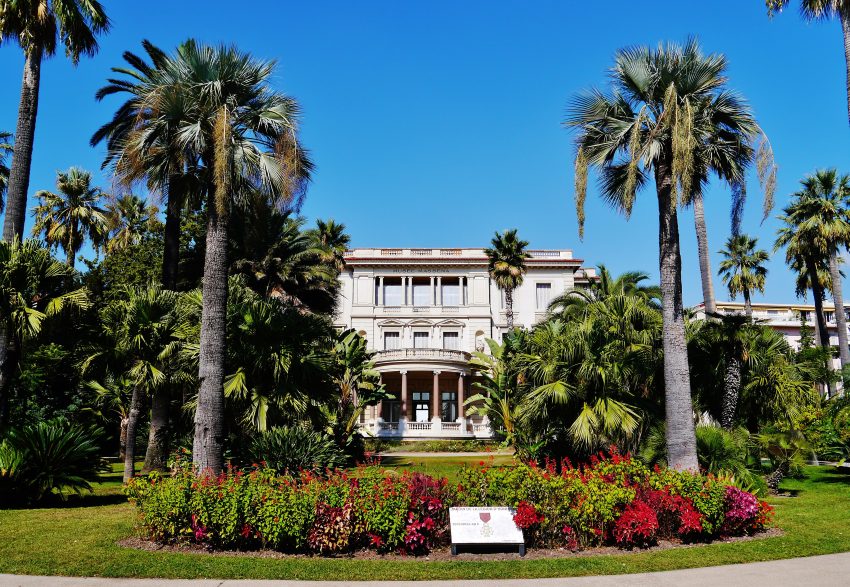
Musée Masséna (also known as Villa Masséna) is a Belle Époque villa-turned-museum just steps from the Promenade des Anglais in Nice, offering a compact, atmospheric dive into the city's past inside richly decorated period rooms.
It's an easy add-on to a walking tour of central Nice: pair it with a stroll along the seafront, a wander through the Carré d'Or, and a longer loop toward Place Masséna and Old Town for the best “see-it-all” day on foot.
Table of Contents
- History and Significance of the Musée Masséna
- Things to See and Do in the Musée Masséna
- How to Get to the Musée Masséna
- Practical Tips on Visiting the Musée Masséna
- Where to Stay Close to the Musée Masséna
- Is the Musée Masséna Worth Visiting?
- For Different Travelers
- FAQs for Visiting Musée Masséna
- Nearby Attractions to the Musée Masséna
History and Significance of the Musée Masséna
Commissioned at the end of the 19th century, the villa was built as an elegant private residence in the Belle Époque era, when Nice was becoming a glamorous winter destination for European elites. Even before you look at a single display case, the building itself tells that story through its grand staircase, formal salons, and ornate decorative details.
The museum's collections focus on the history and identity of Nice and the French Riviera, with particular emphasis on the 19th and early 20th centuries. Expect portraits, objects of daily life, and materials that trace how the city evolved from a coastal town into an international resort.
For many visitors, the significance is twofold: it's both a local-history museum and a preserved slice of the Riviera's architectural and social history. If you like understanding how a place became what it is today, this is one of the most direct, “Nice-specific” museums in town.
Things to See and Do in the Musée Masséna
Start on the ground floor and take your time with the ceremonial rooms: this is where the villa’s personality shines, with stately interiors that feel closer to a historic house visit than a conventional museum. Look for the details—ceilings, woodwork, and the overall layout—because the setting is a big part of the experience.
As you move through the upper floors, the focus shifts toward the story of Nice and the Riviera, with displays that help you place landmarks, traditions, and major historical moments in context. Many travelers enjoy this museum most after they've already walked the Promenade and central streets, because the exhibits suddenly “click” with what you've seen outside.
Don’t skip the garden. Even if you’re not doing the full museum visit, the grounds are a pleasant, shaded breather with benches—ideal for a short reset between sightseeing stops along the seafront.
How to Get to the Musée Masséna
The nearest major airport is Nice Côte d'Azur Airport (NCE), with Marseille Provence Airport (MRS) as a secondary option if you're combining cities on a longer Provence–Riviera itinerary. For the best deals and a seamless booking experience, check out these flights to Nice on Booking.com.
If you're arriving by rail, Nice-Ville is the main station for most visitors; from there you can connect by local transit, taxi, or a straightforward walk depending on your pace and luggage.You can use SNCF Connect to check schedules, compare routes, and purchase tickets for National (SNCF ) and regional trains (TER). For a more streamlined experience, we recommend using Omio, which allows you to easily compare prices, schedules, and book tickets for both National and Regional travel across all of Europe, all in one place.
Driving in Nice is possible, but central traffic and parking can be time-consuming—consider using a paid garage and continuing on foot once you're near the Promenade des Anglais.If you are looking to rent a car in France I recommend having a look at Discover Cars, first, as they compare prices and review multiple car rental agencies for you.
Practical Tips on Visiting the Musée Masséna
- Official website: https://www.nice.fr/fr/culture/musees-et-galeries/musee-massena-le-musee
- Entrance fee: Adults: €10; Reduced: €8; Under 18: free.
- Opening hours: (Summer) May 2 – October 31; Monday: 10:00–18:00; Tuesday: Closed; Wednesday – Sunday: 10:00–18:00. (Winter) November 1 – April 30; Monday: 11:00–18:00; Tuesday: Closed; Wednesday – Sunday: 11:00–18:00.
- Best time to visit: Go earlier in the day for quieter rooms and better light for appreciating the villa’s interiors. If you’re sightseeing in summer, this is also a good “cooler indoor” stop between outdoor walks.
- How long to spend: Plan about 60–90 minutes for the museum itself, plus extra time if you want a relaxed garden break. If you’re only popping in for the atmosphere, 30–45 minutes can still feel worthwhile.
- Accessibility: Expect a historic-building layout; verify step-free access in advance if you need it, as experiences can vary by floor and exhibit areas. If stairs are a concern, consider focusing on the garden and the most accessible interior spaces.
- Facilities: You’ll find basic visitor amenities suitable for a short museum visit; treat it as a focused stop rather than an all-day complex. Nearby cafés along Rue de France and the Promenade make it easy to plan a break before or after.
Where to Stay Close to the Musée Masséna
Base yourself in the Carré d'Or / central seafront area for the easiest walkable access to the Promenade des Anglais, shopping streets, and many of Nice's best “first-timer” sights.
Hotel West End Nice Choose this for classic Riviera seafront vibes and a location that keeps your mornings and evenings effortlessly walkable.
Hôtel Negresco A splurge pick for travelers who want an iconic Nice stay and a memorable, old-world setting close to the museum and the beach.
Hyatt Regency Nice Palais de la Méditerranée Great for comfort and amenities (including a strong resort-hotel feel) while staying right on the Promenade.
Hôtel La Villa Nice Victor Hugo A smart mid-range option slightly inland that still keeps you close to the seafront and central transit links.
Hôtel Florence Nice A practical, good-value base near shopping and easy connections, ideal if you want central convenience without paying seafront premiums.
Is the Musée Masséna Worth Visiting?
Yes—especially if you enjoy historic interiors and want a clearer sense of how Nice grew into a Belle Époque resort city. The villa's atmosphere and the garden make it feel more distinctive than a “just another museum” stop, and the location makes it an easy win on a central walking day.
Honest Pivot: if you're short on time and only want blockbuster art collections, you may prefer prioritizing other museums in Nice or simply spending those hours outdoors along the Promenade and in Old Town. It's also not the best choice for travelers who dislike reading-focused local-history displays or who need a fully step-free experience without planning ahead.
What Other Travellers Say...

Reviewers consistently describe Musée Masséna as a beautiful, well-maintained Belle Époque villa with impressive period rooms and a pleasant garden with benches and shade. Many enjoy the local-history focus and the sense of stepping into Nice's past, with highlights including the grand staircase and notable Napoleonic-era items. Common drawbacks mentioned are limited accessibility due to stairs and that the exhibits can feel modest or “only of local interest” if you're expecting a major, blockbuster museum.


For Different Travelers
Musée Masséna works best as a flexible, low-stress stop: you can do a quick visit for the villa and garden, or slow down and use it as context for everything you're seeing around central Nice.
Families with Kids
For families, the biggest advantage is the manageable size: it’s easier to keep attention spans intact compared with larger museums. The garden can also be a helpful “reset” space before moving on to the beach or a snack stop.
That said, the exhibits lean toward local history and period rooms rather than hands-on interactives. If your kids need high-energy activities, treat this as a short visit and pair it with outdoor time nearby.
Couples & Romantic Getaways
Couples often love the Belle Époque mood: elegant rooms, a grand staircase, and a setting that feels cinematic. It’s also perfectly placed for a romantic promenade walk before or after.
Make it part of a slow day: museum, garden bench break, then sunset along the Promenade des Anglais. It's a simple itinerary that feels very “Nice.”
Budget Travelers
Budget travelers can get good value here because the experience includes both a historic villa atmosphere and a focused look at Nice’s story. The garden is also a pleasant stop even if you’re pacing paid attractions.
To keep costs down, combine it with free highlights nearby—Promenade walking, beach time, and scenic viewpoints—so your paid entries feel more intentional.
History Buffs
If you're into the Napoleonic era, the museum's context and objects can be especially interesting, but the real strength is the broader narrative of Nice and the Riviera's transformation. You'll likely appreciate the way the villa itself functions as a historical artifact.
History buffs should visit after a first walk through central Nice so you can connect names, dates, and places to what you've already seen. It's a museum that rewards a little context.
FAQs for Visiting Musée Masséna
Getting There
Tickets & Entry
Visiting Experience
Tours, Context & Itineraries
Photography
Accessibility & Facilities
Food & Breaks Nearby
Safety & Timing
Nearby Attractions to the Musée Masséna
- Promenade des Anglais: Nice's iconic seafront promenade for an easy walk, people-watching, and classic Riviera views.
- Place Masséna: The city's main square, great for photos and a natural gateway between modern Nice and Old Town.
- Vieux Nice (Old Town): A maze of lively streets for markets, local food, and a more historic atmosphere.
- Jardin Albert 1er: A central green space that’s perfect for a short break between sightseeing stops.
- Colline du Château (Castle Hill): A scenic viewpoint with panoramic city-and-sea views, especially rewarding near sunset.
The Musée Masséna appears in our Complete Guide to Visiting Nice!

Moira & Andy
Hey! We're Moira & Andy. From hiking the Camino to trips around Europe in Bert our campervan — we've been traveling together since retirement in 2020!
This website uses affiliate links which may earn a commission at no additional cost to you!
Planning Your Visit
(Summer) May 2 - October 31; Monday: 10:00-18:00; Tuesday: Closed; Wednesday - Sunday: 10:00-18:00.
(Winter) November 1 - April 30; Monday: 11:00-18:00; Tuesday: Closed; Wednesday - Sunday: 11:00-18:00.
Adults: €10; Reduced: €8; Under 18: free.
Nearby Attractions
- Palais de la Mediterranee (0.3) km
Historic Building, Hotel and Palace - Le Jardin Albert 1er (0.7) km
Gardens and Park - Promenade des Anglais (0.8) km
Attraction, Promenade and Walk - Place Massena (1.0) km
Attraction and Square - Fontaine du Soleil (1.0) km
Attraction, Fountain and Square - Cathédrale Saint-Nicolas (1.0) km
Cathedral, Church and Religious Building - Opera de Nice (1.1) km
Arts Venue, Opera House and Theatre - Promenade du Paillon (1.1) km
Gardens, Park and Promenade - Cours Saleya Markets (1.2) km
Area and Market - Place du Palais de Justice (1.2) km
Area, Attraction and Square