Musée de la Carte Postale, Antibes
Museum in Antibes
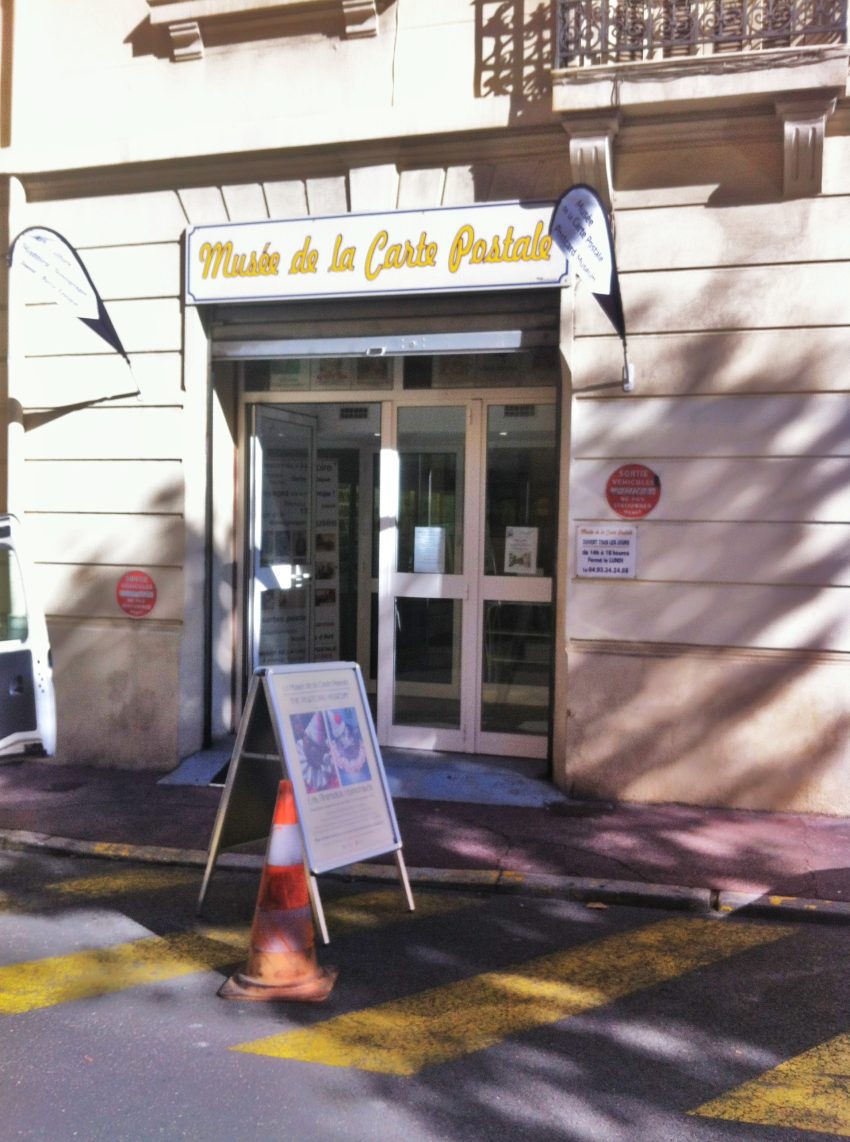
Tucked just outside Antibes' Old Town, the Musée de la Carte Postale is a small, specialist museum that uses vintage postcards to tell big stories—about everyday life, travel, fashion, work, and changing society across decades. It's close enough to the center that it fits easily into a day of exploring Antibes on foot.
This is the kind of place that shines on a walking tour of central Antibes: pair it with a stroll through the Old Town lanes, the Provençal Market area, and the waterfront near Port Vauban for a well-rounded half-day. If you enjoy social history and small museums with personality, it's one of the most memorable stops in town.
Table of Contents
- History and Significance of the Musée de la Carte Postale
- Things to See and Do in the Musée de la Carte Postale
- How to Get to the Musée de la Carte Postale
- Practical Tips on Visiting the Musée de la Carte Postale
- Where to Stay Close to the Musée de la Carte Postale
- Is the Musée de la Carte Postale Worth Visiting?
- For Different Travelers
- FAQs for Visiting Musée de la Carte Postale
- Nearby Attractions to the Musée de la Carte Postale
History and Significance of the Musée de la Carte Postale
Postcards were once the fastest, most democratic way to share news, images, and everyday moments—part travel souvenir, part social media of their time. The museum’s collection highlights how these small printed objects captured everything from local traditions and cityscapes to humor, advertising, and major historical shifts.
What makes the Musée de la Carte Postale feel significant is its human scale: it's not a grand institution, but a focused collection built with deep enthusiasm. The result is a museum that turns “small” artifacts into a surprisingly rich lens on French life from the early 1900s onward.
Because postcards blend image, design, and message, the museum also sits at an interesting crossroads of photography, graphic arts, and popular culture. Even if you don’t collect postcards, you’ll likely recognize the way they preserve details that bigger history museums often skip.
Things to See and Do in the Musée de la Carte Postale
Start by following the museum’s audio-guided flow, which helps you read postcards as more than pretty pictures—look for how clothing, street scenes, transport, and signage change over time. The commentary adds context and makes the visit feel curated rather than like flipping through drawers.
Spend time with the themed groupings: they’re where the museum becomes most immersive, connecting postcards to social history, humor, and everyday rituals. If you like design, pay attention to typography, color styles, and the evolution of printing techniques.
Finally, don’t rush the temporary exhibition area if one is running during your visit. It’s a good way to see the collection “remixed” around a single theme, and it often highlights details you might otherwise miss.
How to Get to the Musée de la Carte Postale
The nearest major airport is Nice Côte d'Azur Airport (NCE), with frequent onward connections to Antibes. For the best deals and a seamless booking experience, check out these flights to Antibes on Booking.com.
Antibes is well connected by rail; take a train to Antibes station, then walk or use a short local connection to reach the museum. You can use SNCF Connect to check schedules, compare routes, and purchase tickets for National (SNCF ) and regional trains (TER). For a more streamlined experience, we recommend using Omio, which allows you to easily compare prices, schedules, and book tickets for both National and Regional travel across all of Europe, all in one place.
If you're driving, Antibes is straightforward to reach via the A8, and you can use nearby paid parking before continuing on foot to the museum. If you are looking to rent a car in France I recommend having a look at Discover Cars, first, as they compare prices and review multiple car rental agencies for you.
Practical Tips on Visiting the Musée de la Carte Postale
- Official website: https://museedelacartepostale.fr/
- Entrance fee: Adults: €8; Under 12: free; Groups (10+): €6 per person.
- Opening hours: Tuesday – Sunday: 14:00–18:00. Closed on Monday.
- Best time to visit: Aim for early afternoon opening if you want a calmer, more focused visit with time to listen to the audio guide without feeling rushed.
- How long to spend: Plan for about 60–90 minutes, especially if you like to follow the full audio-guided route.
- Accessibility: Expect a compact, indoor museum experience; if you have specific mobility or hearing needs, it’s worth checking arrangements in advance.
- Facilities: Bring water in warm months and plan a café stop before or after; the museum visit is best enjoyed unhurried.
Where to Stay Close to the Musée de la Carte Postale
Base yourself in central Antibes (Old Town/near Port Vauban) for the easiest walkable access to sights, restaurants, and the museum.
Hôtel La Villa Port d’Antibes & Spa A polished, modern stay near the port with a spa feel—great if you want comfort after a day of walking the Old Town.
Hôtel Le Collier A practical, well-located option close to the station area, handy if you’re arriving by train and want easy logistics.
Hôtel Josse A friendly base near the seafront—ideal if you want to mix museum time with coastal walks and beach breaks.
Hôtel de l’Étoile A simple, central choice that keeps you close to the action without paying premium Old Town prices.
Royal Antibes A higher-end pick with a resort-like vibe near the water—best for travelers who want the Riviera feel alongside culture.
Is the Musée de la Carte Postale Worth Visiting?
Yes—especially if you enjoy niche museums, design, photography, or social history. The audio-guided format and carefully arranged displays turn what could be a quick curiosity into a genuinely absorbing visit, and it's an easy add-on to an Antibes walking day.
Honest Pivot: If you’re short on time and prefer big-name “must-sees,” you might be happier prioritizing Antibes’ Old Town atmosphere, the market area, and seaside viewpoints instead. It’s also not ideal if you dislike reading/listening-based museums and want highly interactive exhibits.
What Other Travellers Say...

Reviews are overwhelmingly enthusiastic, with visitors calling it a unique “hidden gem” and praising how thoughtfully the collection is curated. Common highlights include the immersive audio-guide format, the owner/curator’s passion and storytelling, and the way postcards bring French social history to life. A recurring downside is timing: some visitors note you need more than a quick hour to do it justice, so arriving late in the day can feel rushed.


For Different Travelers
This museum rewards curiosity more than checklist sightseeing. Because it’s compact and audio-guided, it works best for travelers who like to slow down and notice details.
Families with Kids
For kids who enjoy “spot the difference” games, the postcards can be surprisingly engaging—old vehicles, outfits, and street scenes are easy conversation starters. Keep the visit shorter and focus on the most visual sections rather than trying to hear every audio segment.
If your family prefers hands-on exhibits, consider pairing this with an outdoor break right after (Old Town lanes, port views, or a playground stop) to balance the quieter museum pace.
Couples & Romantic Getaways
This is a great rainy-day or mid-afternoon stop between long lunches and waterfront strolls. The postcards naturally spark conversation—what travel looked like, how people flirted or joked in messages, and how the Riviera sold itself over time.
Pair it with a walk toward Port Vauban or a sunset viewpoint afterward for a relaxed, low-effort cultural date.
Budget Travelers
The museum is a strong value if you like focused collections, because it can replace a pricier “big museum” day while still feeling distinctive. Its central location also helps you save on transport—walk there as part of your Antibes loop.
To keep costs down, combine it with free highlights nearby: Old Town wandering, harbor views, and beach time depending on the season.
History Buffs
If you like history from the ground up—daily life, popular culture, and how places presented themselves—this museum is a treat. Postcards capture details that rarely make it into textbooks: street advertising, uniforms, leisure habits, and the evolution of tourism.
Take your time with the audio guide and look for patterns across decades; it’s one of the best “small museums” for understanding how people actually lived and traveled.
FAQs for Visiting Musée de la Carte Postale
Getting There
Tickets & Entry
Visiting Experience
Tours, Context & Itineraries
Photography
Accessibility & Facilities
Food & Breaks Nearby
Safety & Timing
Nearby Attractions to the Musée de la Carte Postale
- Marché Provençal (Antibes Old Town market): A lively spot for local produce, snacks, and the everyday rhythm of Antibes.
- Port Vauban: One of the Mediterranean's best-known marinas, great for a stroll and boat-watching.
- Antibes Old Town (Vieil Antibes): A maze of charming lanes, small shops, and classic Riviera atmosphere.
- Plage de la Gravette: A sheltered, family-friendly beach close to the Old Town.
- Fort Carré: A historic fort with strong viewpoints and a different perspective on Antibes’ coastline.
The Musée de la Carte Postale appears in our Complete Guide to Visiting Antibes!

Moira & Andy
Hey! We're Moira & Andy. From hiking the Camino to trips around Europe in Bert our campervan — we've been traveling together since retirement in 2020!
This website uses affiliate links which may earn a commission at no additional cost to you!
Planning Your Visit
Tuesday - Sunday: 14:00-18:00.
Closed on Monday.
Adults: €8; Under 12: free; Groups (10+): €6 per person.
Nearby Attractions
- Antibes Place Général de Gaulle (0.3) km
Area, Attraction and Square - Antibes Rue de la République (0.3) km
Area, Street and Walk - Chapelle Saint Bernardin (0.4) km
Church, Historic Building and Religious Building - Antibes Place nationale (0.5) km
Area, Market and Square - Esplanade du Pré des Pêcheurs (0.5) km
Activity and Attraction - Marché provençal (0.6) km
Attraction, Bazaar and Market - Port Vauban (0.6) km
Harbour, Marina and Port - Musée Picasso (0.6) km
Castle, Historic Building and Museum - Antibes Cathedral (0.6) km
Cathedral, Church and Religious Building - Plage de la Gravette (0.7) km
Attraction, Beach and Harbour