Musée d'archéologie d'Antibes
Historic Building, Historic Site and Museum in Antibes

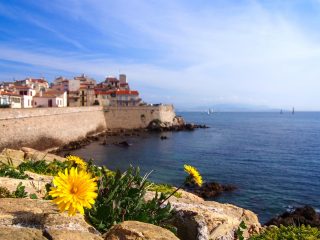
Tucked into Antibes' historic ramparts, the musée d'archéologie d'Antibes is a compact museum set inside the Bastion Saint-André, a stone fortification just steps from the Old Town and the Mediterranean. It's the kind of place you can miss if you're not looking for it, but once inside you'll find a focused collection of artifacts that bring ancient Antipolis to life.
This museum works especially well as a quick cultural stop on a walking tour of Antibes: pair it with a stroll along the Promenade Amiral de Grasse, the Old Town lanes, and nearby viewpoints over the sea. If you're choosing the best places to see in a limited time, this is a smart add-on for anyone curious about Roman-era Antibes without committing to a long museum day.
Table of Contents
- History and Significance of the musée d’archéologie d’Antibes
- Things to See and Do in the musée d’archéologie d’Antibes
- How to Get to the musée d’archéologie d’Antibes
- Practical Tips on Visiting the musée d’archéologie d’Antibes
- Where to Stay Close to the musée d’archéologie d’Antibes
- Is the musée d’archéologie d’Antibes Worth Visiting?
- For Different Travelers
- FAQs for Visiting musée d’archéologie d’Antibes
- Nearby Attractions to the musée d’archéologie d’Antibes
History and Significance of the musée d’archéologie d’Antibes
The musée d'archéologie d'Antibes was created in the 1960s and installed in the Bastion Saint-André, a defensive structure that forms part of Antibes' fortified coastline. The setting matters: vaulted stone spaces and thick walls create a natural atmosphere for ancient objects, and the building itself is a reminder of how strategically important this stretch of coast has been for centuries.
The museum's significance comes from its local focus. Rather than trying to cover all of classical antiquity, it concentrates on what was found in and around Antibes, including discoveries from land excavations and underwater archaeology. That emphasis helps you connect the dots between the modern resort town and the ancient settlement of Antipolis.
Because the collection is rooted in local digs, the visit also adds context to what you see outside: the street grid of the Old Town, the shoreline, and the defensive works all make more sense when you understand the layers of Greek and Roman presence that shaped the area.
Things to See and Do in the musée d’archéologie d’Antibes
Expect a small but rewarding set of displays, with Greek and Roman artifacts that feel closely tied to the city’s everyday past. Many visitors highlight the Roman mosaic as a standout, and it’s a great anchor point for imagining domestic life in Roman Antipolis.
Another theme that makes this museum memorable is the maritime angle. Antibes’ coastline has long been busy, and finds connected to shipwrecks and underwater exploration help tell that story in a tangible way. If you’ve been walking by the harbor or along the ramparts, the objects here can feel like the “behind the scenes” of what the sea has carried and kept.
To get the most out of a short visit, do a quick loop first, then circle back to the pieces that catch your eye. If you don’t read French, you may want to focus on the most visual displays and use your phone’s translation tools for labels when needed.
How to Get to the musée d’archéologie d’Antibes
The nearest major airport is Nice Côte d'Azur Airport (NCE), with Cannes–Mandelieu Airport (CEQ) useful for limited regional and private flights. For the best deals and a seamless booking experience, check out these flights to Antibes on Booking.com.
From elsewhere in the Riviera, Antibes is easy by rail: take a TER regional train to Antibes station, then continue on foot or by local bus/taxi toward the Old Town and ramparts. You can use SNCF Connect to check schedules, compare routes, and purchase tickets for National (SNCF ) and regional trains (TER). For a more streamlined experience, we recommend using Omio, which allows you to easily compare prices, schedules, and book tickets for both National and Regional travel across all of Europe, all in one place.
If you’re driving, aim for public parking on the edge of the Old Town and finish the last stretch on foot, as the historic center has narrow streets and limited access. If you are looking to rent a car in France I recommend having a look at Discover Cars, first, as they compare prices and review multiple car rental agencies for you.
Practical Tips on Visiting the musée d’archéologie d’Antibes
- Official website: https://www.antibes-juanlespins.com/sorties-loisirs/antibes-ville-de-culture/les-musees/le-musee-darcheologie
- Entrance fee: Adults: €5; Reduced: €3; Under 18: free.
- Opening hours: Monday: Closed. Tuesday – Sunday: 10:00–13:00 & 14:00–17:30.
- Best time to visit: Go in the morning right at opening or mid-afternoon after lunch to avoid the busiest Old Town flow and to enjoy the galleries at a relaxed pace.
- How long to spend: Plan 20–45 minutes for a satisfying visit; keen archaeology fans can stretch it to about an hour by reading closely.
- Accessibility: The museum is in a historic bastion, so expect some constraints typical of old stone buildings; confirm step-free access details in advance if needed.
- Facilities: Keep expectations modest: it’s a small museum, so amenities are limited, but you’ll find plenty of cafés and rest stops nearby in the Old Town.
Where to Stay Close to the musée d’archéologie d’Antibes
Base yourself in Antibes Old Town if you want the easiest walk to the museum, the ramparts, and evening dining.
For a classic, central stay with a polished boutique feel, consider a property right in the historic core so you can pop in and out of museums between swims and market visits. Hôtel La Place
If you want something intimate and design-forward near the Old Town lanes, a small boutique hotel makes it easy to start early before day-trippers arrive. Hôtel Le Relais du Postillon
For travelers who prioritize a well-known, full-service option close to the center (and a straightforward base for day trips), a larger hotel can be a comfortable pick. Royal Antibes
If you’d like a quieter residential feel while staying within an easy walk of the ramparts, look for a refined small hotel slightly back from the busiest streets. Hôtel Josse
For a budget-friendly, no-fuss base that still keeps you close to the station and walkable to the Old Town, a simple central hotel is practical. Hôtel de l’Étoile
Is the musée d’archéologie d’Antibes Worth Visiting?
Yes, especially if you like adding “meaning” to a seaside stroll. It’s small, affordable by Riviera standards, and the setting inside the Bastion Saint-André gives the visit a strong sense of place—ideal for a short, culture-forward break between beaches, markets, and viewpoints.
Honest Pivot: If you prefer large, highly interactive museums, or you rely heavily on English-language interpretation, you may find the visit too brief and the labeling uneven. In that case, you might be happier spending your time on the ramparts, the Picasso Museum, or simply enjoying the Old Town atmosphere.
What Other Travellers Say...

Reviews suggest a positive overall experience for a small, quick museum visit, often described as ideal if you have 15–45 minutes. Travelers commonly praise the Greek and Roman artifacts, highlights like a Roman mosaic, and interesting finds connected to shipwrecks and the local coastline. The most frequent drawbacks are the small size (some feel the ticket price is a bit high for how fast you can finish) and limited English translations on exhibit text; a few also note midday closure and a somewhat hard-to-spot entrance.


For Different Travelers
The musée d'archéologie d'Antibes is a flexible stop: quick enough to fit into a packed Riviera itinerary, but specific enough to feel like you discovered something local. It works best when you treat it as part of a wider Old Town walk rather than a standalone “big museum” destination.
Families with Kids
For families, the biggest advantage is the short visit time: you can keep it light and still feel like you did something cultural. The most engaging moments tend to be the visually striking pieces, like mosaics and objects tied to the sea.
To make it smoother with kids, set a simple scavenger-hunt goal (spot a mosaic pattern, find something from a shipwreck, choose a favorite object). Then reward the effort with gelato or a beach stop nearby.
Couples & Romantic Getaways
Couples will appreciate how easy it is to weave this museum into a scenic day: ramparts, sea views, a quick museum loop, then a long lunch. The bastion setting adds a quiet, tucked-away feel that contrasts nicely with the lively Old Town streets.
If you’re planning a romantic itinerary, use the museum as a calm reset between photo stops and shopping. It’s also a good rainy-day or windy-day alternative when the waterfront isn’t as comfortable.
Budget Travelers
Budget travelers often like this museum because it’s a low-commitment paid attraction: you get a meaningful slice of local history without spending half a day. It also pairs well with free activities like walking the ramparts and exploring the Old Town.
To keep costs down, plan your day around walkable sights and skip taxis. Combine the museum with a picnic from the Provençal Market and you’ll have a full, affordable afternoon.
History Buffs
History buffs will enjoy the museum’s tight focus on Antipolis and the way the objects connect to the city’s geography. The local excavation and underwater finds make the story feel grounded in place rather than generic.
If you’re especially interested in Roman daily life, give yourself time to linger on the domestic elements and any architectural fragments. You’ll get the most value by visiting after you’ve already walked the Old Town, so you can mentally map artifacts to streets and shoreline.
FAQs for Visiting musée d’archéologie d’Antibes
Getting There
Tickets & Entry
Visiting Experience
Tours, Context & Itineraries
Photography
Accessibility & Facilities
Food & Breaks Nearby
Safety & Timing
Nearby Attractions to the musée d’archéologie d’Antibes
- Antibes Ramparts (Remparts): A scenic seaside walk with classic views over the Mediterranean and the Old Town walls.
- Musée Picasso (Château Grimaldi): A major cultural stop in Antibes, pairing art with a dramatic historic setting.
- Marché Provençal: A lively market for local produce, snacks, and souvenirs that's perfect for a picnic plan.
- Port Vauban: One of the Riviera's most famous marinas, great for a stroll and boat-watching.
- Plage de la Gravette: A small, sheltered beach close to the Old Town, ideal for a quick swim after sightseeing.
The Musée d'archéologie d'Antibes appears in our Complete Guide to Visiting Antibes!

Moira & Andy
Hey! We're Moira & Andy. From hiking the Camino to trips around Europe in Bert our campervan — we've been traveling together since retirement in 2020!
This website uses affiliate links which may earn a commission at no additional cost to you!
Planning Your Visit
Monday: Closed.
Tuesday - Sunday: 10:00-13:00 & 14:00-17:30.
Adults: €5; Reduced: €3; Under 18: free.
Nearby Attractions
- Musée Picasso (0.4) km
Castle, Historic Building and Museum - Antibes Place nationale (0.4) km
Area, Market and Square - Antibes Rue de la République (0.4) km
Area, Street and Walk - Marché provençal (0.4) km
Attraction, Bazaar and Market - Antibes Cathedral (0.4) km
Cathedral, Church and Religious Building - Chapelle Saint Bernardin (0.5) km
Church, Historic Building and Religious Building - Antibes Place Général de Gaulle (0.5) km
Area, Attraction and Square - Plage de la Gravette (0.7) km
Attraction, Beach and Harbour - Esplanade du Pré des Pêcheurs (0.7) km
Activity and Attraction - Musée de la Carte Postale (0.8) km
Museum