Mozarthaus, Vienna
Historic Building, Historic Site and Museum in Vienna
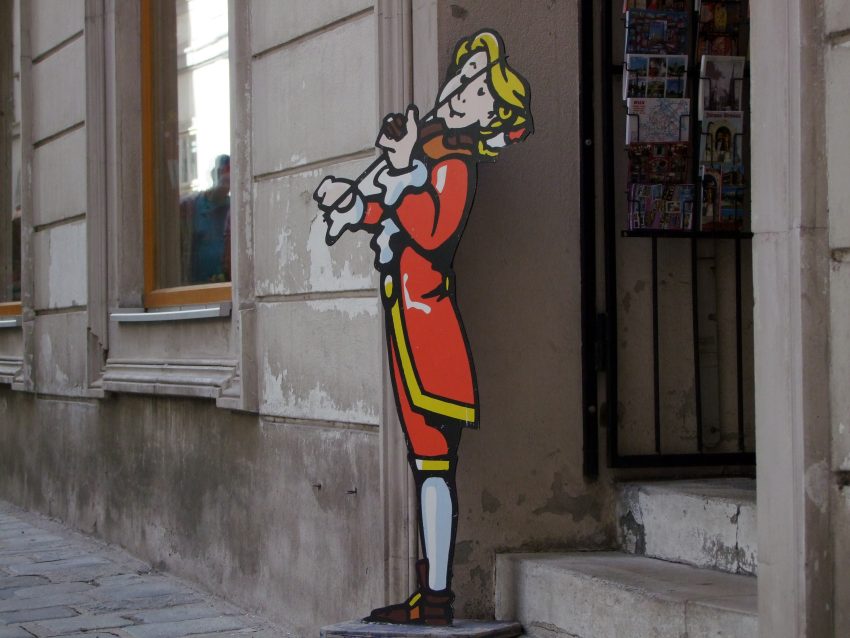
Mozarthaus Vienna is a small but richly curated museum in the city's historic center, set inside the only preserved apartment where Wolfgang Amadeus Mozart lived in Vienna. Tucked just behind St. Stephen's Cathedral on Domgasse, it's an easy stop between Old Town highlights and a natural add-on to a first-day stroll through the Innere Stadt.
Even if you're not a classical-music expert, the museum works well as a compact, story-driven visit with an audio guide and thoughtfully designed rooms. It also fits neatly into many Vienna walking tours that loop around Stephansplatz, the Graben, and nearby lanes packed with cafés and shops.
Table of Contents
- History and Significance of the Mozarthaus
- Things to See and Do in the Mozarthaus
- How to Get to the Mozarthaus
- Practical Tips on Visiting the Mozarthaus
- Where to Stay Close to the Mozarthaus
- Is the Mozarthaus Worth Visiting?
- For Different Travelers
- FAQs for Visiting Mozarthaus
- Nearby Attractions to the Mozarthaus
History and Significance of the Mozarthaus
Mozarthaus matters because it's the one Vienna residence of Mozart's that still exists in its original location. Vienna was the center of his professional life for years, but most of his addresses have disappeared or changed beyond recognition—so this apartment offers a rare, tangible anchor to his day-to-day world.
Inside, the museum places the apartment in the broader context of Mozart's Vienna: the city's musical scene, patronage networks, and the practical realities of working as a composer and performer. Rather than relying on “relic” objects, it focuses on narrative, sound, and context—helpful for visitors who want more than a quick photo stop.
The result is a visit that complements Vienna’s big-ticket music institutions (like the opera and concert halls) by showing the domestic scale behind the public genius. It’s especially rewarding if you’ve already been listening to Mozart on your trip and want a place that makes the music feel geographically real.
Things to See and Do in the Mozarthaus
Start with the preserved apartment spaces themselves, which give you a sense of layout and atmosphere—what it might have felt like to live and work in a central Vienna building. The audio guide helps connect each area to Mozart's routines and the city outside the windows.
Beyond the apartment, the museum’s exhibition areas add depth with timelines, listening stations, and thematic displays that explain Vienna’s musical ecosystem. If you’re traveling with someone who’s less enthusiastic about classical music, these sections are often what keeps the visit engaging because they’re designed to be accessible and visual.
If you have time, treat Mozarthaus as part of a “music corridor” walk: pair it with a loop around Stephansplatz and the Graben, then continue toward the Musikverein or the Vienna State Opera area later in the day. It's a satisfying way to connect the museum to the places where Vienna's music culture still plays out nightly.
How to Get to the Mozarthaus
Vienna International Airport (VIE) is the main gateway for most travelers arriving by air. For the best deals and a seamless booking experience, check out these flights to Vienna on Booking.com.
If you’re coming from other Austrian or Central European cities, Vienna’s main rail hubs (Wien Hauptbahnhof and Wien Westbahnhof) make train travel straightforward, with easy onward connections into the center. You can easily check timetables and book train tickets through the ÖBB (Austrian Federal Railways) website. However, for a smoother experience, we recommend using Omio, which simplifies the booking process and lets you compare routes, prices, and departure times all in one place.
Driving into central Vienna is rarely the easiest option due to traffic, parking constraints, and paid zones, so it's best to park outside the core and continue by public transport. If you are looking to rent a car in Austria I recommend having a look at Discover Cars, first, as they compare prices and review multiple car rental agencies for you.
Once you're in the Innere Stadt, Mozarthaus is a short walk from Stephansplatz, making it ideal to reach on foot as part of a city-center day. The closest U-Bahn access is typically via Stephansplatz (U1/U3), followed by a quick walk through the surrounding lanes.
Practical Tips on Visiting the Mozarthaus
- Official website: https://www.mozarthausvienna.at/en/
- Entrance fee: Adults: €16; Reduced: €12; Children and teenagers up to 19: €4.50; Family ticket (2 adults + up to 3 children): €35.
- Opening hours: Daily: 10:00–19:00.
- Best time to visit: Go earlier in the day for a calmer, more contemplative experience, especially if you want to linger with the audio guide. Late afternoon can also be pleasant if you’re pairing it with an evening concert nearby.
- How long to spend: Plan for about 45–90 minutes depending on how deeply you use the audio guide and how much time you spend in the exhibition sections.
- Accessibility: The museum is barrier-free, but it’s still worth checking on arrival for the smoothest route through the building and exhibits.
- Facilities: Expect a ticket desk and visitor amenities typical of a small central museum; plan café breaks outside, as the surrounding streets have plenty of options.
Where to Stay Close to the Mozarthaus
Base yourself in Vienna's 1st District (Innere Stadt) for the easiest walks to Mozarthaus, Stephansplatz, and many of the city's headline sights.
If you want maximum convenience, staying nearby means you can visit Mozarthaus at a quiet hour and still have time for coffee stops, shopping streets, and evening performances without relying on transit. For a classic, central-luxury feel with strong service, consider: Hotel Sacher Wien
For a refined, historic atmosphere close to the old town lanes and cultural venues, this is a standout pick: Hotel Imperial, a Luxury Collection Hotel, Vienna
If you like modern design with a central address and easy access to the cathedral area, this option is a stylish base: DO & CO Hotel Vienna
For travelers who want a dependable, well-located hotel with a polished, contemporary feel and strong transport links, this is a practical choice: Austria Trend Hotel Europa Wien
If you’re looking for a comfortable, good-value stay just outside the very center while still being walkable or a quick ride away, this is a solid option: Motel One Wien-Staatsoper
Is the Mozarthaus Worth Visiting?
Yes—Mozarthaus is worth visiting if you want a focused, high-context Mozart stop that feels genuinely tied to place, not just a generic “composer museum.” It's compact, central, and easy to fit between major Old Town sights, and the audio guide format makes it approachable even if you're not deeply into classical music.
Honest Pivot: If you dislike museums that rely more on storytelling and interpretation than on large collections of original artifacts, you may find it underwhelming. Also skip it if your schedule is already overloaded with Vienna’s larger museums and you’d rather prioritize grand interiors like palaces and major art collections.
What Other Travellers Say...

Restored 1700s apartment museum where Mozart lived & composed, with an audio tour & a souvenir shop.


For Different Travelers
Mozarthaus works best when you treat it as a short, meaningful chapter in a broader Vienna day—especially one that includes a walk through the Innere Stadt and, ideally, some live music later. Because it's not huge, it's also a good “between sights” visit that won't drain your energy.
Families with Kids
For families, the biggest advantage is the manageable size: it’s easier to keep attention here than in an all-day museum. The audio guide can help structure the visit, giving kids a clear “next stop” rhythm.
That said, very young children may not connect with the historical context unless you keep the pace brisk and focus on the idea of “where Mozart lived” rather than detailed timelines. Pair it with a treat nearby around Stephansplatz to keep the day balanced.
Couples & Romantic Getaways
Mozarthaus is a great prelude to an evening concert or a classic Vienna date night, because it sets a mood without taking over the day. The surrounding streets are ideal for a slow wander, a café stop, and a scenic walk toward the Ring.
If you're building a romantic itinerary, use Mozarthaus as the “story” element, then follow it with a beautiful setting—like a candlelit dinner or a performance—so the history turns into a lived experience.
Budget Travelers
Budget travelers will appreciate that Mozarthaus is centrally located, so you can reach it on foot while sightseeing in the 1st District. It's also a contained visit, so you're not committing to an expensive, time-consuming attraction.
To keep costs down, plan your day as a walking loop: cathedral area, Mozarthaus, then free city-center wandering and window-shopping. Save paid experiences for one or two high-priority splurges, like a concert you really care about.
History Buffs
History buffs will enjoy Mozarthaus most when they approach it as a slice of urban social history: how a working composer lived, moved, and operated within Vienna's cultural economy. The museum's context helps connect the apartment to the city's broader 18th-century story.
If you like building a timeline across a trip, Mozarthaus pairs well with other Vienna “life and place” museums, because it adds a personal-scale counterpoint to the city's imperial grandeur.
FAQs for Visiting Mozarthaus
Getting There
Tickets & Entry
Visiting Experience
Tours, Context & Itineraries
Photography
Accessibility & Facilities
Food & Breaks Nearby
Safety & Timing
Nearby Attractions to the Mozarthaus
- St. Stephen's Cathedral (Stephansdom): Vienna's iconic Gothic landmark, just steps away, with soaring architecture and a lively square.
- Stephansplatz: The city-center hub for walking routes, shopping streets, and quick access to the U-Bahn.
- Graben: A classic central promenade lined with elegant buildings, shops, and a strong “old Vienna” atmosphere.
- Hofburg Palace: The former imperial complex with museums and grand courtyards, reachable on foot from the old town core.
- Vienna State Opera: A must-see for music lovers, ideal to pair with Mozarthaus for a full “Mozart-to-modern Vienna” day.
The Mozarthaus appears in our Complete Guide to Visiting Vienna!

Moira & Andy
Hey! We're Moira & Andy. From hiking the Camino to trips around Europe in Bert our campervan — we've been traveling together since retirement in 2020!
This website uses affiliate links which may earn a commission at no additional cost to you!
Planning Your Visit
Daily: 10:00-19:00.
Adults: €16; Reduced: €12; Children and teenagers up to 19: €4.50; Family ticket (2 adults + up to 3 children): €35.
Nearby Attractions
- Church of the Teutonic Order (0.1) km
Church, Historic Site and Museum - Stephansdom (0.2) km
Cathedral, Church and Religious Building - Stephansplatz (0.2) km
Square - Haas House (0.2) km
Attraction, Historic Building and Notable Building - Karntner Straße (0.3) km
Area, Street and Walk - Graben Street (0.4) km
Area, Promenade and Street - Peterskirche (0.4) km
Church, Historic Building and Religious Building - Imperial Crypt (0.4) km
Historic Site and Museum - Haus der Musik (0.5) km
Museum - Demel (0.6) km
Attraction, Café and Shop