Mozart Residence, Salzburg
Attraction, Historic Building and Museum in Salzburg
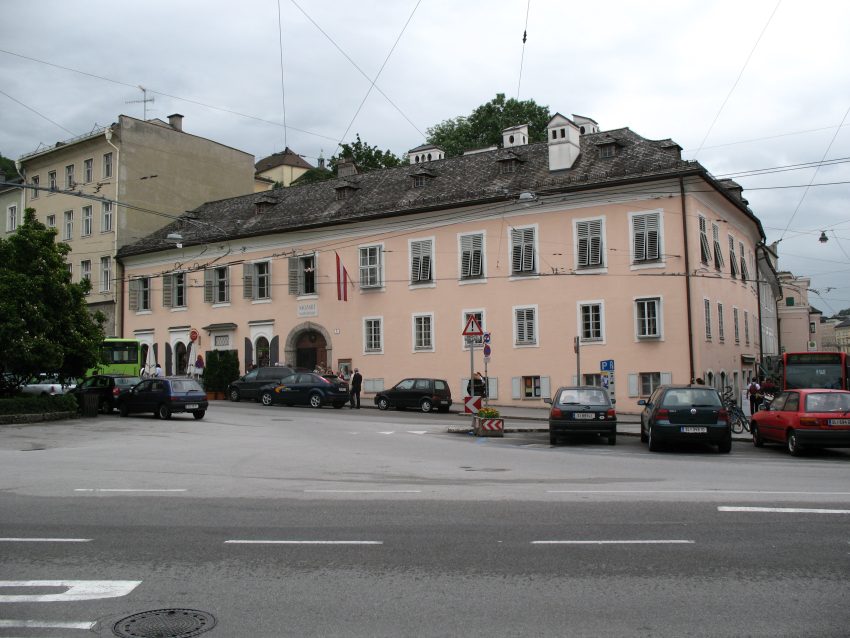
The Mozart Residence (Mozart-Wohnhaus) is one of Salzburg's essential Mozart stops, set on Makartplatz just a short walk from the Old Town's riverfront and shopping streets. This is where the Mozart family lived from 1773, and today it's a modern, well-curated museum that adds depth and context beyond the famous birthplace.
It's an easy fit on a Salzburg walking tour: pair it with Mozart's Birthplace on Getreidegasse, a stroll through the Old Town, and a quick look at nearby Mirabell Gardens for classic city views. If you're choosing just a few “best places to see” in central Salzburg, the Mozart Residence is one of the most rewarding for music and history lovers.
Table of Contents
- History and Significance of the Mozart Residence
- Things to See and Do in the Mozart Residence
- How to Get to the Mozart Residence
- Practical Tips on Visiting the Mozart Residence
- Where to Stay Close to the Mozart Residence
- Is the Mozart Residence Worth Visiting?
- For Different Travelers
- FAQs for Visiting Mozart Residence
- Nearby Attractions to the Mozart Residence
History and Significance of the Mozart Residence
The building is known as the former Tanzmeisterhaus, and it became the Mozart family's home in 1773, offering them a larger apartment and a more comfortable base during Wolfgang Amadé Mozart's formative Salzburg years. Visiting helps you understand the family's daily rhythms, the city's cultural life, and the environment that shaped Mozart before his permanent departure from Salzburg.
The museum is run by the International Mozarteum Foundation, which is central to preserving Mozart's legacy in Salzburg through collections, research, and public programming. That stewardship shows in the museum's balance of biography, original objects, and carefully explained context rather than “tourist-trap” storytelling.
The site also speaks to Salzburg’s 20th-century history: the building was partially destroyed during World War II and later rebuilt, reopening as a museum in the 1990s. Today, it functions as both a historic address and a living cultural institution, with rotating exhibitions that keep repeat visits worthwhile.
Things to See and Do in the Mozart Residence
Start with the core exhibition spaces that trace Mozart's Salzburg years through family history, letters, portraits, and interpretive displays that make the 18th century feel surprisingly tangible. Even if you've already visited Mozart's Birthplace, the Residence typically feels calmer and more spacious, making it easier to read, linger, and connect the dots.
Don’t miss the courtyard features and special exhibition areas when they’re running; these often spotlight a specific theme (opera, instruments, performance history, or Mozart reception) and add a fresh angle beyond the standard “life and works” timeline. If you enjoy listening as you learn, plan to use the museum’s audio elements to anchor what you’re seeing.
If you’re building a Mozart-focused day, the Residence works best as your “deeper dive” stop: do the Birthplace for the headline story, then come here for the richer family and cultural context. Many travelers find the combined-ticket approach ideal, since it turns two separate museums into one cohesive narrative.
How to Get to the Mozart Residence
Salzburg Airport (SZG) is the closest airport; Munich Airport (MUC) is a common alternative for more flight options. For the best deals and a seamless booking experience, check out these flights to Salzburg on Booking.com.
Salzburg Hauptbahnhof (main station) is well connected by rail, and from there you can reach the center by local transit or a straightforward walk depending on your luggage and pace. You can easily check timetables and book train tickets through the ÖBB (Austrian Federal Railways) website. However, for a smoother experience, we recommend using Omio, which simplifies the booking process and lets you compare routes, prices, and departure times all in one place..
If you're arriving by car, aim for a garage/paid parking area outside the tightest Old Town core and continue on foot to Makartplatz to avoid congestion and limited street parking. If you are looking to rent a car in Austria I recommend having a look at Discover Cars, first, as they compare prices and review multiple car rental agencies for you.
Practical Tips on Visiting the Mozart Residence
- Official website: https://mozarteum.at/en/mozart-museums/mozarts-residence
- Entrance fee: Adults: €15; Reduced (groups of 10+, students & seniors): €12; Ages 15–18: €5; Ages 6–14: €4.50; Under 6: free; Family (2 adults with children): €30; Salzburg Card: free entry.
- Opening hours: Daily: 09:00–17:30.
- Best time to visit: Go earlier in the day for a quieter experience, or later afternoon if you want to avoid peak tour groups.
- How long to spend: Plan about 60–90 minutes for the museum, longer if you like reading every panel or catching a special exhibition.
- Accessibility: The museum is barrier-free via the Theatergasse entrance; call staff on arrival if you need the accessible entry opened.
- Facilities: Expect a ticket desk and museum basics; for a longer break, plan a café stop nearby in the Neustadt/Makartplatz area.
Where to Stay Close to the Mozart Residence
Base yourself in central Salzburg (Altstadt/Neustadt around the river) for the easiest walking access to the Mozart sights, Mirabell, and evening dining.
Hotel Sacher Salzburg A classic splurge with river views and an unbeatable central location for walking to Makartplatz, the Old Town, and concert venues.
IMLAUER Hotel Pitter Salzburg A polished, reliable choice near the train station and Mirabell area, great if you want easy arrivals plus quick access to the Mozart Residence.
Hotel Bristol Salzburg A heritage-style stay practically next door to the Mozart Residence, ideal if you want to step out and be at the museum in minutes.
Motel One Salzburg-Mirabell A strong value pick with a stylish feel, walkable to both the Residence and the Old Town without paying premium historic-core rates.
NH Collection Salzburg City A comfortable midrange base in the Neustadt with good amenities and an easy walk to Makartplatz, shops, and restaurants.
Is the Mozart Residence Worth Visiting?
Yes, especially if you want more than a quick “Mozart photo stop.” The Mozart Residence is one of Salzburg's most satisfying museums because it combines a meaningful historic address with thoughtful interpretation, and it's easy to slot into a half-day of walking between the Old Town and Mirabell.
Honest Pivot: If you’re not interested in Mozart, classical music, or 18th-century cultural history, you may find it too text-and-exhibit focused compared with Salzburg’s big scenic hits. In that case, prioritize viewpoints, the fortress, or a lakes-and-mountains day trip and keep Mozart to a brief exterior stop.
What Other Travellers Say...

Housed in Mozart's old home, this museum displays artifacts dedicated to the composer's life.


For Different Travelers
The Mozart Residence works well for many travel styles because it's central, weather-proof, and easy to combine with other top sights. Your enjoyment mostly depends on how much you like museums and how curious you are about Mozart beyond the highlights.
Families with Kids
For families, the museum can be a good “one-hour culture stop” between parks and pastries, especially if you keep the pace brisk and focus on the most visual rooms. It's also helpful that the location is central, so you can quickly pivot to Mirabell Gardens afterward.
That said, very young kids may tire of display cases and reading-heavy sections. Consider pairing the visit with a short, kid-friendly walking route (river, bridges, gardens) so the day doesn't become museum-only.
Couples & Romantic Getaways
Couples who enjoy music, history, and elegant city strolling will find the Mozart Residence an easy win. It's close to beautiful streets for a post-visit wander, and it naturally sets up an evening concert plan.
If you're building a romantic itinerary, use the museum as a daytime anchor, then transition to a café, a riverside walk at golden hour, and a performance in the evening for a very “Salzburg” date.
Budget Travelers
Budget travelers will like that the museum is walkable from many central neighborhoods, so you can save on transport. It also fits neatly into a self-guided day of free or low-cost sights nearby (Old Town wandering, viewpoints, gardens).
If you're watching costs, consider whether a combined ticket with Mozart's Birthplace makes sense for your schedule, since it can be more efficient than buying separately if you plan to do both.
History Buffs
History-focused visitors will appreciate how the museum connects Mozart’s personal story to Salzburg’s social and cultural landscape. It’s not just “composer worship”; it’s a window into an 18th-century household, patronage, and the city’s role in shaping talent.
To deepen the experience, treat this as part of a broader historical walk: compare the Residence to the Old Town’s ecclesiastical power centers and the civic spaces that framed everyday life in Mozart’s era.
FAQs for Visiting Mozart Residence
Getting There
Tickets & Entry
Visiting Experience
Tours, Context & Itineraries
Photography
Accessibility & Facilities
Food & Breaks Nearby
Safety & Timing
Nearby Attractions to the Mozart Residence
- Mirabell Palace and Gardens: A short walk away, famous for formal gardens, views, and an easy scenic stroll.
- Mozart's Birthplace (Getreidegasse): The iconic Mozart museum on Salzburg's most famous shopping street.
- Salzach River Promenade: A pleasant riverside walk with bridges and classic city-photo angles.
- Linzergasse: A lively nearby street for shopping, cafés, and a local feel just outside the Old Town.
- Salzburg Old Town (Altstadt): The UNESCO-listed historic core with churches, squares, and atmospheric lanes.
The Mozart Residence appears in our Complete Guide to Visiting Salzburg!

Moira & Andy
Hey! We're Moira & Andy. From hiking the Camino to trips around Europe in Bert our campervan — we've been traveling together since retirement in 2020!
This website uses affiliate links which may earn a commission at no additional cost to you!
Planning Your Visit
Daily: 09:00-17:30.
Adults: €15; Reduced (groups of 10+, students & seniors): €12; Ages 15-18: €5; Ages 6-14: €4.50; Under 6: free; Family (2 adults with children): €30; Salzburg Card: free entry.
Nearby Attractions
- Makartplatz (0.0) km
Area, Attraction and Square - Mirabell Palace and Gardens (0.1) km
Gardens, Historic Building and Palace - Kapuzinerberg (0.2) km
Mountain, Viewing Point and Walk - Mozarts Geburtshaus (0.3) km
Historic Building, Historic Site and Museum - Alter Markt (0.4) km
Area, Market and Square - Old University (0.4) km
Attraction, Historic Building and Historic Site - Buchhandlung Höllrigl (0.4) km
Attraction and Shop - Getreidegasse (0.4) km
Attraction, Historic Site and Street - Winkler Terrace (0.4) km
Promenade, Viewing Point and Walk - Steingasse (0.4) km
Area, Historic Site and Street