Maison Veuve Clicquot, Reims
Historic Site in Reims
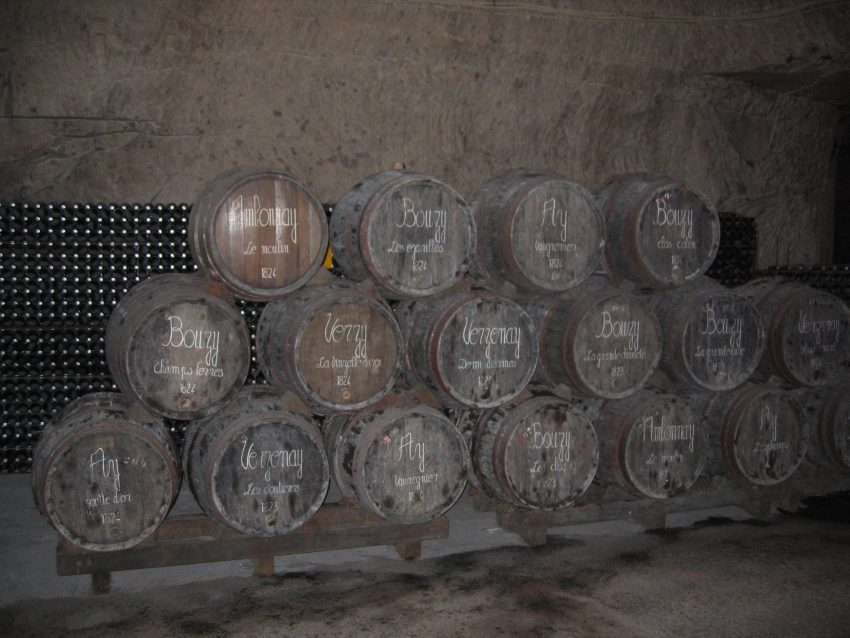
Veuve Clicquot is one of the must-see places in Reims for anyone who wants a Champagne-house visit that feels genuinely tied to history. Based in the city that most travellers think of as Champagne's capital, the maison is famous not only for its bottles, but for the story of Madame Clicquot-the “veuve” who took over young and helped define what modern Champagne could be.
The experience is anchored underground in the crayères, the cool chalk quarries that run like a hidden city beneath Reims. Walking those tunnels is a highlight of any walking tour of Reims that includes a cellar stop, because the scale and atmosphere are unforgettable: dim light, chalk walls, long galleries, and millions of bottles quietly ageing in near-perfect conditions.
Table of Contents
- History and Significance of the Veuve Clicquot
- Things to See and Do in the Veuve Clicquot
- Practical Tips on Visiting the Veuve Clicquot
- Where to Stay close to the Veuve Clicquot
- Add a Is the Veuve Clicquot Worth Visiting?
- FAQs for Visiting Veuve Clicquot
- For Different Travelers
- Nearby Attractions to the Veuve Clicquot
History and Significance of the Veuve Clicquot
Founded in the late 18th century, Veuve Clicquot became globally influential under Madame Clicquot's leadership after her husband's death. Her reputation isn't just marketing-she's remembered because she pushed Champagne forward through practical innovation and sharp decision-making in a period when that kind of authority was rare for a woman in business.
For visitors, the key idea is that Veuve Clicquot’s legacy lives in process as much as in prestige. The maison’s story is tied to the tools and methods that made Champagne clearer, more consistent, and easier to produce at scale without losing elegance. When guides talk about the house’s techniques, it doesn’t feel like trivia; it explains why certain bottles became benchmarks.
The crayères add a second layer of significance: Reims’ underground chalk is part of the region’s competitive advantage, and Veuve Clicquot’s cellars are a vivid way to understand how geology shaped Champagne culture. You come away seeing that “ageing” here isn’t a romantic concept-it’s a physical environment with real rules and real consequences in the glass.
Things to See and Do in the Veuve Clicquot
The cellar tour is the main event. Descending into the crayères, you feel the temperature drop and the sound soften, and the city above disappears almost instantly. These tunnels aren't a small, curated basement; they're expansive, with a sense of depth and continuity that makes you understand why Champagne houses talk about time as their most valuable ingredient.
As you move through the galleries, pay attention to the “working” details as well as the atmosphere. You’ll see how bottles are stored, how space is organised, and how the house balances tradition with modern operations. This is where it helps to ask questions-about blending, ageing length, and what distinguishes house style from vintage expression-because the environment makes the answers feel concrete.
The tasting at the end is where the visit locks into memory. Use it as a comparison exercise rather than a quick sip: notice freshness, structure, and mousse, and ask what the maison is aiming for as a signature profile. Even if you only taste one cuvée, it’s more satisfying when you connect the flavour to what you’ve just seen underground.
Practical Tips on Visiting the Veuve Clicquot
- Suggested tips: Book your visit early in your Reims stay so you can compare it with another house later, then revisit what you learned over a Champagne-focused dinner.
- Best time to visit: Weekday mornings or shoulder-season afternoons for calmer group sizes and a more unhurried cellar pace.
- Entrance fee: From €35
- Opening hours: Advance booking is often required
- Official website: https://www.veuveclicquot.com/en-us/visit-our-cellars
- How long to spend: 90 minutes to 2 hours including cellar visit and tasting.
- Accessibility: Expect stairs and uneven surfaces underground; contact the maison in advance if you need mobility accommodations.
- Facilities: Visitor reception, tasting area, and shop; toilets are typically available at the estate level.
- Photography tip: Underground lighting can be dim; if photography is permitted, avoid flash and focus on wide, steady shots that capture tunnel scale.
- Guided tours: Worth prioritising here, because the story of Madame Clicquot and the technical explanations add meaning to what you’re seeing.
- Nearby food options: Plan a relaxed lunch in central Reims afterward so the tasting feels like the start of an afternoon, not the end of a checklist.
Where to Stay close to the Veuve Clicquot
Staying in central Reims keeps restaurants, the cathedral quarter, and transport links easy, while Champagne houses remain simple day stops. Best Western Premier Hôtel de la Paix is a comfortable base near the main walking streets, ideal if you want to move between tastings and city sights without fuss. Holiday Inn Reims - Centre is a practical option for an efficient city break with straightforward access to taxis and local transport. If you want to stay right beside the cathedral for early starts and evening strolls, La Caserne Chanzy Hotel & Spa, Autograph Collection gives you a classic Reims base while keeping cellar visits easy to organise.
Add a Is the Veuve Clicquot Worth Visiting?
Yes, especially if you want a Champagne-house visit with a strong narrative backbone. The Madame Clicquot story gives the tour a clear “why,” and the crayères deliver the kind of atmosphere you can’t replicate in a tasting bar or shop.
It’s also worth visiting because it helps you understand Champagne as a system: geography, storage conditions, time, and technique working together. Even if you’re only casually interested in wine, the cellar experience is distinctive enough to justify the stop on its own.
FAQs for Visiting Veuve Clicquot
What Other Travellers Say...

Veuve Clicquot Ponsardin - Visitors Center at 1 Rue Albert Thomas in Reims offers guided-tours of its famous chalk cellars with tastings and a gift shop; visitors praise knowledgeable, friendly guides, the impressive underground cellars and enjoyable tastings, note a chic café and strong merchandise selection, and advise bringing a jacket for the cool cellar, though a few guests found some tours impersonal or wanted more historical detail.


For Different Travelers
Families with Kids
This can work for families if your children are comfortable with underground spaces and can handle a quiet, guided pace. The cellars feel dramatic and “adventurous,” but they involve stairs and careful walking, so it’s best with older kids or families used to museum-style visits.
Keep the focus on the tunnels and the idea of time-how long bottles rest, why it’s cool underground, what chalk feels like-then plan something energetic afterward, like a walk in the centre or a park stop to balance the day.
Couples & Romantic Getaways
Veuve Clicquot is an easy couples' highlight because it blends atmosphere, story, and a celebratory finish. The underground visit creates a shared “wow” moment, and the tasting naturally leads into a Champagne-flavoured afternoon-either another cellar stop or a long lunch in town.
For a more romantic feel, choose a quieter weekday slot and keep the rest of the day unhurried: a slow stroll through the cathedral district, then dinner with a bottle you’ll remember in context.
Budget Travelers
A Champagne-house tour is often one of the bigger paid items in Reims, so it's worth choosing a visit that feels genuinely distinctive. If Veuve Clicquot is your one cellar tour, you'll still get strong value from the crayères atmosphere and the depth of the house story.
To keep costs down overall, pair the tour with free highlights-cathedral wandering, Porte de Mars, and city squares-then choose one paid experience per day rather than stacking multiple tastings.
Nearby Attractions to the Veuve Clicquot
- Reims Cathedral: The city's essential Gothic landmark and coronation church, famous for sculpture and stained glass.
- Palais du Tau: The archbishops' palace beside the cathedral, closely tied to coronation lodging and ceremony culture.
- Basilique Saint-Remi: A UNESCO basilica with a serene Romanesque nave and the tomb of Saint Rémi.
- Musée Saint-Remi: A former royal abbey museum that explores Reims from Roman Durocortorum to the Renaissance.
- Chapelle Foujita: A small Romanesque-style chapel painted with frescoes created by Léonard Foujita.
The Maison Veuve Clicquot appears in our Complete Guide to Visiting Reims!

Moira & Andy
Hey! We're Moira & Andy. From hiking the Camino to trips around Europe in Bert our campervan — we've been traveling together since retirement in 2020!
This website uses affiliate links which may earn a commission at no additional cost to you!
Planning Your Visit
Advance booking is often required
From €35
Nearby Attractions
- Basilique Saint-Rémi (0.5) km
Church - Villa Demoiselle (0.5) km
Historic Building - Taittinger (0.5) km
Historic Site - Musée Saint-Rémi (0.5) km
Museum - Champagne Pommery (0.6) km
Historic Site - Parc de Champagne (0.8) km
Park - Maison Ruinart (0.9) km
Vinyard - Reims Champagne Automobile Museum (1.3) km
Museum - Carnegie Library of Reims (1.7) km
Historic Building and Library - Palais du Tau (1.7) km
Palace


