Leopold Museum, Vienna
Museum in Vienna
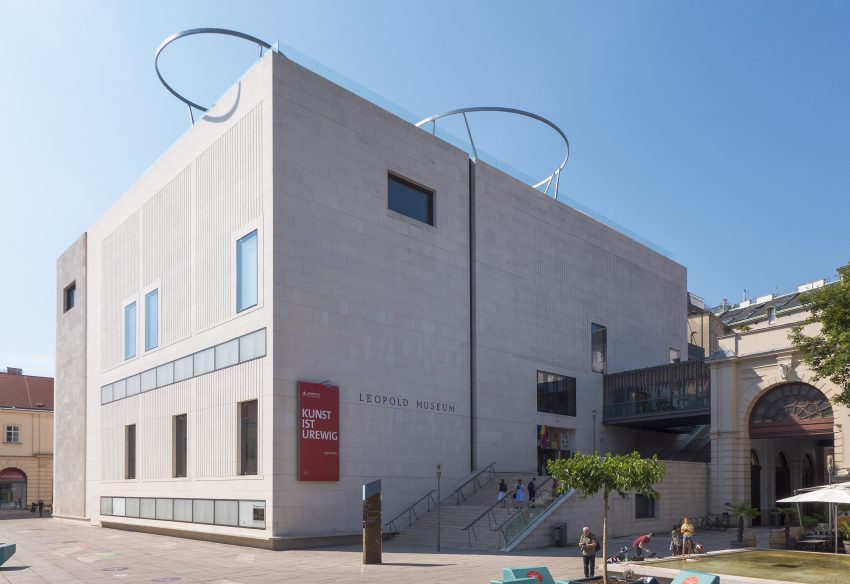
The Leopold Museum is one of Vienna's essential modern-art stops, set right inside the MuseumsQuartier (MQ) complex in the 7th district. It's best known for its exceptional holdings from Vienna around 1900, with a strong focus on Egon Schiele and the artistic revolution that reshaped the city's cultural identity.
Because it sits in the heart of MQ, the Leopold Museum is easy to fold into a walking tour that links the Inner City with the museum district, cafés, and nearby landmarks like the Ringstraße and Mariahilfer Straße. If you're choosing just a few “best places to see” for art in Vienna, this is the one that most directly connects you to the raw energy of Viennese Modernism.
Table of Contents
- History and Significance of the Leopold Museum
- Things to See and Do in the Leopold Museum
- How to Get to the Leopold Museum
- Practical Tips on Visiting the Leopold Museum
- Where to Stay Close to the Leopold Museum
- Is the Leopold Museum Worth Visiting?
- For Different Travelers
- FAQs for Visiting Leopold Museum
- Nearby Attractions to the Leopold Museum
History and Significance of the Leopold Museum
The Leopold Museum grew out of the private collection assembled by Rudolf Leopold, whose decades-long focus on Austrian modernism helped elevate artists like Egon Schiele from provocative figures into central names of European art history. The museum's identity still reflects that collector-driven point of view: bold, personal, and strongly centered on Vienna's turn-of-the-century creative scene.
Since opening to the public in the MuseumsQuartier, the museum has become a cornerstone for understanding Vienna 1900, the Vienna Secession, and the shift toward Expressionism. It's not just a “greatest hits” gallery; it's a narrative museum that places painting alongside design and decorative arts to show how ideas moved across studios, salons, and everyday life.
The Leopold is also significant because it invites deeper conversations about collecting, taste, and museum-making. Visitors often sense that this is a museum with a distinct voice, which can be refreshing after larger, more encyclopedic institutions.
Things to See and Do in the Leopold Museum
Start with the Schiele works, which are the museum’s headline draw and a major reason many travelers prioritize the Leopold over other collections. The best approach is to slow down: Schiele’s portraits and figure studies reward close looking, and the calm, bright galleries make it easy to take your time without feeling rushed.
Next, explore the broader Vienna 1900 story: works connected to the Vienna Secession, the atmosphere of fin-de-siècle Vienna, and the transition into Expressionism. Even if you're not an art historian, the museum's curation tends to feel approachable, with a clear flow that helps you understand what changed and why it mattered.
Finally, don’t skip the building experience itself. The Leopold’s modern, light-filled architecture is part of the pleasure here, and it pairs well with a wider MuseumsQuartier day that includes courtyard breaks, people-watching, and a café stop between museums.
How to Get to the Leopold Museum
Vienna International Airport (VIE) is the main gateway for most visitors, with Bratislava Airport (BTS) sometimes used as a budget alternative depending on your route. For the best deals and a seamless booking experience, check out these flights to Vienna on Booking.com.
From the airport, you can reach central Vienna efficiently by rail connections into the city, then continue by U-Bahn, tram, or a short walk to MuseumsQuartier. You can easily check timetables and book train tickets through the ÖBB (Austrian Federal Railways) website. However, for a smoother experience, we recommend using Omio, which simplifies the booking process and lets you compare routes, prices, and departure times all in one place.
If you’re traveling by car, plan ahead for city driving and parking, and consider leaving the car outside the center and using public transport for the final stretch. If you are looking to rent a car in Austria I recommend having a look at Discover Cars, first, as they compare prices and review multiple car rental agencies for you.
Practical Tips on Visiting the Leopold Museum
- Official website: https://www.leopoldmuseum.org/en
- Entrance fee: Adults: €19; Reduced: €16; Youth (under 19): €2.50; Children (under 7): free.
- Opening hours: Monday: 10:00–18:00. Tuesday: Closed. Wednesday: 10:00–18:00. Thursday: 10:00–18:00. Friday: 10:00–18:00. Saturday: 10:00–18:00. Sunday: 10:00–18:00.
- Best time to visit: Go right at opening for the quietest galleries, or choose a weekday afternoon if you want a calmer pace in peak season.
- How long to spend: Plan 1.5–2.5 hours for highlights, or half a day if you want to read labels, see special exhibitions, and take breaks in MuseumsQuartier.
- Accessibility: Expect a modern museum setup that generally supports step-free access; if you have specific needs, confirm current arrangements on the museum’s accessibility info before you go.
- Facilities: On-site amenities typically include restrooms, a shop, and options for a café break in or around MuseumsQuartier, making it easy to build this into a longer day.
Where to Stay Close to the Leopold Museum
Base yourself in central Vienna (Innere Stadt or the inner districts around the Ring) for the easiest mix of museums, walking routes, and evening dining.
If you want to be able to pop into MuseumsQuartier early, return for a rest, and still have great transit connections, these stays are strong picks:
25hours Hotel Vienna at MuseumsQuartier A playful, design-forward option that’s practically next door to MQ, ideal if you like a lively atmosphere and a hotel that feels like part of the cultural scene.
Hotel Sans Souci Wien A polished boutique-luxury choice close to the museum, great for travelers who want a quieter, more indulgent base with an easy walk to galleries.
Motel One Wien-Westbahnhof A reliable, good-value chain option with straightforward comfort and excellent transport links, useful if you’re balancing museum time with day trips.
NH Collection Wien Zentrum Right on Vienna’s main shopping street, making it a smart pick if you want art in the morning and shopping, cafés, and people-watching in the afternoon.
The Guesthouse Vienna A high-end, central stay near major sights, perfect if you're pairing the Leopold with a classic Vienna itinerary and want a walkable, elegant home base.
Is the Leopold Museum Worth Visiting?
Yes, especially if you care about modern art, Vienna 1900, or you want the most concentrated Schiele experience in the city. The museum's calm layout and strong curatorial through-line make it feel manageable and rewarding, even if you're fitting it into a packed Vienna schedule.
Honest Pivot: If you've already done multiple top-tier Vienna museums back-to-back and you're feeling museum fatigue, the Leopold can feel less “grand” than the big imperial collections. In that case, skip it unless Schiele (or the Vienna Secession-to-Expressionism story) is a personal priority.
What Other Travellers Say...

With a strong 4.7/5 average from a very large number of reviews, travelers consistently describe the Leopold Museum as a must-visit for modern Austrian art. The most common highlights are the standout Egon Schiele collection, a bright and calm building that's easy to navigate, and curation that feels coherent rather than overwhelming. Visitors also praise the helpful staff and the convenience of the MuseumsQuartier location for combining multiple cultural stops. The main drawbacks mentioned are that some travelers find it less “wow” than Vienna's biggest headline museums if they've already visited places like the Belvedere or Kunsthistorisches, and a few note the museum's collector-driven tone can feel opinionated or raise questions about provenance and curatorial choices.


For Different Travelers
The Leopold Museum works best when you match it to your travel style: it can be a quick, high-impact stop for highlights, or a slower, more reflective visit that anchors a full MuseumsQuartier day.
Families with Kids
Families will appreciate that the museum is in a pedestrian-friendly complex with plenty of space outside for breaks. Inside, the best strategy is to pick a few rooms and keep the visit short and upbeat.
If your kids enjoy drawing, turn the visit into a “spot the shapes and moods” game rather than trying to cover everything. Pair it with a snack break in MuseumsQuartier to reset attention spans.
Couples & Romantic Getaways
For couples, the Leopold is a strong “shared conversation” museum: the art is emotional, sometimes challenging, and easy to talk about afterward. The bright galleries also make it feel unhurried and intimate compared with busier blockbuster stops.
Make it part of a date-style itinerary: museum first, then a café or wine bar nearby, then an evening stroll toward the Ring or through the Inner City.
Budget Travelers
Budget travelers can still get a lot from the Leopold by focusing on the permanent highlights and keeping the visit efficient. Because it’s in MuseumsQuartier, you can combine it with free time outdoors in the courtyards and nearby neighborhoods.
If you’re choosing between museums, pick the Leopold when you want modern Austrian art rather than imperial collections. It’s a targeted spend that can balance out pricier “must-dos” elsewhere.
History Buffs
History buffs will enjoy how the museum captures the tensions of a changing Vienna: modernity, psychology, design, and shifting social norms. It's a cultural-history lens rather than a political timeline, but it's deeply tied to the city's identity.
Look for the connections between art and everyday life around 1900, especially where painting, furniture, and graphic design echo the same ideas. It’s a great complement to walking tours that cover the Secession Building, Otto Wagner sites, and the Ringstraße era.
FAQs for Visiting Leopold Museum
Getting There
Tickets & Entry
Visiting Experience
Tours, Context & Itineraries
Photography
Accessibility & Facilities
Food & Breaks Nearby
Safety & Timing
Nearby Attractions to the Leopold Museum
- MuseumsQuartier (MQ): Vienna’s major arts complex with courtyards, cafés, and multiple museums clustered together.
- mumok (Museum of Modern Art): A strong modern and contemporary collection that pairs well with the Leopold's Vienna 1900 focus.
- Kunsthalle Wien: A contemporary exhibition space in MQ that’s ideal for a shorter, rotating-show visit.
- Mariahilfer Straße: Vienna’s main shopping street, great for a post-museum stroll, coffee, and people-watching.
- Ringstraße (nearby edge of the center): A grand boulevard lined with landmark buildings that’s easy to reach on foot from MQ.
The Leopold Museum appears in our Complete Guide to Visiting Vienna!

Moira & Andy
Hey! We're Moira & Andy. From hiking the Camino to trips around Europe in Bert our campervan — we've been traveling together since retirement in 2020!
This website uses affiliate links which may earn a commission at no additional cost to you!
Planning Your Visit
Monday: 10:00-18:00.
Tuesday: Closed.
Wednesday: 10:00-18:00.
Thursday: 10:00-18:00.
Friday: 10:00-18:00.
Saturday: 10:00-18:00.
Sunday: 10:00-18:00.
Adults: €19; Reduced: €16; Youth (under 19): €2.50; Children (under 7): free.
Nearby Attractions
- Kunsthistorisches Museum (0.3) km
Arts Venue, Attraction and Museum - Naturhistorisches Museum (0.3) km
Historic Building and Museum - Burggarten (0.4) km
Attraction, Gardens and Park - Neue Burg (0.5) km
Historic Building, Museum and Palace - Ephesos Museum (0.5) km
Museum - Volksgarten (0.7) km
Gardens and Park - Albertina Museum (0.7) km
Arts Venue, Gallery and Museum - State Opera House (0.7) km
Arts Venue, Historic Building and Opera House - Austrian National Library (0.7) km
Historic Building, Historic Room and Library - Spanische Reitschule (0.8) km
Arts Venue, Attraction and Historic Building