Kunsthistorisches Museum, Vienna
Arts Venue, Attraction and Museum in Vienna
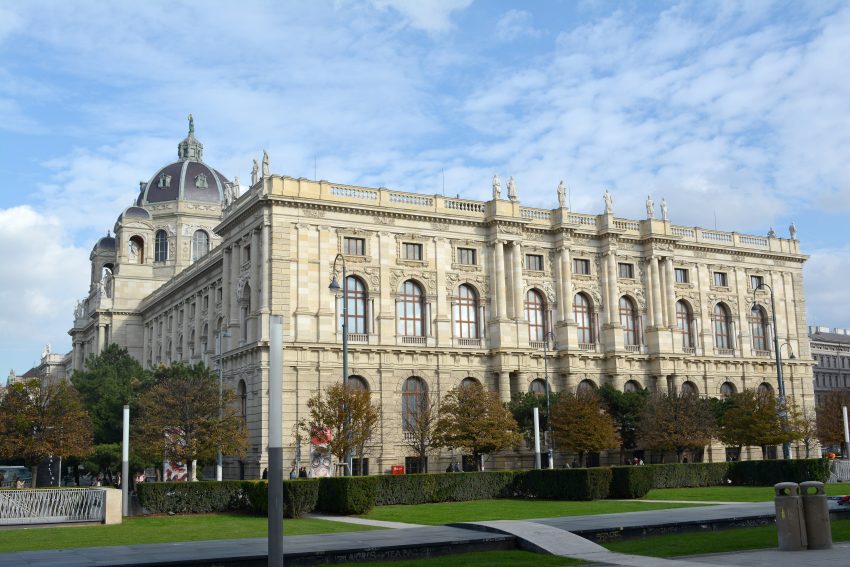
The Kunsthistorisches Museum sits on Maria-Theresien-Platz in central Vienna, facing the Naturhistorisches Museum across a grand square and gardens. It's one of Europe's great “palace museums,” built to house the Habsburgs' imperial collections—so the building itself feels like part of the exhibition, with a soaring dome, marble staircases, and richly decorated galleries.
It's an easy highlight to weave into a walking tour of the Ringstrasse area: pair it with nearby stops like the Hofburg, Heldenplatz, and the MuseumsQuartier, then come here when you're ready to slow down and go deep on Old Masters and antiquities. If you're choosing just one major art museum in Vienna, this is the one that most travelers remember for both the masterpieces and the atmosphere.
Table of Contents
- History and Significance of the Kunsthistorisches Museum
- Things to See and Do in the Kunsthistorisches Museum
- How to Get to the Kunsthistorisches Museum
- Practical Tips on Visiting the Kunsthistorisches Museum
- Where to Stay Close to the Kunsthistorisches Museum
- Is the Kunsthistorisches Museum Worth Visiting?
- For Different Travelers
- FAQs for Visiting Kunsthistorisches Museum
- Nearby Attractions to the Kunsthistorisches Museum
History and Significance of the Kunsthistorisches Museum
The Kunsthistorisches Museum opened in the late 19th century as a monumental home for the Habsburg dynasty's collections, bringing together artworks and objects gathered over centuries of imperial patronage, diplomacy, and collecting. Its location beside the Hofburg wasn't accidental: the museum was designed to project cultural power as much as to preserve art.
What makes the museum especially significant is the breadth of its holdings. You can move from ancient Egypt and classical antiquity to Renaissance and Baroque painting in a single visit, with standout strengths in Northern European art and the kind of “cabinet of curiosities” treasures that feel uniquely Viennese.
Just as important is the setting: the architecture and interior decoration were conceived as a total work of art. Even if you’re not normally a museum person, the grand staircases, domed spaces, and gallery rhythm make the visit feel cinematic and ceremonial.
Things to See and Do in the Kunsthistorisches Museum
Start with the Picture Gallery for the headline works: this is where many visitors spend the most time, moving room to room through Renaissance and Baroque giants. The museum is famous for its deep Old Masters collection, and it rewards slow looking—especially if you pick a few artists and follow them across multiple rooms.
Don’t skip the Kunstkammer (the decorative arts “wonder room”), which is often a surprise favorite. It’s packed with intricate craftsmanship—objects that blur the line between art, science, and status symbol—and it’s a great change of pace after paintings.
If you want a more structured visit, consider an audio guide and build your route around a few anchors: a Bruegel-focused loop, a highlights loop through the grandest rooms, and then a final pass through antiquities. And even if you’re not taking a formal tour, the central staircase and cupola areas are must-see “architecture moments” for photos and a quick reset.
How to Get to the Kunsthistorisches Museum
Vienna International Airport (VIE) is the closest major airport for most travelers arriving by air. For the best deals and a seamless booking experience, check out these flights to Vienna on Booking.com.
Vienna is also extremely well connected by rail, and arriving at Wien Hauptbahnhof (Main Station) makes it easy to continue into the center by public transport before walking the last stretch to the museum. You can easily check timetables and book train tickets through the ÖBB (Austrian Federal Railways) website. However, for a smoother experience, we recommend using Omio, which simplifies the booking process and lets you compare routes, prices, and departure times all in one place.
If you’re traveling by car, plan ahead for city-center traffic and parking costs, then switch to walking once you’re in the Inner City/Ring area. If you are looking to rent a car in Austria I recommend having a look at Discover Cars, first, as they compare prices and review multiple car rental agencies for you.
Practical Tips on Visiting the Kunsthistorisches Museum
- Official website: https://www.khm.at/en
- Entrance fee: Adults: €22 online; €24 on site. Reduced: €19 online; €20 on site. Under 19: free.
- Opening hours: Tuesday – Sunday: 10:00–18:00. Thursday: 10:00–21:00. Closed on Monday.
- Best time to visit: Go right at opening for quieter galleries and easier access to the café; Thursday evenings are great if you want a later, less rushed visit.
- How long to spend: Plan at least 3–4 hours for highlights; art lovers can easily fill a full day without feeling finished.
- Accessibility: There is step-free access via a side entrance and elevators inside, making it manageable for visitors with reduced mobility and strollers.
- Facilities: Expect cloakroom/lockers, a well-regarded café in the cupola hall, restrooms, and a strong museum shop for art books and gifts.
Where to Stay Close to the Kunsthistorisches Museum
Base yourself in Vienna’s 1st District (Innere Stadt) for the easiest walkable access to the museum, the Hofburg area, and many top sights.
Hotel Sacher Wien A classic splurge with an unbeatable central location near the Opera; ideal if you want old-world Vienna and quick museum access on foot.
The Guesthouse Vienna A stylish boutique option with a modern feel and a prime spot by Albertina/Opera—great for travelers who want design-forward comfort close to everything.
Steigenberger Hotel Herrenhof Polished, reliable, and very central; a strong pick if you want a quiet, upscale base with easy transit links and walkability.
25hours Hotel Vienna at MuseumsQuartier Playful, creative, and right by MuseumsQuartier—perfect if you want a lively neighborhood vibe while staying close to the Kunsthistorisches.
Motel One Wien-Staatsoper A smart-value choice in a premium location; good for budget-conscious travelers who still want to be central and walk to major sights.
Is the Kunsthistorisches Museum Worth Visiting?
Yes—decisively. The combination of world-class collections and a building that feels like an imperial stage set makes this one of Vienna’s most rewarding cultural stops, even if you only do a highlights route.
Honest Pivot: If you dislike traditional “Old Masters” museums, get overwhelmed by large indoor attractions, or you're in Vienna for purely outdoor neighborhoods and cafés, you may be happier choosing a smaller, more contemporary museum or limiting this to a quick architectural look plus one focused gallery.
What Other Travellers Say...

Reviews are overwhelmingly enthusiastic, with travelers praising the museum as world-class and calling the building itself a highlight. Common positives include the depth and variety of collections, the spectacular architecture and interiors, and the sense that it’s worth dedicating at least half a day (often longer). Visitors also frequently mention the café as beautiful and memorable. The main drawbacks noted are practical: it can be hard to get a table at the café unless you go early, and there may be short queues at busy times.


For Different Travelers
The Kunsthistorisches Museum can be tailored to your pace: you can do a fast highlights loop, a deep-dive day, or a themed visit (Bruegel, antiquities, or the Kunstkammer). The key is to decide your priority before you enter, because the scale can tempt you into museum fatigue.
Families with Kids
Kids often respond best to the museum as a “treasure hunt” rather than a full survey of art history. Pick a few visually punchy rooms, then switch to objects in the Kunstkammer where craftsmanship and unusual materials keep attention longer.
Build in breaks: the building is grand, and the walking adds up quickly. A shorter visit with one or two memorable highlights usually lands better than trying to see everything.
Couples & Romantic Getaways
This is one of Vienna's most atmospheric indoor dates: the monumental staircase, domed spaces, and hushed galleries feel elegant without trying. Plan a slow route through a few favorite rooms, then take a café break for a classic “Vienna moment” in a spectacular setting.
If you want a more relaxed vibe, aim for a later visit when you can linger without watching the clock. Pair it with an evening stroll around the Ring and nearby squares afterward.
Budget Travelers
The museum is a premium attraction, so it’s worth deciding whether you want a full visit or a focused highlights plan. If you’re trying to keep costs down, prioritize the rooms you care about most and skip add-ons unless you know you’ll use them.
Also consider balancing your day with free nearby experiences—public squares, historic streets, and viewpoints—so the museum ticket becomes your main paid “anchor” rather than one of many expensive entries.
History Buffs
Beyond the paintings, the museum is a window into Habsburg collecting and the way empires used art to tell stories about power and taste. The antiquities collections add a longer historical arc that complements Vienna’s imperial-era architecture outside.
Take time to notice the building details—staircases, ceilings, and decorative programs—because they’re part of the historical message. This is one of those places where the container is as historically revealing as the contents.
FAQs for Visiting Kunsthistorisches Museum
Getting There
Tickets & Entry
Visiting Experience
Tours, Context & Itineraries
Photography
Accessibility & Facilities
Food & Breaks Nearby
Safety & Timing
Nearby Attractions to the Kunsthistorisches Museum
- Maria-Theresien-Platz: The grand square between the twin museums, ideal for photos and a quick outdoor pause.
- Naturhistorisches Museum Wien: The “twin” building opposite, packed with natural history highlights and family-friendly exhibits.
- MuseumsQuartier: A major cultural complex with museums, courtyards, cafés, and a lively evening atmosphere.
- Hofburg Palace: The former imperial residence complex, perfect for adding more Habsburg history to your day.
- Burggarten: A pleasant central park for a breather after museum time, with classic Vienna city-garden vibes.
The Kunsthistorisches Museum appears in our Complete Guide to Visiting Vienna!

Moira & Andy
Hey! We're Moira & Andy. From hiking the Camino to trips around Europe in Bert our campervan — we've been traveling together since retirement in 2020!
This website uses affiliate links which may earn a commission at no additional cost to you!
Planning Your Visit
Tuesday - Sunday: 10:00-18:00.
Thursday: 10:00-21:00.
Closed on Monday.
Adults: €22 online; €24 on site. Reduced: €19 online; €20 on site. Under 19: free.
Nearby Attractions
- Burggarten (0.1) km
Attraction, Gardens and Park - Ephesos Museum (0.2) km
Museum - Neue Burg (0.2) km
Historic Building, Museum and Palace - Naturhistorisches Museum (0.2) km
Historic Building and Museum - Leopold Museum (0.3) km
Museum - Albertina Museum (0.4) km
Arts Venue, Gallery and Museum - Austrian National Library (0.4) km
Historic Building, Historic Room and Library - Spanische Reitschule (0.5) km
Arts Venue, Attraction and Historic Building - Hofburg Imperial Palace (0.5) km
Historic Building, Historic Site and Palace - State Opera House (0.5) km
Arts Venue, Historic Building and Opera House