King Alfred Statue, Winchester
Statue in Winchester

The Statue of Alfred the Great rises above The Broadway at the eastern end of Winchester's historic centre, a larger-than-life bronze figure that's hard to miss as you approach the High Street. It is one of the top sights in Winchester not because it takes long, but because it instantly anchors you in the city's Saxon story, with the Cathedral quarter and riverside walks close by.
This is one of those stops that rewards a slow lap rather than a quick snapshot: the stance, the sword, and the heavy granite plinth all read differently as you move around it and look back along the street. It also works brilliantly as a waypoint on a walking tour of Winchester, linking the modern city to the places where Alfred's legacy still feels tangible.
Table of Contents
- History and Significance of the Statue of Alfred the Great
- Things to See and Do in the Statue of Alfred the Great
- Practical Tips on Visiting the Statue of Alfred the Great
- Where to Stay Close to the Statue of Alfred the Great
- Is the Statue of Alfred the Great Worth Visiting?
- For Different Travelers
- FAQs for Visiting the Statue of Alfred the Great
- Nearby Attractions to the Statue of Alfred the Great
History and Significance of the Statue of Alfred the Great
Unveiled in 1901, the statue was commissioned to mark the millennium of Alfred’s death and was created by the sculptor Hamo Thornycroft. Standing prominently above the road, it was designed to be seen from a distance, with a scale and silhouette that match Alfred’s reputation as a unifier, lawgiver, and defender of Wessex.
The monument's details are part of the message: the sword and forward stride read as confidence and authority, while the shield and cloak suggest protection and guardianship. Even if you do not dive deep into the history, it is an easy, visual reminder that Winchester was central to the story of early England, not just a pretty cathedral city.
Things to See and Do in the Statue of Alfred the Great
Start by viewing the statue from a few angles: from The Broadway you get the “commanding” street view, while nearby green spaces and pavements give cleaner photo lines and calmer framing. Look closely at the way the figure’s posture is set up to pull your eye down the High Street, as if Alfred is surveying the city he shaped.
Use it as a simple mini-route trigger: from here you can drift toward the Cathedral precinct, follow the River Itchen for a quieter stretch, or loop back into the shopping and café lanes of the centre. If you enjoy small details, take a moment to read the inscription and notice how restrained it is compared with the statue’s drama.
Practical Tips on Visiting the Statue of Alfred the Great
- Entrance fee: Free
- Opening hours: 24Hours
- Best time to visit: Early morning is the easiest time for uncluttered photos and a calmer feel, especially if you want the High Street backdrop without traffic and crowds.
- How long to spend: Allow 10-20 minutes for photos, a slow walk around the plinth, and a quick wander to the nearest viewpoint or river path.
- Accessibility: It is viewed from public pavements with generally level access, but the immediate area is a busy road junction, so allow extra care if you are moving slowly or with a stroller.
- Facilities: There are no on-site facilities at the monument itself, but you are minutes from cafés, public restrooms, and the city centre’s services.
Where to Stay Close to the Statue of Alfred the Great
For the easiest sightseeing, base yourself in central Winchester around the High Street and Cathedral quarter; choose nearer the station only if transport connections are your main priority.
If you want a boutique, walk-everywhere base with a special-occasion feel, Hotel du Vin Winchester puts you close to the Cathedral area while still being an easy walk to The Broadway. For a classic, characterful stay right in the centre, Winchester Royal Hotel is well placed for evenings out and quick morning strolls to the monument. If your ideal trip is history-heavy and you like being near the Great Hall and older streets, The Old Vine is a strong, atmospheric option with a very “Winchester” sense of place.
Is the Statue of Alfred the Great Worth Visiting?
Yes, especially if you like landmarks that add narrative to a city rather than just ticking a box. It is free, always accessible, and works as a natural “start here” marker that helps you orient yourself before you dive into Winchester’s Cathedral, medieval streets, and riverside paths.
Even if you only have a few hours, it is an efficient stop: you get a memorable photo, a sense of the city's identity, and an easy springboard into nearby highlights. Think of it as a small time investment that improves the rest of your day in Winchester.
What Other Travellers Say...

King Alfred the Great Statue sits centrally on The Broadway in Winchester at 65 The Broadway, a handy, quick-stop landmark near the main bus station and the Abbey Gardens; visitors note the attractive historic street and surrounding architecture, enjoy snapping photos, and often pause here before exploring nearby shops and the cathedral (which may require an entry fee).


For Different Travelers
Families with Kids
Treat it as a quick “giant statue” moment: walk a full circle, pick a detail to spot (sword, shield, cloak), then move on before attention dips. It pairs well with a simple snack stop nearby and a short riverside walk to burn off energy.
If you are with strollers, plan your approach so you are not juggling crossings at the busiest point, and keep the visit short and purposeful. The statue works best as a landmark pause rather than a long, explanatory history lesson.
Couples & Romantic Getaways
Come at golden hour when the bronze and granite pick up warmer tones and the city feels calmer. A slow loop around the monument, then a wander into the Cathedral area or a cosy dinner booking, makes it feel like part of a broader, romantic Winchester evening.
For photos, stand back far enough to include the sweep of the street behind Alfred, then take one close-up detail shot for contrast. It is a quick stop, but it adds atmosphere to a stroll together.
Budget Travelers
This is a high-value, zero-cost attraction that delivers a classic Winchester “I was here” moment without spending anything. Use it to structure a free walking day: statue, Cathedral precinct exterior, historic streets, then a riverside loop.
If you are watching costs, visit early, take your photos, and then plan your café stop slightly off the main drag where prices tend to be gentler. The monument is central enough that you can keep the rest of the day on foot.
FAQs for Visiting the Statue of Alfred the Great
Getting There
Tickets & Entry
Visiting Experience
Tours, Context & Itineraries
Photography
Accessibility & Facilities
Food & Breaks Nearby
Safety & Timing
Nearby Attractions to the Statue of Alfred the Great
- Winchester Cathedral: A major landmark with soaring architecture and centuries of English history at the heart of the city.
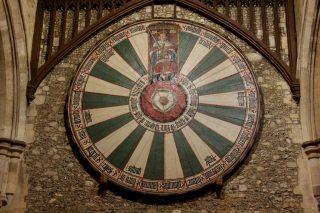
- The Great Hall: Home to the famous Round Table, it is one of Winchester's most iconic medieval survivals.
- Wolvesey Castle (Old Bishop's Palace): Atmospheric ruins that add a dramatic historical layer to a Cathedral-area walk.
- Winchester City Mill: A working riverside mill that is an easy, scenic add-on for a short loop from the centre.
- Water Meadows (St Catherine's Hill area): A peaceful riverside landscape for a refreshing walk when you want a break from streets and stone.
The King Alfred Statue appears in our Complete Guide to Visiting Winchester!

Moira & Andy
Hey! We're Moira & Andy. From hiking the Camino to trips around Europe in Bert our campervan — we've been traveling together since retirement in 2020!
This website uses affiliate links which may earn a commission at no additional cost to you!
Planning Your Visit
24Hours
Free
Nearby Attractions
- Nunnaminster (0.0) km
Abbey - Winchester Guildhall (0.1) km
Historic Building and Tourist Office - Winchester City Mill (0.1) km
Mill - City Walls of Winchester (0.1) km
City Walls - The Chesil Rectory (0.2) km
Historic Building - Chesil Theatre (0.2) km
Church and Theatre - St Mary Magdalen Hospital Alms-houses (0.2) km
Historic Building - Wolvesey Castle (0.3) km
Palace - Winchester Cathedral (0.3) km
Cathedral - Winchester Cathedral Close (0.3) km
Historic Site