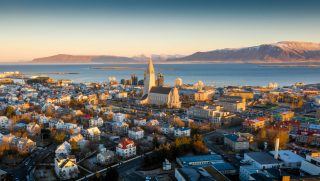
Jökulsárlón Glacier Lagoon, Reykjavik
Lake near Reykjavik
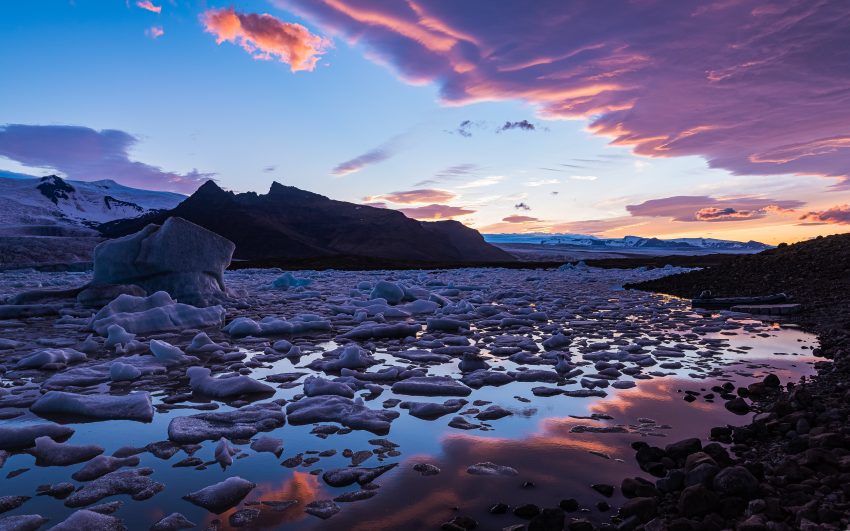
Jökulsárlón Glacier Lagoon is a glacial lake on Iceland's South Coast where icebergs break away from Breiðamerkurjökull (an outlet of Vatnajökull) and float slowly toward the sea. The scale is immediate: blue-white blocks of ice, some streaked with volcanic ash, drift across still water while seabirds circle overhead and seals occasionally surface between the bergs.
Most travelers visit Jökulsárlón as a headline stop on a South Coast road trip, and it also fits neatly into a “best-of” walking loop around the viewpoints and shoreline paths before continuing to Diamond Beach across the road. Even if you only have a short window, the lagoon delivers dramatic scenery quickly, and it is one of those places that looks different every time you return.
Table of Contents
- History and Significance of the Jökulsárlón Glacier Lagoon
- Things to See and Do in the Jökulsárlón Glacier Lagoon
- How to Get to the Jökulsárlón Glacier Lagoon
- Practical Tips on Visiting the Jökulsárlón Glacier Lagoon
- Where to Stay Close to the Jökulsárlón Glacier Lagoon
- Is the Jökulsárlón Glacier Lagoon Worth Visiting?
- For Different Travelers
- FAQs for Visiting Jökulsárlón Glacier Lagoon
- Nearby Attractions to the Jökulsárlón Glacier Lagoon
History and Significance of the Jökulsárlón Glacier Lagoon
Jökulsárlón is a comparatively young landscape feature, shaped by the retreat of Breiðamerkurjökull as the glacier pulled back from the coast. As the glacier front receded, meltwater pooled and expanded into the lagoon you see today, with ongoing calving constantly refreshing the supply of icebergs and redefining the shoreline.
Its significance is both geological and experiential: this is one of the clearest places in Iceland to understand how glaciers, meltwater, and the coastal environment interact in real time. The lagoon sits within the broader Vatnajökull region, and the area’s changing ice conditions are a visible reminder that the landscape is not static-what you see at the viewpoints can shift day to day with wind, tide, and calving events.
Things to See and Do in the Jökulsárlón Glacier Lagoon
Begin at the main viewpoints and walk the short paths along the lagoon edge to appreciate the scale and the movement of the ice. Look for color variation-clear ice, milky ice, deep blue slabs-and watch for the moment a berg rolls and exposes a freshly sculpted underside, which often happens without warning.
If you want a closer experience, the lagoon’s seasonal boat tours are the key upgrade. Amphibian boat rides are the classic option for families and first-timers, offering an easy, stable cruise among the bergs, while smaller zodiac-style tours typically get you closer to the ice (with stricter age/height requirements and more exposure to wind and spray). Even without a tour, lingering pays off: seals frequently appear near the lagoon outlet, and the best photographs often come when you slow down and let the scene unfold.
Pair Jökulsárlón with Diamond Beach (Fellsfjara/Breiðamerkursandur) across the road, where some of the same ice washes ashore on black sand. Doing both back-to-back gives you the “wide” view at the lagoon and the “close-up” textures at the beach, and it makes the stop feel like a complete mini-route rather than a single viewpoint.
How to Get to the Jökulsárlón Glacier Lagoon
Most visitors arrive by car on Route 1 (the Ring Road), roughly between Vík and Höfn, with well-signed access and established parking near the main viewpoints.
If you are flying in, the usual route is via Keflavík International Airport (KEF) and then a multi-stop drive along the South Coast to reach the lagoon. For the best deals and a seamless booking experience, check out these flights to Reykjavik on Booking.com. A nearer regional option is Hornafjörður Airport (HFN) by Höfn, which can reduce the driving load if flights align with your schedule. For the best deals and a seamless booking experience, check out these flights to Reykjavik on Booking.com.
Iceland does not have an intercity rail system, so trains are not part of travel planning for this stop. Train schedules and bookings can be found on Omio. Long-distance bus options exist along parts of the South Coast, but they are not usually the simplest way to reach Jökulsárlón on a tight timeline, so most travelers treat it as a self-drive or guided tour destination.
Practical Tips on Visiting the Jökulsárlón Glacier Lagoon
- Entrance fee: Free to visit; paid boat tours available. Parking fee applies in the Jökulsárlón area (typically around 1,000 ISK per car, valid until midnight).
- Opening hours: 24 Hours
- Official website: https://www.vatnajokulsthjodgardur.is/
- Best time to visit: Go early or late for calmer light and fewer crowds; the lagoon is stunning in overcast weather too because the ice color can look richer and less reflective.
- How long to spend: Plan 60-90 minutes for viewpoints plus a beach pairing; add 1-2 hours if you are doing a boat tour or waiting for changing light and seal sightings.
- Accessibility: The main viewpoints are relatively straightforward, but surfaces can be icy, windy, and uneven; bring traction-friendly footwear and take extra care near water edges.
- Facilities: Expect restrooms and seasonal food options around the main parking area, plus basic services tied to tour operations; the shoreline itself is exposed and can feel significantly colder than you expect.
Where to Stay Close to the Jökulsárlón Glacier Lagoon
For a nature-heavy itinerary with sunrise/sunset flexibility, base yourself in the Jökulsárlón-Höfn corridor rather than trying to tackle the lagoon as an extreme day trip from Reykjavík.
If you want a high-comfort base that keeps you close to the lagoon without sacrificing sleep, consider Fosshotel Glacier Lagoon for an easy positioning between Skaftafell and Jökulsárlón. For a practical nearby stay with a local feel and early-start convenience, Hali Country Hotel is a solid option. If you prefer a small town base with more dining and services, Hotel Höfn keeps you within an easy drive while making the rest of Southeast Iceland simple to explore.
Is the Jökulsárlón Glacier Lagoon Worth Visiting?
Yes-if you are traveling the South Coast, Jökulsárlón is one of Iceland’s signature landscapes and reliably delivers a “this is why I came” moment, even on a short stop. The combination of drifting ice, shifting light, and the chance of seeing seals makes it feel alive rather than scenic-but-static.
Honest pivot: skip it if you are not already planning to go far east on Route 1 and your trip is Reykjavík-centered, because the drive can dominate your itinerary. Also consider skipping a boat tour in strong wind or poor visibility; the viewpoints can still be excellent, and you may enjoy the lagoon more from shore on a rough-weather day.
What Other Travellers Say...

Reviewers consistently describe Jökulsárlón Glacier Lagoon as a breathtaking, must-see stop, highlighting the dramatic drifting icebergs, changing blue-white ice colors, and frequent seal sightings. Many also enjoy walking the shoreline and visiting nearby Diamond Beach, noting that it's rewarding even without a tour. Common drawbacks are summer crowds and limited boat-tour availability, with several recommending booking tours well in advance; parking is generally reported as easy.


For Different Travelers
Families with Kids
Jökulsárlón works well for families because the impact is immediate and you can tailor the stop to your energy level-short viewpoint loops or a longer linger with snacks and seal-spotting. If you choose a boat tour, the amphibian option is typically the easiest fit, but bring warm layers and plan for wind that can feel sharper by the water.
Keep children well back from the lagoon edge and discourage climbing on rocks near the shoreline, especially when surfaces are icy. A simple “iceberg checklist” (colors, shapes, sizes) can keep kids engaged without needing to cover long distances.
Couples & Romantic Getaways
This is an excellent couples' stop because it rewards slow pacing and attention to light-ideal for photography, quiet walks, and that “end of the world” atmosphere that Iceland does so well. Late-day visits can feel especially cinematic, and pairing the lagoon with Diamond Beach often creates a memorable two-stop sequence without adding much driving.
If you want to make it feel special, plan your timing around soft light rather than midday rush-hour touring. A nearby overnight means you can return for a second look when the mood changes, which often feels more intimate than ticking it off on a packed day.
Budget Travelers
The lagoon is a strong budget highlight because the core experience is free: viewpoints, walking paths, and time. If you are watching costs, treat the boat tour as optional and focus on timing your visit for the best light, then spend the “upgrade” money elsewhere (for example, a glacier hike or a key activity you value more).
Budget planning here is mostly about logistics: fuel, parking, and avoiding rushed long-drive days. Breaking the South Coast into overnights (even simple stays) often saves money indirectly by reducing last-minute changes and making weather flexibility easier.
FAQs for Visiting Jökulsárlón Glacier Lagoon
Getting There
Tickets & Entry
Visiting Experience
Tours, Context & Itineraries
Photography
Accessibility & Facilities
Nearby Attractions to the Jökulsárlón Glacier Lagoon
- Diamond Beach (Fellsfjara): Black sand scattered with glacial ice chunks for close-up “ice diamond” photography.
- Fjallsárlón Glacier Lagoon: A smaller lagoon with a quieter feel and striking glacier views.
- Skaftafell: A key Vatnajökull area for marked trails, viewpoints, and access to classic hikes.
- Svartifoss: A basalt-framed waterfall reached by a popular hike in the Skaftafell area.
- Höfn: A practical base town with services, harbor views, and easy access to Southeast Iceland drives.
The Jökulsárlón Glacier Lagoon appears in our Complete Guide to Visiting Reykjavik!

Moira & Andy
Hey! We're Moira & Andy. From hiking the Camino to trips around Europe in Bert our campervan — we've been traveling together since retirement in 2020!
This website uses affiliate links which may earn a commission at no additional cost to you!
Planning Your Visit
24 Hours
Free to visit; paid boat tours available. Parking fee applies in the Jökulsárlón area (typically around 1,000 ISK per car, valid until midnight).
Nearby Attractions
- Diamond Beach (4.6) km
Beach - Fjallsárlón Glacier Lagoon (10.0) km
Lake - Skaftafell (36.1) km
National Park - Svartifoss Waterfall (36.2) km
Waterfalls - Reynisfjara Beach (158.5) km
Beach and Natural Phenomenon - Gullfoss Waterfall (190.2) km
Waterfalls - Geysir Geothermal Area (198.7) km
Natural Phenomenon - Thingvellir National Park (235.7) km
National Park - Silfra Fissure (237.5) km
Natural Phenomenon - Árbær Open Air Museum (271.2) km
Historic Building, Historic Site and Museum