Imperial Citadel of Thang Long, Hanoi
Castle in Hanoi
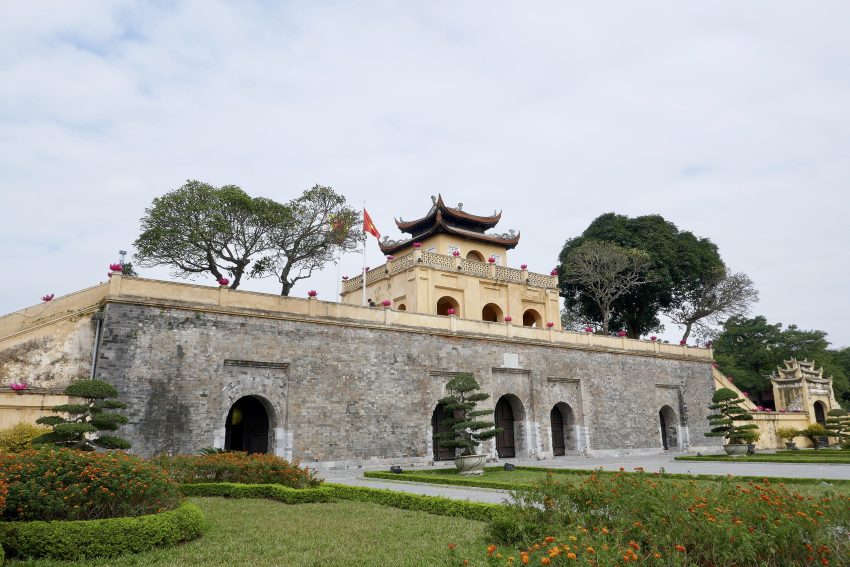
The Imperial Citadel of Thang Long is one of Hanoi's most important historical landmarks, representing more than 1,300 years of political power and cultural development. Originally built atop a 7th-century Chinese fortress, the site became the capital when King Lý Thái Tổ moved his court from Hoa Lu to Dai La in 1010 and renamed the city Thang Long. Over the centuries, the citadel evolved under successive dynasties, withstanding wars, colonial occupation, and modern conflict. Today, it is one of the must-see places in Hanoi for travellers seeking to understand the city's origins and Vietnam's enduring resilience.
Now a UNESCO World Heritage Site, the Central Sector of the Citadel continues to reveal its secrets through ongoing archaeological excavations, while its ancient gates, palace foundations, towers, and wartime bunkers make it a highlight of any walking tour of Hanoi's Ba Dinh District.
Table of Contents
- History and Significance of the Imperial Citadel of Thang Long
- Things to See and Do in the Imperial Citadel of Thang Long
- How to Get to the Imperial Citadel of Thang Long
- Practical Tips on Visiting the Imperial Citadel of Thang Long
- Where to Stay close to the Imperial Citadel of Thang Long
- Is the Imperial Citadel of Thang Long Worth Visiting?
- FAQs for Visiting the Imperial Citadel of Thang Long
- Nearby Attractions to the Imperial Citadel of Thang Long
History and Significance of the Imperial Citadel of Thang Long
The origins of the citadel trace back to the 7th century, when Vietnam was under Chinese rule and a fortress was constructed in the area. When Lý Thái Tổ ascended the throne in 1009, he chose Dai La as his capital and renamed it Thang Long (“Rising Dragon”), symbolising prosperity and renewal. The citadel was built over the demolished fortress and became the political heart of Đại Việt for the next 13 centuries.
Throughout the Tran, Le, and Nguyen dynasties, the citadel was expanded, reconstructed, and fortified, though it suffered heavy damage during wars and invasions. After Emperor Quang Trung moved the capital to Phu Xuan (Hue) in 1810, Thang Long lost its official capital status, but the citadel remained a strategic site. During the French colonial era, many structures were destroyed, and in 1945 the Japanese imprisoned more than 4,000 French soldiers here.
After Hanoi’s liberation in 1954, the Citadel served as the headquarters of the Ministry of Defense. Archaeological digs in the 21st century uncovered ancient roads, palaces, drainage systems, and artefacts dating from the 6th to the 20th century. Recognised by UNESCO in 2010, the site continues to illuminate the cultural, architectural, and political evolution of Vietnam.
Things to See and Do in the Imperial Citadel of Thang Long
The citadel consists of several major sectors, each reflecting a different chapter of history.
Flag Tower (Ky Dai)
Built in 1812 during the Nguyen Dynasty, the Flag Tower rises 33.4 metres and is one of Hanoi’s iconic symbols. It survived colonial destruction and served as a military post, now proudly flying the national flag.
Kinh Thien Palace
Once the ceremonial heart of the royal court, Kinh Thien Palace was constructed in 1428. Its sweeping foundations and intricately carved stone dragons remain, giving an evocative glimpse into imperial architecture.
Doan Mon (South Gate)
This grand southern gate, dating to the Le Dynasty, features five arched doorways. It served as the royal entrance and remains one of the most atmospheric structures in the complex.
Bac Mon (North Gate)
One of the two remaining gates of the old citadel, Bac Mon is built with thick stone and brick walls. It now houses an altar honouring governors Nguyen Tri Phuong and Hoang Dieu, heroes who resisted French invasion.
Hau Lau (Princess Pagoda)
Originally constructed for royal women and later rebuilt by the French, Hau Lau-known as the “tower in the back”-has a unique mix of architectural styles and a quiet, reflective atmosphere.
D67 House and Tunnel
Built in 1967, this wartime bunker housed the Vietnamese People’s Army leadership. Visitors can explore meeting rooms, reinforced walls, soundproofed chambers, and underground tunnels used during the Vietnam War.
Across the citadel grounds, ongoing excavation pits exhibit artefacts, ancient foundations, wells, and infrastructure spanning multiple dynasties.
How to Get to the Imperial Citadel of Thang Long
The citadel is located on Hoang Dieu Street, central Hanoi. Travellers flying into the city will arrive at Nội Bài International Airport, about 30 kilometres to the north. For the best deals and a seamless booking experience, check out these flights to Hanoi on Booking.com.
Hanoi Railway Station is nearby, offering easy access by taxi, motorbike, or bus. Train schedules and bookings can be found on Omio.
Travelling by car is convenient, with several main roads leading into the Ba Dinh District where the citadel is located; parking is available near the entrances.
Practical Tips on Visiting the Imperial Citadel of Thang Long
- Suggested tips: Visit early to enjoy the quiet atmosphere and explore excavation areas before crowds arrive.
- Best time to visit: Morning or late afternoon for cooler temperatures.
- Entrance fee: 100,000
- Opening hours:
- Official website: https://hoangthanhthanglong.vn/
- How long to spend: 60-90 minutes, longer if exploring archaeological zones.
- Accessibility: Wide paths but some uneven terrain; indoor museum areas are accessible.
- Facilities: Visitor centre, restrooms, shaded seating, and information displays.
- Photography tip: Capture Doan Mon Gate at sunrise or sunset for dramatic shadows.
- Guided tours: Available on-site; highly recommended for understanding different dynastic layers.
- Nearby food options: Cafés and restaurants along Hoang Dieu and Dien Bien Phu streets.
Where to Stay close to the Imperial Citadel of Thang Long
Staying near Ba Dinh or the Old Quarter offers great access to the site and surrounding attractions. For timeless elegance, consider Sofitel Legend Metropole Hanoi. A comfortable and central choice is Movenpick Hotel Hanoi. Travellers who want boutique charm may enjoy Hanoi La Siesta Classic Hang Thung.
Is the Imperial Citadel of Thang Long Worth Visiting?
Yes, the Imperial Citadel of Thang Long is absolutely worth visiting. As the birthplace of Thang Long (Hanoi), a UNESCO World Heritage Site, and a place where ancient dynasties, colonial powers, and modern armies left their mark, it offers a uniquely layered experience. This is one of the best places to see the evolution of Vietnamese civilisation.
What Other Travellers Say...

Imperial Citadel of Thang Long sits in Hanoi as a sprawling heritage complex where visitors can wander ancient gates, an old flag tower, exposed archaeological remains and rebuilt halls reflecting layers from the Ly, Tran and Le periods; the site includes the stone dragon steps and a tower noted in descriptions, wartime bunkers and a revolutionary house now part of museum displays, plus an excavation museum nearby showing recovered artifacts. Reviewers praise its atmosphere, photographic opportunities and peaceful grounds, and urge seeing the bunkers and the excavation across the street, while some note parts are in disrepair, event staging can block views and maintenance appears inconsistent. The citadel offers lawns, ruins and museum exhibits that appeal to history and photography enthusiasts, though expectations should be tempered by areas needing upkeep.


FAQs for Visiting the Imperial Citadel of Thang Long
Nearby Attractions to the Imperial Citadel of Thang Long
- One Pillar Pagoda: An iconic wooden temple symbolising purity and enlightenment.
- Ho Chi Minh Mausoleum: A major national landmark nearby.
- Vietnam Military History Museum: Adjacent to the Flag Tower.
- Temple of Literature: Vietnam's first university.
- Lenin Park: A peaceful green space ideal for a walk.
The Imperial Citadel of Thang Long appears in our Complete Guide to Visiting Hanoi!

Moira & Andy
Hey! We're Moira & Andy. From hiking the Camino to trips around Europe in Bert our campervan — we've been traveling together since retirement in 2020!
This website uses affiliate links which may earn a commission at no additional cost to you!
Planning Your Visit
100,000
Nearby Attractions
- Vietnam Military History Museum (0.4) km
Museum - Lenin Park (0.4) km
Park - Ba Dinh Square (0.5) km
Square - Vietnam National Museum of Fine Arts (0.6) km
Museum - Ho Chi Minh’s Mausoleum (0.6) km
Mausoleum - Train Street (0.7) km
Historic Site and Street - One Pillar Pagoda (0.7) km
Buddhist Temple - Presidential Palace (0.8) km
Palace - Ho Chi Minh Museum (0.8) km
Museum - Ho Chi Minh's Stilt House (0.8) km
Historic Building