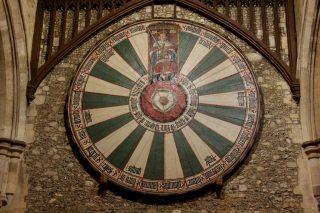
Hyde Abbey Gatehouse, Winchester
Historic Building in Winchester
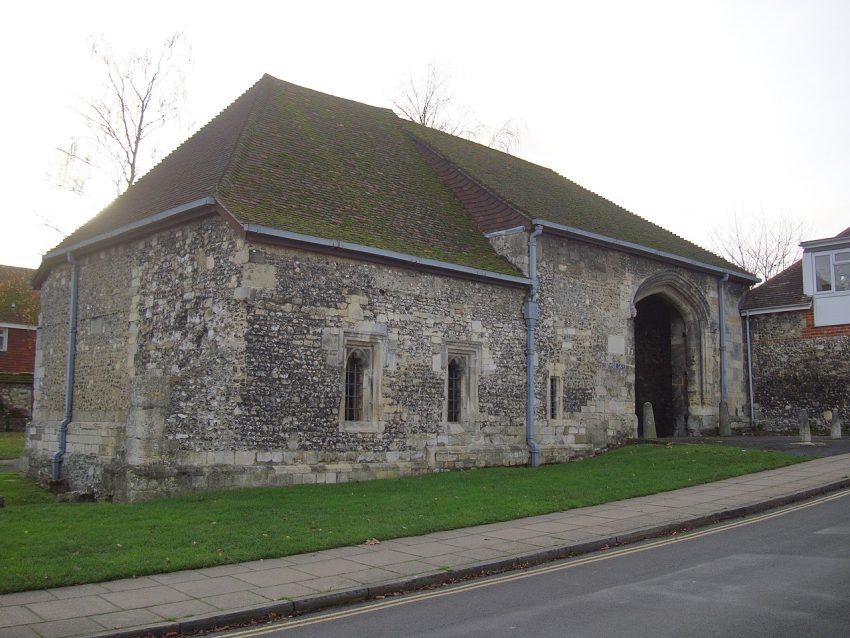
Hyde Abbey Gatehouse is the kind of Winchester sight you can almost walk past if you are not looking for it, and that is part of the charm. Set in the Hyde area just north of the historic centre, this surviving gateway is a compact, photogenic piece of medieval stonework that once marked the threshold of Hyde Abbey, and today feels like a quiet “found” landmark rather than a packaged attraction.
What makes it special is how easily it fits into a day in the city: you can visit in ten minutes, or linger and let the details reveal themselves. This spot is one of the things to see in Winchester if you enjoy peeling back layers of history on foot, and it makes an easy add-on to a walking tour of Winchester when you want something calmer than the cathedral crowds.
Table of Contents
- History and Significance of the Hyde Abbey Gatehouse
- Things to See and Do in the Hyde Abbey Gatehouse
- How to Get to the Hyde Abbey Gatehouse
- Practical Tips on Visiting the Hyde Abbey Gatehouse
- Where to Stay Close to the Hyde Abbey Gatehouse
- Is the Hyde Abbey Gatehouse Worth Visiting?
- For Different Travelers
- FAQs for Visiting Hyde Abbey Gatehouse
- Nearby Attractions to the Hyde Abbey Gatehouse
History and Significance of the Hyde Abbey Gatehouse
The gatehouse dates to the 15th century and is one of the few visible remains of Hyde Abbey above ground, a Benedictine monastery that was dissolved and demolished in the 16th century. In other words, what you see today is not a reconstructed “idea” of the abbey, but an authentic survivor from the working precinct that once stood here.
It is also formally recognised as a high-significance monument: it is Grade I listed and a Scheduled Ancient Monument, which helps explain why the structure has a carefully conserved, slightly untouchable feel. Even if you are not usually drawn to architectural history, standing beneath the archway is a quick way to understand how monastic sites controlled movement, access, and status through their gateways.
The gatehouse later became associated with Hyde House (built using stone from the demolished abbey) and remained a recognisable marker in the neighbourhood even as the bigger story around it vanished. That sense of “last piece standing” is exactly why it is worth a detour: it turns a lost abbey into something you can still physically encounter.
Things to See and Do in the Hyde Abbey Gatehouse
Start with the structure itself. The flint-and-stone construction and the distinct arches are the headline features, and the whole gateway rewards a slow lap: look at it from the street, then step through and notice how the carriage arch and pedestrian access were handled side-by-side.
Then take a minute to notice how the gatehouse sits within the wider Hyde Abbey setting. Just nearby, Hyde Abbey Garden was designed to echo the abbey’s archaeological footprint and uses landscaping to suggest what once stood here, so the gatehouse becomes your “vertical” anchor for imagining the rest. If you like connecting dots, it is a satisfying one-two: gatehouse first for the surviving fabric, garden next for the ghost outline.
Finally, treat it as a small, local walk rather than a standalone destination. The Hyde area is made for wandering: you are close enough to loop back toward the city centre, or to continue along quieter residential streets and river paths for a calmer Winchester interlude.
How to Get to the Hyde Abbey Gatehouse
Winchester is well connected for a short break, and the gatehouse is an easy add-on once you are in town. The closest airport is Southampton Airport (SOU), with London Heathrow (LHR) and London Gatwick (LGW) also workable for international arrivals. For the best deals and a seamless booking experience, check out these flights to Winchester on Booking.com.
By train, Winchester Station has frequent services (including direct routes from London Waterloo), and from there you can walk or take a short taxi ride into Hyde depending on your pace and luggage. Train schedules and bookings can be found on Omio.
Local buses cover the main corridors through Winchester, and Hyde is close enough to the centre that walking is often the most pleasant option if the weather is cooperating.
If you are driving, aim for central Winchester parking and treat the last stretch as a short walk, which avoids narrow streets and keeps the visit relaxed.
Practical Tips on Visiting the Hyde Abbey Gatehouse
- Entrance fee: Free
- Opening hours: 24Hours (Accessible at all times).
- Official website:
- Best time to visit: Go early morning or late afternoon for the quietest atmosphere and the cleanest lines for photos, especially if you want the archway without passers-by.
- How long to spend: 10-20 minutes is enough for a look and a few photos, but allow 30-45 minutes if you want to pair it with Hyde Abbey Garden and a gentle wander in Hyde.
- Accessibility: The visit is largely outdoors and flat around the surrounding paths, but surfaces can vary; if you use wheels, go slowly and expect occasional uneven paving.
- Facilities: There are no dedicated visitor facilities at the gatehouse itself, so plan to use cafés and restrooms in central Winchester before or after your stop.
Where to Stay Close to the Hyde Abbey Gatehouse
For a culture-heavy itinerary, base yourself in central Winchester around the Cathedral and The Square so you can walk everywhere; if transport convenience is the priority, staying closer to Winchester Station keeps arrivals and early departures simple.
A polished, central choice is Hotel du Vin Winchester, which puts you in easy walking range of the main sights and makes evenings effortless. For a comfortable full-service base that still stays close to the centre, The Winchester Hotel & Spa works well for a low-stress stay with good on-site amenities. If you want a practical, location-led option right by the historic core, Mercure Winchester Wessex Hotel is well placed for quick walks to the cathedral area and onward routes into Hyde.
Is the Hyde Abbey Gatehouse Worth Visiting?
Yes, especially if you like small, authentic sights that give a city texture. Hyde Abbey Gatehouse is not a “plan your whole day around it” attraction, but it is a genuinely historic structure that feels undiscovered compared with Winchester's bigger-ticket stops.
It is most rewarding when you treat it as part of a mini-route: a quick detour into Hyde, a pause at the gateway, and then a short walk to connect back to the centre. If you are building a day around atmosphere and layered history rather than museums and queues, it fits perfectly.
What Other Travellers Say...

Hyde Abbey Garden on King Alfred Place in Winchester is a small, calm green space marking the probable burial site of King Alfred the Great beneath the old abbey's altar; visitors describe it as a quiet spot to pause, reflect and imagine the once-grand abbey, though some note there's little left of the original structure and it can be seen in a few minutes.


For Different Travelers
Families with Kids
This works well as a short, low-pressure stop: children can enjoy the “gateway” idea (who went through here, and why?) without needing museum-level attention spans. Pair it with a gentle walk and a snack break so it feels like part of an outdoor adventure rather than a history lesson.
If you are doing a bigger Winchester day, use the gatehouse as a quick reset between busier attractions. Ten minutes here can be a surprisingly effective breather before heading back toward the more crowded parts of town.
Couples & Romantic Getaways
For couples, the appeal is the calmness. It is a quiet, photogenic corner of Winchester that feels more personal than the headline sights, and it suits a slow day where you wander and stop whenever something catches your eye.
Try it as a soft detour on a walk: stop under the arch, take a few photos, then continue into the city for a café or a pub. The contrast between quiet Hyde and lively central Winchester is part of what makes the day feel varied.
Budget Travelers
This is an easy win for budget itineraries because it is a meaningful historical stop that does not require a ticket. Build a low-cost route by walking, adding other free outdoor landmarks, and saving your paid entries for just one or two “big” experiences.
It also suits short visits: if you are in Winchester for a few hours, the gatehouse delivers atmosphere quickly, with minimal detour and no commitment beyond your walking time.
FAQs for Visiting Hyde Abbey Gatehouse
Getting There
Tickets & Entry
Visiting Experience
Tours, Context & Itineraries
Photography
Accessibility & Facilities
Food & Breaks Nearby
Safety & Timing
Nearby Attractions to the Hyde Abbey Gatehouse
- Hyde Abbey Garden: A thoughtfully designed garden that traces the abbey’s footprint and helps you visualise what once stood around the gatehouse.
- King Alfred the Great Statue: One of Winchester’s most iconic monuments and an easy landmark to combine with a Hyde walk.
- St Bartholomew’s Church: A historic local church with strong Hyde Abbey links and a peaceful, lived-in neighbourhood feel.
- Winchester Cathedral: The city's headline sight for architecture, history, and atmosphere, and a natural anchor for a full-day itinerary.
- The Great Hall and King Arthur's Round Table: A classic Winchester stop that complements Hyde's quieter medieval fragment with a bigger, more “legendary” landmark.
The Hyde Abbey Gatehouse appears in our Complete Guide to Visiting Winchester!

Moira & Andy
Hey! We're Moira & Andy. From hiking the Camino to trips around Europe in Bert our campervan — we've been traveling together since retirement in 2020!
This website uses affiliate links which may earn a commission at no additional cost to you!
Planning Your Visit
24Hours (Accessible at all times).
Free
Nearby Attractions
- Winchester Corn Exchange (0.4) km
Historic Building - Buttercross Monument (0.7) km
Monument - Westgate Museum (0.7) km
Museum - Winchester City Museum (0.7) km
Museum - Winchester's Military Museums (0.8) km
Museum - Winchester Great Hall (0.8) km
Castle - Winchester Guildhall (0.8) km
Historic Building and Tourist Office - King Alfred Statue (0.9) km
Statue - Winchester Cathedral (0.9) km
Cathedral - Nunnaminster (0.9) km
Abbey