House of Flowers, Belgrade
Mausoleum, Memorial and Museum in Belgrade
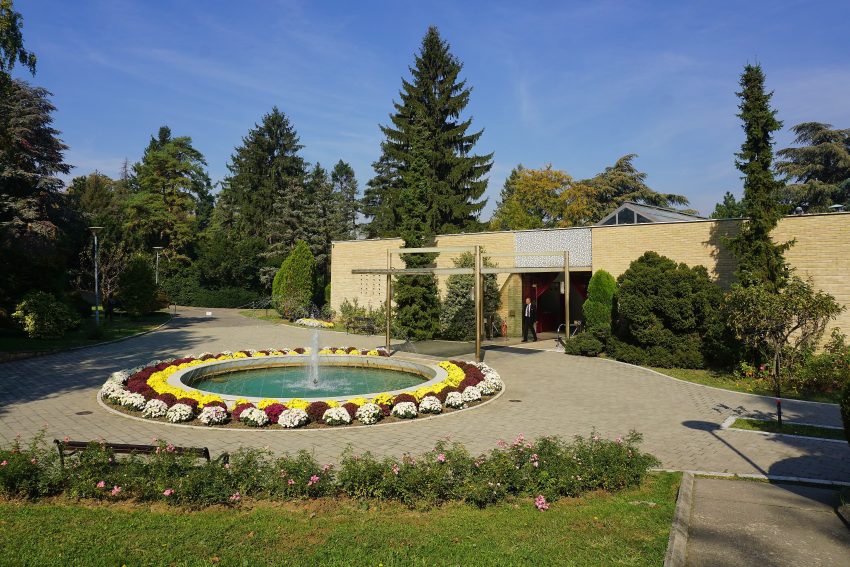
The House of Flowers (Kuća cveća) is one of Belgrade's most thought-provoking cultural stops: a serene mausoleum and museum space within the Museum of Yugoslavia complex in the Dedinje area. It's best known as the final resting place of Josip Broz Tito, and the atmosphere blends quiet reflection with a clear window into 20th-century Yugoslav history.
Even if you're not a specialist in Balkan history, the visit is easy to fit into a Belgrade itinerary, especially if you're doing a city highlights day by taxi or pairing it with nearby viewpoints and parks. Many travelers also include it as a focused stop on a history-themed walking tour (often combined with central Belgrade sights before heading south to Dedinje).
Table of Contents
- History and Significance of the House of Flowers
- Things to See and Do in the House of Flowers
- How to Get to the House of Flowers
- Practical Tips on Visiting the House of Flowers
- Where to Stay Close to the House of Flowers
- Is the House of Flowers Worth Visiting?
- For Different Travelers
- FAQs for Visiting House of Flowers
- Nearby Attractions to the House of Flowers
History and Significance of the House of Flowers
The House of Flowers was created as part of the broader Museum of Yugoslavia complex, a site that preserves and interprets the political, cultural, and everyday life of Yugoslavia. Today, it functions both as a memorial space and as a museum environment that helps visitors understand why Tito remains such a powerful, complicated figure across the region.
At the heart of the visit is Tito’s mausoleum, set within calm gardens that soften the weight of the history on display. The setting encourages a slower pace than many city museums: people tend to speak quietly, linger, and reflect, even if they arrive simply curious.
Because Yugoslavia's legacy is still debated, the House of Flowers can feel like more than a standard museum stop. It's a place where architecture, memory, and politics intersect, and where visitors can sense how public history is preserved, questioned, and reinterpreted over time.
Things to See and Do in the House of Flowers
Start with the mausoleum itself, where the design and stillness are part of the experience. The surrounding gardens are a major part of why the visit feels restorative, and they’re especially pleasant on mild days when you can take your time walking the grounds.
Inside the museum spaces, look for exhibits that provide context on Yugoslav society and Tito's era, including personal items and curated displays that help connect big historical themes to everyday life. If you're short on time, prioritize the House of Flowers and the most substantial permanent displays, then add other buildings in the complex as your interest (and energy) allows.
To deepen the visit, consider timing your stop with a guided tour (when available) or reading a short primer on Yugoslavia beforehand. Even a little background makes the exhibits feel far more coherent and emotionally resonant.
How to Get to the House of Flowers
Belgrade is served by Belgrade Nikola Tesla Airport (BEG), and the House of Flowers is easiest to reach after you've settled into the city and can travel by taxi or public transport from central neighborhoods. For the best deals and a seamless booking experience, check out these flights to Belgrade on Booking.com.
If you’re arriving by rail, Belgrade’s main train connections bring you into the city where you can continue by taxi, bus, or a combination of public transport and a short walk to the museum complex. Train schedules and bookings can be found on Omio.
Driving can be convenient if you’re combining the visit with other stops outside the center, but plan for city traffic and limited parking at peak times.
Practical Tips on Visiting the House of Flowers
- Official website: https://muzej-jugoslavije.org/en/
- Entrance fee: Regular price: RSD 800; Residents of the Republic of Serbia: RSD 600; Students and pupils: RSD 400; Students, pupils and pensioners who are residents of the Republic of Serbia: RSD 200.
- Opening hours: Tuesday – Sunday: 10:00–18:00. Closed on Monday.
- Best time to visit: Late morning on a weekday is ideal for a quieter, more contemplative experience, especially if you want time in the gardens.
- How long to spend: Plan for 60–90 minutes for the House of Flowers and a quick look at the main exhibits; add time if you want to explore more of the Museum of Yugoslavia complex.
- Accessibility: Some parts of the wider complex may have easier access than others; if step-free routes matter, confirm on-site which buildings and entrances are best.
- Facilities: Expect typical museum basics such as restrooms and a gift shop, with outdoor space that’s pleasant for a short break between buildings.
Where to Stay Close to the House of Flowers
For most visitors, the best base is central Belgrade (Stari Grad or around Slavija), where you’ll have the easiest access to restaurants, walking routes, and transport while still being a short ride from the museum complex.
Hotel Moskva A classic, historic choice in a highly walkable location, great if you want old-world character and quick access to central sights before heading to Dedinje.
Hilton Belgrade A reliable upscale option near Slavija with strong comfort standards, ideal if you want a modern base and easy taxi connections across the city.
Metropol Palace, Belgrade A polished luxury stay with a landmark feel, well-placed for combining museums, parks, and a smoother ride down toward Dedinje.
Courtyard by Marriott Belgrade City Center A practical, central pick that suits travelers who want consistency, efficient service, and a straightforward home base for sightseeing.
Hotel Mint A quieter, good-value option that can work well if you prefer a calmer neighborhood feel while still staying within easy reach of the main attractions.
Is the House of Flowers Worth Visiting?
Yes, the House of Flowers is worth visiting if you want a meaningful, well-paced look at Yugoslav history in a setting that feels both respectful and surprisingly peaceful. The combination of the mausoleum, curated exhibits, and garden atmosphere makes it one of Belgrade's most distinctive cultural experiences.
Honest Pivot: If you strongly prefer art-only museums, or you’re not interested in modern political history, you may find the visit less compelling than Belgrade’s fortress-and-river scenery or its café culture. It’s also not a place most people revisit multiple times unless they have a deeper interest in the period.
What Other Travellers Say...

Visitors rate the House of Flowers very highly and often describe it as a must-see for understanding Yugoslav history. Common highlights include the powerful experience of seeing Tito's mausoleum, the calm and well-kept gardens, and exhibits that help newcomers learn the basics of the era. A recurring downside is that some museum sections feel small or limited, so travelers short on time sometimes focus on the mausoleum and grounds rather than every indoor room.


For Different Travelers
The House of Flowers can fit many travel styles because it's compact, calm, and easy to combine with other Belgrade highlights. The key is setting expectations: it's reflective and history-forward rather than entertainment-driven.
Families with Kids
For families, the gardens and open space can make the visit feel less intense than a typical indoor museum. Kids who like “real history places” may be intrigued by the idea of a mausoleum and the stories around it.
That said, younger children may not connect with the political context, so keep the visit short and focus on the most visually engaging parts. Pair it with a nearby park stop or a treat in the city afterward.
Couples & Romantic Getaways
Couples often appreciate the quiet, almost meditative atmosphere and the gentle pace of walking the grounds together. It’s a good contrast to Belgrade’s lively evenings and busy central streets.
If you enjoy meaningful travel conversations, this is a place that naturally sparks them. Plan a relaxed lunch afterward in a central neighborhood to round out the day.
Budget Travelers
Budget travelers will like that it’s a high-impact cultural stop that doesn’t require a full day. It’s also easy to reach by public transport, helping you avoid extra taxi costs.
To keep spending down, visit on a day and time that suits your schedule and combine it with other nearby low-cost sights. Bring water and plan your food stop in a neighborhood with plenty of affordable bakeries.
History Buffs
If you’re into 20th-century Europe, Cold War-era narratives, or the social history of the Balkans, this is a must. The site offers a rare chance to see how a former state’s identity and memory are presented through objects, architecture, and curated storytelling.
History buffs should give themselves extra time to read exhibit text carefully and to explore more than just the mausoleum. If a guided tour is available during your visit, it can add helpful nuance and context.
FAQs for Visiting House of Flowers
Getting There
Tickets & Entry
Visiting Experience
Tours, Context & Itineraries
Photography
Accessibility & Facilities
Food & Breaks Nearby
Safety & Timing
Nearby Attractions to the House of Flowers
- Museum of Yugoslavia (May 25 Museum): A key part of the same complex, offering additional exhibitions that broaden the context beyond the mausoleum.
- Topčider Park: A leafy, local-favorite park area that’s great for a decompression walk after a history-heavy visit.
- Ada Ciganlija: Belgrade’s popular recreation island-lake area, ideal if you want nature and waterfront time afterward.
- Saint Sava Temple: One of Belgrade’s most iconic landmarks, impressive for its scale and interior atmosphere.
- Kalemegdan Fortress: The city’s classic must-see for views, ramparts, and a scenic stroll where the rivers meet.
The House of Flowers appears in our Complete Guide to Visiting Belgrade!

Moira & Andy
Hey! We're Moira & Andy. From hiking the Camino to trips around Europe in Bert our campervan — we've been traveling together since retirement in 2020!
This website uses affiliate links which may earn a commission at no additional cost to you!
Planning Your Visit
Tuesday - Sunday: 10:00-18:00.
Closed on Monday.
Regular price: RSD 800; Residents of the Republic of Serbia: RSD 600; Students and pupils: RSD 400; Students, pupils and pensioners who are residents of the Republic of Serbia: RSD 200.
Nearby Attractions
- Museum of Yugoslavia (0.2) km
Historic Site, Mausoleum and Museum - Cathedral of Saint Sava (1.8) km
Cathedral, Church and Religious Building - Beli Dvor (2.3) km
Historic Building, Historic Site and Palace - Nikola Tesla Museum (2.5) km
Museum - Tašmajdan Park (2.8) km
Area and Park - St. Mark's Church (2.9) km
Church, Historic Building and Religious Building - Old Palace (2.9) km
Historic Building, Historic Site and Palace - Skupština (3) km
Attraction, Historic Building and Notable Building - Zeleni Venac Market (3.1) km
Bazaar and Market - Republic Square (3.3) km
Attraction, Monument and Square