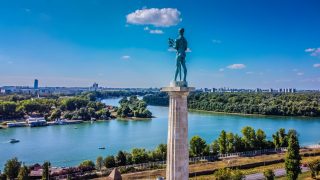
Homeland Museum of Zemun, Belgrade
Historic Building, Historic Site and Museum in Belgrade
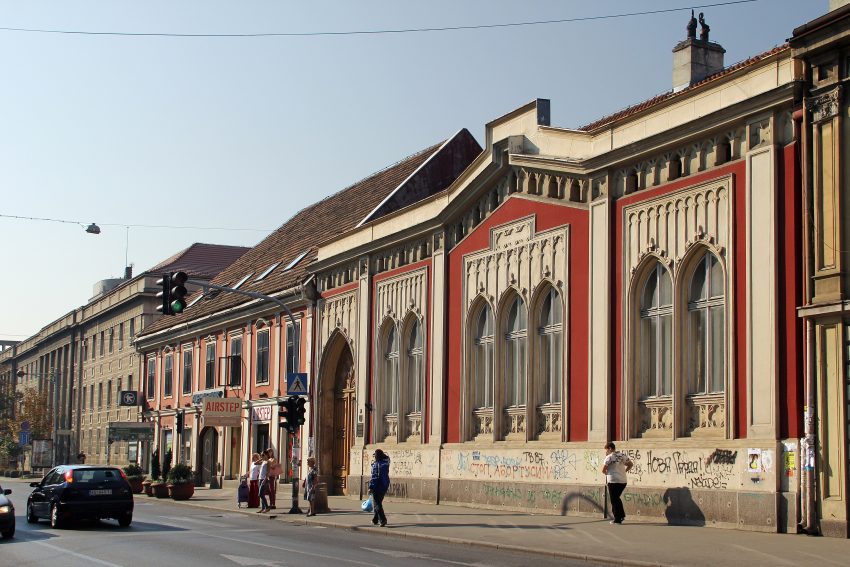
The Homeland Museum of Zemun (Zavičajni muzej Zemuna) is a small but meaningful local-history museum in Belgrade's Zemun district, housed in the landmark Spirta House on Glavna Street. It's one of those places that helps you understand how Zemun developed its distinct identity at the meeting point of empires, trade routes, and riverside life.
It fits perfectly into a Zemun walking tour: pair it with a stroll along the Danube quay, a climb up to Gardoš Tower for views, and time in the old center around Magistratski trg. If you're choosing just a few stops, this is best for travelers who enjoy heritage interiors and compact, story-driven museum visits.
Table of Contents
- History and Significance of the Homeland Museum of Zemun
- Things to See and Do in the Homeland Museum of Zemun
- How to Get to the Homeland Museum of Zemun
- Practical Tips on Visiting the Homeland Museum of Zemun
- Where to Stay Close to the Homeland Museum of Zemun
- Is the Homeland Museum of Zemun Worth Visiting?
- For Different Travelers
- FAQs for Visiting Homeland Museum of Zemun
- Nearby Attractions to the Homeland Museum of Zemun
History and Significance of the Homeland Museum of Zemun
The museum is closely tied to Spirta House, a standout 19th-century building in Zemun’s historic core. The house itself is part of the story: its architecture and preserved interior details reflect the prosperity and cultural ambitions of Zemun’s merchant elite during a period when the town was shaped by cross-border commerce and shifting political realities.
As a “homeland” (local history) museum, its significance lies in how it frames Zemun as more than a Belgrade neighborhood. Zemun has long had its own rhythm, traditions, and urban character, and the museum’s role is to preserve that local memory through objects, documents, and curated narratives.
If you’re visiting Belgrade to go beyond the headline sights like Kalemegdan and Knez Mihailova, this museum adds context: it helps explain why Zemun feels different, from its street layout and architecture to its riverside culture.
Things to See and Do in the Homeland Museum of Zemun
Start by paying attention to the building before you even focus on the exhibits. The Spirta House setting is a major part of the experience, especially if you like historic interiors, craftsmanship, and the atmosphere of old townhouses that have witnessed generations of city life.
Inside, expect a local-history approach rather than a huge “national museum” scale. When the museum is operating with exhibitions, it's typically the kind of place where you move through themed rooms that connect everyday life, urban development, and cultural identity, making it easy to link what you see indoors with what you'll notice outside on Glavna Street.
To round out the visit, plan a short self-guided continuation: walk to Magistratski trg, then down toward the Danube promenade for a change of pace. If you’re doing Zemun as a half-day, this museum works best as the “story stop” that anchors the neighborhood in time.
How to Get to the Homeland Museum of Zemun
The nearest airports are Belgrade Nikola Tesla Airport (BEG) for international and most regional flights, and (for some itineraries) Novi Sad’s smaller airfield options are not typically practical for commercial arrivals—BEG is the one to plan around. For the best deals and a seamless booking experience, check out these flights to Belgrade on Booking.com.
If you’re arriving by rail, Belgrade’s main stations connect you to major cities in Serbia and the region; from central Belgrade you can continue to Zemun by city bus, taxi, or rideshare depending on your starting point. Train schedules and bookings can be found on Omio.
By car, Zemun is straightforward to reach via Belgrade’s main road network, but parking in the old center can be limited, so it’s often easier to park a bit farther out and walk in.
Practical Tips on Visiting the Homeland Museum of Zemun
- Official website: https://www.mgb.org.rs/
- Entrance fee: Check official website.
- Opening hours: Check official website.
- Best time to visit: Aim for a weekday late morning if you want a quieter, more unhurried feel in Zemun’s old center. Combine it with golden-hour views from Gardoš if you’re planning a longer neighborhood walk.
- How long to spend: Plan 30–60 minutes for the museum itself, then add at least another 1–2 hours to enjoy Glavna Street, Magistratski trg, and the Danube quay.
- Accessibility: Expect typical constraints of a historic building, such as stairs and narrower passages; if step-free access is important, confirm arrangements in advance.
- Facilities: Facilities can be limited in smaller local museums, so plan for cafés and restrooms nearby in Zemun’s center rather than relying on extensive on-site amenities.
Where to Stay Close to the Homeland Museum of Zemun
Base yourself in Zemun’s old center if you want the most atmospheric evenings, easy riverside walks, and quick access to the neighborhood’s cafés and viewpoints.
For a boutique stay with a classic Zemun address, consider Hotel Garni Zemunske Kapije for its convenient access to both the old town and the main routes back toward central Belgrade. If you want a modern, reliable option with strong transport links, Falkensteiner Hotel Belgrade is a smart pick that keeps you close to Zemun while staying in a business-friendly area.
Travelers who like design-forward comfort often choose IN Hotel Belgrade as a practical base between the airport, Novi Beograd, and Zemun. For a more upscale, polished experience near the riverfront and major city sights, Hyatt Regency Belgrade offers a high-comfort reset after a day of walking. If you prefer an iconic central address with easy access to Zemun by taxi or transit, Hotel Moskva is included for its historic character and classic “Belgrade stay” feel.
Is the Homeland Museum of Zemun Worth Visiting?
Yes—if you're already exploring Zemun, the Homeland Museum of Zemun is worth it as a compact cultural stop that adds depth to what you're seeing on the streets. The setting in Spirta House makes it especially appealing for travelers who enjoy architecture and local stories more than blockbuster, crowd-heavy attractions.
Honest Pivot: if your time in Belgrade is very limited and you’re prioritizing big-ticket museums or major fortress viewpoints, you may prefer to focus on Kalemegdan, central Belgrade museums, and a single Zemun highlight like the Danube quay or Gardoš. Also, if the museum is closed or between exhibitions, it’s not worth building your day around it—treat it as a bonus stop when it’s open.
For Different Travelers
Zemun is one of Belgrade’s most rewarding areas to explore on foot, and this museum can be a good “anchor” for understanding what makes the neighborhood distinct. Whether it’s a must-do depends on your interests and how much you enjoy small museums versus outdoor wandering.
Families with Kids
If your kids enjoy short, contained visits, this can work well because it doesn’t demand hours of attention. Pair it with a riverside walk afterward so the day doesn’t feel too “museum-heavy.”
For younger children, the building itself and the idea of “old Belgrade stories” may be more engaging than detailed historical text. Keep expectations flexible and plan a snack stop nearby as a reward.
Couples & Romantic Getaways
For couples, the best move is to use the museum as a calm cultural start, then continue into Zemun’s scenic lanes and down to the Danube. It’s a nice way to add meaning to a stroll that might otherwise be purely about views and cafés.
If you’re planning a romantic afternoon, time your walk so you end at a viewpoint around sunset. Zemun’s atmosphere does a lot of the work, and the museum adds a thoughtful layer.
Budget Travelers
Budget travelers will appreciate that Zemun is enjoyable even with minimal spending: walking the old center and the quay is the main event. The museum is a good low-cost add-on when open, especially if you like local history.
To keep costs down, use public transport to reach Zemun and plan a self-guided route that links the museum with nearby squares, churches, and the riverside. You’ll get a full half-day without needing paid tours.
History Buffs
History buffs will enjoy the museum’s focus on Zemun’s identity and the way it connects urban life, trade, and cultural change. The Spirta House context is a highlight in its own right, especially if you’re interested in 19th-century architecture and civic life.
Make it part of a broader “layers of Belgrade” day by comparing Zemun’s townscape with central Belgrade’s Ottoman and later Serbian urban narratives. Even a short visit can sharpen what you notice in the neighborhood.
FAQs for Visiting Homeland Museum of Zemun
Getting There
Tickets & Entry
Visiting Experience
Tours, Context & Itineraries
Photography
Accessibility & Facilities
Food & Breaks Nearby
Safety & Timing
Nearby Attractions to the Homeland Museum of Zemun
- Gardoš Tower (Millennium Tower): A hilltop landmark with some of the best panoramic views over the Danube and Belgrade.
- Magistratski trg: Zemun’s central square area, great for soaking up the neighborhood’s old-town character.
- Zemun Quay (Kej oslobođenja): A scenic riverside promenade ideal for walking, cycling, and sunset views.
- Madlenianum Opera and Theatre: A distinctive cultural venue in Zemun that adds an arts-focused stop to your itinerary.
- Church of St. Nicholas (Zemun): A historic Orthodox church that complements a heritage-themed walk through the old center.
The Homeland Museum of Zemun appears in our Complete Guide to Visiting Belgrade!

Moira & Andy
Hey! We're Moira & Andy. From hiking the Camino to trips around Europe in Bert our campervan — we've been traveling together since retirement in 2020!
This website uses affiliate links which may earn a commission at no additional cost to you!
Planning Your Visit
Check official website.
Check official website.
Nearby Attractions
- House with the Sundial (0.1) km
Attraction, Historic Building and Historic Site - City Hall (0.1) km
Attraction, Historic Building and Town Hall - Franciscan Monastery of Saint John the Baptist and Saint Anthony (0.1) km
Church, Monastery and Religious Building - Gospodska Street (0.2) km
Area, Street and Walk - Veliki Trg and Market (0.3) km
Bazaar, Market and Square - Catholic Church of the Assumption of the Blessed Virgin Mary (0.3) km
Church, Religious Building and Square - Ičko's House (0.3) km
Attraction, Historic Building and Historic Site - White Bear Tavern (0.5) km
Attraction, Historic Building and Historic Site - Saint Nicholas Church (0.5) km
Church and Religious Building - Gardoš Tower (0.6) km
Historic Site, Tower and Viewing Point