Höfði House, Reykjavik
Attraction, Historic Building and Historic Site in Reykjavik
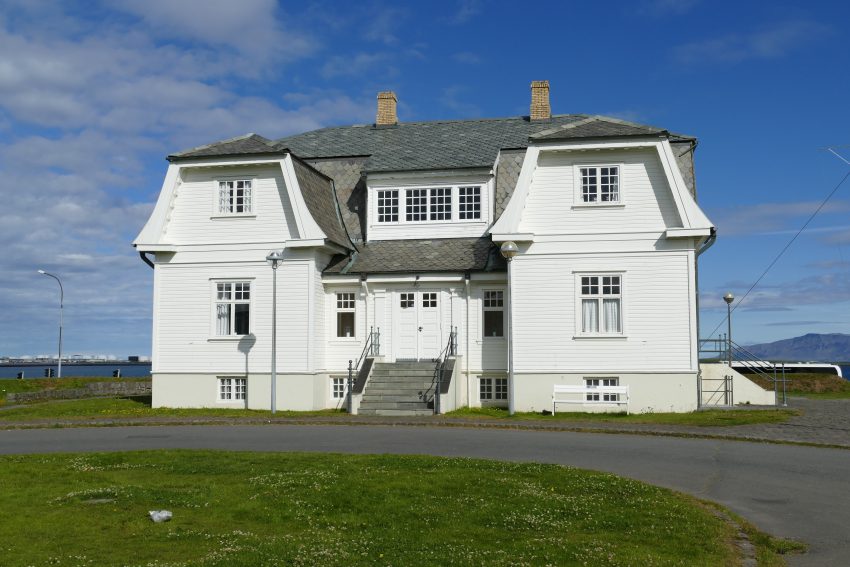
Höfði House is one of Reykjavik's most quietly famous landmarks: a white wooden villa on the waterfront that looks modest at first glance, yet carries outsized historical weight. Sitting near the coastal path with open views toward the bay, it's an easy stop to fold into a seaside stroll, especially if you're already exploring the Harpa area or walking the shoreline.
Most travelers experience Höfði as an exterior visit rather than an indoor attraction, which makes it perfect for a short detour on a walking tour or a self-guided route linking Harpa, the Sun Voyager sculpture, and the Sæbraut promenade. Come for the story, stay for the calm garden setting and the sense of standing in a place where world events once unfolded.
Table of Contents
- History and Significance of the Höfði House
- Things to See and Do in the Höfði House
- How to Get to the Höfði House
- Practical Tips on Visiting the Höfði House
- Where to Stay Close to the Höfði House
- Is the Höfði House Worth Visiting?
- For Different Travelers
- FAQs for Visiting Höfði House
- Nearby Attractions to the Höfði House
History and Significance of the Höfði House
Höfði House was built in 1909 and is often described as one of Reykjavik's most historically significant buildings. It began life as a residence connected to foreign diplomacy, and over the decades it hosted notable figures and official functions, gradually becoming woven into the city's civic identity.
Its global fame comes from October 1986, when U.S. President Ronald Reagan and Soviet leader Mikhail Gorbachev met here for the Reykjavík Summit. While the summit did not produce a final agreement, it is widely remembered as a pivotal moment that helped shift the tone of the Cold War toward de-escalation.
Today, Höfði is closely associated with the City of Reykjavik and is used for official receptions rather than public museum-style access. For visitors, that means the experience is about place and context: seeing the building, reading the plaques, and connecting the dots between Reykjavik's waterfront calm and a turning point in modern history.
Things to See and Do in the Höfði House
Start with the exterior itself. The house’s distinctive wooden architecture and crisp, photo-friendly façade are the main draw, and the surrounding grounds give you space to step back and frame the building against the sky and sea.
On the property, look for commemorative elements that anchor the Cold War story, including signage and memorial features that help you understand why this unassuming house became a global stage. Many visitors also seek out the nearby piece of the Berlin Wall, which adds a tangible, reflective moment to the stop.
Finally, treat Höfði as part of a bigger waterfront mini-itinerary: walk the coastal path, watch the light change over the bay, and use the stop as a breather between downtown sights. It’s especially rewarding in clear weather when the views and the quiet atmosphere do the storytelling alongside the history.
How to Get to the Höfði House
The nearest airport is Keflavík International Airport (KEF), around 45–60 minutes from central Reykjavik depending on traffic and conditions. For the best deals and a seamless booking experience, check out these flights to Reykjavik on Booking.com.
Reykjavik does not have international passenger rail service, so there isn't a practical train option for arriving into the city; most visitors come via flight and then transfer by bus, taxi, or car. Train schedules and bookings can be found on Omio.
From central Reykjavik, Höfði House is straightforward to reach on foot via the waterfront promenade, and it also works well by bike if you're following the coastal path. If you're driving, you can typically park nearby, but pay attention to local paid-parking zones and posted hours.
Practical Tips on Visiting the Höfði House
- Entrance fee: Free.
- Opening hours: 24 Hours.
- Best time to visit: Go in daylight for the best photos and to enjoy the waterfront views; early morning and early evening are often the calmest.
- How long to spend: Plan for 15–30 minutes for photos, plaques, and a quick walk around the grounds, or longer if you’re linking it with the coastal promenade.
- Accessibility: The exterior visit is generally manageable for most visitors, with flat paths around the grounds; conditions can be windy and slick in winter.
- Facilities: There are no visitor facilities inside the house; plan to use restrooms and grab snacks in the city center or along the nearby main roads.
Where to Stay Close to the Höfði House
Best area to base yourself: Stay in central Reykjavik (Downtown/Miðborg) for the easiest walks to the waterfront, museums, restaurants, and tour pick-ups.
If you want to keep Höfði House within an easy walk while still being close to Reykjavik's main sights, these stays balance location, comfort, and access to the shoreline route.
Fosshótel Reykjavík A strong choice for travelers who want a modern, full-service hotel near the waterfront and within easy reach of Höfði and downtown.
Storm Hotel by Keahotels A sleek, practical base with a convenient location for walking the coastal path and popping into central Reykjavik for meals.
Center Hotels Laugavegur Ideal if you want to be on Reykjavik’s main shopping and dining street while still being a manageable walk to the waterfront sights.
Sand Hotel by Keahotels A boutique-feel option in the heart of town, great for couples and design-minded travelers who want everything on foot.
KEX Hostel A social, budget-friendly pick with a fun atmosphere and an easy route to the waterfront walk that leads toward Höfði.
Is the Höfði House Worth Visiting?
Yes, Höfði House is worth visiting if you enjoy meaningful landmarks, quick photo stops, and places with real historical gravity. It's one of those Reykjavik sights that doesn't demand much time, but it adds depth to your trip when you understand what happened here and then look out over the same calm shoreline.
Honest Pivot: If you're looking for an interior tour, exhibits, or a long, activity-filled visit, you may feel underwhelmed because the experience is primarily outside. In that case, prioritize museums like Perlan or the National Museum, and treat Höfði as an optional add-on only if you're already doing the waterfront walk.
What Other Travellers Say...

Overall, reviews are strongly positive, with many travelers describing Höfði House as a calm, worthwhile stop thanks to its major Cold War history and scenic waterfront setting. Common highlights include the classic look of the house, the peaceful garden area, and the added interest of nearby memorial elements like the Berlin Wall piece. The main downside mentioned is that the experience is brief and largely limited to viewing the exterior, so visitors expecting interior access or a longer attraction may feel it's more of a quick photo-and-history stop. Some also note practical details like paid parking in the area during certain hours.


For Different Travelers
Höfði House works best as a short, story-rich stop that layers easily into a day of walking around Reykjavik. Because it's an exterior-focused visit, it suits travelers who like scenic routes and historical context more than those seeking indoor attractions.
Families with Kids
Kids often respond well to the simple “big story in a small place” angle, especially if you frame it as a real-world moment when leaders met to reduce tensions. The grounds also give children space to move around without the pressure of a long, quiet indoor visit.
Pair it with nearby waterfront sights to keep the pace lively, and consider turning it into a mini scavenger hunt: find the plaques, spot the Berlin Wall piece, and take a family photo with the house in the background.
Couples & Romantic Getaways
For couples, Höfði is a peaceful, low-effort stop that feels a bit removed from the bustle of downtown. The waterfront light, the open sky, and the quiet garden setting make it a pleasant place for a short walk-and-talk.
It’s especially nice as part of a longer promenade stroll, followed by coffee or dinner back in the city center. If you enjoy travel that mixes atmosphere with meaning, this is an easy win.
Budget Travelers
Höfði House is a great budget-friendly sight because it's a quick stop you can reach on foot and enjoy without paying for admission. It also fits neatly into a DIY walking itinerary that includes other free waterfront landmarks.
To stretch your day, combine it with a longer coastal walk and a stop at a grocery store or bakery in town, rather than building your schedule around paid attractions.
History Buffs
History lovers will appreciate how Höfði connects Reykjavik to global events, particularly the Cold War era. Even without interior access, the setting and memorial elements give you a strong sense of place.
To deepen the visit, read a short summary of the Reykjavík Summit beforehand and then come here to visualize the scene. It’s a rare chance to stand at a location that appears in so many history books.
FAQs for Visiting Höfði House
Getting There
Tickets & Entry
Visiting Experience
Tours, Context & Itineraries
Photography
Accessibility & Facilities
Food & Breaks Nearby
Safety & Timing
Nearby Attractions to the Höfði House
- Sun Voyager (Sólfar): A striking steel sculpture on the waterfront that's one of Reykjavik's most photographed stops.
- Harpa Concert Hall: Reykjavik’s iconic glass-fronted concert venue with great architecture and harbor views.
- Laugavegur: The city's main shopping and strolling street, packed with cafés, boutiques, and people-watching.
- Perlan: A modern museum and viewpoint where you can learn about Icelandic nature and enjoy panoramic city views.
- Hallgrímskirkja: Reykjavik's landmark church with a tower view that's especially rewarding on clear days.
The Höfði House appears in our Complete Guide to Visiting Reykjavik!

Moira & Andy
Hey! We're Moira & Andy. From hiking the Camino to trips around Europe in Bert our campervan — we've been traveling together since retirement in 2020!
This website uses affiliate links which may earn a commission at no additional cost to you!
Planning Your Visit
24 Hours.
Free.
Nearby Attractions
- Háteigskirkja (0.7) km
Church, Historic Building and Religious Building - Laugarnes Church (0.8) km
Church and Religious Building - Sundhöllin (0.9) km
Attraction, Baths and Pool - Sun Voyager (0.9) km
Attraction, Sculpture and Statue - Laugavegur (1.0) km
Area, Street and Walk - Asmundur Sveinsson Sculpture Museum (1.1) km
Gardens, Museum and Sculpture - Leif Eriksson Monument (1.1) km
Memorial, Monument and Statue - Hallgrimskirkja (1.1) km
Church, Tower and Viewing Point - The Einar Jónsson Museum (1.2) km
Gardens, Museum and Sculpture - Laugardalslaug (1.3) km
Baths, Pool and Spa