Geysir Geothermal Area, Reykjavik
Natural Phenomenon near Reykjavik
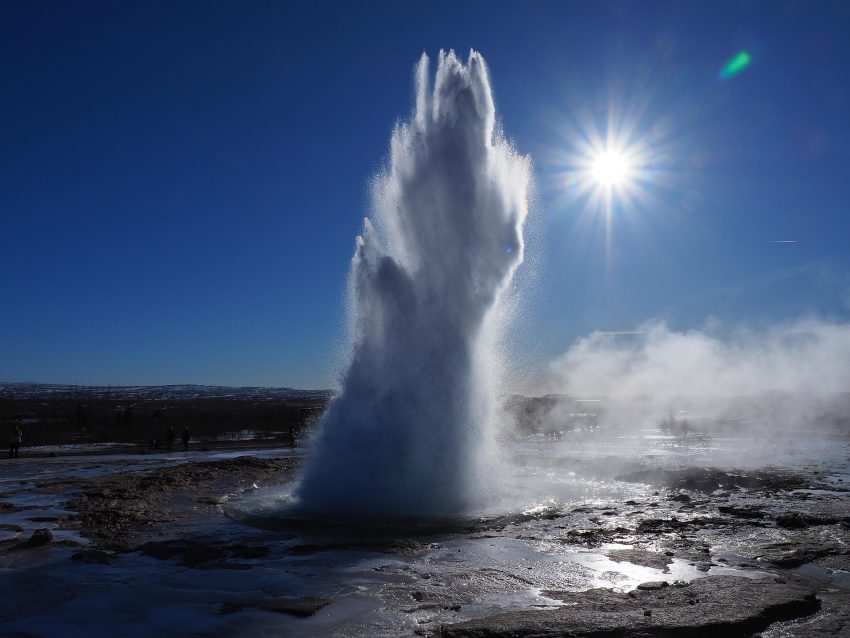
Geysir Geothermal Area is Iceland's classic “front-row” geothermal stop, where steaming vents, bubbling hot pools, and mineral-stained earth sit right beside the road in Haukadalur valley. The headline moment is Strokkur: a dependable geyser that erupts frequently enough that you can arrive, watch a few cycles, and still have time to explore the smaller features without feeling rushed.
This is also one of the most efficient highlights on a Golden Circle route, especially if you’re following a self-guided driving loop that links Þingvellir, Geysir, and Gullfoss in a single day. It works well as a short, high-impact walking stop between longer drives, and it’s easy to combine with a nearby viewpoint or café break to round out the visit.
Table of Contents
- History and Significance of the Geysir Geothermal Area
- Things to See and Do in the Geysir Geothermal Area
- How to Get to the Geysir Geothermal Area
- Practical Tips on Visiting the Geysir Geothermal Area
- Where to Stay Close to the Geysir Geothermal Area
- Is the Geysir Geothermal Area Worth Visiting?
- For Different Travelers
- FAQs for Visiting Geysir Geothermal Area
- Nearby Attractions to the Geysir Geothermal Area
History and Significance of the Geysir Geothermal Area
The Great Geysir is the namesake of geysers worldwide, and the English word “geyser” ultimately traces back to Icelandic usage. Although the Great Geysir is now largely inactive, its legacy is outsized: it helped put Iceland’s geothermal phenomena on the global map and remains a key reference point in the story of how people understand volcanic landscapes.
Today, the area’s main activity centres on Strokkur, located close to the Great Geysir. Its regular eruptions turn the geothermal field into a living demonstration of Iceland’s underground heat, making this stop feel less like a scenic viewpoint and more like a natural “performance” that never repeats exactly the same way twice.
Culturally, Geysir is part of what makes the Golden Circle such a strong first-time route: it’s immediate, accessible, and distinctly Icelandic. Even if you’ve seen waterfalls and mountains before, standing beside hissing vents and watching an eruption from close range tends to feel genuinely new.
Things to See and Do in the Geysir Geothermal Area
Start by positioning yourself around Strokkur and watching a couple of eruption cycles before you wander off; it helps you learn the rhythm of the place and prevents the classic mistake of walking away just before the next blast. You’ll usually notice a swelling dome of water in the vent immediately before the eruption, which is your cue to be ready with your camera.
After that, loop around the Great Geysir and the nearby hot springs, mud pots, and steaming fissures. The colours in the ground are part of the spectacle-rusts, ochres, and pale mineral crusts-so take time to look down as well as outward, and keep to marked paths because the fragile crust can hide dangerously hot water.
If you want a quick “big picture” view, add the short walk toward nearby slopes for a higher angle over the geothermal field. The extra elevation helps you understand how concentrated the activity is within the valley, and it’s a good way to step away from the tight clusters around the main eruptions.
How to Get to the Geysir Geothermal Area
The nearest international gateway for most visitors is Keflavík International Airport (KEF), with Geysir commonly visited as a day trip from Reykjavík or as part of a Golden Circle loop through Southwest Iceland. For the best deals and a seamless booking experience, check out these flights to Reykjavik on Booking.com. Guided Golden Circle tours are widely available and are a practical option in winter conditions or if you want a simple, fixed itinerary.
Iceland has no passenger rail network, so you cannot reach Geysir by train. Train schedules and bookings can be found on Omio. Limited public transport in rural areas means most independent visitors either self-drive or use a tour/shuttle approach rather than relying on scheduled buses.
Driving is straightforward on the main Golden Circle routes, and it gives you control over timing, which is the best way to avoid peak crowds and get clearer views for photos.
Practical Tips on Visiting the Geysir Geothermal Area
- Entrance fee: Free
- Opening hours: 24 Hours
- Official website: https://www.south.is/en/place/geysir-geothermal-area
- Best time to visit: Aim for early morning or later afternoon to miss the busiest tour blocks and get cleaner viewing spots around Strokkur.
- How long to spend: 45-90 minutes is usually ideal, giving you time for multiple eruptions plus a slow loop past the smaller vents and pools.
- Accessibility: The main viewing areas are reached via maintained paths, but surfaces can be uneven, wet, or icy, so plan footwear and pace accordingly.
- Facilities: Expect nearby restrooms, food options, and a convenient stop for a warm drink, but treat the geothermal field itself as an outdoor walk in exposed weather.
Where to Stay Close to the Geysir Geothermal Area
If your priority is maximising sightseeing with minimal driving, base yourself in the Golden Circle corridor so you can reach Geysir early and move on before the busiest hours; if your trip focus is restaurants, museums, and nightlife, stay central in Reykjavík and do the Golden Circle as a day trip.
For the closest, most convenient option, Hotel Geysir sits right by the geothermal area and makes sunrise or late-evening visits easy. Just across the road, Litli Geysir Hotel is another strong choice for keeping logistics simple while staying in the landscape. For a relaxed Golden Circle base with good onward access to other stops, The Hill Hotel at Flúðir works well for pairing geothermal sights with an easy evening wind-down.
Is the Geysir Geothermal Area Worth Visiting?
Yes-this is one of Iceland’s most distinctive, high-reward stops because it offers a reliable eruption experience with very little effort, and it fits naturally into almost any Golden Circle day. It’s a rare attraction where the “main event” is both predictable enough to plan around and unpredictable enough to feel genuinely exciting.
The honest pivot: if you strongly dislike crowd-prone stops or you’ve already built your trip around quieter geothermal experiences, Geysir may feel more like a quick tick than a lingering visit; in that case, you’ll enjoy it most by arriving early, staying tight to a short loop, and moving on.
What Other Travellers Say...

Reviewers describe this as a worthwhile Golden Circle stop with impressive natural scenery and hot springs, and note convenient on-site facilities like restrooms, a restaurant, and a souvenir shop. Common downsides include paid parking, strong sulfur smells, and heavy crowds at peak times. Some visitors found the geyser activity smaller or less reliable than expected, with occasional confusion about which geyser is which or disappointment if eruptions don’t occur during their wait.


For Different Travelers
Families with Kids
This is an easy family-friendly stop because the eruptions are dramatic and frequent, which keeps attention spans engaged. Keep children close and reinforce the “stay on the path” rule, because the hazards here are real even when the walk feels simple.
Couples & Romantic Getaways
For couples, the experience improves noticeably when you avoid the busiest times and slow down long enough to watch several eruptions without rushing. Pair it with a quieter nearby soak or a countryside dinner to balance the high-energy stop with something more relaxed.
Budget Travelers
Geysir is excellent value because it’s free to enter and still delivers a signature Iceland moment. Bring your own snacks and treat on-site purchases as optional, then spend your saved budget on a paid experience elsewhere that’s harder to replicate.
FAQs for Visiting Geysir Geothermal Area
Getting There
Tickets & Entry
Visiting Experience
Tours, Context & Itineraries
Photography
Accessibility & Facilities
Nearby Attractions to the Geysir Geothermal Area
- Gullfoss Waterfall: A powerful two-tier waterfall that's one of the Golden Circle's biggest “wow” moments.
- Þingvellir National Park: A dramatic rift landscape and historic site with easy viewpoints and short walks.
- Kerið Crater: A vivid volcanic crater lake with a quick rim walk and strong photo angles.
- Secret Lagoon (Gamla Laugin): A relaxed geothermal soak near Flúðir that pairs well after a windy outdoor stop.
- Friðheimar Tomato Farm: A popular greenhouse stop for tomato-based meals and a look at Icelandic geothermal agriculture.
The Geysir Geothermal Area appears in our Complete Guide to Visiting Reykjavik!

Moira & Andy
Hey! We're Moira & Andy. From hiking the Camino to trips around Europe in Bert our campervan — we've been traveling together since retirement in 2020!
This website uses affiliate links which may earn a commission at no additional cost to you!
Nearby Attractions
- Gullfoss Waterfall (8.7) km
Waterfalls - Thingvellir National Park (37.6) km
National Park - Silfra Fissure (40.0) km
Natural Phenomenon - Árbær Open Air Museum (76.6) km
Historic Building, Historic Site and Museum - Grasagarður Botanical Garden (78.5) km
Attraction, Gardens and Park - Laugardalslaug (78.7) km
Baths, Pool and Spa - Asmundur Sveinsson Sculpture Museum (79.1) km
Gardens, Museum and Sculpture - Laugarnes Church (79.2) km
Church and Religious Building - Höfði House (79.9) km
Attraction, Historic Building and Historic Site - Háteigskirkja (80.2) km
Church, Historic Building and Religious Building