Gallo-Roman Museum of Lyon-Fourvière
Museum in Lyon
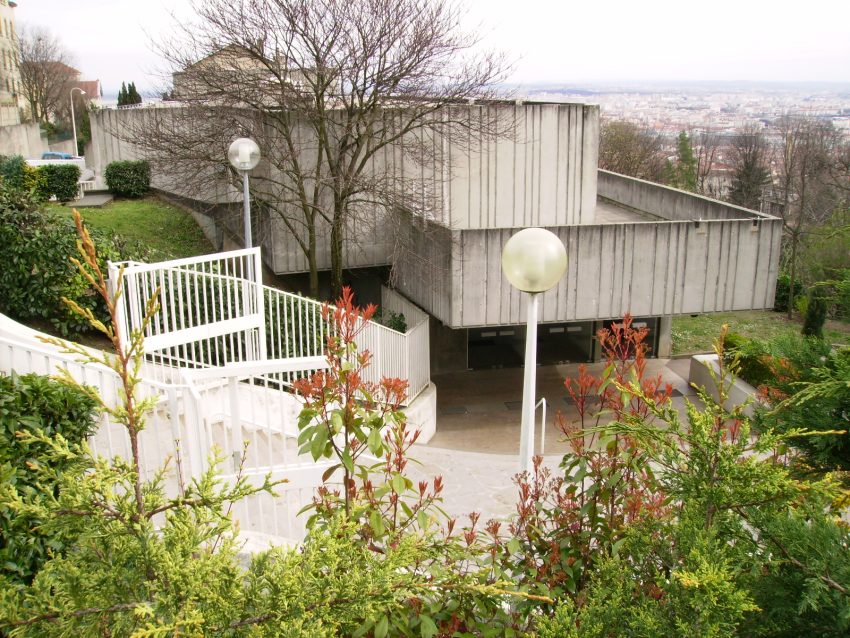
The Gallo-Roman Museum of Lyon-Fourvière is where the ruins on the hill suddenly gain voices, faces and stories. Built discreetly into the slope right next to the Ancient Theatre of Fourvière, its low-profile concrete exterior almost disappears into the landscape. Step inside, though, and the space unfolds in spiralling ramps and galleries that guide you through centuries of life in Roman Lugdunum. It's one of the top attractions in Lyon if you want to understand not just what the Romans built here, but how they lived, worked and celebrated.
As you move down through the museum, you pass mosaics, inscriptions, statues, coins, glassware and everyday tools, each piece carefully lit and explained. Showstoppers like the vast Circus Mosaic and the Claudius Tablet sit alongside delicate household objects and religious items, making the collection feel both grand and intimate. Combined with views out towards the Roman theatres below, this is a great place to visit on a walking tour of Lyon's Fourvière hill, especially if you've just climbed the terraces of the ancient theatre and want to see the city that once filled those seats.
Table of Contents
- History and Significance of the Gallo-Roman Museum of Lyon-Fourvière
- Things to See and Do in the Gallo-Roman Museum of Lyon-Fourvière
- How to Get to the Gallo-Roman Museum of Lyon-Fourvière
- Practical Tips on Visiting the Gallo-Roman Museum of Lyon-Fourvière
- Where to Stay close to the Gallo-Roman Museum of Lyon-Fourvière
- Is the Gallo-Roman Museum of Lyon-Fourvière Worth Visiting?
- FAQs for Visiting Gallo-Roman Museum of Lyon-Fourvière
- Nearby Attractions to the Gallo-Roman Museum of Lyon-Fourvière
History and Significance of the Gallo-Roman Museum of Lyon-Fourvière
The museum tells the story of Lugdunum, the Roman city founded in 43 BCE at the confluence of the Rhône and Saône. As the capital of Roman Gaul, Lugdunum was a major administrative, commercial and religious centre, and the material traces of that importance are exactly what you see here: monuments, inscriptions, luxury goods and more modest everyday belongings all recovered from excavations on and around Fourvière hill. Rather than scattering these finds across different institutions, Lyon chose to anchor them in a dedicated museum beside the main archaeological site.
Architecturally, the museum itself is a statement. Built into the hillside, it was designed so that its mass would not overshadow the nearby Ancient Theatre and Odeon. Inside, a spiralling descent leads you chronologically through the exhibits while maintaining visual connections to the outside ruins through carefully placed windows. It feels almost like walking through a concrete cliff honeycombed with stories, a modern counterpart to the stone terraces of the theatre next door.
The museum’s significance lies in how it knits together objects, site and narrative. Highlights such as the bronze Claudius Tablet, which preserves a speech by Emperor Claudius extending political rights to Gallic elites, show how Lugdunum mattered at the highest imperial levels. Meanwhile, mosaics, funerary steles and domestic artefacts reveal how individual families decorated their homes, honoured their dead and organised daily life. Together, they make the Roman past tangible in a way that complements the open-air remains and underpins Lyon’s status as a UNESCO World Heritage city.
Things to See and Do in the Gallo-Roman Museum of Lyon-Fourvière
Your visit typically begins near the top of the building, where introductory displays set the scene for Roman Lugdunum: its founding, layout and role in the empire. From there, you follow a descending ramp that takes you past galleries dedicated to housing, religion, public life and funerary practices. The layout feels intuitive, and because you’re always gently moving downward, you never have to double back or wonder if you’ve missed a section.
Among the must-see pieces is the Circus Mosaic, an enormous floor mosaic depicting chariot races in loving detail. You can spend several minutes just tracing the tiny scenes of horses, drivers and spectators, imagining it once lying underfoot in a wealthy villa. The Claudius Tablet is another anchor piece: its engraved Latin text, originally displayed in the Roman forum, records a speech that sheds light on imperial policy towards local elites. Around these headline items, you’ll find statues of deities, fragments of monumental architecture, finely worked jewellery and glass, and the remains of everyday utensils that bring ordinary lives into focus.
Many visitors also appreciate the museum’s use of models, reconstructions and interactive elements. Scale models of Roman Lugdunum and its major monuments help you picture how the city once looked, while multimedia displays and temporary exhibitions dive into specific themes like trade, religion or craftsmanship. Before you leave, take time to look out of the large windows down onto the Ancient Theatre and Odeon; seeing the ruins from above, after exploring their artefacts and stories inside, gives a satisfying sense of having pieced a puzzle together.
How to Get to the Gallo-Roman Museum of Lyon-Fourvière
Most visitors coming from farther afield arrive via Lyon-Saint Exupéry Airport (LYS), which offers frequent connections to cities across Europe and some long-haul destinations. For the best deals and a seamless booking experience, check out these flights to Lyon on Booking.com. From the airport, the Rhônexpress tram links directly to Lyon Part-Dieu station, where you can connect to the metro and buses to reach the historic centre.
From within Lyon, the easiest way to the museum is to take metro Line D to Vieux Lyon - Cathédrale Saint-Jean, then transfer to the funicular that climbs Fourvière hill and either walk a short distance from the upper station or follow signs from the Basilica of Notre-Dame de Fourvière down towards the Roman theatres and museum.You can use SNCF Connect to check schedules, compare routes, and purchase tickets for National (SNCF ) and regional trains (TER). For a more streamlined experience, we recommend using Omio, which allows you to easily compare prices, schedules, and book tickets for both National and Regional travel across all of Europe, all in one place. You can also make the ascent on foot via stairways and paths from Vieux Lyon, which adds some effort but rewards you with changing views over the city as you climb.
If you’re travelling by car, you can follow signs up to Fourvière and use nearby parking areas, but roads are narrow and spaces limited, especially in busy seasons.If you are looking to rent a car in France I recommend having a look at Discover Cars, first, as they compare prices and review multiple car rental agencies for you. Many travellers prefer to park on the Presqu'île or in Vieux Lyon and then switch to the funicular or walk. Once you're on the hill, the Gallo-Roman Museum, Ancient Theatre, Odeon and basilica are all within a few minutes' walk of each other, making it easy to combine them in a single visit.
Practical Tips on Visiting the Gallo-Roman Museum of Lyon-Fourvière
- Suggested tips: Start your Fourvière visit at the museum, then explore the theatres outside; having the context first makes the stones and seating feel much more alive.
- Best time to visit: Late morning or mid-afternoon on weekdays tends to be calmer; on hot days, the museum’s cool interior is a welcome break from the sun.
- Entrance fee: €7
- Opening hours: Tuesday to Friday: 11:00 AM – 6:00 PM; Saturday and Sunday: 10:00 AM – 6:00 PM; Closed on Mondays and public holidays
- Official website: https://lugdunum.grandlyon.com/en
- How long to spend: Allow at least 1.5-2 hours for the museum alone; add extra time if you’re visiting the theatres, basilica and viewpoints on the same trip.
- Accessibility: The sloping interior ramps make most of the museum accessible to visitors with reduced mobility, though some external paths around the archaeological sites are steeper and more uneven.
- Facilities: On-site you'll find toilets, a small shop and sometimes a café or vending area; more food options are available down in Vieux Lyon and on the Presqu'île.
- Photography tip: Look for vantage points where you can frame large mosaics or statues with the museum’s concrete architecture, and use the big windows for atmospheric shots of the theatres below.
- Guided tours: Check for scheduled guided visits or audio guides, which can help you get more out of key pieces like the Claudius Tablet and major mosaics.
- Nearby food options: After your visit, head down to Vieux Lyon for a drink or meal in a bouchon, or grab something simple in the old town if you're planning a full day on the hill.
Where to Stay close to the Gallo-Roman Museum of Lyon-Fourvière
For a stay that keeps you close to both the museum and the rest of historic Lyon, Villa Florentine is hard to beat. Set on the slopes of Fourvière, it offers terraces with sweeping views over the city and puts you within walking distance of the Gallo-Roman Museum, the theatres and the basilica.
If you’d rather base yourself in the atmospheric streets at the foot of the hill, Cour des Loges Lyon, a Radisson Collection Hotel combines Renaissance architecture with modern comforts in the heart of Vieux Lyon. From there, you can reach the funicular or walk up to the museum, then wander back through traboules and riverside quays after your visit.
Another good option nearby is Collège Hôtel, a playful, school-themed hotel close to the Saône. It offers easy access to both the Fourvière hill sites above and the lively bars, restaurants and tram connections below, making it a convenient base if you plan to explore widely.
Is the Gallo-Roman Museum of Lyon-Fourvière Worth Visiting?
The Gallo-Roman Museum of Lyon-Fourvière is absolutely worth visiting, especially if you've already been impressed by the ancient theatre outside. Where the stone terraces provide the setting, the museum supplies the cast: emperors, citizens, craftsmen and worshippers, all glimpsed through the objects they left behind. It's quiet, immersive and well explained, making Roman history feel accessible even if you're not a specialist. For many visitors, the combination of museum, theatres and hilltop views becomes one of the most memorable parts of their time in Lyon.
What Other Travellers Say...

Gallo-Roman Museum of Lyon-Fourvière at 17 Rue Cleberg is a modern hillside museum built on a Roman archaeological site with a large collection of art, pottery and coins; visitors praise its striking concrete architecture that unfolds as you move down through the galleries, thoughtful curation of unique and important artifacts (several highlighted as unparalleled), extensive displays tracing Lyon's history, free multilingual audio guides, low-cost or free admission for certain groups, friendly staff, and recommend setting aside at least a couple of hours to explore.


FAQs for Visiting Gallo-Roman Museum of Lyon-Fourvière
Nearby Attractions to the Gallo-Roman Museum of Lyon-Fourvière
- Cathédrale Saint-Jean - Gothic cathedral with a famous astronomical clock, anchoring the main square of Vieux Lyon and easily linked to Fourvière by funicular or walking paths.
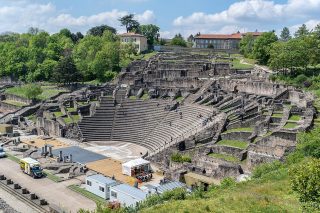
- Ancient Theatre of Fourvière - Lyon's oldest Roman theatre, still used for summer performances and offering great views over the city.
- Roman Odeon of Lyon - A smaller, neighbouring performance space that complements the main theatre and gives a fuller picture of ancient entertainment.
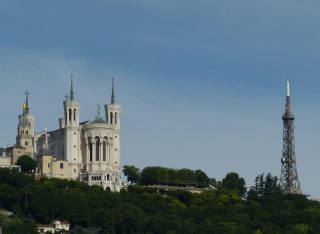
- Basilica of Notre-Dame de Fourvière - The hilltop basilica with rich mosaics and one of the best panoramas of Lyon, just a short walk away.
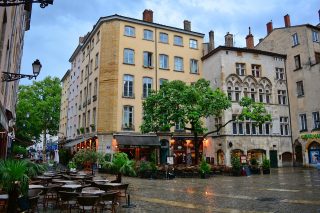
- Vieux Lyon - The Renaissance old town at the foot of the hill, full of traboules, courtyards and traditional bouchons.
The Gallo-Roman Museum of Lyon-Fourvière appears in our Complete Guide to Visiting Lyon!

Moira & Andy
Hey! We're Moira & Andy. From hiking the Camino to trips around Europe in Bert our campervan — we've been traveling together since retirement in 2020!
This website uses affiliate links which may earn a commission at no additional cost to you!
Planning Your Visit
Tuesday to Friday: 11:00 AM - 6:00 PM; Saturday and Sunday: 10:00 AM - 6:00 PM; Closed on Mondays and public holidays
€7
Nearby Attractions
- Ancient Theatre of Fourvière (0.1) km
Roman Site - Odeon of Lyon (0.2) km
Roman Site - Basilica of Notre-Dame de Fourvière (0.3) km
Basilica - Parc des Hauteurs (0.3) km
Park - Ancient Baths of Lyon (0.4) km
Roman Site - Metallic Tower of Fourvière (0.4) km
Tower - Funiculaire de Lyon (0.5) km
Cable Car - Cathédrale Saint-Jean (0.5) km
Cathedral - Place de la Basoche (0.6) km
Square - La Tour Rose (The Pink Tower) (0.6) km
Historic Building and Tower