Fort St. Angelo, Birgu
Castle in Birgu
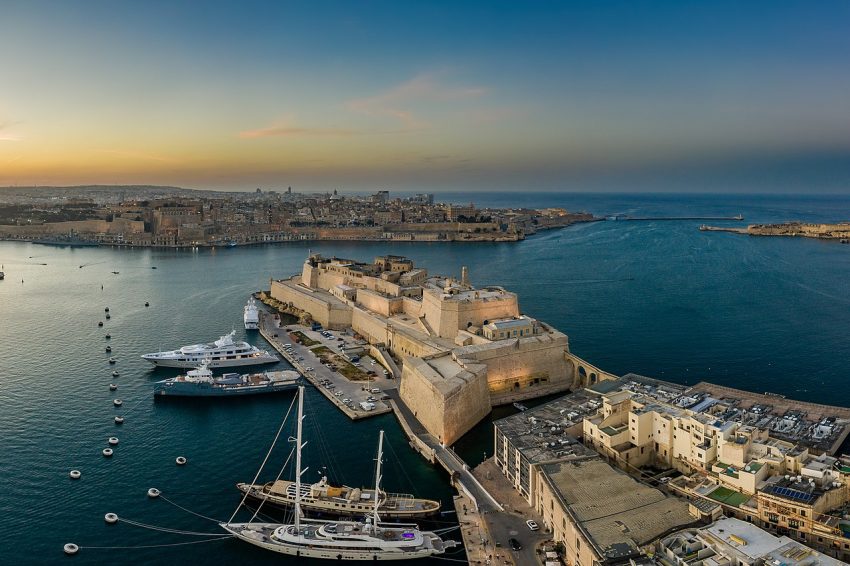
Rising boldly at the tip of the Birgu peninsula, Fort St. Angelo is one of the must-see places in Birgu for travellers seeking Malta's most powerful stories of resilience, warfare, and identity. With roots stretching back to the medieval Castrum Maris of the 13th century, the fortress evolved through every major era of Maltese history. When the Knights of St. John arrived in 1530, they transformed it into a gunpowder-age citadel, creating the first major bastioned fortifications on the island. Its towering position over the Grand Harbour still carries the gravity of centuries of vigilance.
Today the fort is a highlight of any walking tour of Birgu, offering sweeping harbour views, immersive Heritage Malta exhibits, and atmospheric stone ramparts where you can walk in the footsteps of knights, naval officers, and wartime commanders. Few places in Malta allow you to experience such a direct link across a thousand years of history.
History and Significance of Fort St. Angelo
The story of Fort St. Angelo begins long before the arrival of the Knights. By the 1200s, the site was already a fortified Sicilian stronghold known as Castrum Maris - a two-walled compound designed to control and protect the Grand Harbour. When the Order of St. John settled in Malta in 1530, the fort became their principal base. The Knights reinforced its walls, added artillery platforms, and established it as their main bastioned citadel, renaming it Fort St. Angelo.
Its defining moment came during the Great Siege of 1565. As Ottoman forces launched one of the most dramatic sieges in Mediterranean history, Grand Master Jean Parisot de Valette directed defensive operations from within the fort. Despite relentless bombardment, the stronghold never fell. Its endurance became a national legend and cemented its status as Malta’s symbolic heart of resistance.
In 1689, the respected military engineer Carlos Grunenbergh led extensive upgrades, enhancing the fort's coastal defences with four major gun platforms and around fifty artillery pieces. These improvements ensured Fort St. Angelo remained a keystone of Malta's fortifications well into the early modern era.
Under British rule, the fortress transitioned into a naval headquarters. From 1906 onward, the Royal Navy operated its Mediterranean Fleet from here, initially under the name HMS Egmont and later HMS St. Angelo. During World War II, the fort suffered heavy bombardment - 69 direct hits - but continued to function as a command centre. British forces remained until March 1979, when the final withdrawal marked the end of foreign military presence in Malta.
Things to See and Do in Fort St. Angelo
Fort St. Angelo today offers a rich and immersive visitor experience. Its elevated bastions provide some of the best panoramic views of the Grand Harbour, spanning Valletta, Senglea, and Cospicua. Heritage Malta's visitor route guides you through restored halls, chapel spaces, underground areas, and open-air ramparts.
Key highlights include the upper fort, where the Knights directed their Great Siege defence; the restored Chapel of St. Anne, which preserves centuries of devotion; and Heritage Malta’s interactive exhibits documenting the fort’s evolution from medieval stronghold to modern naval base. The British naval rooms, wartime shelters, and coastal artillery platforms reveal the fort’s continued importance long after the Knights departed.
Walking the ramparts is a particular pleasure, with every corner offering new vantage points. The layered architecture - medieval walls beneath Knightly bastions topped by British modifications - tells a visual story unmatched anywhere else in Malta.
How to Get There
Fort St. Angelo stands at the southern end of the Birgu peninsula, easily reached on foot from the waterfront and the historic centre. From Valletta, the Grand Harbour ferry provides the quickest and most scenic access to Birgu's marina. Buses also operate between Valletta and Birgu with stops near the waterfront. If travelling by car, parking is available along the marina and in local car parks near the old town.
Practical Tips on Visiting Fort St. Angelo
- Best time to visit Fort St. Angelo: Morning or late afternoon for cooler temperatures and the best photographic light.
- Entrance fee in Euros: Standard Heritage Malta admission applies.
- Opening hours: Open daily; check Heritage Malta for seasonal schedules.
- Official website: https://heritagemalta.mt
- How long to spend: 1-2 hours for a full visit.
- Accessibility: Some steep sections and uneven surfaces may limit access to certain areas.
- Facilities: Restrooms, small exhibition spaces, and nearby cafés along the waterfront.
- Photography tip: Capture sunset views across the Grand Harbour from the upper bastions.
- Guided tours: Heritage Malta offers guided tours on select days; advance booking recommended.
- Nearby food options: Waterfront restaurants in Birgu serve everything from casual snacks to traditional Maltese dishes.
Where to Stay close to Fort St. Angelo
Birgu and the wider Three Cities provide excellent boutique accommodation options within easy walking distance of the fort. Locanda La Gelsomina offers a refined boutique stay filled with art and character. For a luxurious waterfront option, Cugó Gran Macina Malta delivers sweeping harbour views in a historic setting. Travellers preferring to stay in Valletta but remain just across the water may opt for Casa Asti.
Is Fort St. Angelo Worth Visiting?
Absolutely. Fort St. Angelo is one of Malta's most important landmarks and a deeply atmospheric site. Its role in the Great Siege, its layered military architecture, and its commanding harbour views make it a highlight of any visit to the Three Cities. Whether you're a history lover, photographer, or simply a curious traveller, the fort offers one of the richest heritage experiences in Malta.
What Other Travellers Say...

Fort St Angelo in Birgu is a restored medieval fort on a peninsula offering scenic harbor panoramas and detailed historical displays; visitors praise the well-presented exhibits and restored areas, recommend spending around two hours to explore bastions, residential quarters and media presentations, note excellent photo opportunities from elevated viewpoints and a café partway up for a break, and suggest wandering Birgu itself to enjoy peaceful streets and views across the Grand Harbour toward Valletta.


FAQs for Visiting
Nearby Attractions to Fort St. Angelo
- Malta Maritime Museum: An outstanding museum tracing 7,000 years of maritime history.
- Inquisitor's Palace: One of Europe's few surviving inquisitorial palaces and now a major museum.
- St. Lawrence's Church: Birgu's Baroque parish church and spiritual centre of the Knights.
- Auberge de France: One of the earliest and best-preserved knightly residences in the Collachio.
- Birgu Waterfront: A picturesque promenade lined with cafés, historic façades, and marina views.
The Fort St. Angelo appears in our Complete Guide to Visiting Birgu!

Moira & Andy
Hey! We're Moira & Andy. From hiking the Camino to trips around Europe in Bert our campervan — we've been traveling together since retirement in 2020!
This website uses affiliate links which may earn a commission at no additional cost to you!
Planning Your Visit
Daily 9:00 a.m. - 5:00 p.m. (last admission 4:30 p.m.)
Adults €10
Nearby Attractions
- Birgu Waterfront (0.3) km
- Malta Maritime Museum (0.5) km
Museum - Auberge d’Aragon (0.6) km
Historic Building - Auberge d'Auvergne et Provence (0.6) km
Historic Building - Saluting Battery (0.6) km
Historic Site - War HQ Tunnels (0.6) km
Museum - Auberge de France (0.6) km
Historic Building - Lascaris War Rooms (0.6) km
Museum - Auberge d’Angleterre (0.6) km
Historic Building - St. Lawrence’s Church (0.6) km
Church