Field Cathedral of the Polish Army, Warsaw
Cathedral in Warsaw
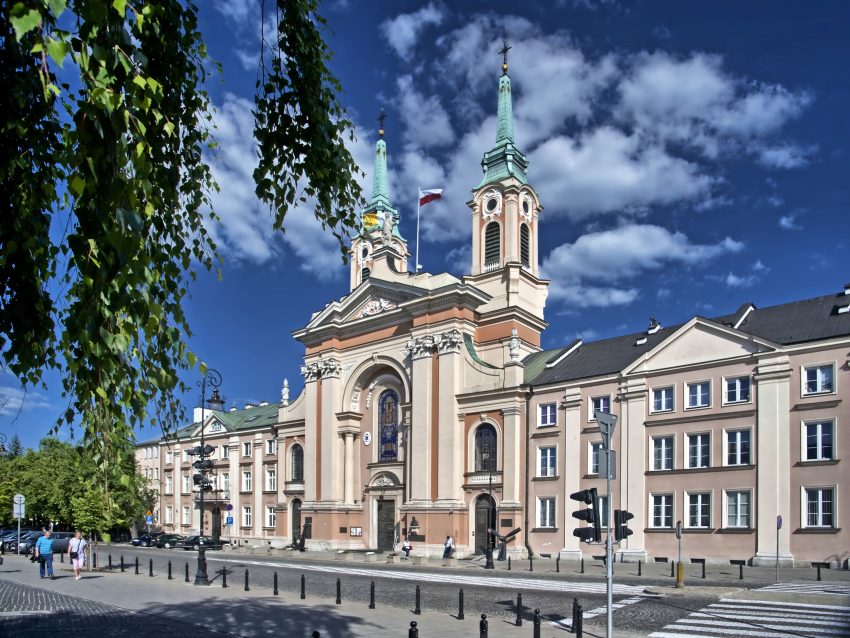
The Field Cathedral of the Polish Army sits on Długa Street on the Old Town/New Town edge, and it's the kind of place you can walk past without realizing how much meaning is held behind its restrained façade. Step inside and the tone changes immediately: the interior is rich with military emblems, memorial plaques, and the quiet language of service and sacrifice, making it feel less like a “tourist church” and more like a living space of national remembrance.
It's also an easy win for an Old Town day because it's close to so many key sights, yet it's rarely as crowded as the main squares. If you're building a culture-heavy itinerary, this is one of the must-see places in Warsaw, and it fits naturally into a walking tour of Warsaw as a reflective pause between the city's headline landmarks.
Table of Contents
- History and Significance of the Field Cathedral of the Polish Army
- Things to See and Do in the Field Cathedral of the Polish Army
- How to Get to the Field Cathedral of the Polish Army
- Practical Tips on Visiting the Field Cathedral of the Polish Army
- Where to Stay Close to the Field Cathedral of the Polish Army
- Is the Field Cathedral of the Polish Army Worth Visiting?
- For Different Travelers
- FAQs for Visiting the Field Cathedral of the Polish Army
- Nearby Attractions to the Field Cathedral of the Polish Army
History and Significance of the Field Cathedral of the Polish Army
The building began life as a late-17th-century church connected to the Piarists, and its long history mirrors Warsaw’s shifting political and cultural tides. Over time it became closely tied to the Polish military, evolving into the country’s principal military church and a ceremonial focal point for state and armed-forces commemorations.
Like so much of Warsaw, it suffered severe damage during World War II, and its post-war rebuilding is part of the city's wider story of restoration and continuity. What you see today is therefore both historical and deliberately reconstructed-an architectural reminder that Warsaw's sacred spaces were rebuilt not just as buildings, but as anchors of memory.
Its modern role is also unusually clear to visitors: this cathedral is an active space that marks anniversaries, honours the fallen, and frames national military history through faith, ritual, and memorial culture. Even if you arrive with no prior context, the symbolism inside is unmistakable.
Things to See and Do in the Field Cathedral of the Polish Army
The first thing to do is simply slow down and look up. The Baroque proportions give the interior a formal, ceremonial feel, and the military character shows in details you’ll keep noticing-inscriptions, standards, and plaques that turn the walls into a record of service.
Do not miss the Katyń Chapel. It is one of the most affecting memorial spaces in Warsaw, commemorating Polish officers murdered in 1940, and it's designed for quiet reflection rather than quick sightseeing. Give it time, read a few names, and let the scale of remembrance land.
Afterward, step back into the nave and notice how the whole visit balances beauty with gravity. It’s a stop that doesn’t demand hours, but it tends to stay with you longer than you expect-especially if you’re exploring Warsaw’s 20th-century history in parallel.
How to Get to the Field Cathedral of the Polish Army
Reaching the cathedral is straightforward once you're in the Old Town/New Town area: it's on Długa Street, and the easiest approach is usually on foot from Castle Square, the Old Town Market Square, or Krasiński Square. If you're coming from elsewhere in the city, take public transport toward the Old Town edge and walk the final stretch, since the historic core is more pleasant (and often quicker) on foot than by car.
The nearest airports are Warsaw Chopin Airport (WAW) and Warsaw Modlin Airport (WMI). For the best deals and a seamless booking experience, check out these flights to Warsaw on Booking.com.
From the main rail hubs (especially Warszawa Centralna and Warszawa Śródmieście), connect onward by Metro/tram/bus toward the city centre/Old Town area and walk the last minutes into the historic streets. You can easily check schedules and book tickets through the PKP Intercity website. However, for a smoother experience, we recommend using Omio, which simplifies the booking process and lets you compare prices and schedules all in one place.
If you're driving, park outside the Old Town in a paid garage around central Śródmieście and walk in, as access and parking near the cathedral can be limited and slow. If you are looking to rent a car in Poland I recommend having a look at Discover Cars, first, as they compare prices and review multiple car rental agencies for you.
Practical Tips on Visiting the Field Cathedral of the Polish Army
- Entrance fee: Free.
- Opening hours: Tuesday – Sunday: 10:00–18:00. Closed on Monday.
- Official website: https://katedrapolowa.pl/
- Best time to visit: Go mid-morning on a weekday for the calmest atmosphere, and aim to avoid service times so you can move quietly and unhurriedly.
- How long to spend: 20-40 minutes works well for a focused visit, or longer if you want to spend time in the Katyń Chapel and read memorial inscriptions carefully.
- Accessibility: The main interior is generally manageable, but historic thresholds and side-chapel access can vary; if step-free entry is essential, check the latest access notes before you go.
- Facilities: Treat this as a reflective stop rather than a full-service museum; plan cafés and longer breaks in the Old Town or nearby central streets.
Where to Stay Close to the Field Cathedral of the Polish Army
For a culture-heavy itinerary, base yourself in the Old Town/New Town edge so you can walk to the city's historic sights early and late; if your priority is nightlife and fast transport links across Warsaw, choose central Śródmieście near major Metro connections.
For a quiet, high-comfort base close to the cathedral and the Old Town lanes, Mamaison Hotel Le Regina Warsaw is ideal for a calmer, heritage-forward stay. If you prefer a boutique feel with strong walkability to major landmarks, Hotel Bellotto keeps you close to the Royal Castle area while staying tucked away from the busiest crowds. For a classic, well-connected option that still makes Old Town visits easy, Sofitel Warsaw Victoria works especially well if you’re balancing historic sights with museums across the centre.
Is the Field Cathedral of the Polish Army Worth Visiting?
Yes, particularly if you want to understand Warsaw beyond its postcard views. The cathedral is beautiful, but its real impact comes from how openly it carries Poland's 20th-century wounds and military memory-especially in the Katyń Chapel, which makes the visit feel personal rather than abstract.
It’s also a smart addition to an Old Town day because it’s close, calm, and meaningful without requiring a long time commitment. If you’re choosing between “another pretty church” and a place that adds genuine depth to your route, this one earns its spot.
What Other Travellers Say...

The Field Cathedral of the Polish Army at Duługa 13/15 in Warszawa is a large, impressive Baroque-era cathedral near the Uprising Monument noted for its striking architecture, peaceful atmosphere and stained-glass window behind the altar; the interior serves as a tribute to the Polish military, with many commemorative plaques and war memorials that make it a moving stop for visitors.


For Different Travelers
Families with Kids
This can work well for families as a short, story-led stop, especially if you frame it around simple themes like remembrance, symbols, and why cities rebuild after war. Keep the pace brisk, choose a couple of details to point out, and avoid turning it into a long, silent visit that feels heavy for younger children.
For older kids and teens, the Katyń Chapel can be a powerful history moment if you introduce it gently and keep explanations clear and factual. Pair the cathedral with an outdoor walk afterward so the day stays balanced.
Couples & Romantic Getaways
For couples, this is a quieter, more intimate Old Town stop-less about romance and more about shared reflection in a beautiful space. It’s the kind of visit that naturally slows you down, and it often becomes a memorable contrast to the buzz of the main squares.
It pairs especially well with a longer stroll afterward through the Old Town lanes or toward nearby gardens. If you like travel that includes meaning as well as scenery, this place fits that style.
Budget Travelers
This is an excellent budget stop because it’s free and sits on walking routes you’ll likely do anyway. You get a high-impact cultural experience without adding cost, and you can build a full day around the Old Town, memorial sites, and nearby parks on foot.
If you're watching spending, use the cathedral as a “depth stop” between free landmarks, then save your paid entry for one or two headline museums elsewhere. It's a smart way to keep the itinerary rich without stacking ticket costs.
FAQs for Visiting the Field Cathedral of the Polish Army
Getting There
Tickets & Entry
Visiting Experience
Tours, Context & Itineraries
Photography
Accessibility & Facilities
Food & Breaks Nearby
Safety & Timing
Nearby Attractions to the Field Cathedral of the Polish Army
- POLIN Museum of the History of Polish Jews: One of Warsaw's most important museums, offering deep context on Polish-Jewish history and the city's past.
- Warsaw Uprising Monument: A powerful memorial nearby that adds immediate historical context to this part of the city.
- Krasiński Garden: A peaceful green space for a short decompression walk after heavier history stops.
- Krasiński Palace (Palace of the Commonwealth): A striking Baroque landmark that layers cultural heritage onto the same neighborhood route.
- Warsaw Old Town Market Square: The classic heart of the UNESCO-listed Old Town, ideal for a scenic stroll and quick café stop.
The Field Cathedral of the Polish Army appears in our Complete Guide to Visiting Warsaw!

Moira & Andy
Hey! We're Moira & Andy. From hiking the Camino to trips around Europe in Bert our campervan — we've been traveling together since retirement in 2020!
This website uses affiliate links which may earn a commission at no additional cost to you!
Planning Your Visit
Tuesday - Sunday: 10:00-18:00.
Closed on Monday.
Free.
Nearby Attractions
- Warsaw Uprising Monument (0.1) km
Monument - Mały Powstaniec, Little Insurgent Monument (0.2) km
Monument - Warsaw Ghetto Boundary Markers (0.2) km
Historic Site - Krasiński Palace (0.2) km
Palace - Jan Kiliński Monument (0.3) km
Monument - Krasiński Garden (0.3) km
Gardens - Warsaw Barbican (0.3) km
Castle - Maria Skłodowska-Curie Museum (0.3) km
Museum - Old Town Market Square (0.4) km
Square - Mermaid of Warsaw (0.4) km
Statue