Ethnographic Museum in Wrocław
Museum in Wrocław
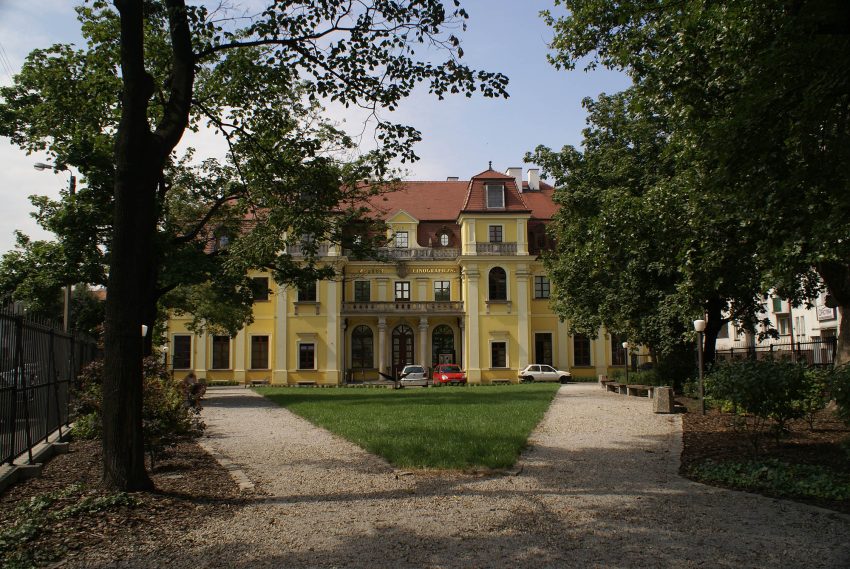
The Ethnographic Museum in Wrocław (Muzeum Etnograficzne we Wrocławiu) is the sort of museum that makes a city feel more personal. Instead of focusing on grand politics or headline masterpieces, it invites you into the rhythms of everyday life-how homes were arranged, what people wore, how they worked, and how the calendar of festivals and rituals shaped the year. You'll find it at ul. R. Traugutta 111-113, in a location that's easy to reach from the centre while still feeling slightly off the main tourist conveyor belt.
If you've already done the big Old Town highlights, this is one of the things to do in Wrocław that adds real depth, because it explains the region through objects that were actually used and handled. It also slots neatly into a walking tour of Wrocław when you want a calmer, more reflective stop that still feels unmistakably tied to place.
Table of Contents
- History and Significance of the Ethnographic Museum in Wrocław
- Things to See and Do in the Ethnographic Museum in Wrocław
- How to Get to the Ethnographic Museum in Wrocław
- Practical Tips on Visiting the Ethnographic Museum in Wrocław
- Where to Stay Close to the Ethnographic Museum in Wrocław
- Is the Ethnographic Museum in Wrocław Worth Visiting?
- For Different Travelers
- FAQs for Visiting the Ethnographic Museum in Wrocław
- Nearby Attractions to the Ethnographic Museum in Wrocław
History and Significance of the Ethnographic Museum in Wrocław
As a branch of Wrocław's museum network, the Ethnographic Museum focuses on folk culture and the lived experience of the region-what communities preserved, what they adapted, and what they carried forward through enormous social change. In Lower Silesia, that story is especially layered, shaped by shifting borders and post-war population movements that brought different traditions into contact and, over time, into shared local memory.
The museum’s significance is in how it captures culture as something practical, not abstract: tools, textiles, household objects, devotional items, and decorative crafts that show how identity was expressed in kitchens, workshops, and village celebrations. It’s a place where you can see how “heritage” is built from repeated habits-seasonal rituals, craft skills, and community life-rather than from singular historic events.
For visitors, it’s also a useful counterbalance to Wrocław’s more monumental landmarks. You leave with a clearer sense of the region behind the city: rural life, family customs, and the everyday aesthetics that shaped what people considered beautiful, proper, or meaningful.
Things to See and Do in the Ethnographic Museum in Wrocław
Start with the reconstructed interiors and domestic scenes, where the museum’s storytelling becomes most immediate. These displays make it easy to imagine how spaces were used day-to-day-where work happened, where guests were received, and how religious or ceremonial items fit into ordinary rooms.
Next, look for the sections tied to the seasonal calendar: festivals, harvest traditions, and holiday rituals that structured the year. Even if you’re not an expert in folklore, these galleries are engaging because the objects often come with a clear purpose-worn, carried, hung, offered, or displayed in a way that connects directly to lived practice.
Finally, give yourself time for craft and material culture: textiles, costume elements, tools, and decorative techniques that reveal how local skill and identity were passed along. If you enjoy museums that reward close looking, this is where you’ll find the most detail, and it’s often the part that stays with you afterwards.
How to Get to the Ethnographic Museum in Wrocław
Copernicus Airport Wrocław (WRO) is the nearest airport, and the simplest approach is to travel into the city centre by bus or taxi, then continue on foot or by tram toward the Traugutta area. For the best deals and a seamless booking experience, check out these flights to Wrocław on Booking.com.
If you arrive by rail, come into Wrocław Główny, then take a short tram/bus hop or an easy walk depending on your luggage and the weather. You can easily check schedules and book tickets through the PKP Intercity website. However, for a smoother experience, we recommend using Omio, which simplifies the booking process and lets you compare prices and schedules all in one place.
If you’re travelling by car, plan to use paid parking in the wider centre and walk the final stretch, as street parking can be limited and slower than it looks on a map. If you are looking to rent a car in Poland I recommend having a look at Discover Cars, first, as they compare prices and review multiple car rental agencies for you.
Practical Tips on Visiting the Ethnographic Museum in Wrocław
- Entrance fee: 10 zł (permanent exhibition); 15 zł (permanent + temporary exhibitions).
- Opening hours: Tuesday – Saturday: 10:00–16:00. Sunday: 10:00–18:00. Closed on Monday.
- Official website: https://mnwr.pl/en/branches/ethnographic-museum/information/
- Best time to visit: Go mid-morning on a weekday for a quieter, unhurried circuit through the galleries, especially if you like reading labels and comparing details.
- How long to spend: Allow 1.5-2.5 hours for a satisfying visit; add extra time if you want to linger in the interiors and craft sections.
- Accessibility: Expect a museum layout that may include older-building quirks; if mobility is a concern, plan a simple route and ask staff for the easiest way to cover the highlights.
- Facilities: Treat this as a museum-focused stop and plan your main café break before or after, using the surrounding central areas for the widest choice.
Where to Stay Close to the Ethnographic Museum in Wrocław
For a culture-heavy itinerary, base yourself in the Old Town/central core so you can walk to major sights and enjoy evenings without transport planning; if your trip is built around arrivals, departures, and day trips, staying near Wrocław Główny is the most efficient option.
For a classic, central stay with easy access to both the Old Town and museum stops, Hotel Monopol Wrocław is a strong choice for an “everything on foot” city break. If you prefer a modern, design-forward base that still keeps you close to central routes, PURO Wrocław Stare Miasto works well for a walk-and-wander itinerary. For maximum transport convenience while staying within easy reach of the centre, Scandic Wrocław is especially practical for early trains and smooth logistics.
Is the Ethnographic Museum in Wrocław Worth Visiting?
Yes-especially if you want to understand the region rather than just photograph it. The museum's strength is its intimacy: it makes history tangible through objects that were used, repaired, and valued in daily life, and it adds context that improves everything else you see in Wrocław.
It’s also a smart choice when you want a museum that feels different from standard painting-and-frames galleries. If you like culture through craft, tradition, and everyday storytelling, it delivers.
What Other Travellers Say...

Muzeum Etnograficzne - Oddział Muzeum Narodowego, housed in an 18th-century palace at Generała Romualda Traugutta 111/113 in Wrocław, presents the folk culture and social history of Lower Silesia through collections of traditional clothing, crafts, tools, photos and recreated workplace scenes; visitors praise the informative displays and helpful staff, note useful guides, and some mention that the exhibits are compact (a brief visit can cover the permanent displays), with limited space upstairs and occasional glare when photographing; practical notes from visitors include shorter closing hours in autumn and winter and combined-ticket options when visiting nearby attractions.


For Different Travelers
Families with Kids
This museum works best for families when you make it visual and practical: focus on rooms, clothing, and objects that clearly had a purpose, and keep the pace brisk. Children often engage more when the question is “What is this for?” rather than “What year is this from?”
Plan for a shorter visit with a clear endpoint, then follow it with a snack break and some outdoor walking. That rhythm keeps attention high and makes the museum feel like part of a varied day rather than a long indoor block.
Couples & Romantic Getaways
For couples, the Ethnographic Museum is a thoughtful contrast to the Old Town’s buzz-quieter, more reflective, and often surprisingly moving because it’s about real lives rather than abstract timelines. It suits a slower travel style where you want to talk about what you’re seeing and compare it to what you’ve noticed in the city.
Pair it with a relaxed café stop afterwards and a gentle walk back toward the centre. It’s a good way to build a “culture then wander” afternoon that feels calm but meaningful.
Budget Travelers
This is a strong budget-friendly museum choice because it offers a lot of substance for a modest ticket, and it doesn’t demand expensive add-ons to feel complete. If you plan well, it can anchor half a day that’s mostly walking, looking, and learning.
Keep your costs down by building a self-guided route that connects museum time with free city scenery-bridges, streetscapes, and public spaces-rather than relying on paid attractions back-to-back.
History Buffs
If you care about how history is lived, not just recorded, this museum is a standout. Folk culture galleries often reveal what official histories skip: how beliefs were practised at home, how work shaped identity, and how communities adapted tradition through upheaval.
Take your time with the sections tied to post-war change and regional diversity, because that's where Lower Silesia's layered identity becomes clearest. You'll leave with a sharper lens for reading Wrocław itself.
FAQs for Visiting the Ethnographic Museum in Wrocław
Getting There
Tickets & Entry
Visiting Experience
Tours, Context & Itineraries
Photography
Accessibility & Facilities
Food & Breaks Nearby
Safety & Timing
Nearby Attractions to the Ethnographic Museum in Wrocław
- Panorama of the Battle of Racławice: A unique, immersive painting experience that pairs well with a culture-heavy day.
- National Museum in Wrocław: The main art-and-history collection in an iconic riverside building, ideal for a second museum stop.
- Ostrów Tumski: The cathedral island district, best for a slower, atmospheric walk after indoor time.
- Wrocław Market Square (Rynek): The city's headline medieval square for architecture, cafés, and people-watching.
- Hydropolis: A modern, interactive water-themed museum that’s a fun contrast to folklore and traditional culture.
The Ethnographic Museum in Wrocław appears in our Complete Guide to Visiting Wrocław!

Moira & Andy
Hey! We're Moira & Andy. From hiking the Camino to trips around Europe in Bert our campervan — we've been traveling together since retirement in 2020!
This website uses affiliate links which may earn a commission at no additional cost to you!
Planning Your Visit
Tuesday - Saturday: 10:00-16:00.
Sunday: 10:00-18:00.
Closed on Monday.
10 zł (permanent exhibition); 15 zł (permanent + temporary exhibitions).
Nearby Attractions
- National Museum of Wrocław (1.3) km
Museum - Raclawice Panorama (1.3) km
Gallery - Wroclaw Puppet Theater (1.5) km
Theatre - Wroclaw Cathedral (1.7) km
Cathedral - Monument to the Anonymous Passer-by (1.7) km
Sculpture - Wroclaw Opera House (1.7) km
Opera House - Cathedral of St. Mary Magdalene (1.7) km
Church - Wroclaw Dwarfs (1.7) km
Historic Site - Cathedral Island (1.7) km
Area and Island - Wroclaw Market Hall (1.7) km
Market