Ethnographic Museum, Zagreb
Attraction and Museum in Zagreb
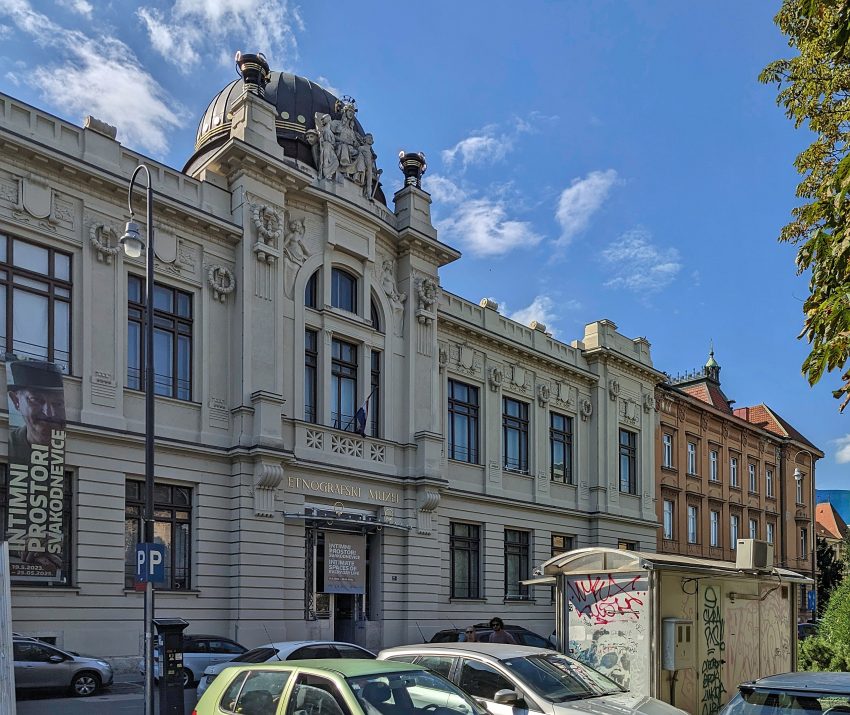
The Ethnographic Museum in Zagreb is a small-but-mighty stop in the city center that brings Croatian everyday life, craftsmanship, and regional identity into sharp focus. Set on Mažuranić Square in the Lower Town, it's an easy add-on between the main parks, museums, and café-lined streets that make central Zagreb so walkable.
If you're doing a walking tour of Zagreb's core sights, this museum fits perfectly as an indoor break: close to the Green Horseshoe parks, not far from Ban Jelačić Square, and a quick stroll from other cultural institutions in the Lower Town. It's also one of the best places in the city to understand Croatia beyond postcards, through clothing, textiles, household objects, and thoughtfully curated temporary exhibitions.
Table of Contents
- History and Significance of the Ethnographic Museum
- Things to See and Do in the Ethnographic Museum
- How to Get to the Ethnographic Museum
- Practical Tips on Visiting the Ethnographic Museum
- Where to Stay Close to the Ethnographic Museum
- Is the Ethnographic Museum Worth Visiting?
- For Different Travelers
- FAQs for Visiting Ethnographic Museum
- Nearby Attractions to the Ethnographic Museum
History and Significance of the Ethnographic Museum
The Ethnographic Museum in Zagreb was founded in the early 20th century and grew out of several important collections assembled in the city, eventually becoming Croatia's leading institution dedicated to ethnology and cultural anthropology. Over time, its work expanded from preserving objects to documenting living traditions and interpreting how culture changes across generations.
The museum’s location in Zagreb’s Lower Town places it in a historic urban setting that matches its mission: connecting daily life, craft, and identity to the broader story of the country. Its collections span regional Croatian heritage as well as items linked to travel, exchange, and the Croatian diaspora, which helps visitors see Croatia as both rooted and outward-looking.
Today, the museum's significance is not only in what it preserves, but in how it explains context: why certain garments were worn, how materials were made, what rituals meant, and how families lived. That makes it especially rewarding even if you've already visited more “headline” museums in Zagreb.
Things to See and Do in the Ethnographic Museum
Start with the displays of traditional clothing and textiles, which are often the highlight for first-time visitors. You’ll see how different regions expressed identity through embroidery, fabric choices, and distinctive cuts, and you’ll come away with a clearer sense of Croatia’s cultural diversity within a relatively small geographic area.
Beyond costume, look for household interiors, furniture, tools, and everyday objects that tell stories about work, family life, and seasonal rhythms. The museum also tends to do a strong job with interpretation, using photos, labels, and multimedia to make the material accessible even if you’re not a specialist.
Finally, leave time for the temporary exhibitions. These rotating shows are frequently what turns a quick visit into a memorable one, especially when they connect Croatian life to wider themes like travel, intimacy, migration, or changing social norms.
How to Get to the Ethnographic Museum
The nearest airports are Zagreb Airport (Franjo Tuđman Airport) for the simplest arrival, with additional options via Ljubljana or even Venice if you're building a multi-city itinerary. For the best deals and a seamless booking experience, check out these flights to Zagreb on Booking.com.
If you're coming to Zagreb by rail, you'll typically arrive at Zagreb Glavni kolodvor (the main station), which is walkable or a short tram ride from the museum in the Lower Town. Train schedules and bookings can be found on Omio.
If you’re traveling by car, aim for a central garage and continue on foot, since street parking in the center can be limited and traffic can slow down around peak times.
Practical Tips on Visiting the Ethnographic Museum
- Official website: https://emz.hr/en/
- Entrance fee: Adults: €4; Students & seniors: €3; Family ticket: €7; Under 5: free.
- Opening hours: Tuesday – Friday: 10:00–18:00. Saturday – Sunday: 10:00–13:00. Closed on Monday. Closed on public holidays.
- Best time to visit: Go midweek for the calmest galleries, especially in late morning when the museum first gets going but before lunch crowds.
- How long to spend: Plan 60–90 minutes for a satisfying visit, or up to 2 hours if you like reading labels and catching a temporary exhibition.
- Accessibility: Step-free access is possible via a ramp, but it’s best to contact the museum in advance because the slope is non-standard and may require assistance.
- Facilities: There’s a museum gift shop with locally inspired souvenirs and craft-focused items, plus publications if you want deeper context.
Where to Stay Close to the Ethnographic Museum
Base yourself in Zagreb’s Lower Town (Donji Grad) for the easiest walking access to museums, parks, cafés, and tram connections.
Esplanade Zagreb Hotel A classic choice near the main station and the Green Horseshoe parks, ideal if you want a landmark stay with polished service and an easy walk to the museum.
Hotel Dubrovnik Right by Ban Jelačić Square, this is a practical, central base that makes it simple to combine the museum with Old Town strolls and evening dining.
Canopy by Hilton Zagreb City Centre A modern, design-forward option that works well for travelers who want contemporary comfort while staying close to the center.
Hotel Jägerhorn A small, character-rich hotel near the edge of the pedestrian core, great if you like boutique vibes and quick access to both Lower Town and Upper Town.
The Westin Zagreb A reliable full-service hotel near central Zagreb’s museums and parks, a good pick if you value amenities and a straightforward, comfortable stay.
Is the Ethnographic Museum Worth Visiting?
Yes, especially if you want a deeper understanding of Croatia that goes beyond architecture and city views. It’s compact, well-curated, and consistently rewarding for travelers interested in traditional dress, textiles, and the human stories behind everyday objects.
Honest Pivot: If you're short on time and only want “big spectacle” attractions, you might prefer to prioritize panoramic viewpoints, major art highlights, or a themed museum that matches a niche interest. The Ethnographic Museum shines most when you're curious about culture and context, not just checking off landmarks.
What Other Travellers Say...

Visitors rate the Ethnographic Museum very highly overall, often describing it as an underrated gem that's small but well worth the stop. Common highlights include the impressive displays of Croatian traditional clothing and textiles, clear storytelling that helps you understand everyday life and history, and the variety added by multiple temporary exhibitions (including themes that connect Croatia to wider travel and cultural exchange). A minor downside mentioned implicitly is that it's not a large museum, so travelers expecting a big, all-afternoon attraction may find it more of a compact visit.


For Different Travelers
The Ethnographic Museum works best as a flexible, low-stress stop: you can keep it quick, or slow down and let the details pull you in. Because it's central and indoors, it's also an easy choice when the weather turns or you want a break from walking.
Families with Kids
For families, the visual impact of traditional clothing, patterns, and unusual objects can be surprisingly engaging, even for kids who aren’t “museum people.” It’s a manageable size, which helps avoid the fatigue that can happen in larger institutions.
To make it smoother, treat it like a scavenger-hunt visit: pick a few themes (colors, materials, tools, or “what would you wear?”) and let kids lead. If you’re visiting on a weekend, it can also pair nicely with a short park break nearby.
Couples & Romantic Getaways
Couples often enjoy this museum because it's intimate and conversation-friendly, with exhibits that naturally spark stories about travel, home, and traditions. It's also a great rainy-day plan that still feels distinctly Zagreb.
Make it part of a relaxed cultural afternoon: museum first, then coffee and cake in the center, followed by a sunset walk toward Upper Town. The museum's rotating exhibitions can add a fresh angle even if you've done other Zagreb museums.
Budget Travelers
For budget travelers, the Ethnographic Museum is strong value: you get a meaningful cultural experience without a big-ticket price. Its central location also means you can walk there and avoid extra transport costs.
If you’re building a low-cost itinerary, combine it with free city highlights like strolling the Green Horseshoe parks, exploring the pedestrian streets around the main square, and timing your day around affordable bakeries and casual cafés.
History Buffs
History-focused travelers will appreciate how the museum fills in the “missing middle” between major events and daily life. Clothing, tools, and domestic objects explain how people actually lived, worked, and marked life milestones.
It’s also a useful companion visit before heading to other historical sights, because it gives you regional context: what differed from place to place, what stayed consistent, and how outside influences entered Croatian life through trade, travel, and migration.
FAQs for Visiting Ethnographic Museum
Getting There
Tickets & Entry
Visiting Experience
Tours, Context & Itineraries
Photography
Accessibility & Facilities
Food & Breaks Nearby
Safety & Timing
Nearby Attractions to the Ethnographic Museum
- Croatian National Theatre in Zagreb: A landmark building nearby, great for architecture lovers and evening performances.
- Museum of Arts and Crafts: A strong companion museum if you enjoy design, decorative arts, and material culture.
- Zrinjevac Park: One of the prettiest Green Horseshoe parks for a relaxed stroll and a quick city break.
- Ban Jelačić Square: The city's central meeting point and an easy hub for exploring the pedestrian core.
- Upper Town (Gornji Grad): A short trip uphill for historic streets, viewpoints, and Zagreb’s older civic landmarks.
The Ethnographic Museum appears in our Complete Guide to Visiting Zagreb!

Moira & Andy
Hey! We're Moira & Andy. From hiking the Camino to trips around Europe in Bert our campervan — we've been traveling together since retirement in 2020!
This website uses affiliate links which may earn a commission at no additional cost to you!
Planning Your Visit
Tuesday - Friday: 10:00-18:00.
Saturday - Sunday: 10:00-13:00.
Closed on Monday.
Closed on public holidays.
Adults: €4; Students & seniors: €3; Family ticket: €7; Under 5: free.
Nearby Attractions
- Zagreb Funicular (0.7) km
Attraction, Cable Car and Funicular - Archaeological Museum (0.7) km
Museum - Ilica Street (0.7) km
Area, Street and Walk - Lotršcak Tower (0.8) km
Historic Site, Tower and Viewing Point - Museum of Broken Relationships (0.8) km
Museum - Ban Jelačić Square (0.8) km
Area, Attraction and Square - Croatian Museum of Naive Art (0.8) km
Arts Venue, Gallery and Museum - Dolac Market (0.9) km
Bazaar and Market - Saint Mark's Church and Square (0.9) km
Church, Historic Site and Square - Kamenita Vrata (0.9) km
City Gate, Historic Site and Religious Building