Espace Mer et Littoral, Antibes
Attraction, Historic Site and Monument in Antibes

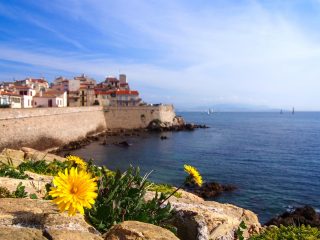
Posidonia, Espace Mer et Littoral is one of the most unusual places to visit on Cap d'Antibes because it combines a small museum, a historic military site, and a protected stretch of Mediterranean coastline in one stop. Housed in the Batterie du Graillon at the southern tip of the cape, it looks out over the sea from a dramatic rocky setting, with a panoramic tower terrace and pine-shaded grounds that feel far removed from the busier beaches and marinas nearby.
What makes it memorable is that the visit is not only about objects in display cases. Inside, the site introduces the marine and coastal habitats of this part of the Riviera through aquariums, immersive exhibits, and interpretation focused on the Mediterranean environment, while outside you get the landscape itself: Aleppo pines, limestone cliffs, sea views, and walking paths through a protected Natura 2000 setting.
Table of Contents
- History and Significance of the Posidonia, Espace Mer et Littoral
- Things to See and Do in the Posidonia, Espace Mer et Littoral
- How to Get to the Posidonia, Espace Mer et Littoral
- Practical Tips on Visiting the Posidonia, Espace Mer et Littoral
- Where to Stay Close to the Posidonia, Espace Mer et Littoral
- Is the Posidonia, Espace Mer et Littoral Worth Visiting?
- For Different Travelers
- FAQs for Visiting Posidonia, Espace Mer et Littoral
History and Significance of the Posidonia, Espace Mer et Littoral
The Graillon Battery has a long defensive history tied to the strategic position of Cap d’Antibes above the sheltered Bay of Golfe-Juan. The site’s military origins go back centuries, and the watchtower now at the heart of the visit reflects the long importance of this coastline for surveillance and coastal defense. The current museum presentation also highlights that military past, helping visitors understand why such a relatively small fortification mattered so much on this stretch of shore.
In recent years, the site has been reimagined rather than simply preserved. Managed by the City of Antibes Juan-les-Pins on land owned by the Conservatoire du Littoral, it was transformed into an environmental education space that links heritage with ecology. That shift gives the place real depth: you are not just visiting a former fort, but a cultural and natural site designed to explain the marine and terrestrial life of the Mediterranean coast.
Its significance today comes from that double identity. Posidonia, Espace Mer et Littoral sits within a Natura 2000 protected area and introduces visitors to seagrass meadows, coralligenous habitats, cliffs, and pine woodland, all while preserving the memory of the old battery. It is a good example of how the Riviera's military sites can be adapted into places of education, conservation, and slow travel rather than left as static monuments.
Things to See and Do in the Posidonia, Espace Mer et Littoral
The main indoor draw is the museum experience itself, which focuses on the four major Mediterranean habitats and includes a 10,000-litre aquarium showcasing local marine life. There is also a virtual dive experience and a multimedia presentation on the military history of the Batterie du Graillon, which gives the visit more variety than you might expect from a modest coastal museum.
One of the best reasons to come, though, is the setting. From the top of the tower, the 360-degree view stretches across the Gulf of Juan and along the coast, making this a rewarding lookout even for travelers who usually skip small museums. The terrace and upper levels give the site a sense of openness that works especially well on a clear day, when the visit feels as much about the landscape as the exhibitions.
Outside, the pine forest and botanical trail are worth lingering over, especially if you enjoy places where culture and nature blend together. Depending on the season and programme, the site also offers guided activities such as snorkeling, kayaking, and educational workshops, which make it a stronger stop for families, curious older children, and travelers who want more than a quick photo stop on Cap d’Antibes.
How to Get to the Posidonia, Espace Mer et Littoral
The nearest major airport is Nice Côte d'Azur Airport, which is the most practical arrival point for almost all visitors heading to Antibes and Cap d'Antibes. From there, you can continue by road or by rail to Antibes or Juan-les-Pins before heading onward to the site. For the best deals and a seamless booking experience, check out these flights to Antibes on Booking.com.
If you are coming by train, the easiest rail access is via Antibes or Juan-les-Pins station, then continuing by local bus, taxi, or on foot depending on how much of Cap d'Antibes you want to explore in one outing. The museum is not right beside the station, so it works better as a half-day coastal excursion than as a quick station-to-sight stop. You can use SNCF Connect to check schedules, compare routes, and purchase tickets for National (SNCF ) and regional trains (TER). For a more streamlined experience, we recommend using Omio, which allows you to easily compare prices, schedules, and book tickets for both National and Regional travel across all of Europe, all in one place.
By bus, local services can get you part of the way onto the cape, but you should still expect some walking, especially if you want to enjoy the surrounding coastal setting rather than just arrive and leave immediately.
Driving is straightforward and makes the most sense if you are combining the museum with other Cap d’Antibes stops, scenic viewpoints, or beaches in the same day. Parking conditions can vary seasonally, so arriving earlier is usually the least stressful option. If you are looking to rent a car in France I recommend having a look at Discover Cars, first, as they compare prices and review multiple car rental agencies for you.
Practical Tips on Visiting the Posidonia, Espace Mer et Littoral
- Entrance fee: Adults: €12. Children aged 6–17: €6. Children under 6: Free.
- Opening hours: (Summer) Tuesday – Sunday: 09:00–18:00. (Winter) Tuesday – Saturday: 09:00–17:00. Closed on 1 January, 1 May, 1 November, 11 November & 25 December.
- Official website: https://www.antibesjuanlespins.com/a-voir-a-faire/culture-et-patrimoine/le-patrimoine/posidonia-espace-mer-et-littoral-2031847
- Best time to visit: Clear spring and early autumn days are ideal because you get the sea views, the pine-shaded paths, and more comfortable walking temperatures than in peak summer. Summer is still a good time to visit, but it feels best earlier in the day.
- How long to spend: Allow around 1.5 to 2.5 hours for the museum, tower, and a relaxed walk through the grounds. Stay longer if you are joining an activity or combining it with more of Cap d’Antibes.
- Accessibility: The museum states that the site is accessible to visitors with reduced mobility, but this is still a coastal historic setting with outdoor areas and varied terrain, so it is sensible to expect some limits beyond the main museum spaces.
- Facilities: There is a picnic area in the pine grove and an on-site relaxation and boutique area serving drinks, which makes this easier than many nature-focused stops for a longer visit.
Where to Stay Close to the Posidonia, Espace Mer et Littoral
For most travelers, Juan-les-Pins is the best base because it gives you easier access to beaches, restaurants, and transport, while still keeping Cap d’Antibes within easy reach for a more nature-focused day out.
If you want a classic Riviera stay with real character, Hôtel Belles Rives is one of the standout choices near the cape, especially if you want sea views and a more atmospheric, historic setting. It suits couples and travelers turning a museum-and-coast visit into a more indulgent Cap d’Antibes stay.
For a smart beach-oriented luxury option, Cap d'Antibes Beach Hotel works well if your trip is built around the coastline as much as the cultural sights. It is a good fit for travelers who want a polished stay close to the water and easy access to the Cap d’Antibes area.
For something quieter and often better value than the grand seafront names, Hôtel La Villa Cap d'Antibes is a strong choice. It is especially convenient if you want to split your time between Juan-les-Pins, Antibes, and the walking routes around the cape without committing to a full luxury-resort budget.
Is the Posidonia, Espace Mer et Littoral Worth Visiting?
Yes, especially if you like places that feel specific to their setting rather than interchangeable. The combination of military heritage, marine interpretation, pine forest, and panoramic views makes it one of the more distinctive cultural stops on Cap d’Antibes, and it works particularly well as part of a slower, scenery-led day.
The honest pivot is that travelers looking for a major, collection-heavy museum may find it too modest. If your priority is blockbuster art, large galleries, or a fast checklist-style itinerary, you may prefer to focus on central Antibes and treat this as an optional detour rather than a must-see.
What Other Travellers Say...

Reviews describe a small, well-presented and interactive sea-life museum in a beautiful seaside setting, with consistently praised friendly staff, great views, and kid-friendly hands-on exhibits. The VR “virtual dive” experience is a standout highlight, and some visitors also mention guided water activities like snorkeling/kayaking. Negatives include that most information is only in French and the aquariums are modest rather than spectacular. A few accessibility and safety concerns are noted, such as stairs to some areas and an unprotected bridge over a tank.


For Different Travelers
Families with Kids
This is a strong pick for families because it is more interactive than a traditional museum and the coastal setting gives children more variety than a purely indoor visit. The aquarium, virtual elements, and occasional nature-based activities help break up the experience in a way that feels more hands-on and less formal.
It also works well if you want a stop that can be educational without feeling overly academic. The combination of open air, sea views, and wildlife themes makes it easier to hold attention, especially if you pair the visit with a beach stop or a walk elsewhere on Cap d’Antibes.
Couples & Romantic Getaways
For couples, the biggest draw is the setting rather than the museum size. The cliffs, pines, and sweeping Mediterranean views give the site a calm, intimate atmosphere that suits a slower Riviera day better than the busier resort strips nearby.
It is particularly appealing if your idea of romance leans more toward scenic walks and quiet viewpoints than glamorous nightlife. Come earlier or later in the day, then combine it with lunch or dinner in Juan-les-Pins or Antibes for a well-balanced outing.
Budget Travelers
Budget travelers should appreciate that this feels like more than just a paid indoor attraction because the landscape is part of the experience. Even with an entry fee, you get museum content, views, and access to the surrounding site, which gives it better value than a short single-room museum visit.
It also makes sense as part of a low-cost day out on the coast if you arrive by train and local transport, then spend the rest of the day walking. Pairing it with beaches, viewpoints, and the Cap d’Antibes atmosphere helps stretch the value of the trip.
FAQs for Visiting Posidonia, Espace Mer et Littoral
Getting There
Tickets & Entry
Visiting Experience
Tours, Context & Itineraries
Photography
Accessibility & Facilities
Food & Breaks Nearby
Safety & Timing
The Espace Mer et Littoral appears in our Complete Guide to Visiting Antibes!

Moira & Andy
Hey! We're Moira & Andy. From hiking the Camino to trips around Europe in Bert our campervan — we've been traveling together since retirement in 2020!
This website uses affiliate links which may earn a commission at no additional cost to you!
Planning Your Visit
(Summer) Tuesday - Sunday: 09:00-18:00.
(Winter) Tuesday - Saturday: 09:00-17:00.
Closed on 1 January, 1 May, 1 November, 11 November & 25 December.
Adults: €12. Children aged 6-17: €6. Children under 6: Free.
Nearby Attractions
- Villa Eilenroc (1) km
Attraction, Gardens and Historic Building - Sentier du Littoral (1.3) km
Hike, Promenade and Walk - Jardin botanique de la Villa Thuret (1.6) km
Attraction, Gardens and Park - Notre-Dame de Bon Port (1.9) km
Church and Viewing Point - La Garoupe lighthouse (2) km
Historic Site, Lighthouse and Viewing Point - Plage de Juan les Pins (2.6) km
Beach - Musée d'archéologie d'Antibes (3.2) km
Historic Building, Historic Site and Museum - Antibes Place Général de Gaulle (3.5) km
Area, Attraction and Square - Antibes Rue de la République (3.5) km
Area, Street and Walk - Musée Picasso (3.6) km
Castle, Historic Building and Museum