Dubrovnik Ethnographic Museum
Museum in Dubrovnik
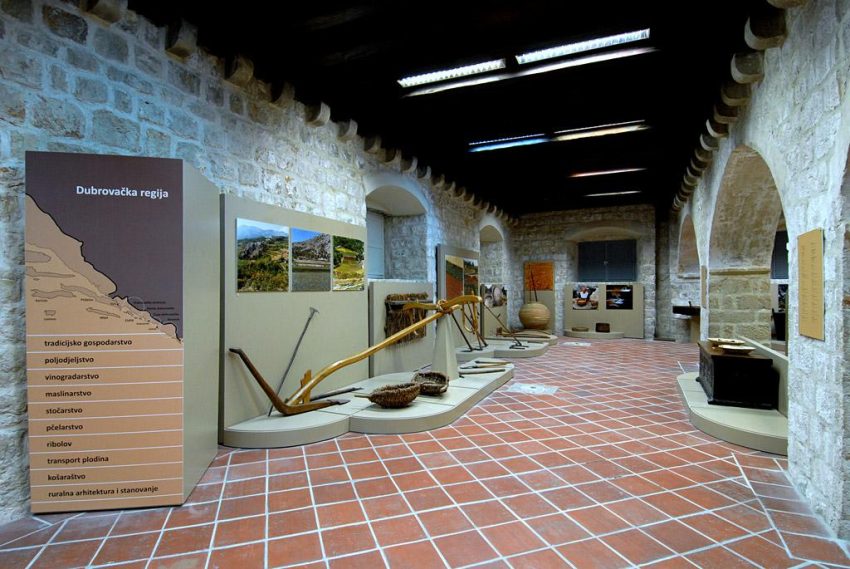
Tucked inside Dubrovnik's Old Town, the Dubrovnik Ethnographic Museum is a compact but surprisingly rich stop for understanding how people in the Dubrovnik region lived, worked, celebrated, and dressed across generations. The museum is housed in the Rupe Granary, a historic stone building whose atmosphere feels like part of the exhibition itself.
Because it sits on a steep lane above the main pedestrian routes, it's an easy add-on after a walking tour of the Old Town, especially if you want a quieter, more local counterpoint to the big-ticket sights. It's also one of those places where the best moments can be the small details: textiles up close, old photographs, and the views from the windows back over the rooftops.
Table of Contents
- History and Significance of the Dubrovnik Ethnographic Museum
- Things to See and Do in the Dubrovnik Ethnographic Museum
- How to Get to the Dubrovnik Ethnographic Museum
- Practical Tips on Visiting the Dubrovnik Ethnographic Museum
- Where to Stay Close to the Dubrovnik Ethnographic Museum
- Is the Dubrovnik Ethnographic Museum Worth Visiting?
- For Different Travelers
- FAQs for Visiting Dubrovnik Ethnographic Museum
- Nearby Attractions to the Dubrovnik Ethnographic Museum
History and Significance of the Dubrovnik Ethnographic Museum
The museum's setting is central to its story. The Rupe Granary was built to store grain for the former Republic of Dubrovnik, with rock-cut storage pits that helped safeguard supplies in a city shaped by trade, diplomacy, and the constant need for resilience.
Today, the Ethnographic Museum uses that historic shell to spotlight everyday life rather than grand politics: household routines, seasonal work, religious customs, and the symbols stitched into clothing and objects. It's a valuable lens on Dubrovnik beyond the postcard image, connecting the city to its hinterland and the wider cultural fabric of southern Dalmatia.
Rotating exhibitions add another layer, often focusing on specific themes (such as women’s roles in local cultural life), which helps repeat visitors find something new even if they’ve already seen the permanent displays.
Things to See and Do in the Dubrovnik Ethnographic Museum
Start by taking your time with the traditional clothing and textile displays. The craftsmanship, patterns, and materials are often the most visually striking part of the visit, and they also reveal a lot about identity, status, and regional differences.
Look for the museum’s photo material and documentary-style exhibits, which can make Dubrovnik’s past feel immediate and human. If you’ve been walking the Old Town all day, this is a refreshing way to “meet” the city through faces, work scenes, and domestic life rather than architecture alone.
Finally, don’t rush the building itself. The granary spaces and window viewpoints are part of the experience, and the uphill location can reward you with a calmer perspective over the Old Town roofs and the surrounding hills.
How to Get to the Dubrovnik Ethnographic Museum
The nearest airport is Dubrovnik Airport (DBV), about a 30–40 minute drive from the Old Town depending on traffic and season. For the best deals and a seamless booking experience, check out these flights to Dubrovnik on Booking.com.
Dubrovnik does not have a central passenger train station, so most travelers arrive by bus from other Croatian cities or from nearby countries, then continue on foot or by local transport into the Old Town. Train schedules and bookings can be found on Omio..
If you’re traveling by car, plan to park outside the Old Town walls (parking inside is extremely limited) and walk up to the museum via the Old Town lanes and steps.
Practical Tips on Visiting the Dubrovnik Ethnographic Museum
- Official website: https://www.dumus.hr/en/ethnographic-museum/
- Entrance fee: Adults: €8; Students: €5; Family (up to 2 adults with children up to 14): €20; 10 Museums combined ticket: €20 (students €10; family €45).
- Opening hours: (Summer) April 1 – October 31; Tuesday: Closed; Monday, Wednesday, Thursday, Friday, Saturday, Sunday: 09:00–18:00. (Winter) November 1 – March 31; Tuesday: Closed; Monday, Wednesday, Thursday, Friday, Saturday, Sunday: 09:00–16:00.
- Best time to visit: Go earlier in the day for a quieter experience, especially in peak summer when Old Town streets are busiest. Shoulder-season afternoons can also be pleasantly calm.
- How long to spend: Plan for 45–75 minutes for a comfortable visit, longer if you enjoy reading detailed exhibit labels.
- Accessibility: Expect stairs and uneven Old Town approaches; the uphill lane can feel steep. If mobility is a concern, consider whether the approach and interior levels suit your needs.
- Facilities: It’s a focused museum visit rather than a full-service complex; pair it with nearby cafés in the Old Town for breaks before or after.
Where to Stay Close to the Dubrovnik Ethnographic Museum
Base yourself inside Dubrovnik Old Town (or right by Pile Gate) for the easiest early-morning and late-evening access to the lanes, museums, and viewpoints.
Hilton Imperial Dubrovnik A classic choice near Pile Gate with a polished, full-service feel, ideal if you want comfort and quick access to the Old Town without sleeping deep inside the busiest lanes.
Hotel Stari Grad A small Old Town hotel that suits travelers who want to wake up inside the walls and step straight into the morning calm before day-trippers arrive.
The Pucic Palace A romantic, heritage-style stay on a historic square, great for couples who want atmosphere, walkability, and a special-occasion base.
Hotel More A strong option in Lapad when you want sea views and a resort-like break from the Old Town crowds, while still being a straightforward ride away.
Rixos Premium Dubrovnik A good pick for travelers who want spa and amenities plus a scenic walk or short ride into the Old Town for museums and evening strolls.
Is the Dubrovnik Ethnographic Museum Worth Visiting?
Yes, especially if you're curious about Dubrovnik beyond fortifications and palaces. It's a thoughtful museum that rewards visitors who like cultural context, traditional crafts, and the quieter stories of daily life, and the setting in the old granary adds a sense of place you can't replicate in a modern gallery.
Honest Pivot: If you’re on a very tight schedule and only want Dubrovnik’s headline sights (walls, major viewpoints, and iconic streets), this can be the one you skip. It’s also less satisfying for travelers who dislike text-heavy exhibits or prefer highly interactive displays.
What Other Travellers Say...

Overall, reviews suggest a worthwhile cultural stop with a solid reputation (4.1/5 from hundreds of visitors). Travelers most often praise the deep look into everyday life and traditions, the standout displays of traditional clothing and historical photographs, and the rewarding views from the museum’s windows. Common drawbacks include the steep walk up to reach it and an exhibit style that can feel text-heavy or not as intuitively laid out for quick learning.


For Different Travelers
This museum is a flexible add-on: it can be a quick cultural stop between bigger landmarks, or a slower, more reflective visit if you enjoy local history and material culture.
Families with Kids
For kids who like costumes, objects, and “how people lived” stories, the displays can be engaging in short bursts. Treat it as a compact visit and let children focus on the most visual sections rather than trying to read everything.
Pair it with a simple Old Town scavenger-style walk afterward (rooftops, city gates, fountains) to keep energy up. The uphill approach can be the biggest challenge, so plan a snack stop nearby.
Couples & Romantic Getaways
Couples often enjoy this museum as a calmer contrast to the busy main streets, especially when you want something meaningful but not exhausting. The traditional textiles, old photographs, and views from the windows can feel quietly intimate.
It also works well as a “rain plan” or a midday reset before sunset viewpoints and dinner. If you're using the Dubrovnik Pass, it can feel like a smart, low-pressure bonus stop.
Budget Travelers
If you’re traveling with a pass that includes museum entry, this is one of the better-value cultural visits in the Old Town. It’s also a good way to spend time indoors without committing to a long, expensive activity.
Budget tip: combine it with free Old Town wandering, viewpoints, and a self-guided photo walk. Just remember the approach is steep, so pace yourself and carry water in warm months.
History Buffs
History lovers will appreciate how the museum fills in the “missing middle” between grand political history and modern tourism. The granary setting hints at the Republic’s practical systems, while the exhibits show how culture and identity were lived day-to-day.
If you like archival photography and material culture, give yourself time to linger. It pairs especially well with other Dubrovnik Museums sites for a fuller picture of the city's past.
FAQs for Visiting Dubrovnik Ethnographic Museum
Getting There
Tickets & Entry
Visiting Experience
Tours, Context & Itineraries
Photography
Accessibility & Facilities
Food & Breaks Nearby
Safety & Timing
Nearby Attractions to the Dubrovnik Ethnographic Museum
- Rector's Palace: A key Old Town museum stop for understanding Dubrovnik's civic history and governance.
- Stradun (Placa): Dubrovnik's main street, perfect for a classic Old Town stroll and people-watching.
- Dubrovnik Cathedral: A landmark church with a prominent presence in the Old Town's skyline and squares.
- Sponza Palace: A beautiful historic building often admired for its architecture and cultural importance.
- Old Town Harbor: A scenic waterfront area for photos, short boat trips, and a change of pace from the lanes.
The Dubrovnik Ethnographic Museum appears in our Complete Guide to Visiting Dubrovnik!

Moira & Andy
Hey! We're Moira & Andy. From hiking the Camino to trips around Europe in Bert our campervan — we've been traveling together since retirement in 2020!
This website uses affiliate links which may earn a commission at no additional cost to you!
Planning Your Visit
(Summer) April 1 - October 31; Tuesday: Closed; Monday, Wednesday, Thursday, Friday, Saturday, Sunday: 09:00-18:00.
(Winter) November 1 - March 31; Tuesday: Closed; Monday, Wednesday, Thursday, Friday, Saturday, Sunday: 09:00-16:00.
Adults: €8; Students: €5; Family (up to 2 adults with children up to 14): €20; 10 Museums combined ticket: €20 (students €10; family €45).
Nearby Attractions
- Fort Bokar (0.1) km
Castle, City Walls and Historic Site - Large Onofrio's Fountain (0.1) km
Fountain, Historic Site and Monument - Saint Saviour's Church (0.1) km
Church, Historic Building and Religious Building - Franciscan Monastery & Museum (0.1) km
Monastery, Museum and Religious Building - Stradun Street (0.1) km
Attraction, Promenade and Street - Pile Gate (0.2) km
Attraction, City Gate and Historic Site - Saint Ignatius Church (0.2) km
Church, Historic Building and Religious Building - Jesuit Stairs (0.2) km
Attraction and Street - Dubrovnik West Harbour and Pier (0.2) km
Docks, Harbour and Pier - Rector's Palace (0.2) km
Historic Building, Museum and Palace