Croatian Museum of Naive Art, Zagreb
Arts Venue, Gallery and Museum in Zagreb
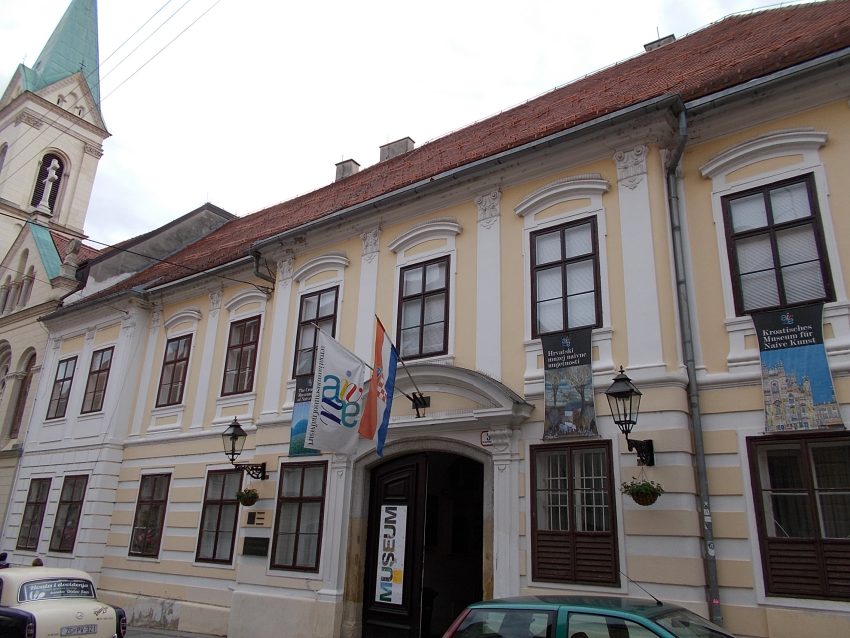
Tucked into Zagreb's atmospheric Upper Town (Gornji Grad), the Croatian Museum of Naive Art is a small, focused museum dedicated to Croatia's best-known self-taught artists and the country's distinctive tradition of naive painting, including works on glass. It's an easy cultural add-on when you're already exploring St. Mark's Church, the cobbled lanes, and the viewpoints that make this hilltop district so memorable.
Because it's compact and centrally located, the museum fits perfectly into a walking tour of the Upper Town, especially if you're hopping between nearby highlights like the Museum of Broken Relationships and the funicular area. If you're choosing just a few art stops in Zagreb, this one is best for travelers who enjoy folk motifs, vivid color, and storytelling scenes that feel both local and surprisingly modern.
Table of Contents
- History and Significance of the Croatian Museum of Naive Art
- Things to See and Do in the Croatian Museum of Naive Art
- How to Get to the Croatian Museum of Naive Art
- Practical Tips on Visiting the Croatian Museum of Naive Art
- Where to Stay Close to the Croatian Museum of Naive Art
- Is the Croatian Museum of Naive Art Worth Visiting?
- For Different Travelers
- FAQs for Visiting Croatian Museum of Naive Art
- Nearby Attractions to the Croatian Museum of Naive Art
History and Significance of the Croatian Museum of Naive Art
The museum traces its roots to the mid-20th century, when Croatia’s naive art scene gained international attention for its bold color, rural themes, and distinctive techniques, especially reverse painting on glass. What began as a way to recognize and preserve the work of self-taught artists evolved into a dedicated institution that helped define naive art as a serious part of modern cultural history.
Over time, the Croatian naive movement became closely associated with northern Croatian villages and artist communities, where painters developed a recognizable visual language: seasonal landscapes, village life, festivals, animals, and dreamlike panoramas. The museum’s role is not only to exhibit standout works, but also to provide context so visitors can understand why these seemingly simple images carry such strong artistic identity.
Today, its significance is twofold: it's a concentrated introduction to a uniquely Croatian art story, and it's a refreshing counterpoint to more formal galleries. Even if you're not an art specialist, the museum's clear themes and approachable scale make it an easy place to connect with Zagreb beyond the usual landmarks.
Things to See and Do in the Croatian Museum of Naive Art
Start by looking for the museum’s best-known naive-art signatures: luminous color, crisp outlines, and scenes that combine everyday life with a slightly magical perspective. Many visitors are especially drawn to glass paintings, where the technique creates an unusually bright, polished finish that photographs well (without flash) and stands out from typical canvas work.
As you move through the galleries, pay attention to recurring motifs like winter villages, harvest scenes, and panoramic landscapes that feel both intimate and theatrical. The museum is small enough that you can take your time reading the interpretive texts, then loop back to your favorite pieces for a second look without feeling rushed.
If you enjoy engaging exhibits, keep an eye out for visitor feedback elements and educational materials. This is a museum that rewards curiosity: the more you learn about the artists’ backgrounds and methods, the more the works shift from “cute” to genuinely impressive.
How to Get to the Croatian Museum of Naive Art
Most international visitors arrive via Zagreb Airport (Franjo Tuđman Airport, ZAG), which is the closest airport to the city and connects to the center by shuttle bus, taxi, and ride-hailing services. For the best deals and a seamless booking experience, check out these flights to Zagreb on Booking.com.
Zagreb also has strong rail connections to other Croatian cities and nearby European hubs; from Zagreb Glavni kolodvor (Main Railway Station), you can reach the center by tram and then continue on foot or by funicular toward the Upper Town. Train schedules and bookings can be found on Omio.
If you’re traveling by car, aim for a public garage near the center and plan to walk uphill into Gornji Grad, as Upper Town streets can be narrow and parking is limited.
Practical Tips on Visiting the Croatian Museum of Naive Art
- Official website: https://www.hmnu.hr
- Entrance fee: Adults: €5.50; Students: €3.00; Family ticket: €10.00; Groups (10–25): €4.00 per person.
- Opening hours: Monday – Friday: 10:00–17:00.
- Best time to visit: Weekday mornings are calmest, and you’ll have more space to read the wall texts without feeling crowded. If you’re visiting in summer, go earlier in the day, then continue your Upper Town walk toward viewpoints and cafés.
- How long to spend: Plan for 45–75 minutes for a relaxed visit, longer if you like to read every label. It pairs well with one or two nearby museums in the same afternoon.
- Accessibility: Expect stairs and uneven historic-area approaches in the Upper Town; step-free access may be limited. If mobility is a concern, consider calling ahead to confirm the easiest entry route.
- Facilities: There is typically a small museum shop for postcards and souvenirs, and you’ll find plenty of cafés nearby in the Upper Town and around the funicular area for a quick break.
Where to Stay Close to the Croatian Museum of Naive Art
Base yourself in central Zagreb (Lower Town/Upper Town edge) for the easiest walkable access to museums, restaurants, and tram connections.
Hotel Jägerhorn A classic, character-filled choice near the funicular and an easy walk to Upper Town sights, ideal if you want charm and location over a big-chain feel.
Hotel Dubrovnik Right by Ban Jelačić Square, this is a practical base with excellent transit access, making it easy to reach the Upper Town on foot and explore the rest of the city by tram.
Esplanade Zagreb Hotel A landmark luxury stay near the main station, perfect if you want a special-occasion hotel with polished service and a short ride or walk to the historic center.
Canopy by Hilton Zagreb City Centre A modern, reliable option with a contemporary vibe and strong amenities, good for travelers who like predictable comfort while staying close to the center.
The Westin Zagreb Well-suited to travelers who want full-service facilities (including wellness features) while remaining within easy reach of central sights and museum-hopping routes.
Is the Croatian Museum of Naive Art Worth Visiting?
Yes, especially if you’re spending time in Zagreb’s Upper Town and want a museum that feels distinctly local rather than generic. It’s small but memorable, and the glass paintings and folk-inspired scenes offer a fresh visual style you’re unlikely to see elsewhere in quite the same way.
Honest Pivot: If you prefer large, blockbuster museums or you're not interested in painting and illustration, you may find it too compact to justify rearranging your day. In that case, keep it as a flexible add-on: pop in only if you're already nearby, or choose a broader-scope museum elsewhere in Zagreb.
What Other Travellers Say...

Google reviewers describe this as a charming, small museum with a strong collection for folk and naive-art fans. Common highlights include the distinctive glass paintings, informative texts that add context, and friendly staff, with many noting the ticket price feels fair for the experience. The main drawback mentioned is that the museum is compact, so travelers who aren’t particularly into this art style may find it less engaging or wish it were larger.


For Different Travelers
The Croatian Museum of Naive Art works best as a short, high-impact stop rather than an all-day destination. Its biggest advantage is how easily it fits into a wider Upper Town itinerary.
Because it’s compact, your experience depends on your interest in visual storytelling and folk culture. If you enjoy discovering a city through its local art traditions, it’s a rewarding visit.
Families with Kids
Kids often respond well to the bright colors, animals, and storybook-like village scenes, which can be easier to enjoy than more abstract collections. It’s also short enough to avoid museum fatigue.
To keep it fun, treat it like a scavenger hunt: find winter scenes, festivals, or the most unusual animals. Pair the visit with a nearby sweet stop or a ride on the funicular to make the day feel like an adventure.
Couples & Romantic Getaways
For couples, this museum is a quiet, culture-forward break from sightseeing crowds, especially on a weekday. The Upper Town setting adds to the atmosphere, with photogenic streets just outside.
Make it part of a slow afternoon: museum first, then a stroll past St. Mark's Church and on to a viewpoint for sunset. It's a simple plan that feels distinctly Zagreb.
Budget Travelers
This is a strong value stop: it’s centrally located, doesn’t take long, and typically costs far less than major European museums. You can easily combine it with free Upper Town wandering and viewpoints.
If you’re watching spending, plan a museum cluster day and walk between sights instead of using taxis. The Upper Town is made for exploring on foot, and this museum fits that style perfectly.
History Buffs
While it’s an art museum, it also offers a window into 20th-century rural life, identity, and social themes as seen through self-taught artists. The scenes can spark questions about how communities remembered and reimagined their own traditions.
Pair it with nearby historic landmarks in the Upper Town to round out the context. You’ll get both the official city narrative (architecture, institutions) and a more personal, grassroots visual record.
FAQs for Visiting Croatian Museum of Naive Art
Getting There
Tickets & Entry
Visiting Experience
Tours, Context & Itineraries
Photography
Accessibility & Facilities
Food & Breaks Nearby
Safety & Timing
Nearby Attractions to the Croatian Museum of Naive Art
- Museum of Broken Relationships: A creative, conversation-starting museum just steps away, perfect for a short, memorable visit.
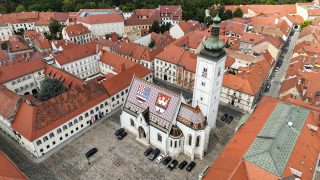
- St. Mark's Church: The iconic Upper Town church known for its colorful tiled roof and postcard-worthy setting.
- Lotrščak Tower: A classic viewpoint and landmark tower near the funicular, great for photos over Zagreb.
- Zagreb Funicular: A quick, historic ride that links the Lower Town to the Upper Town and saves you some uphill walking.
- Stone Gate (Kamenita vrata): A beloved passageway and small shrine that's one of the most atmospheric corners of the Upper Town.
The Croatian Museum of Naive Art appears in our Complete Guide to Visiting Zagreb!

Moira & Andy
Hey! We're Moira & Andy. From hiking the Camino to trips around Europe in Bert our campervan — we've been traveling together since retirement in 2020!
This website uses affiliate links which may earn a commission at no additional cost to you!
Planning Your Visit
Monday - Friday: 10:00-17:00.
Adults: €5.50; Students: €3.00; Family ticket: €10.00; Groups (10-25): €4.00 per person.
Nearby Attractions
- Museum of Broken Relationships (0) km
Museum - Lotršcak Tower (0.1) km
Historic Site, Tower and Viewing Point - Saint Mark's Church and Square (0.1) km
Church, Historic Site and Square - Kamenita Vrata (0.1) km
City Gate, Historic Site and Religious Building - Zagreb Funicular (0.2) km
Attraction, Cable Car and Funicular - Tkalčićeva Street (0.2) km
Area, Promenade and Street - Ilica Street (0.3) km
Area, Street and Walk - Dolac Market (0.3) km
Bazaar and Market - Zagreb City Museum (0.3) km
Museum - Saint Francis Assisi's Church (0.4) km
Church and Religious Building