Co Loa Citadel, Hanoi
Historic Site in Hanoi
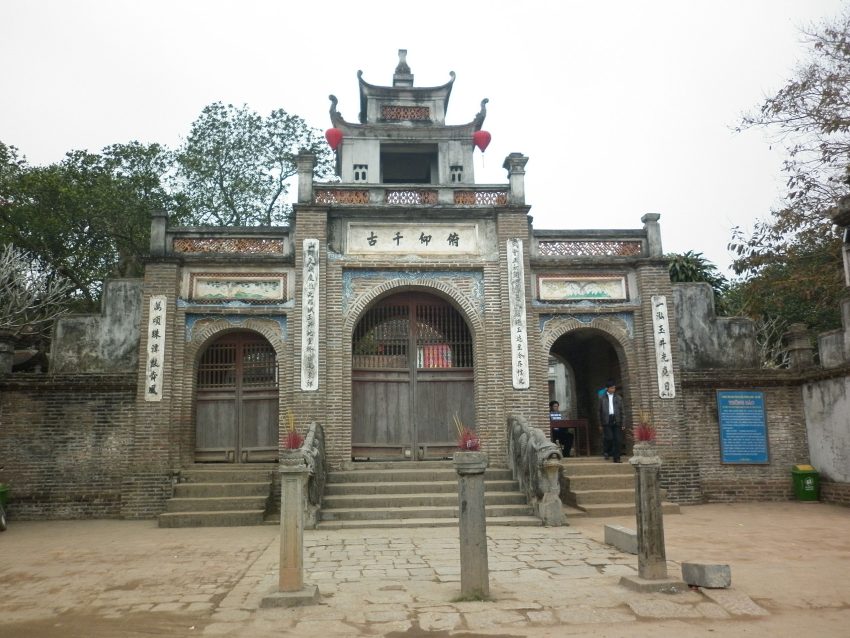
Co Loa Citadel, located about 17 kilometres north of central Hanoi in Đông Anh District, is one of Vietnam's most important archaeological and historical sites. Known for its distinctive spiral layout and deep connection to the Bronze Age Phùng Nguyên and Đông Sơn cultures, the citadel served as the capital of the Âu Lạc Kingdom in the 3rd century BCE. Its scale, legends, and ancient engineering make it one of the top attractions in Hanoi for anyone interested in the earliest roots of Vietnamese civilization.
Set across 600 hectares and designed with multiple concentric walls, Co Loa offers visitors a rare glimpse into prehistoric settlement planning and spiritual folklore. The site’s temples, ramparts, moats, and quiet rural landscapes combine to create a place often visited on walking tours of Hanoi’s surrounding heritage sites, especially by travellers seeking a deeper understanding of Vietnam’s formative eras.
Table of Contents
History and Significance of Co Loa Citadel
The name “Cổ Loa” comes from the Sino-Vietnamese reading of gǔ luó, meaning “ancient spiral,” a fitting description of the citadel’s snail-shell design. Historical accounts record that Thục Phán, leader of the Âu Việt people, defeated the last Hùng king in 257 BCE and established the Âu Lạc Kingdom with Co Loa as its capital. The citadel’s construction required enormous labour and resources, demonstrating its political and military importance within the Red River Delta.
Co Loa’s significance extends beyond historical records. Archaeological discoveries-including Dong Son pottery, bronze artifacts, and a large bronze drum-indicate long-term human settlement and advanced craftsmanship. Combined with legends such as the story of King An Dương Vương and the Golden Turtle God, the site is both a cultural symbol and a foundational chapter in Vietnam’s national identity.
Today, Co Loa Citadel stands as one of Southeast Asia's oldest fortified capitals. Its preservation provides invaluable insights into ancient Vietnamese society, engineering, and mythology.
Things to See and Do in Co Loa Citadel
The citadel is best explored by walking or cycling through its three surviving fortified layers: the outer, middle, and inner ramparts. Originally, nine layers existed, creating a maze-like defence system meant to confuse invaders. The outer wall alone once stretched about 8 kilometres in circumference and reached heights of up to 5 metres. Visitors today can still see sections of these impressive earthworks.
Highlights include An Dương Vương Temple, dedicated to the ancient king; the Princess Mỵ Châu Shrine, tied to one of Vietnam’s most poignant legends; the Co Loa Communal House; and remnants of moats and waterways connected to the Hoang River. These features show how the citadel’s layout combined natural landscapes with defensive strategy.
The museum onsite displays archaeological finds from the citadel, including weaponry, ceramics, tools, and artifacts from the Đông Sơn culture. Together, these elements reveal a sophisticated political and cultural centre far ahead of its time.
How to Get to Co Loa Citadel
Co Loa Citadel is located in Đông Anh District, about 17 kilometres north of central Hanoi. Travellers arriving by air will land at Noi Bai International Airport, which is conveniently situated north of the city, relatively close to Co Loa. For the best deals and a seamless booking experience, check out these flights to Hanoi on Booking.com.
Visitors arriving by train at Hanoi Railway Station can take a taxi or local bus to the site, with travel times depending on traffic. Train schedules and bookings can be found on Omio.
By car, the journey from central Hanoi takes around 30-45 minutes, with several main roads leading directly toward Đông Anh District. Parking areas are available near the entrance.
Practical Tips on Visiting Co Loa Citadel
- Suggested tips: Wear comfortable shoes as the site covers a wide area and involves walking across uneven terrain.
- Best time to visit: Morning or late afternoon when temperatures are cooler; the first lunar month is especially lively during the Co Loa Festival.
- Official website: https://thanhcoloa.vn/en
- How long to spend: 1-2 hours exploring the main structures; longer if visiting during festival celebrations.
- Accessibility: Wide outdoor spaces are accessible, though some paths may be uneven or unpaved.
- Facilities: Small shops, rest areas, and basic visitor services near the entrance.
- Photography tip: Capture aerial-style shots from higher vantage points to emphasise the spiral layout.
- Guided tours: Local guides offer cultural and historical insights that enrich the experience.
- Nearby food options: Local eateries in the communes surrounding the citadel.
Where to Stay close to Co Loa Citadel
Most visitors stay in central Hanoi and visit Co Loa as a day trip. For comfort and convenience, consider Sofitel Legend Metropole Hanoi. A modern and stylish option is Movenpick Hotel Hanoi. Those preferring a lakeside atmosphere may enjoy Hanoi Club Hotel & Lake Palais Residences.
Is Co Loa Citadel Worth Visiting?
Yes, Co Loa Citadel is absolutely worth visiting. As one of Vietnam's oldest capitals and a masterpiece of ancient defensive engineering, it offers an unparalleled window into early Vietnamese civilization. Its legends, archaeological discoveries, and peaceful rural landscapes make it an enriching destination for both history enthusiasts and casual travellers.
What Other Travellers Say...

Co Loa Citadel sits on the outskirts of Hanoi and features fortified ruins of an ancient imperial palace, temple and walls, with highlights including An Duong Vuong Temple, Trong Thuy well and a museum; visitors note its spiral-shaped layout, impressive architectural relics and a nearby lake for strolling, although the site can feel compact and crowded during photo sessions and parts may be under renovation at times, so check access and information leaflets at the ticket counter before you go.


FAQs for Visiting Co Loa Citadel
Nearby Attractions to Co Loa Citadel
- Dong Anh Village: A quiet rural area offering insight into local life.
- Thanh Chuong Viet Palace: A cultural complex showcasing Vietnamese traditional arts.
- Noi Bai Temple: A local religious site near the district.
- Co Loa Museum: Located within the citadel grounds with archaeological displays.
- Red River Delta Countryside: Scenic landscapes ideal for photography and cycling.
The Co Loa Citadel appears in our Complete Guide to Visiting Hanoi!

Moira & Andy
Hey! We're Moira & Andy. From hiking the Camino to trips around Europe in Bert our campervan — we've been traveling together since retirement in 2020!
This website uses affiliate links which may earn a commission at no additional cost to you!
Planning Your Visit
Nearby Attractions
- Tran Quoc Pagoda (8.0) km
Buddhist Temple - Old East Gate (8.6) km
City Gate - Dong Xuan Market (8.6) km
Market - Bach Ma Temple (8.8) km
Buddhist Temple - Hanoi Ancient House (8.8) km
Historic Building - Presidential Palace (9.0) km
Palace - Ho Chi Minh's Stilt House (9.1) km
Historic Building - Thang Long Water Puppet Theater (9.1) km
Theatre - Imperial Citadel of Thang Long (9.1) km
Castle - Hang Gai Street (9.2) km
Street