Château de Villandry, Tours (Loire)
Castle near Tours (Loire)
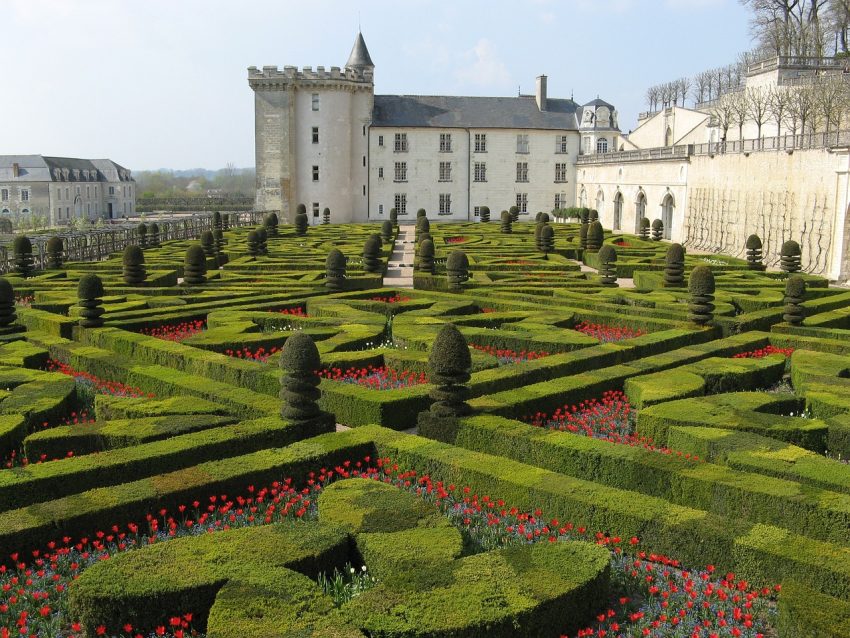
Château de Villandry is the Loire Valley stop that proves gardens can be as thrilling as grand interiors. Set in the village of Villandry, just west of Tours, the château is elegant and restrained in classic Renaissance style, but the real spectacle unfolds across its terraces: patterned parterres, water features, and a famously precise ornamental kitchen garden that looks almost too perfect to be real.
What makes Villandry so satisfying is how it blends beauty with clarity. You can admire the château's clean lines and then step straight into living geometry, where box hedges and planting beds form intricate motifs best seen from above. For many visitors it's one of the must-see places in Villandry, and it also fits neatly into a walking tour of Villandry if you want a slower, village-and-gardens kind of day.
Table of Contents
- History and Significance of the Château de Villandry
- Things to See and Do in the Château de Villandry
- How to Get to the Château de Villandry
- Practical Tips on Visiting the Château de Villandry
- Where to Stay Close to the Château de Villandry
- Is the Château de Villandry Worth Visiting?
- For Different Travelers
- FAQs for Visiting Château de Villandry
- Nearby Attractions to the Château de Villandry
History and Significance of the Château de Villandry
Completed in 1536, Château de Villandry is often described as the last of the major Renaissance châteaux built along the Loire. Jean Le Breton, Minister of Finance to King Francis I, transformed the site into a refined residence that embraced Renaissance ideals of symmetry, proportion, and ornamental detail, while keeping a single medieval remnant: the old keep, which still anchors the château's long story.
Villandry’s timeline reaches deeper than the Renaissance. The earlier fortress on this site was the setting for the Peace of Colombiers in 1189, when Henry II of England recognised defeat to Philip II of France-an event tied to the broader reshaping of power in medieval France. That history is part of Villandry’s appeal: you are not only visiting a beautiful estate, but a place where political realities once played out.
The gardens you see today are also a chapter of deliberate revival. In the early 20th century, Joachim Carvallo and Ann Coleman led a major restoration that brought Renaissance-inspired garden design back to the terraces, turning Villandry into an international reference point for formal French gardens and meticulous horticultural craft.
Things to See and Do in the Château de Villandry
Start by getting your bearings from an elevated viewpoint, because Villandry’s garden designs are meant to be read like artwork. From above, the patterns sharpen into symbols-love, music, and ornamental flourishes traced in clipped box-while at ground level you experience the same spaces as a sequence of immersive rooms, each with its own mood and palette.
The ornamental gardens are the headline act, but the water garden is the place to slow down. Its calmer lines and reflective surface feel like a reset after the precision of the parterres, and it’s an ideal stop if you want a quieter corner for photos or a short break before continuing.
Do not skip the vegetable garden terraces, even if you think you are “not a garden person.” The sheer order of it-rows, colours, seasonal rotations, and the way usefulness becomes beauty-often wins people over. Then, if you have time, finish with the château interiors to add context: Villandry is at its best when you see how the building’s Renaissance restraint pairs with the gardens’ theatrical detail.
How to Get to the Château de Villandry
The closest airport is Tours Val de Loire Airport (TUF), with Paris Charles de Gaulle (CDG) and Paris Orly (ORY) as practical alternatives for more flight options. For the best deals and a seamless booking experience, check out these flights to Tours (Loire) on Booking.com.
From Paris, take a train to Tours or Saint-Pierre-des-Corps, then continue by local transport or taxi to Villandry. You can use SNCF Connect to check schedules, compare routes, and purchase tickets for National (SNCF ) and regional trains (TER). For a more streamlined experience, we recommend using Omio, which allows you to easily compare prices, schedules, and book tickets for both National and Regional travel across all of Europe, all in one place.
From Tours, it's typically easiest to use a taxi or rideshare for the last stretch, or check seasonal/local bus connections if you prefer public transport. If you're visiting as part of a Loire Valley château-hopping itinerary, many day tours also run from Tours and can be a stress-free option.
If you're driving, Villandry is roughly 20-30 minutes from central Tours, and parking near the château is generally straightforward for day visitors. If you are looking to rent a car in France I recommend having a look at Discover Cars, first, as they compare prices and review multiple car rental agencies for you.
Practical Tips on Visiting the Château de Villandry
- Entrance fee: Castle and Gardens: €14.00; €8.50 (gardens only).
- Opening hours: Winter: 09:00–17:30. Summer: 09:00–18:30
- Official website: https://www.chateauvillandry.fr/
- Best time to visit: Arrive early for quieter viewpoints and crisper photos, or visit later in the afternoon when the gardens feel softer and less busy.
- How long to spend: Plan 2-3 hours for gardens plus the château; keen photographers and garden lovers can easily spend half a day.
- Accessibility: The terraces involve walking and some changes in level, so pace yourself and prioritise the viewpoints you care about most.
- Facilities: Expect a primarily outdoor visit, so bring water and dress for sun or light rain; the experience is much better when you’re comfortable on foot.
Where to Stay Close to the Château de Villandry
For a culture-heavy itinerary, base yourself in central Tours so you can pair Villandry with restaurants, museums, and easy day trips; if your main focus is a slower Loire countryside experience, staying nearer Villandry (or along the river villages west of Tours) keeps mornings and evenings beautifully calm.
In Tours, you'll get the most convenience without sacrificing charm, especially if you want to travel by train and still reach the château easily by taxi or tour. Good, well-located options include Oceania L'Univers Tours for a classic, central base near the station, and Best Western Plus L'Artist Hotel if you want something practical for transport connections and easy early starts.
If you prefer a quieter stay with a more resort-like feel after long days exploring, Château Belmont Tours by The Crest Collection gives you space to unwind while still keeping Tours within easy reach.
Is the Château de Villandry Worth Visiting?
Yes, especially if you want a Loire château experience that feels visually unforgettable even if you’ve already seen a few grand interiors. Villandry’s gardens are not just “pretty”-they’re structured, symbolic, and genuinely surprising in how much detail reveals itself as you move between viewpoints and pathways.
It’s also an ideal choice if you’re travelling with mixed interests. Even people who think they are here “for the history” often end up talking about the gardens afterward, because Villandry turns horticulture into something closer to art and architecture.
What Other Travellers Say...

Château de Villandry, at 3 Rue Principale in Villandry, is a restored Renaissance palace best known for its meticulously maintained formal gardens and maze; visitors praise the gardens as a highlight worth a visit in any weather and note that the best vantage point is from the château itself. The interior displays art and furnishings that give a clear sense of how residents lived, and temporary art exhibitions are often on show; an introductory video at the entrance helps explain the site and its ownership by the family who still care for it.


For Different Travelers
Families with Kids
Villandry works well for families because the gardens feel like a living maze with patterns to spot and colours that change by season. Keep it fun by focusing on the big terrace viewpoints first, then letting kids choose a garden section to explore up close rather than trying to see everything in strict order.
Couples & Romantic Getaways
This is one of the most romantic garden visits in the Loire because it rewards slow pacing, small detours, and lingering photos. Go for late afternoon if you want warmer light, then head back to Tours or a nearby village for a relaxed dinner that feels earned after a beautiful walk.
Budget Travelers
Villandry can still be a strong value day if you plan it well: choose gardens-only if that's your priority, bring water, and build the day around a simple Tours base. The experience is outdoors and naturally absorbing, so you don't need extras to make it feel like a full, satisfying visit.
History Buffs
Villandry is excellent for connecting political and cultural history across centuries, from the medieval chapter to the Renaissance rebuild and the early 20th-century garden restoration. Pair it with nearby châteaux like Azay-le-Rideau or Langeais to compare how architecture, power, and taste evolved along the Loire.
FAQs for Visiting Château de Villandry
Getting There
Tickets & Entry
Visiting Experience
Tours, Context & Itineraries
Photography
Accessibility & Facilities
Food & Breaks Nearby
Safety & Timing
Nearby Attractions to the Château de Villandry
- Château d'Azay-le-Rideau: A fairytale château set on the water, ideal for pairing architecture and reflections in one stop.
- Château de Langeais: A fortified-feeling château with a strong medieval-to-Renaissance transition and a very different atmosphere from Villandry.
- Château d'Ussé: Often linked with fairy-tale imagery, with towers and woodland surroundings that make it especially photogenic.
- Tours Old Town (Place Plumereau): A lively historic centre for dinner and evening atmosphere after a day of châteaux and gardens.
- Château de Chenonceau: One of the Loire's most iconic châteaux, celebrated for its river-spanning gallery and elegant setting.
The Château de Villandry appears in our Complete Guide to Visiting Tours (Loire)!

Moira & Andy
Hey! We're Moira & Andy. From hiking the Camino to trips around Europe in Bert our campervan — we've been traveling together since retirement in 2020!
This website uses affiliate links which may earn a commission at no additional cost to you!
Planning Your Visit
Winter: 09:00-17:30.
Summer: 09:00-18:30
Castle and Gardens: €14.00; €8.50 (gardens only).
Nearby Attractions
- Château de Langeais (8.4) km
Castle - Château d’Azay-le-Rideau (9.8) km
Castle - Jardin Botanique De Tours (12.5) km
Gardens - Musee du Compagnonnage (14.4) km
Museum - Musée des Beaux-Arts de Tours (14.8) km
Museum - Cathédrale Saint-Gatien (14.8) km
Cathedral - La Forteresse de Montbazon (16.2) km
Castle - Château d’Ussé (19.6) km
Castle - Château de Chinon (28.5) km
Castle - Royal d’Amboise (36.4) km
Castle