Cathedral of Santiago de Compostela
Cathedral and Religious Building in Santiago de Compostela
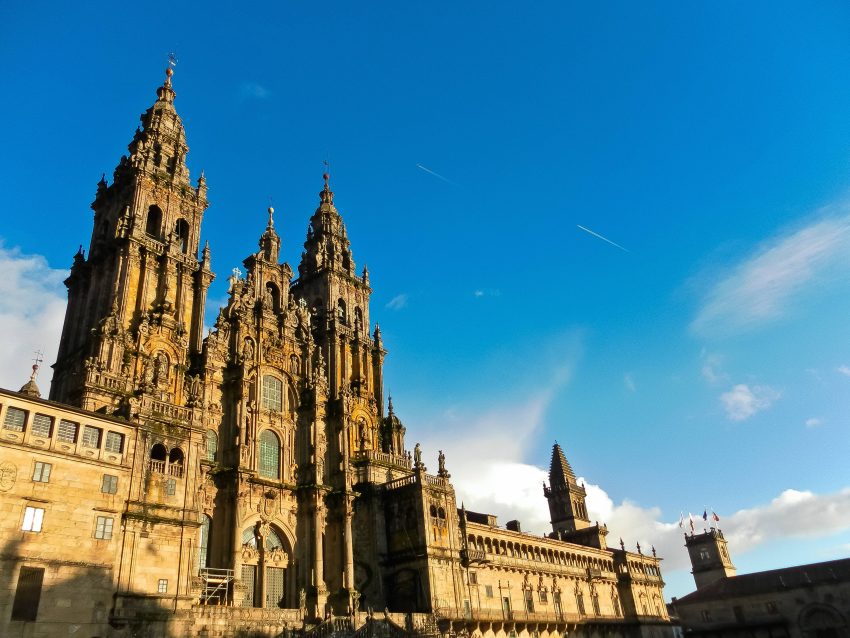
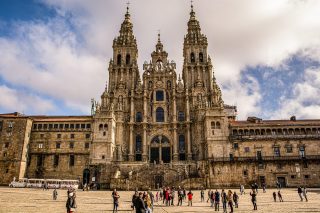
The Cathedral of Santiago de Compostela sits at the heart of Santiago de Compostela's UNESCO-listed old town, anchoring the grand Praza do Obradoiro and serving as the emotional finish line for many Camino de Santiago pilgrims. Even if you're not walking the Camino, arriving on foot through the medieval lanes and stepping into the plaza feels like a reveal-stone façades, towers, and a constant hum of travelers.
Inside, the experience ranges from quiet chapels and devotional spaces to headline masterpieces like the Pórtico de la Gloria and the richly layered mix of Romanesque, Gothic, and Baroque elements. It's an easy highlight to include on a walking tour of the old town, and the best exterior viewpoints are from Praza do Obradoiro itself, plus the surrounding lanes near Praza das Praterías.
Table of Contents
- History and Significance of the Cathedral of Santiago de Compostela
- Things to See and Do in the Cathedral of Santiago de Compostela
- How to Get to the Cathedral of Santiago de Compostela
- Practical Tips on Visiting the Cathedral of Santiago de Compostela
- Where to Stay Close to the Cathedral of Santiago de Compostela
- Is the Cathedral of Santiago de Compostela Worth Visiting?
- For Different Travelers
- FAQs for Visiting Cathedral of Santiago de Compostela
History and Significance of the Cathedral of Santiago de Compostela
Construction began in the late 11th century, and the cathedral grew into one of Europe’s great pilgrimage destinations, tied to the tradition that the remains of Saint James (Santiago) are housed here. Over centuries, the building evolved: a Romanesque core expanded and was reshaped by later Gothic and Baroque additions, creating the layered look you see today.
The cathedral’s significance is inseparable from the Camino de Santiago, which has brought pilgrims to this city for generations. For many visitors, the most meaningful moments are simple ones: entering the nave after a long walk, pausing near the main chapel, or watching the flow of pilgrims and locals through the sacred spaces.
Beyond religion, the cathedral is also a cultural landmark for Galicia-an architectural “time capsule” that reflects changing styles, patrons, and civic pride. Its surrounding squares and streets form a living stage where the city's daily life and visitor rituals meet.
Things to See and Do in the Cathedral of Santiago de Compostela
Start with the main interior: the scale of the nave, the chapels, and the dramatic focal point of the main altar area create an immediate sense of grandeur. If you’re visiting independently, take a slow loop and look for the contrasts-plain Romanesque stonework beside later decorative flourishes.
For a deeper dive, consider the Cathedral Museum complex, which connects you to spaces that many visitors miss, such as the cloister areas and the Palacio de Gelmírez. If you want the “wow” factor, the guided rooftop walk (cubiertas) and tower experience adds a completely different perspective-up close with the cathedral’s stonework and out over Santiago’s rooftops.
If you're planning around atmosphere, timing matters: the main cathedral can feel serene early in the day, while the plaza outside becomes lively and crowded later. Pair your visit with a short walking loop through the old town streets around Praza do Obradoiro and Praza das Praterías for some of the best angles and details.
How to Get to the Cathedral of Santiago de Compostela
The nearest airport is Santiago-Rosalía de Castro Airport (SCQ), with additional options in A Coruña (LCG) and Vigo (VGO) if you're building a wider Galicia itinerary. For the best deals and a seamless booking experience, check out these flights to Santiago de Compostela on Booking.com.
Santiago de Compostela is well connected by train, and arriving at Santiago's station makes it straightforward to continue by taxi, bus, or a walk into the historic center.Train schedules and bookings can be found on Omio.
If you’re traveling by car, aim for parking outside the old town and continue on foot, as the historic center has narrow streets and restricted access in places.If you are looking to rent a car in Spain I recommend having a look at Discover Cars, first, as they compare prices and review multiple car rental agencies for you.
Practical Tips on Visiting the Cathedral of Santiago de Compostela
- Official website: https://catedraldesantiago.es/
- Entrance fee: Cathedral entry: Free. Cathedral Museum (complete visit): Adults: €23; Reduced: €19; Free categories: €0.
- Opening hours: Daily: 07:00–21:00.
- Best time to visit: Go early on a weekday for a calmer interior and easier photos in the plaza; late morning and afternoons can bring heavier crowds.
- How long to spend: Plan 45-90 minutes for the cathedral alone, or 2-3 hours if you add the museum and rooftop/tower experience.
- Accessibility: The main cathedral is generally easier to manage than the rooftop/tower routes, which involve stairs and are not suitable for wheelchairs.
- Facilities: Restrooms and visitor services are easiest to find via the museum/visitor areas; the surrounding old town has abundant cafés for breaks.
Where to Stay Close to the Cathedral of Santiago de Compostela
Base yourself in the Old Town (Centro Histórico) for the easiest early-morning cathedral visit and the best walking access to plazas, tapas streets, and evening atmosphere.
Parador de Santiago de Compostela (Hostal dos Reis Católicos) This is the classic “once-in-a-lifetime” stay: unbeatable location on the main square and a historic setting that matches the cathedral’s grandeur.
Hotel Costa Vella A charming, quieter-feeling option with a garden-like calm, ideal if you want Old Town access without being right on the busiest plaza.
Hotel Pazo de Altamira A stylish boutique pick close to the cathedral area, great for travelers who want design-forward comfort in a historic neighborhood.
NH Collection Santiago de Compostela A reliable, modern hotel with more space and amenities, useful if you prefer a quieter base while still being walkable to the center.
Hotel Gelmírez Convenient for train arrivals and departures, making it a smart choice if you’re doing a short stay or continuing onward after your cathedral visit.
Is the Cathedral of Santiago de Compostela Worth Visiting?
Yes-this is one of Spain’s most meaningful and visually impressive religious landmarks, and it’s the kind of place that feels bigger than a checklist stop. Even a brief visit delivers: a powerful setting, a storied pilgrimage tradition, and a beautiful old-town backdrop that’s made for wandering.
Honest Pivot: If you’re cathedral-ed out from other major European cities and you’re not interested in the Camino story, you may find the interior less “surprising” than flashier Gothic showpieces elsewhere. In that case, focus on the plaza experience, a short interior visit, and consider spending your extra time on Santiago’s food scene and old-town streets.
What Other Travellers Say...
Reviews are overwhelmingly positive, with many travelers describing the cathedral as a powerful Camino de Santiago finale and praising its layered Romanesque, Gothic, and Baroque architecture. Visitors frequently highlight the rooftop/tower experience and museum add-ons as memorable upgrades, and many recommend arriving early to avoid crowds. A smaller set of reviews notes that if you’ve visited many major European cathedrals, the interior may feel less distinctive, and the surrounding streets and plaza can get very crowded with long lines at peak times.





For Different Travelers
Different travelers connect with the cathedral in different ways-some come for faith and pilgrimage, others for architecture, and many simply for the atmosphere of arriving in one of Spain’s most distinctive historic centers.
Families with Kids
Kids often respond best to the big, storybook setting: the grand square, the towers, and the sense of “arrival” in a medieval city. Keep the interior visit shorter and turn it into a detail-spotting game (animals, carvings, and dramatic spaces).
If your family enjoys viewpoints, the rooftop/tower experience can be memorable for older kids and teens, but it’s not ideal for strollers or anyone uncomfortable with stairs. Plan a snack break afterward in the nearby streets to reset.
Couples & Romantic Getaways
For couples, the cathedral is at its most romantic early in the morning, when the plaza is quieter and the light is soft on the stone façades. Pair a cathedral visit with a slow walk through the old town lanes and a long lunch of Galician seafood and local wine.
If you want a standout shared memory, book a timed experience like the rooftops or a themed visit so you’re not just “popping in.” The views and behind-the-scenes feel add a special layer to the day.
Budget Travelers
Budget travelers can get a lot out of Santiago by focusing on the free aspects: the cathedral’s main access, the plazas, and the old town’s walking routes. The atmosphere outside-pilgrims arriving, street life, and architecture-can be as rewarding as paid add-ons.
If you do spend money, prioritize one “high-impact” upgrade (often the rooftops/tower or a museum bundle) rather than multiple smaller tickets. Visit early to avoid wasting time in lines.
History Buffs
History buffs will appreciate how the cathedral reads like a timeline: Romanesque foundations, later Gothic elements, and Baroque statements layered into one complex. Look for how different eras solved the same problem-monumentality, devotion, and crowd flow.
To go deeper, add the museum spaces and any timed heritage areas you can book, then walk the perimeter outside to compare façades and entrances. The surrounding old town streets help contextualize the cathedral as a living civic center, not just a standalone monument.
FAQs for Visiting Cathedral of Santiago de Compostela
Getting There
Tickets & Entry
Visiting Experience
Tours, Context & Itineraries
Photography
Accessibility & Facilities
Food & Breaks Nearby
Safety & Timing
The Cathedral of Santiago de Compostela appears in our Complete Guide to Visiting Santiago de Compostela!

Moira & Andy
Hey! We're Moira & Andy. From hiking the Camino to trips around Europe in Bert our campervan — we've been traveling together since retirement in 2020!
This website uses affiliate links which may earn a commission at no additional cost to you!
Planning Your Visit
Daily: 07:00-21:00.
Cathedral entry: Free. Cathedral Museum (complete visit): Adults: €23; Reduced: €19; Free categories: €0.
Nearby Attractions
- Porch of the Glory (0) km
Cathedral, Historic Room and Historic Site - Restaurante Botafumeiro (0) km
Attraction and Café - Praza do Obradoiro (0) km
Attraction and Square - Pazo de Xelmírez (0) km
Historic Building, Museum and Palace - Santiago de Compostela Cathedral Museum (0) km
Cathedral and Museum - Pazo de Raxoi (0) km
Historic Building, Palace and Town Hall - Hostal Real de Santiago de Compostela (0.1) km
Historic Building, Historic Site and Hotel - Fountain of Horses (0.1) km
Attraction, Fountain and Square - Praza das Praterías (Santiago de Compostela) (0.1) km
Attraction and Square - O Cabildo (Santiago de Compostela) (0.1) km
Historic Building and Museum