Cathedral of Saint Sava, Belgrade
Cathedral, Church and Religious Building in Belgrade
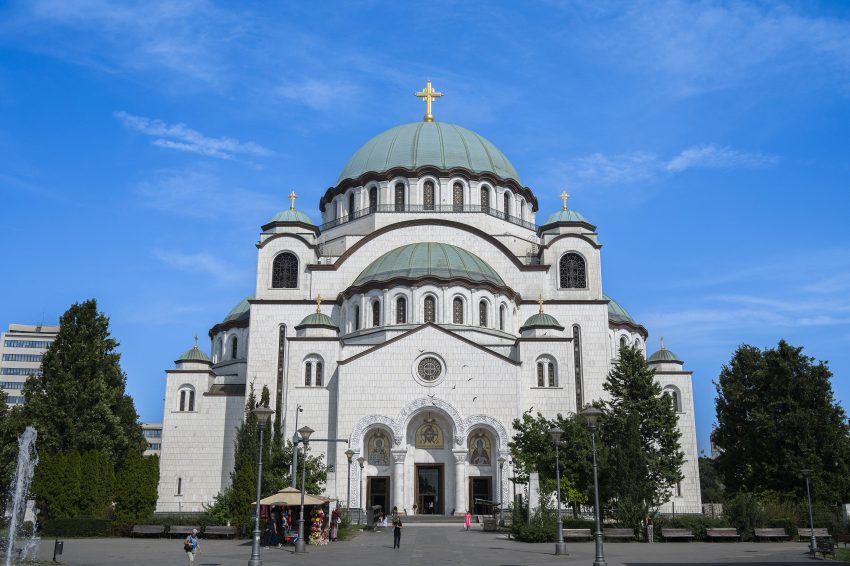
Rising above the Vračar plateau, the Cathedral of Saint Sava is Belgrade's most commanding landmark and one of the world's largest Orthodox churches. Even from a distance you'll notice the bright exterior, the vast dome, and the broad plaza that frames the cathedral like a stage set for the city.
It's an easy stop on a walking tour that links central Belgrade sights, and it also works beautifully as a standalone visit: come for the mosaics, linger for the atmosphere, then step outside for wide views across the neighborhood. If you're choosing just one “wow” interior in Belgrade, this is the one.
Table of Contents
- History and Significance of the Cathedral of Saint Sava
- Things to See and Do in the Cathedral of Saint Sava
- How to Get to the Cathedral of Saint Sava
- Practical Tips on Visiting the Cathedral of Saint Sava
- Where to Stay Close to the Cathedral of Saint Sava
- Is the Cathedral of Saint Sava Worth Visiting?
- For Different Travelers
- FAQs for Visiting Cathedral of Saint Sava
- Nearby Attractions to the Cathedral of Saint Sava
History and Significance of the Cathedral of Saint Sava
The cathedral is dedicated to Saint Sava, the first Archbishop of the Serbian Orthodox Church and one of Serbia’s most important historical and spiritual figures. The choice of location on the Vračar plateau is deeply symbolic, tied to national memory and religious identity.
The project’s scale is part of its message: this is a modern national shrine built to feel timeless. Construction stretched across decades, shaped by shifting politics and long periods of interruption, which is why the cathedral can feel both ancient in style and distinctly contemporary in its finishing details.
Today, the Cathedral of Saint Sava functions as a living place of worship as well as a major cultural landmark. Visiting isn't just about architecture; it's also a window into Belgrade's spiritual life, especially if you arrive when services are beginning and the space fills with quiet movement.
Things to See and Do in the Cathedral of Saint Sava
Start outside on the plateau to take in the cathedral’s proportions and the way it dominates the skyline. The broad approach is ideal for photos, and it helps you appreciate the building’s symmetry before you step indoors.
Inside, the mosaics are the headline act: luminous gold tones, intricate iconography, and a sense of depth that changes as you move through the space. Give your eyes time to adjust, then look upward and outward—many of the most impressive details are above head height.
Beyond the main nave, slow down and explore the quieter corners where you can absorb the atmosphere away from the central flow of visitors. If you enjoy context, pair your visit with a guided walking tour of Vračar so the symbolism and history land with more meaning.
How to Get to the Cathedral of Saint Sava
The nearest airports are Belgrade Nikola Tesla Airport (BEG) for most international arrivals, with Niš Constantine the Great Airport (INI) as a secondary option for some regional routes. For the best deals and a seamless booking experience, check out these flights to Belgrade on Booking.com.
Belgrade is also reachable by train, and from the main rail connections you can continue by public transport or taxi to the Vračar area. Train schedules and bookings can be found on Omio..
If you’re traveling by car, aim for the Vračar neighborhood and expect limited street parking near the plateau at peak times.
Practical Tips on Visiting the Cathedral of Saint Sava
- Entrance fee: Free; donations appreciated.
- Opening hours: Daily: 08:00–20:00.
- Best time to visit: Late morning on a weekday is a sweet spot for calmer interiors and easier photos; evenings can be beautiful from the outside when the plateau is lit.
- How long to spend: Plan 45–90 minutes for a satisfying visit, longer if you like architectural details and want time to sit quietly.
- Accessibility: The approach is generally straightforward on the plateau, but interior conditions can vary during services or ongoing works; ask staff on arrival for the easiest step-free route.
- Facilities: Expect a respectful, worship-focused setting; keep an eye out for posted guidance at the entrance, and plan café stops before or after rather than inside.
Where to Stay Close to the Cathedral of Saint Sava
Base yourself in central Belgrade (Stari Grad/Vračar) for the easiest sightseeing days and the best mix of walkability, cafés, and transport links.
Saint Ten Hotel A boutique option right by the cathedral area, ideal if you want to step out early and beat the crowds while staying in a stylish, quieter pocket of the city.
Metropol Palace, Belgrade A classic upscale stay with strong amenities, great if you want a polished hotel experience and easy access to both Vračar and the city center.
Hotel Moskva A historic Belgrade icon in the center—perfect for travelers who want old-world character and a convenient base for walking tours that can include the cathedral.
Courtyard by Marriott Belgrade City Center Reliable comfort in a prime location, a good pick if you want modern rooms and quick access to transit, dining, and the main pedestrian areas.
Hilton Belgrade A contemporary, full-service choice close to central sights, great for travelers who value consistent standards, fitness facilities, and an easy taxi ride to the cathedral.
Is the Cathedral of Saint Sava Worth Visiting?
Yes—this is a must-see in Belgrade. The cathedral’s sheer scale, the glow of its mosaics, and the calm, reverent atmosphere combine into an experience that feels both monumental and personal, even if you’re not religious.
Honest Pivot: If you’re short on time and not interested in churches, sacred art, or architecture, you might prefer to prioritize Belgrade’s fortress, riverfront walks, or neighborhood food stops. Also consider skipping peak service times if you want a purely sightseeing-focused visit without navigating worship etiquette.
What Other Travellers Say...

Google reviewers are overwhelmingly enthusiastic, describing the cathedral as a must-see in Belgrade with a powerful sense of scale and a memorable, serene atmosphere. The most common highlights are the monumental exterior and dome, the richly detailed interior mosaics, and how long you can spend simply looking at the artwork without feeling rushed. Visitors also frequently mention that it can feel surprisingly uncrowded on weekday mid-days and that entry is typically free. Downsides are minor but include the potential for crowds around peak times or services and the need to be mindful of quiet, respectful behavior inside a functioning place of worship.


For Different Travelers
The Cathedral of Saint Sava works well for many travel styles because it's visually spectacular, easy to reach, and flexible to visit at your own pace. A little planning around timing and etiquette makes the experience smoother for everyone.
Families with Kids
Kids tend to be impressed by the building’s size and the “treasure-like” shine of the mosaics, which makes this an easier cultural stop than many museums. Keep the visit short and focused: a quick loop inside, a few key viewpoints, then time outside on the open plateau.
If you’re visiting with a stroller, aim for quieter weekday windows so you’re not maneuvering through dense foot traffic. A simple game like “spot the biggest dome” or “find the brightest mosaic” can keep younger kids engaged.
Couples & Romantic Getaways
For couples, the cathedral is a memorable shared moment—especially if you time it for golden hour outside and then step in to see the interior glow. It’s also a great anchor for a Vračar date walk, pairing well with nearby cafés and a slow stroll back toward central Belgrade.
If you like photography together, plan a short loop: wide exterior shots first, then quieter interior details. The contrast between the grand scale and the intimate silence inside can feel surprisingly romantic.
Budget Travelers
This is one of Belgrade's best high-impact, low-cost stops: you can spend a long time taking in the interior without needing tickets. It also fits neatly into a DIY walking route, so you can avoid paid transport if you're staying centrally.
Bring a refillable water bottle and plan your meal stops around the visit rather than relying on anything on-site. If you’re watching spending, this is a perfect “big experience” day paired with free city viewpoints and parks.
FAQs for Visiting Cathedral of Saint Sava
Getting There
Tickets & Entry
Visiting Experience
Tours, Context & Itineraries
Photography
Accessibility & Facilities
Food & Breaks Nearby
Safety & Timing
Nearby Attractions to the Cathedral of Saint Sava
- Nikola Tesla Museum: A compact, popular museum dedicated to Tesla's life and inventions, easy to pair with a Vračar visit.
- Slavija Square: A major city junction that gives you a feel for modern Belgrade’s pace and transport connections.
- Tašmajdan Park: A central green space for a relaxed walk and a breather between big sights.
- Knez Mihailova Street: Belgrade’s main pedestrian street for shopping, street life, and an easy link to other landmarks.
- Kalemegdan Fortress: The city’s signature historic viewpoint where rivers meet, ideal for sunset after your cathedral visit.
The Cathedral of Saint Sava appears in our Complete Guide to Visiting Belgrade!

Moira & Andy
Hey! We're Moira & Andy. From hiking the Camino to trips around Europe in Bert our campervan — we've been traveling together since retirement in 2020!
This website uses affiliate links which may earn a commission at no additional cost to you!
Planning Your Visit
Daily: 08:00-20:00.
Free; donations appreciated.
Nearby Attractions
- Nikola Tesla Museum (0.8) km
Museum - Tašmajdan Park (1.2) km
Area and Park - St. Mark's Church (1.3) km
Church, Historic Building and Religious Building - Skupština (1.5) km
Attraction, Historic Building and Notable Building - Old Palace (1.5) km
Historic Building, Historic Site and Palace - Museum of Yugoslavia (1.7) km
Historic Site, Mausoleum and Museum - House of Flowers (1.8) km
Mausoleum, Memorial and Museum - Zeleni Venac Market (2) km
Bazaar and Market - Skadarlija Street (2.1) km
Area, Street and Walk - Republic Square (2.1) km
Attraction, Monument and Square