Castro de Ovil, Espinho
Historic Site in Espinho
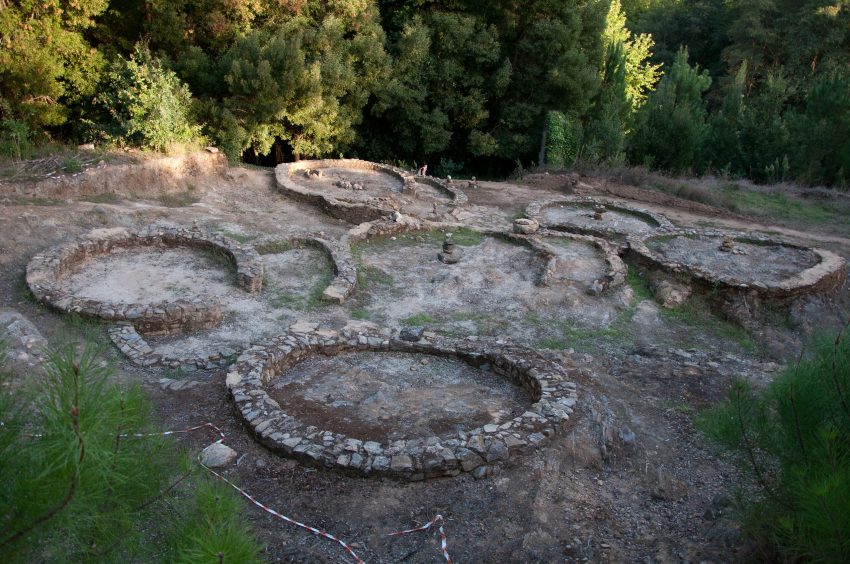
Castro de Ovil in Espinho, Portugal, is an Iron Age archaeological site on a small hill in Paramos. It is the remains of a fortified castro settlement, with circular schist house foundations, shared patios and defensive earthworks visible on the ground.
The site matters because it shows how a local community lived before the Roman period, using the landscape for shelter, access and defence. Visitors notice the quiet setting, the circular outlines of the homes and the shallow terraces that suggest a small organised village. It suits people interested in archaeology, ancient settlement patterns and short visits on foot, while travellers looking for facilities or a highly developed site may find it too bare and uneven.
History and Significance of Castro de Ovil
Castro de Ovil belongs to the wider “castro culture” of northern Portugal and Galicia, known for building fortified hilltop villages. The settlement's location-bordered by the Paramos riverbank on one side and a deep moat on the other-shows how its inhabitants skilfully used the landscape for protection.
Archaeological work began in the early 1980s and resumed in 1994 under Espinho’s Archaeological Office. The discoveries revealed clusters of circular dwellings, some with atriums, which opened onto common flagged patios shared by family groups. These structures reflect a close-knit community adapted to its rugged environment.
Finds from the site include pottery, loom weights, millstones, fishing net weights and metallurgical remnants, all demonstrating the villagers’ skills and daily routines. Notably, the site shows minimal Roman influence, with only a few amphora fragments suggesting that the settlement was abandoned during the 1st century AD.
Things to See and Do in Castro de Ovil
Visitors can explore the excavated remains of the circular schist houses and the terraces where families lived and worked. The common patios, flagged floors and stone foundations help you imagine how the community functioned, from cooking areas to domestic workshops.
Take time to walk the perimeter and observe the natural defences: the steep slopes to the south and the deep moat to the north. These features highlight the strategic intelligence of Iron Age builders who relied on both architecture and terrain for protection.
The landscape surrounding the castro is peaceful and ideal for photography or quiet exploration. Interpretation panels (where available) help connect the ruins to the artefacts now preserved by the municipality.
How to Get to Castro de Ovil
The nearest major airport is Porto Airport, approximately 35-45 minutes away by car. For the best deals and a seamless booking experience, check out these flights to Espinho on Booking.com.
There is no train station at the site. Visitors can travel by rail to Espinho or Paramos and continue by bus or taxi toward Monte, Paramos. Train schedules and bookings can be found on Omio.
Most travellers reach Castro de Ovil by car, following local signs toward the hilltop ruins. Parking is usually available close to the site. If you are looking to rent a car in Portugal I recommend having a look at Discover Cars, first, as they compare prices and review multiple car rental agencies for you.
Practical Tips on Visiting Castro de Ovil
- Best time to visit Castro de Ovil: Spring and autumn for pleasant walking weather and clear views.
- Entrance fee in Euros: Free to visit.
- Opening hours: Open year-round.
- Official website: Check Espinho municipality pages for details.
- How long to spend: Around 30-60 minutes.
- Accessibility: Uneven ground and slopes; not suitable for reduced mobility.
- Facilities: None on-site; services available in Paramos and Espinho.
- Photography tip: Capture the circular house foundations from above for best results.
- Guided tours: Occasionally offered through local archaeological initiatives.
- Nearby food options: Espinho town offers numerous cafés and restaurants.
Where to Stay close to Castro de Ovil
Espinho provides several convenient accommodation options near the archaeological site. For modern comfort near the coast, consider Hotel M. Travellers wanting easy access to beaches and town services may prefer PraiaGolfe Hotel. A relaxing alternative is Monte Lírio Hotel & Wellness Centre.
Is Castro de Ovil Worth Visiting?
Yes, Castro de Ovil is well worth visiting. Its ancient architecture, peaceful hilltop location and fascinating archaeological discoveries offer a unique glimpse into Iron Age life. It's a rewarding stop for history lovers, walkers and anyone curious about the origins of settlement in northern Portugal.
What Other Travellers Say...
Castro de Ovil, on Estr. de São Tiago in Espinho, is an open site of ancient ruins on a hill where visitors can follow a short trail with informational panels to see remnants of pre-Roman settlement and the nearby remains of an old paper mill; reviewers praise the site as interesting and worth seeing but note it could use better maintenance and clearer signage, with vegetation sometimes obscuring the ruins.





FAQs for Visiting Castro de Ovil
The Castro de Ovil appears in our Complete Guide to Visiting Espinho!

Moira & Andy
Hey! We're Moira & Andy. From hiking the Camino to trips around Europe in Bert our campervan — we've been traveling together since retirement in 2020!
This website uses affiliate links which may earn a commission at no additional cost to you!
Nearby Attractions
- Museu Municipal de Espinho (3) km
Museum - Taylor’s Port Wine Cellar (17.1) km
Wine Cellar - Ferreira Wine Cellars (17.4) km
Wine Cellar - Graham’s Port Cellar (17.6) km
Wine Cellar - Espaço Porto Cruz (17.6) km
Wine Cellar - Sandeman Wine Cellar (17.6) km
Wine Cellar - Jardim do Morro (17.6) km
Gardens and Viewing Point - Calém Wine Cellars (17.6) km
Wine Cellar - Churchill's Wine Cellar (17.6) km
Wine Cellar - Serra do Pilar Monastery (17.7) km
Monastery