Burggarten, Vienna
Attraction, Gardens and Park in Vienna
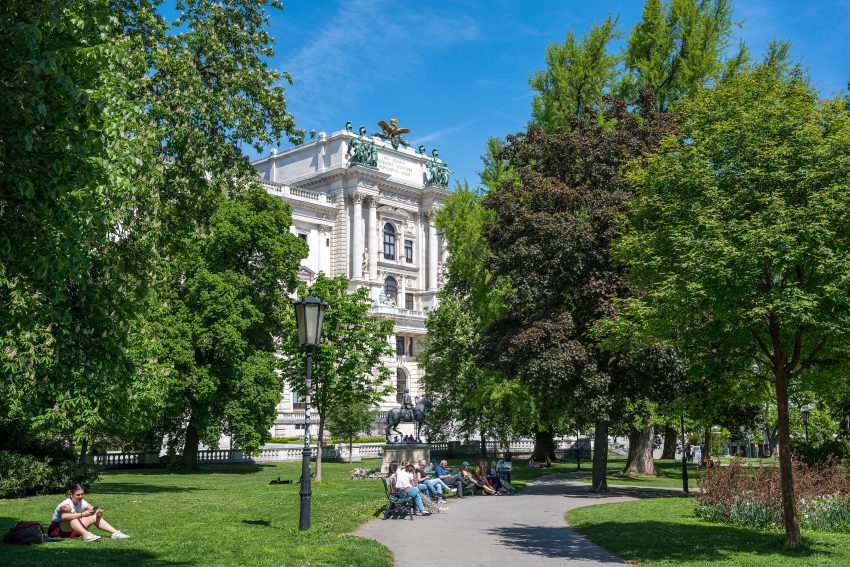
Burggarten is a serene public park in the heart of Vienna, tucked behind the Hofburg Palace and just a short walk from the Ringstrasse. It's the kind of place you stumble into between big-ticket sights and immediately feel your pace slow down—shaded paths, open lawns, and elegant details that still hint at its imperial past.
It also fits perfectly into a self-guided walking tour of central Vienna: pair it with the Hofburg complex, the Albertina area, and the Vienna State Opera, then pause here for photos at the Mozart Monument or a break near the Palm House. If you're choosing the best places to see in the Innere Stadt, Burggarten is an easy “yes” for a calm reset without leaving the city center.
Table of Contents
- History and Significance of the Burggarten
- Things to See and Do in the Burggarten
- How to Get to the Burggarten
- Practical Tips on Visiting the Burggarten
- Where to Stay Close to the Burggarten
- Is the Burggarten Worth Visiting?
- For Different Travelers
- FAQs for Visiting Burggarten
- Nearby Attractions to the Burggarten
History and Significance of the Burggarten
Burggarten began as an imperial garden space connected to the Hofburg, and its layout still feels intentionally composed—more like a curated landscape than a casual neighborhood park. Even if you're not a history specialist, the setting makes sense the moment you arrive: this is a green pocket designed to complement one of Vienna's most important palace complexes.
Over time, the garden transitioned into a public space and became part of everyday Vienna life—locals reading on benches, travelers catching their breath between museums, and photographers circling the monuments. That blend of royal backdrop and relaxed modern use is part of what makes it feel distinctly Viennese.
One of the garden’s most recognizable cultural anchors is the Mozart Monument, a frequent stop on city-center itineraries. Nearby, the Palm House (Palmenhaus) adds an Art Nouveau note that ties the park to Vienna’s turn-of-the-century design legacy.
Things to See and Do in the Burggarten
Start with a slow loop through the paths and lawns to get a feel for the garden’s calm rhythm. The Mozart Monument is the headline photo stop, and it’s especially striking when the surrounding flowerbeds are in bloom—plan a few minutes here even if you’re just passing through.
The Palm House is another must-see, even from the outside: its glass-and-iron architecture stands out against the greenery and makes for great angles in soft morning or late-afternoon light. If you want to add a small “extra” to your park visit, check whether the Butterfly House (housed in the Palm House complex) is open and worth fitting into your day.
Burggarten is also simply a practical place to do nothing for a while. Bring a takeaway coffee, sit in the shade on a warm day, and treat it as a mini-break between the Hofburg area, the Albertina, and the Opera—your feet will thank you.
How to Get to the Burggarten
Vienna's nearest major airport is Vienna International Airport (VIE), located southeast of the city with fast rail links into the center. For the best deals and a seamless booking experience, check out these flights to Vienna on Booking.com.
If you're arriving by train, Wien Hauptbahnhof (Vienna Central Station) and Wien Westbahnhof are the main hubs—both connect easily to the Innere Stadt via U-Bahn, trams, and short taxi rides. You can easily check timetables and book train tickets through the ÖBB (Austrian Federal Railways) website. However, for a smoother experience, we recommend using Omio, which simplifies the booking process and lets you compare routes, prices, and departure times all in one place.
By public transport within Vienna, aim for stops around Karlsplatz, Oper/Kärntner Ring, or the Hofburg area, then walk a few minutes into the park. If you're traveling by car, it's easiest to park in a central garage and continue on foot, as street parking rules and time limits can be restrictive in the inner districts. If you are looking to rent a car in Austria I recommend having a look at Discover Cars, first, as they compare prices and review multiple car rental agencies for you.
Practical Tips on Visiting the Burggarten
- Official website: https://www.bundesgaerten.at/hofburggaerten/Burggarten.html
- Entrance fee: Free.
- Opening hours: 24 Hours.
- Best time to visit: Go early morning for the quietest paths and softer light, or late afternoon for a relaxed golden-hour stroll after museums.
- How long to spend: 20–45 minutes is perfect for a loop and photos; budget 60–90 minutes if you want a longer break on the lawns.
- Accessibility: Paths are generally flat and easy for strollers and most wheelchairs, though surfaces can vary and busy times may feel tight around monuments.
- Facilities: Seating is plentiful, and you're surrounded by central Vienna amenities; for indoor options, nearby cafés and the Palm House area are convenient.
Where to Stay Close to the Burggarten
Base yourself in the Innere Stadt (1st District) for the easiest, most walkable access to Burggarten, the Hofburg, and many of Vienna's headline sights.
If you want classic Vienna elegance steps from the park, choose a historic luxury address with strong service and a “grand city” feel. For design-forward travelers, there are sleek boutique options nearby that keep you close to the Opera and museum zone. And if you're balancing comfort with value, look for well-reviewed mid-range hotels around Karlsplatz and the Ring, where transport connections are excellent.
Hotel Sacher Wien A Vienna icon near the Opera and an easy walk to Burggarten; ideal if you want old-world luxury and a once-in-a-lifetime stay.
Hotel Bristol, a Luxury Collection Hotel, Vienna Right on the Ring by the Opera, with classic interiors and a prime location for walking between Burggarten, museums, and evening performances.
The Guesthouse Vienna A stylish boutique pick close to the Albertina; great for travelers who want modern comfort and a central, walk-everywhere base.
Motel One Wien-Staatsoper A reliable value option near Karlsplatz and the Opera, perfect if you prioritize location and simplicity over full-service luxury.
Hotel Kaiserhof Wien Just outside the 1st District near Karlsplatz; a quieter-feeling base with easy access to Burggarten and strong transport links.
Is the Burggarten Worth Visiting?
Yes—Burggarten is absolutely worth visiting if you're exploring central Vienna on foot and want a beautiful, low-effort stop that adds breathing room to a packed sightseeing day. It's scenic, calm, and culturally “Vienna” without requiring a ticket, a time slot, or a big time commitment.
Honest Pivot: If your schedule is extremely tight and you're already planning to spend time in larger green spaces (like the Stadtpark or Prater), you can skip Burggarten without missing a major attraction. It shines most for travelers who appreciate small, elegant places and want a peaceful pause close to the Hofburg and the Ring.
What Other Travellers Say...

Reviews are overwhelmingly positive, with travelers describing Burggarten as a peaceful, well-maintained oasis right in central Vienna. Common highlights include the calm atmosphere for a break from sightseeing, attractive greenery and shaded areas, and photogenic features like statues, the Mozart Monument, and the nearby Palm House/Butterfly House. A minor downside mentioned implicitly is that it can draw attention around popular photo spots or during occasional events, which may make some areas feel busier than expected.


For Different Travelers
Burggarten works well as a flexible add-on: you can treat it as a quick photo stop, a picnic-style break, or a gentle stroll between museums. Because it's central and easy to enter, it's also a great “buffer” destination when you're waiting for timed entries nearby.
Families with Kids
For families, the biggest win is space to decompress: kids can reset after museum time while adults enjoy the scenery. The paths are stroller-friendly in most areas, and the park is easy to dip into without committing to a long visit.
Keep expectations realistic: this isn’t a playground-focused park, so it’s best for calmer breaks rather than high-energy play. Pair it with a nearby kid-friendly attraction (like the Butterfly House) if you want a more interactive stop.
Couples & Romantic Getaways
Couples will love Burggarten for its quiet corners, photogenic monuments, and the feeling of stepping into a refined garden right in the city center. It's especially romantic around golden hour when the light softens and the park feels more intimate.
Make it part of a simple date itinerary: a slow walk, a few photos by the Mozart Monument, then a café stop nearby. It's an easy way to add a gentle, local-feeling moment to a classic Vienna day.
Budget Travelers
For budget travelers, Burggarten is a high-reward stop: it's central, scenic, and doesn't require paid entry. It also helps you build a full day of walking sights around the Ring and Hofburg area without stacking ticket costs.
Use it strategically as a rest point between paid attractions. Bring a snack, refill your water before you arrive, and enjoy a “free highlight” that still feels special.
FAQs for Visiting Burggarten
Getting There
Tickets & Entry
Visiting Experience
Tours, Context & Itineraries
Photography
Accessibility & Facilities
Food & Breaks Nearby
Safety & Timing
Nearby Attractions to the Burggarten
- Hofburg Palace: Vienna’s former imperial complex, packed with museums, courtyards, and grand architecture steps from the garden.
- Albertina: A major art museum nearby, great for pairing with Burggarten as a before-or-after breather.
- Vienna State Opera: One of the city's most famous landmarks, an easy walk away and ideal for an evening plan.
- Heldenplatz: A monumental square adjacent to the Hofburg area, useful for big-scale photos and historical context.
- Volksgarten: Another central park close by, known for its formal gardens and a different, more structured feel than Burggarten.
The Burggarten appears in our Complete Guide to Visiting Vienna!

Moira & Andy
Hey! We're Moira & Andy. From hiking the Camino to trips around Europe in Bert our campervan — we've been traveling together since retirement in 2020!
This website uses affiliate links which may earn a commission at no additional cost to you!
Planning Your Visit
24 Hours.
Free.
Nearby Attractions
- Kunsthistorisches Museum (0.1) km
Arts Venue, Attraction and Museum - Ephesos Museum (0.2) km
Museum - Neue Burg (0.3) km
Historic Building, Museum and Palace - Albertina Museum (0.3) km
Arts Venue, Gallery and Museum - State Opera House (0.4) km
Arts Venue, Historic Building and Opera House - Naturhistorisches Museum (0.4) km
Historic Building and Museum - Austrian National Library (0.4) km
Historic Building, Historic Room and Library - Leopold Museum (0.4) km
Museum - Spanische Reitschule (0.5) km
Arts Venue, Attraction and Historic Building - Imperial Crypt (0.5) km
Historic Site and Museum