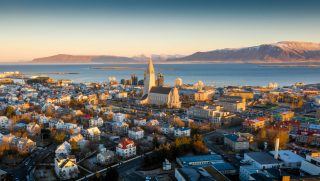
Blue Lagoon, Reykjavik
Spa near Reykjavik
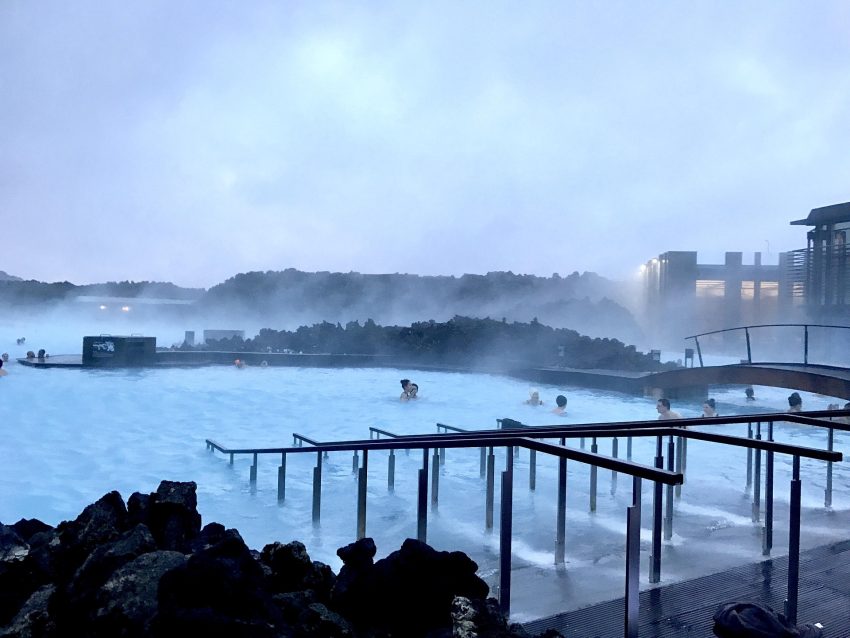
Blue Lagoon Iceland is the country's best-known geothermal spa, set in a dramatic lava field near Grindavík on the Reykjanes Peninsula. The water's surreal blue colour comes from minerals and silica, and the experience is designed for unhurried soaking: warm open-air pools, steam drifting across black rock, and simple rituals like the silica mud mask that turns the visit into more than “just a swim.”
It’s also one of the easiest “big-ticket” experiences to slot into an itinerary, especially if you’re arriving or departing via Keflavík. Many travelers treat it as a first stop to shake off jet lag or a final, relaxing highlight before a flight, and it pairs naturally with a Reykjanes Peninsula route of coastal viewpoints, geothermal areas, and short scenic walks.
Table of Contents
- History and Significance of the Blue Lagoon Iceland
- Things to See and Do in the Blue Lagoon Iceland
- How to Get to the Blue Lagoon Iceland
- Practical Tips on Visiting the Blue Lagoon Iceland
- Where to Stay Close to the Blue Lagoon Iceland
- Is the Blue Lagoon Iceland Worth Visiting?
- For Different Travelers
- FAQs for Visiting Blue Lagoon Iceland
- Nearby Attractions to the Blue Lagoon Iceland
History and Significance of the Blue Lagoon Iceland
Blue Lagoon began as a by-product of geothermal power production at Svartsengi, where mineral-rich seawater is drawn up, used for energy, and released back into the surrounding lava field. Over time, the water pooled and people noticed its soothing effect on skin, especially in the silica-rich environment that gives the lagoon its signature colour.
What started as an unlikely “industrial accident” evolved into a carefully managed spa and one of Iceland’s defining tourism icons. Today, it represents a modern Iceland story: renewable energy, geothermal landscapes, and a design-forward visitor experience that packages raw nature into something comfortable, bookable, and consistently memorable.
In recent years, the Reykjanes Peninsula's renewed volcanic activity has also reinforced how dynamic this landscape is. That context matters: your visit is still straightforward on most days, but it's wise to treat Blue Lagoon as a timed reservation that can occasionally be affected by safety conditions, road access, or temporary closures.
Things to See and Do in the Blue Lagoon Iceland
The core experience is the main lagoon: warm, mineral-rich water with plenty of space to drift between steamy corners and open views across the lava field. Aim to slow down and move around rather than staying in one spot; the atmosphere changes noticeably from the busiest sections near the entrances to the quieter edges where the steam thickens and the rock feels more “wild Iceland” than spa complex.
Don’t skip the in-water rituals. The silica mud mask is the classic, and it’s worth doing early so your skin has time to rinse naturally as you soak. The in-water bar is another signature detail-use it as a break rather than the main event-and then plan for a proper warm-up cycle: soak, steam, rinse, and repeat.
If you want a calmer, more “hotel-spa” feel, the higher-tier experiences and adjacent properties focus on privacy, design, and quieter spaces. Even on a standard ticket, you can make the visit feel premium by choosing an off-peak time, moving away from the central clusters, and giving yourself enough time to use the changing facilities without rushing.
How to Get to the Blue Lagoon Iceland
The nearest airport is Keflavík International Airport (KEF), and Blue Lagoon is an easy first or last stop between the airport and Reykjavík. For the best deals and a seamless booking experience, check out these flights to Reykjavik on Booking.com. Reykjavík is the main base for most visitors, and the drive is typically straightforward on paved roads, with clear signage once you’re on the Reykjanes route.
There are frequent coach and shuttle transfers from both Reykjavík and Keflavík, and for many travelers this is the simplest option because you avoid parking logistics and can time your arrival precisely with your reservation slot. If you’re visiting in winter or in changeable weather, a transfer also reduces stress around road conditions.
Iceland has no passenger rail services, so you can't reach the Blue Lagoon by train. Train schedules and bookings can be found on Omio.
Practical Tips on Visiting the Blue Lagoon Iceland
- Entrance fee: From ISK 11,990
- Opening hours: (Summer) June 20 – August 20: 07:00–00:00. (Winter) August 21 – January 31: 08:00–22:00; February 1 – June 19: 08:00–20:00.
- Official website: https://www.bluelagoon.com/
- Best time to visit: Late evening can be particularly atmospheric with softer light and fewer families, while early morning tends to feel calmer and more “spa-like” before day-trippers arrive.
- How long to spend: Plan for 2-3 hours on-site so you can soak, use the steam areas, and handle changing facilities without feeling rushed.
- Accessibility: The complex is designed for mainstream visitors, and staff are used to helping with mobility needs, but it’s best to review the accessibility notes on the official site before you book.
- Facilities: Expect modern changing rooms, lockers, showers, towel handling tied to your package, and options for food and drink on-site if you want to extend the visit.
Where to Stay Close to the Blue Lagoon Iceland
If proximity and flight convenience are the priority, base yourself in Keflavík or the Reykjanes area; if your trip is culture-heavy with museums, dining, and nightlife, stay central in Reykjavík and visit the lagoon as a day trip.
For the most seamless “wake up and soak” option, the on-site The Retreat at Blue Lagoon Iceland is the flagship choice, built around privacy, spa rituals, and direct access to the landscape. Just nearby, Silica Hotel is a strong mid-to-upper option that keeps you close while feeling quieter and more self-contained than a standard day-visit experience. If you want an airport-friendly base that still makes Blue Lagoon easy, Hotel Berg is a practical, well-located boutique stay.
Is the Blue Lagoon Iceland Worth Visiting?
Yes-if you want one iconic, unmistakably Iceland experience that combines geothermal bathing with a striking volcanic setting, Blue Lagoon largely delivers on the hype, especially when you time it well and treat it as a slow, restorative stop rather than a quick checklist item.
The honest pivot: if you dislike controlled, ticketed attractions or you’re traveling on a tight budget, you may prefer smaller local pools or less commercial geothermal baths where the atmosphere feels more “everyday Iceland” than flagship destination spa.
What Other Travellers Say...

Reviewers consistently describe the Blue Lagoon as a memorable, relaxing highlight of an Iceland trip, praising the warm milky-blue geothermal water set against dramatic lava landscapes. Many mention smooth, well-organized entry, friendly staff, and clean, spacious facilities with good locker rooms, plus enjoyable extras like silica masks and in-lagoon drinks. Practical notes include its convenient location near the airport and easy access, though some point out the high price compared with other lagoons and a bit of walking from parking.


For Different Travelers
Families with Kids
This can work well for families who want an easy, contained “wow” experience, but it’s best for older children who are comfortable in busy environments and warm water. Choose a quieter time slot, keep the visit shorter, and treat it as a special stop rather than an all-day activity.
Couples & Romantic Getaways
Blue Lagoon is at its best for couples when you lean into timing and atmosphere-later slots, softer light, and a slow pace. Pair it with a Reykjanes Peninsula loop or a relaxed dinner afterward to keep the day feeling intentional rather than tour-bus hurried.
Budget Travelers
If you’re cost-sensitive, book as early as you can, compare time slots carefully, and avoid adding extras that don’t materially change your experience. Consider whether a shorter, well-timed visit here is worth more to you than multiple smaller local pool visits elsewhere in Iceland.
FAQs for Visiting Blue Lagoon Iceland
Getting There
Tickets & Entry
Visiting Experience
Tours, Context & Itineraries
Photography
Accessibility & Facilities
Food & Breaks Nearby
Safety & Timing
Nearby Attractions to the Blue Lagoon Iceland
- Reykjanes Lighthouse (Reykjanesviti): A windswept coastal viewpoint with dramatic cliffs and open Atlantic views.
- Gunnuhver Hot Springs: A powerful geothermal area with steaming vents, bubbling mud, and boardwalk viewpoints.
- Bridge Between Continents: A quick stop at a small footbridge symbolizing the tectonic boundary between continents.
- Garður Old Lighthouse: A photogenic lighthouse area with coastal walks and big-sky seascapes near Keflavík.
- Keflavík Town Centre: A convenient stop for cafés, a short harbour walk, and a low-key reset before airport transfers.
The Blue Lagoon appears in our Complete Guide to Visiting Reykjavik!

Moira & Andy
Hey! We're Moira & Andy. From hiking the Camino to trips around Europe in Bert our campervan — we've been traveling together since retirement in 2020!
This website uses affiliate links which may earn a commission at no additional cost to you!
Planning Your Visit
(Summer) June 20 - August 20: 07:00-00:00.
(Winter) August 21 - January 31: 08:00-22:00; February 1 - June 19: 08:00-20:00.
From ISK 11,990
Nearby Attractions
- Sky Lagoon (35.9) km
Spa - Nauthólsvík Geothermal Beach (36.9) km
Baths, Beach and Hot Springs - Grótta Island Lighthouse (37.9) km
Island, Lighthouse and Nature Reserve - National Museum of Iceland (37.9) km
Museum - Landsbókasafn Íslands – Háskólabókasafn (38.0) km
Historic Building and Library - Perlan (38.1) km
Attraction, Museum and Viewing Point - Hólavallagarður (38.1) km
Cemetery, Historic Site and Walk - The National Gallery of Iceland (38.4) km
Arts Venue, Gallery and Museum - Lutheran Free Church (38.4) km
Church, Historic Building and Religious Building - Reykjavík City Hall (38.5) km
Attraction, Notable Building and Town Hall