Basilika Mariatrost, Graz
Basilica, Church and Religious Building in Graz
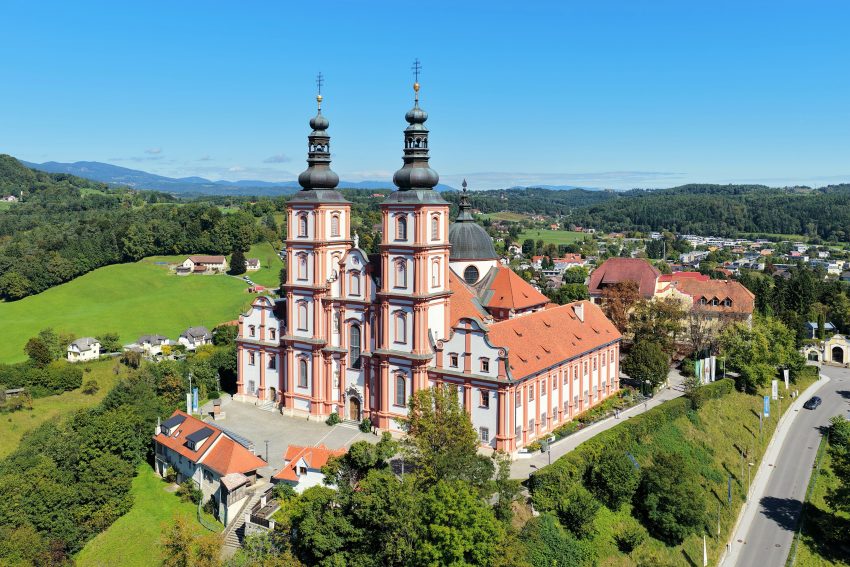
Perched on a hill in the Mariatrost district, Basilika Mariatrost is Graz's iconic Baroque pilgrimage church and one of the city's most rewarding “uphill” sights. Its twin towers are visible from afar, and the approach—especially on foot—builds anticipation before you step into the ornate, light-filled interior.
It's an easy add-on to a walking tour that links Graz's green northeast (Hilmteich, Leechwald) with a standout landmark, and it also works beautifully as a dedicated half-day outing: ride the tram close to the base, then finish with the famous steps and a viewpoint pause at the top.
Table of Contents
- History and Significance of the Basilika Mariatrost
- Things to See and Do in the Basilika Mariatrost
- How to Get to the Basilika Mariatrost
- Practical Tips on Visiting the Basilika Mariatrost
- Where to Stay Close to the Basilika Mariatrost
- Is the Basilika Mariatrost Worth Visiting?
- For Different Travelers
- FAQs for Visiting Basilika Mariatrost
- Nearby Attractions to the Basilika Mariatrost
History and Significance of the Basilika Mariatrost
Basilika Mariatrost is closely tied to Styria's long tradition of Marian pilgrimage. Dedicated to the Virgin Mary, it has drawn worshippers and visitors for centuries, and the hilltop setting reinforces its role as a destination you intentionally “go to,” not something you merely pass by.
The current Baroque church was built in the early 18th century (commonly dated to 1714–1724) and is associated with the Stengg family of builders, who shaped much of Graz’s Baroque character. In modern times, its status was further recognized when it was named a minor basilica in 1999.
Beyond religion, the basilica is part of Graz’s cultural identity: a place for quiet reflection, seasonal services, and occasional concerts, while also serving as a visual anchor for the Mariatrost neighborhood.
Things to See and Do in the Basilika Mariatrost
Start outside: the classic view is the basilica rising above the stairway approach, with the twin towers framing the façade. The forecourt and terraces are ideal for a short breather after the climb, and on clear days you’ll get satisfying views over the surrounding hills and toward the city.
Inside, the highlight is the richly detailed Baroque decoration—ornate altars, sculptural elements, and a sense of symmetry that makes the space feel both grand and calm. Even if you’re not visiting for worship, the interior rewards a slow circuit: look up, take in the ceiling artwork, and notice how the light changes across the day.
To round out the visit, combine it with a gentle neighborhood stroll: Mariatrost feels greener and quieter than central Graz, so it's a nice contrast to the Old Town's busy lanes.
How to Get to the Basilika Mariatrost
The nearest major airports are Graz Airport (GRZ) for the quickest arrival, with Vienna Airport (VIE) as a common international alternative if you're connecting from farther afield. For the best deals and a seamless booking experience, check out these flights to Graz on Booking.com.
Graz is well connected by rail, and arriving by train is straightforward via Graz Hauptbahnhof, from where you can continue by tram or taxi to Mariatrost. You can easily check timetables and book train tickets through the ÖBB (Austrian Federal Railways) website. However, for a smoother experience, we recommend using Omio, which simplifies the booking process and lets you compare routes, prices, and departure times all in one place.
If you’re traveling by car, you can drive out to the Mariatrost area and then walk the final stretch up to the basilica. If you are looking to rent a car in Austria I recommend having a look at Discover Cars, first, as they compare prices and review multiple car rental agencies for you.
Within the city, public transport is convenient: take a tram toward Mariatrost and expect a short but steep walk at the end. Many visitors choose the classic approach via the long stairway, which turns the arrival into part of the experience.
Practical Tips on Visiting the Basilika Mariatrost
- Official website: https://mariatrost.graz-seckau.at/
- Entrance fee: Free; donations appreciated.
- Opening hours: Daily: 07:00–19:00.
- Best time to visit: Go in the morning for a quieter interior, or late afternoon for softer light and a more scenic viewpoint stop after the climb.
- How long to spend: Plan 30–60 minutes for the basilica itself, or 1.5–2 hours if you include the stairs, viewpoints, and a relaxed neighborhood walk.
- Accessibility: The hill and steps can be challenging; if you want to minimize stairs, use public transport or a taxi closer to the top and approach via the road.
- Facilities: Expect limited tourist-style facilities on-site; plan for restrooms and longer breaks in central Graz or around tram stops and nearby cafés.
Where to Stay Close to the Basilika Mariatrost
For most travelers, the best base is central Graz (Innere Stadt) for walkability, dining, and easy tram connections to Mariatrost.
If you want a classic city stay with quick access to sights and transit, choose a central hotel and treat Mariatrost as a simple out-and-back excursion. For a quieter feel, look toward the greener eastern side of the city, which can shorten the ride and make early visits easier.
Hotel Weitzer Graz A reliable central pick near the river, great for easy tram/taxi connections and a comfortable base after a day of sightseeing.
Grand Hôtel Wiesler Stylish and characterful, ideal if you want a design-forward stay close to the Old Town and public transport.
Schlossberghotel A boutique option with a peaceful atmosphere, perfect for couples who want charm and a calm retreat near the center.
NH Graz City Practical and well-located for quick access to central landmarks, with straightforward comfort for short stays.
Hotel Mercure Graz City Good value near Lendplatz’s food scene, making it easy to balance neighborhood vibes with simple transport to Mariatrost.
Is the Basilika Mariatrost Worth Visiting?
Yes—Basilika Mariatrost is absolutely worth visiting if you enjoy architecture, viewpoints, and places that feel genuinely peaceful even when they're popular. The combination of a dramatic hilltop setting, a richly ornate Baroque interior, and the satisfying “arrival moment” after the climb makes it one of Graz's most memorable single sights.
Honest Pivot: If steep walks or stairs are a deal-breaker and you’re not especially interested in churches or Baroque art, you may prefer to focus on Graz’s flatter Old Town highlights and viewpoints that require less effort. You can still get a taste of Mariatrost by riding close to the top and keeping the visit short.
What Other Travellers Say...

Reviews are overwhelmingly positive, with visitors praising the basilica’s serene atmosphere, immaculate upkeep, and richly ornate Baroque interior. Many also highlight the hilltop setting and rewarding views, noting that the climb up the long stairway adds to the experience. The most common drawback is the steep approach and the number of steps, which can be tiring if you arrive by public transport or on foot; a few visitors also mention it can be busier than expected even on weekdays.


For Different Travelers
Basilika Mariatrost works well as a flexible stop: you can keep it quick and scenic, or slow down and treat it as a calm, contemplative visit. It's also easy to pair with nearby green spaces for a more local-feeling half day.
Families with Kids
Kids often enjoy the “mission” aspect of reaching the basilica—especially if you frame the stair climb as a challenge with a reward at the top. The open space outside is useful for a reset before heading back down.
Inside, keep expectations realistic: it’s a place for quiet voices and slower movement. A short, focused visit (spot the biggest details, then head out for views) usually works best.
Couples & Romantic Getaways
For couples, the basilica delivers a classic Graz photo moment and a peaceful atmosphere that feels removed from the city bustle. The approach and the views at the top make for a naturally romantic mini-itinerary.
Plan it around golden-hour light if you can, then continue with a relaxed dinner back in central Graz. It's a simple outing that feels special without needing a full-day plan.
Budget Travelers
This is a strong budget-friendly attraction because it’s easy to reach by public transport and doesn’t require a ticket. The experience feels “big” for the effort: architecture, calm interior time, and a viewpoint in one stop.
Bring water and pace the climb, especially in warmer months. If you’re watching spending, pair it with a self-guided walk through nearby green areas instead of paid activities.
History Buffs
History lovers will appreciate how Mariatrost reflects Graz's Baroque era and the region's pilgrimage traditions. The basilica's builders and its early-18th-century construction connect it to a broader story of artistic and religious patronage in Styria.
To deepen the context, compare it with central Graz churches and Baroque façades, noting how Mariatrost's hilltop placement changes the way the architecture is experienced—more like a destination than a neighborhood parish.
FAQs for Visiting Basilika Mariatrost
Getting There
Tickets & Entry
Visiting Experience
Tours, Context & Itineraries
Photography
Accessibility & Facilities
Food & Breaks Nearby
Safety & Timing
Nearby Attractions to the Basilika Mariatrost
- Hilmteich: A popular pond and leisure spot that’s great for a gentle walk before or after heading to Mariatrost.
- Leechwald: A wooded area with trails that lets you turn your basilica visit into a nature-and-city combo.
- Tramway Museum Graz: A niche, fun stop near the Mariatrost tram terminus for transport-history fans.
- Herz-Jesu-Kirche: Another impressive church in Graz, known for its striking architecture and photogenic exterior.
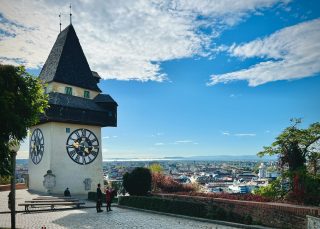
- Schlossberg & Uhrturm: Graz's classic viewpoint and clock tower, perfect to pair with Mariatrost for a “two viewpoints” day.
The Basilika Mariatrost appears in our Complete Guide to Visiting Graz!

Moira & Andy
Hey! We're Moira & Andy. From hiking the Camino to trips around Europe in Bert our campervan — we've been traveling together since retirement in 2020!
This website uses affiliate links which may earn a commission at no additional cost to you!
Planning Your Visit
Daily: 07:00-19:00.
Free; donations appreciated.
Nearby Attractions
- Botanischer Garten (3.8) km
Attraction and Gardens - The Styrian Folklore Museum (5.3) km
Museum - Schlossberg (5.3) km
Mountain, Park and Viewing Point - Burgtor (5.3) km
City Gate - Grazer Burg (5.3) km
Castle, Courtyard and Historic Building - St. Catherine's Church and Mausoleum (5.4) km
Church, Historic Building and Mausoleum - Cathedral of St. Giles (5.4) km
Cathedral, Church and Religious Building - Diocese Museum (5.4) km
Gallery, Museum and Religious Building - Sporgasse (5.4) km
Area and Street - Uhrturm (5.5) km
Monument, Tower and Viewing Point