Archaeological Museum, Split
Museum in Split
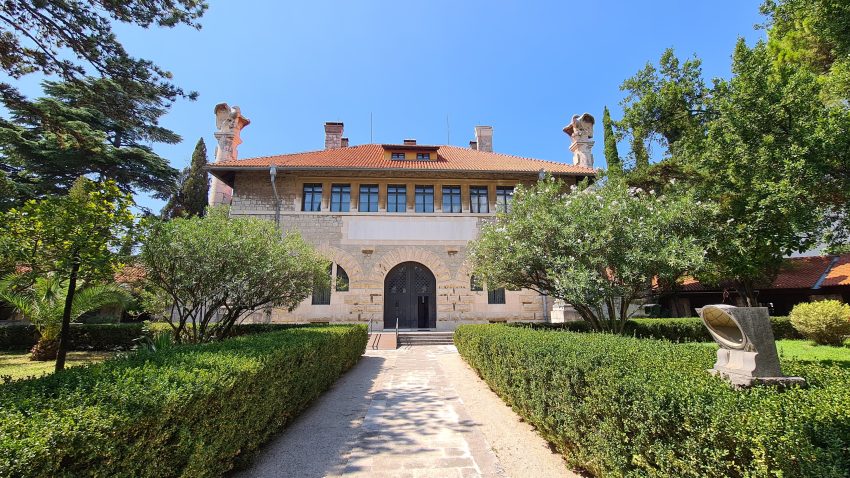
The Archaeological Museum in Split is one of the city's most rewarding stops for understanding Dalmatia beyond the postcard views of Diocletian's Palace. Set a little back from the Old Town, it's an easy add-on to a walking tour day, especially if you want a quieter, more reflective break from Split's busiest lanes.
What makes this museum distinctive is the mix of indoor galleries and an outdoor courtyard packed with stone monuments, inscriptions, and carved fragments that feel like an open-air archive of Roman-era life. Many visitors find the courtyard and lapidarium-style displays to be the highlight, so it’s a great place to slow down and look closely at details you might miss at larger sites.
Table of Contents
- History and Significance of the Archaeological Museum
- Things to See and Do in the Archaeological Museum
- How to Get to the Archaeological Museum
- Practical Tips on Visiting the Archaeological Museum
- Where to Stay Close to the Archaeological Museum
- Is the Archaeological Museum Worth Visiting?
- For Different Travelers
- FAQs for Visiting Archaeological Museum
- Nearby Attractions to the Archaeological Museum
History and Significance of the Archaeological Museum
The Archaeological Museum in Split holds a key place in Croatia's cultural story: it preserves material from the wider Split and Solin (ancient Salona) area, where Roman Dalmatia once had one of its most important urban centers. Visiting helps connect the dots between what you see in the city today and the older layers that shaped it.
Inside, the museum’s collections span multiple eras, but the Roman provincial material and epigraphic tradition (inscriptions on stone) are especially strong. Even if you’re not an expert, the sheer volume of carved names, symbols, and architectural fragments gives a tangible sense of how public life, belief, and memorial culture worked in antiquity.
The museum also functions as a practical “context stop” for anyone planning to visit Salona: seeing sarcophagi, headstones, and carved reliefs up close can make the larger archaeological landscape outside the city feel more legible and meaningful.
Things to See and Do in the Archaeological Museum
Start in the outdoor courtyard, where rows of stone monuments, sarcophagi, and inscribed slabs create a dramatic, almost theatrical setting for Roman-era artifacts. It’s the kind of place where you can spend 10 minutes or an hour depending on how much you enjoy reading stones, comparing motifs, and spotting reused fragments.
Then head indoors for the themed rooms and smaller objects, which often include rotating or temporary displays. If you see QR codes for audio content, use them: many travelers report that the audio guides add clarity and make the visit feel far more engaging.
If you're building a “best of Split archaeology” day, pair the museum with a walk through Diocletian's Palace and a half-day trip to Salona in Solin. The museum's objects can act like a preview (or a debrief) for what you'll see on the ground at the ruins.
How to Get to the Archaeological Museum
The nearest major airport is Split Airport (SPU) in Kaštela; most international visitors arrive via SPU and then continue into Split by shuttle, taxi, or rideshare. For the best deals and a seamless booking experience, check out these flights to Split on Booking.com.
Split is also connected by rail to other Croatian cities, though trains can be slower than buses on some routes; if you're coming from elsewhere in Croatia, check whether a train to Split's main station fits your schedule. Train schedules and bookings can be found on Omio.
From central Split (Riva/Old Town), the museum is reachable on foot in roughly 15–25 minutes depending on your starting point, and local buses can shorten the walk if you're coming from farther neighborhoods. If you're driving, aim to arrive earlier in the day to improve your odds of finding street parking near the museum.
Practical Tips on Visiting the Archaeological Museum
- Official website: https://www.armus.hr/
- Entrance fee: Adults: €8; Children/Students/Persons with disabilities/Retirees: €4; Family ticket: €15; Combined ticket with Salona (within 7 days): Adults €10, Children €5.
- Opening hours: (Summer) June 1 – September 30; Monday – Saturday: 09:00–14:00 & 15:00–20:00. Closed on Sunday. (Winter) October 1 – May 31; Monday – Friday: 09:00–14:00 & 15:00–20:00. Saturday: 09:00–14:00. Closed on Sunday.
- Best time to visit: Go in the morning for a calmer experience in the indoor rooms, then enjoy the courtyard before the afternoon heat (especially in summer).
- How long to spend: Plan 60–90 minutes for a satisfying visit; add time if you like inscriptions, photography, or audio-guide listening.
- Accessibility: The visit includes both indoor and outdoor areas; expect uneven surfaces outdoors and check on-site for the easiest step-free route.
- Facilities: You’ll typically find basic visitor amenities and interpretive materials; use the QR-based audio content to add context as you move through the displays.
Where to Stay Close to the Archaeological Museum
Best area to base yourself: Stay in or near Split’s Old Town/Riva area for the easiest walking access to major sights, restaurants, and the museum.
Cornaro Hotel A polished, central choice with an easy walk to the museum and the Old Town; great if you want comfort and a strong breakfast before sightseeing.
Hotel Park Split A classic Split stay near Bačvice Beach, ideal if you want to mix museum time with seaside downtime and a more resort-like feel.
Radisson Blu Resort & Spa, Split A good pick for travelers who want spa facilities and sea views, while still being a straightforward ride to the museum and center.
Marmont Heritage Hotel A character-rich boutique option tucked into the historic core, perfect for couples who want atmosphere and walkability.
Hotel Luxe Convenient for ferry/bus connections and a practical base for day trips (including Salona), while still close enough to walk to the museum.
Is the Archaeological Museum Worth Visiting?
Yes, especially if you’re curious about Roman Dalmatia or you’re planning a side trip to Salona. The outdoor courtyard displays are genuinely memorable, and the museum can be a refreshing, less-crowded counterpoint to Split’s busiest historic streets.
Honest Pivot: If you prefer highly curated, heavily contextualized exhibits in English throughout, you may find parts of the museum feel sparse or unevenly explained. In that case, consider prioritizing Diocletian's Palace, a guided Old Town walk, and Salona, then visit the museum only if you have extra time.
What Other Travellers Say...

Google reviewers rate the Archaeological Museum in Split positively overall, with many highlighting the impressive outdoor courtyard filled with Roman stonework, sarcophagi, and inscriptions. Visitors often appreciate the informative QR-based audio guides and the chance to see artifacts connected to nearby Salona. Common downsides include limited English information in some areas, a feeling that the indoor section is small, and occasional criticism that the displays lack context or feel loosely organized.


For Different Travelers
The Archaeological Museum can fit many Split itineraries, but it shines most for travelers who enjoy slower-looking experiences and tangible traces of the ancient world. Think of it as a “details museum”: it rewards patience, curiosity, and a willingness to explore both indoors and out.
Families with Kids
Kids who like “treasure-hunt” style visits may enjoy the outdoor courtyard, where big stone carvings and sarcophagi feel more immediate than small objects in cases.
To keep it fun, focus on shapes, symbols, and storytelling (Who might this have belonged to? What do the carvings show?) rather than trying to read every label.
Couples & Romantic Getaways
For couples, the museum works well as a quieter cultural stop between café time and a sunset stroll along the Riva. The courtyard has a calm, almost cinematic feel compared with the bustle of the Old Town.
Pair it with a relaxed lunch nearby and an evening walk through Diocletian's Palace when the day-trippers thin out for a more atmospheric Split experience.
Budget Travelers
The museum can be a good-value add if you’re genuinely interested in Roman history and want an activity that doesn’t revolve around food or nightlife spending.
If you’re watching every euro, consider whether a combined ticket with Salona fits your plans, and prioritize the courtyard highlights if you’re short on time.
History Buffs
History lovers will appreciate the density of Roman stonework and inscriptions, plus the way the museum complements Salona and Split’s living historic center.
Go slowly, use the audio content when available, and treat the visit as context-building: it’s less about one “masterpiece” and more about assembling a picture of the region over time.
FAQs for Visiting Archaeological Museum
Getting There
Tickets & Entry
Visiting Experience
Tours, Context & Itineraries
Photography
Accessibility & Facilities
Food & Breaks Nearby
Safety & Timing
Nearby Attractions to the Archaeological Museum
- Diocletian's Palace: Split's UNESCO-listed historic core, packed with lanes, courtyards, and Roman-era architecture.
- Gregory of Nin Statue: A popular landmark near the Old Town, known for its photo-friendly scale and local superstition.
- Riva Promenade: The city's waterfront walkway, ideal for people-watching and an easy pre- or post-museum stroll.
- Marjan Hill: A green escape with viewpoints and shaded paths, great for balancing culture with nature.
- Salona (Solin): The major Roman archaeological site just outside Split, best visited as a half-day trip.
The Archaeological Museum appears in our Complete Guide to Visiting Split!

Moira & Andy
Hey! We're Moira & Andy. From hiking the Camino to trips around Europe in Bert our campervan — we've been traveling together since retirement in 2020!
This website uses affiliate links which may earn a commission at no additional cost to you!
Planning Your Visit
(Summer) June 1 - September 30; Monday - Saturday: 09:00-14:00 & 15:00-20:00. Closed on Sunday.
(Winter) October 1 - May 31; Monday - Friday: 09:00-14:00 & 15:00-20:00. Saturday: 09:00-14:00. Closed on Sunday.
Adults: €8; Children/Students/Persons with disabilities/Retirees: €4; Family ticket: €15; Combined ticket with Salona (within 7 days): Adults €10, Children €5.
Nearby Attractions
- Game of Thrones Museum (0.8) km
Attraction and Museum - People's Square (0.8) km
Area, Historic Site and Square - Prokurative (0.8) km
Courtyard, Historic Building and Square - Iron Gate and Church of Our Lady of the Bell Tower (0.8) km
Church, City Gate and Historic Site - Grgur Ninski Statue (0.8) km
Attraction, Monument and Statue - Golden Gate (0.9) km
City Gate, Historic Site and Roman Site - Church of Saint Martin (0.9) km
Church and Historic Site - Fruit's Square (0.9) km
Historic Site, Monument and Square - City Museum of Split (0.9) km
Historic Building, Historic Site and Museum - Temple of Jupiter (0.9) km
Historic Site, Religious Building and Roman Site