Aleksandër Moisiu’s House-Museum, Durrës
Historic Building and Museum in Durrës
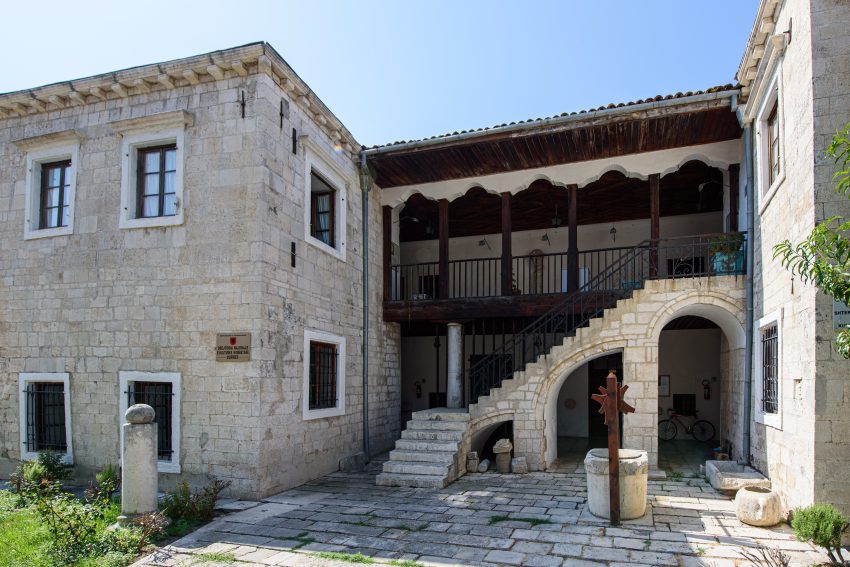
Tucked within the historic core of Durrës, the Ethnographic Museum offers an intimate look into the daily life and culture of Albania's past. Set in a charming 19th-century Ottoman-style house, this small but fascinating museum blends architecture, heritage, and personal history. The building itself, with its stone base, wooden upper floors, and sunlit çardak (traditional balcony), evokes the warmth and hospitality of an earlier era.
Located along a narrow road that winds within the old Byzantine walls, the museum is one of the top sights in Durrës for visitors who want to go beyond the city's Roman and Byzantine ruins. Its combination of folk exhibits and the story of Aleksandër Moisiu makes it a great place to visit on a walking tour of Durrës, offering a tranquil counterpoint to the city's bustling seafront.
History and Significance of Ethnographic Museum
Opened in 1982, the Ethnographic Museum of Durrës occupies a traditional Ottoman house that once belonged to the family of Aleksandër Moisiu, one of Albania's most celebrated stage actors. Moisiu, who rose to fame in the early 20th century, became a major figure in European theater, performing in cities such as Vienna and Berlin. His connection to the building adds a personal and cultural depth to the museum, linking Albania's artistic heritage with its folk traditions.
The structure itself is a fine example of 19th-century urban Albanian architecture. Built from stone and timber, it features several bright, spacious rooms and an upper-floor çardak - a covered wooden balcony used for relaxation and receiving guests. The front courtyard, paved with flagstones and shaded by greenery, creates a peaceful setting that feels far removed from the busy streets outside. Together, the house and its contents reflect both the everyday life and social customs of Durrës families in centuries past.
Things to See and Do in Ethnographic Museum
Inside the museum, visitors will find a carefully curated collection of objects that illustrate the material culture of the region. Displays include traditional clothing from Durrës and the surrounding areas, intricately embroidered textiles, copper kettles, and delicate household ceramics. These artifacts tell the story of Albanian domestic life - from tea-making rituals to festive attire - providing a tangible sense of how families lived, worked, and celebrated.
A dedicated section honors Aleksandër Moisiu, showcasing photographs, documents, and memorabilia connected to his theatrical career. This mix of ethnography and biography makes the museum one of the things to do in Durrës for travelers interested in both everyday culture and notable personalities. The peaceful setting, combined with the authenticity of the building, makes it a rewarding stop often visited on walking tours of Durrës that explore the city's historic heart.
How to Get There
The Ethnographic Museum is located near the Durrës Amphitheater, within the old part of the city. It can easily be reached on foot from most central attractions, including the Venetian Tower and the Archaeological Museum. Simply follow the road running along the inside of the Byzantine walls, where signs point toward the site. Buses and taxis operate frequently within Durrës, making it accessible from the port or beachfront areas.
Limited street parking is available near the amphitheater, but the narrow roads are better suited for walking. If you are looking to rent a car in Albania I recommend having a look at Discover Cars, first, as they compare prices and review multiple car rental agencies for you. Because of its location within the old quarter, comfortable shoes are recommended for the cobblestone streets.
Practical Tips on Visiting Ethnographic Museum
- Best time to visit Ethnographic Museum: Morning or midday when natural light fills the rooms.
- Entrance fee in Euros: Around €2-3.
- Opening hours: Typically open from 9 am to 4 pm, closed Mondays.
- Official website: Information available through Durrës Tourism Office.
- How long to spend: 30-45 minutes.
- Accessibility: The upper floor and balcony are reached by stairs; limited wheelchair access.
- Facilities: Small garden and seating area outside.
- Photography tip: The courtyard and upper çardak offer beautiful framing for photos of traditional architecture.
- Guided tours: Occasionally available; inquire at the entrance or local tourism office.
- Nearby food options: Several cafés and small restaurants are located near the amphitheater and old town streets.
Is Ethnographic Museum Worth Visiting?
Yes. The Ethnographic Museum is a charming and meaningful stop for anyone interested in Albanian heritage. Though small, it offers a deep connection to local history, architecture, and daily life - as well as a personal link to one of Albania's most beloved cultural figures. It's one of the best places to visit in Durrës for a quieter, more intimate understanding of the city's identity beyond its ancient ruins.
What Other Travellers Say...

MuZEH Lab - Place of Cultures and Creativity on Rruga Enver Zazani in Durrës is a small, grassroots museum run by welcoming staff who guide visitors through a varied private collection of artifacts, offering personal stories and insights into Albanian culture; despite its compact size it's described as soulful, interesting and unique, with special features like a trail of old doors that visitors are encouraged to explore.


FAQs for Visiting Ethnographic Museum
Nearby Attractions to Ethnographic Museum
- Durrës Archaeological Museum - The largest collection of ancient artifacts in Albania.
- Durrës Amphitheater - A vast Roman arena offering insight into the city's ancient past.
- Durrës Castle - Byzantine walls and towers that once protected the city from invasions.
- Byzantine Forum - The remains of an early Byzantine market square with Corinthian columns.
- Great Mosque (New Mosque) - A 20th-century religious landmark in Iliria Square.
The Aleksandër Moisiu’s House-Museum appears in our Complete Guide to Visiting Durrës!

Moira & Andy
Hey! We're Moira & Andy. From hiking the Camino to trips around Europe in Bert our campervan — we've been traveling together since retirement in 2020!
This website uses affiliate links which may earn a commission at no additional cost to you!
Nearby Attractions
- Durrës Amphitheatre (0.1) km
Ruins - Venetian Tower (0.1) km
Tower - Sheshi Liria (0.3) km
Square - Durrës Great Mosque (0.3) km
Mosque - Durrës Castle (0.3) km
Castle - Byzantine Forum (0.5) km
Ruins - Durrës Archaeological Museum (0.5) km
Museum - Well of Tophane (0.6) km
Historic Site - Royal Villa of Durrës (0.8) km
Historic Building - Museum of Martyrs and Hall of War Relics (0.9) km
Museum