Zgërdhesh Archaeological Site, Kruja
Ruins in Kruja

Hidden in the hills between Kruja and Fushë-Krujë, the ruins of Zgërdhesh whisper of an ancient civilization that once flourished long before the rise of the Roman Empire. This vast Illyrian settlement, dating from the 4th to 2nd centuries BC, was a thriving urban center enclosed by powerful defensive walls that stretched over a kilometer in length. Its elevated acropolis, which occupied nearly a third of the site, served as the political and spiritual heart of the community. Though silent today, Zgërdhesh remains one of the most enigmatic archaeological sites in Albania - a place where myth, history, and identity converge.
For travelers with an interest in ancient history, Zgërdhesh is one of the best places to visit in Kruja's surrounding region. It's also a great place to visit on a walking tour of Albania's lesser-known historical landscapes, offering breathtaking views, the thrill of discovery, and a tangible connection to the country's prehistoric roots.
Table of Contents
- History and Significance of Zgërdhesh Archaeological Site
- Things to See and Do in Zgërdhesh Archaeological Site
- How to Get There
- Practical Tips on Visiting Zgërdhesh Archaeological Site
- Is Zgërdhesh Archaeological Site Worth Visiting?
- FAQs for Visiting Zgërdhesh Archaeological Site
- Nearby Attractions to Zgërdhesh Archaeological Site
History and Significance of Zgërdhesh Archaeological Site
Archaeological research suggests that Zgërdhesh was founded in the 4th century BC and reached its peak in the 3rd century BC before being abandoned in the 2nd century BC. Its fortified walls, stretching over 1,400 meters, enclosed a sophisticated urban layout featuring residential areas, defensive bastions, and public spaces. The acropolis dominated the settlement, likely housing administrative and religious buildings. Its commanding position offered strategic oversight of the surrounding plains and trade routes connecting the interior of Illyria with the Adriatic coast.
Despite its size and complexity, Zgërdhesh is not mentioned by name in any surviving ancient texts. This silence has led scholars to speculate that it may be the lost city of Albanopolis - the capital of the Illyrian tribe known as the Albani, who are believed to have given modern Albania its name. The Roman author Pliny the Elder referred to a city called Arbanon, possibly Albanopolis, and many researchers believe Zgërdhesh fits this description based on its location and archaeological remains. If true, this would make the site one of the earliest known centers of the Albanian people's ancestors.
Things to See and Do in Zgërdhesh Archaeological Site
Visiting Zgërdhesh offers a rare opportunity to walk through a landscape largely untouched by mass tourism. Though the site lacks major reconstructions, its ruins reveal much to the observant visitor. You can trace the outlines of ancient walls, foundations of homes, and remnants of gates that once guarded this Illyrian stronghold. Standing atop the acropolis provides sweeping views of the plains below, helping visitors understand why this site was chosen for settlement - both defensible and well-placed for trade and communication.
The experience is as much about atmosphere as archaeology. The site's quiet isolation and scenic surroundings invite reflection on the vast span of Albanian history - from the Illyrians to the present day. As new excavations and studies continue, Zgërdhesh is slowly yielding clues about the social organization, economic life, and religious practices of its inhabitants. This spot is one of the top sights near Kruja for those who value authentic, lesser-known historical exploration.
How to Get There
Zgërdhesh lies approximately 3 kilometers west of Fushë-Krujë and about 10 kilometers from Kruja. The most convenient way to reach it is by car, following local roads from Kruja or Fushë-Krujë toward the village of Zgërdhesh. If you are looking to rent a car in Albania I recommend having a look at Discover Cars, first, as they compare prices and review multiple car rental agencies for you.
Public transport options are limited, so hiring a taxi or arranging a private tour is recommended. The final approach involves a short hike through rural terrain to reach the ruins, where a small information sign marks the entrance. Comfortable footwear and water are advisable, especially in warmer months.
Practical Tips on Visiting Zgërdhesh Archaeological Site
- Best time to visit Zgërdhesh: Spring or autumn for pleasant temperatures and clear skies.
- Entrance fee in Euros: Free; open-access site.
- Opening hours: Accessible year-round during daylight hours.
- Official website: Information available through the Albanian Institute of Archaeology.
- How long to spend: 1-2 hours.
- Accessibility: Uneven terrain; moderate physical effort required.
- Facilities: None on-site; nearest amenities are in Fushë-Krujë.
- Photography tip: Capture the ruins with the backdrop of Kruja’s hills and plains for scale.
- Guided tours: Occasionally offered by local archaeologists or heritage organizations.
- Nearby food options: Local restaurants and cafés in Fushë-Krujë.
Is Zgërdhesh Archaeological Site Worth Visiting?
Yes. Zgërdhesh is one of Albania's most intriguing and underexplored archaeological sites. Its possible link to the ancient city of Albanopolis makes it a location of deep historical and national significance. For visitors who enjoy off-the-beaten-path destinations, Zgërdhesh offers both mystery and majesty - a chance to connect with the earliest chapters of Albanian civilization in a tranquil, unspoiled setting.
What Other Travellers Say...

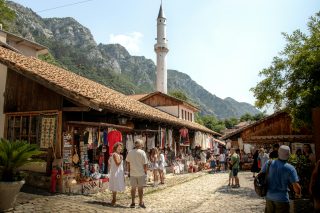
Kruja Bazaar, set on a mountainside in Krujë, is a lively cobblestone market where traditional shops sell handmade crafts, textiles, antiques and local products like olive oil and honey; visitors praise its authentic atmosphere, friendly shopkeepers and plentiful souvenir options, and note that the bazaar offers strong views of a well-preserved castle at the market's end—making it an easy, rewarding stop if you want to hunt for genuine crafts and photo opportunities.


FAQs for Visiting Zgërdhesh Archaeological Site
Nearby Attractions to Zgërdhesh Archaeological Site
- Preza Castle - A nearby hilltop fortress offering views toward Tirana and the Adriatic.
- Kruja Castle - The legendary stronghold of Skanderbeg, Albania's national hero.
- Skanderbeg Museum - A monument to the country's medieval struggle for independence.
- Old Bazaar of Kruja - A 400-year-old market filled with traditional crafts.
- Kruja Ethnographic Museum - A beautifully preserved 19th-century Albanian home.
The Zgërdhesh Archaeological Site appears in our Complete Guide to Visiting Kruja!

Moira & Andy
Hey! We're Moira & Andy. From hiking the Camino to trips around Europe in Bert our campervan — we've been traveling together since retirement in 2020!
This website uses affiliate links which may earn a commission at no additional cost to you!
Nearby Attractions
- The Tekke of Dollma (3.7) km
Mosque - Kruja’s Medieval Hammam (3.7) km
Historic Building - Kruja Ethnographic Museum (3.8) km
Museum - Kruja Castle (3.8) km
Castle - Skanderbeg Museum (3.9) km
Museum - Watch Tower (3.9) km
Tower - Kruja Bazaar (4.1) km
Bazaar - Skanderbeg Monument (4.2) km
Monument - Sari Salltik Cave (5.1) km
Cave and Religious Building - Tirana Airport (8.4) km
Airport