Republic of North Macedonia: The Ultimate Travel Guide 2026
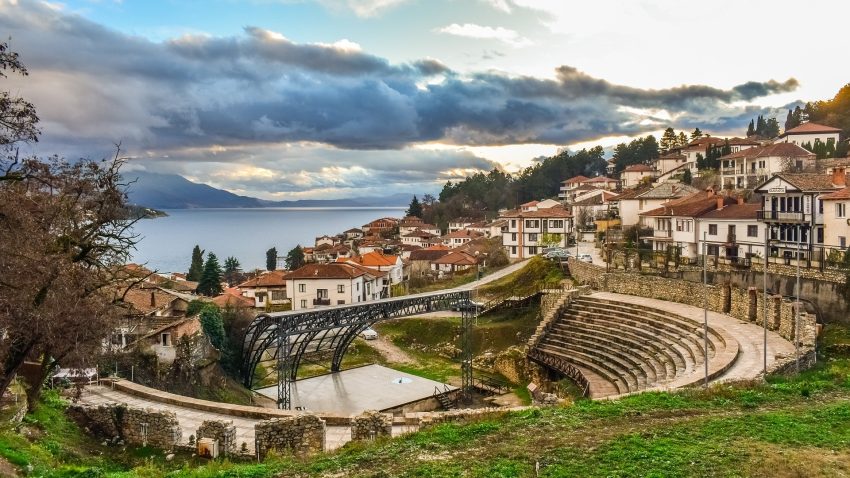
The Republic of North Macedonia is a landlocked country in Southeast Europe, situated in the heart of the Balkan Peninsula. It borders Serbia to the north, Kosovo to the northwest, Bulgaria to the east, Greece to the south, and Albania to the west, making it a natural crossroads between regions. Its capital, Skopje, is the country’s largest city and main hub for government, business, and culture.
North Macedonia is known for its varied landscapes, from mountain ranges and forested valleys to fertile plains and striking lakes. Lake Ohrid, one of Europe’s oldest and deepest lakes, is among its most recognizable natural landmarks, alongside Lake Prespa and the rugged peaks of national parks such as Mavrovo, Pelister, and Galicica. This mix of terrain supports outdoor activities year-round, including hiking, skiing, and lakeside tourism.
Culturally, North Macedonia reflects a blend of influences shaped by the wider Balkan region, expressed through its languages, traditions, music, and cuisine. Macedonian is the official language, and the country is home to diverse communities that contribute to its social and cultural life. Visitors often notice the strong café culture, lively markets, and a food scene featuring grilled meats, fresh salads, baked dishes, and local wines, all of which help give the country its distinct character.
Table of Contents
- History of Republic of North Macedonia
- Antiquity to Late Antiquity
- Slavic Settlement and Medieval States
- Ottoman Rule
- Balkan Wars and Partition
- World Wars and Interwar Yugoslavia
- World War II and Socialist Macedonia
- Independence and Early Statehood
- Conflict and the Ohrid Framework Agreement
- Euro-Atlantic Path and the Name Change
- Recent Developments
- Best Time to Visit Republic of North Macedonia
- Food and Drink from Republic of North Macedonia
History of Republic of North Macedonia
North Macedonia’s history sits at the crossroads of the Balkans, shaped by shifting empires, competing national movements, and repeated changes in borders and identity. The modern Republic of North Macedonia emerged from Yugoslavia in the early 1990s and later resolved a long naming dispute with Greece, adopting its current constitutional name in 2019.
Antiquity to Late Antiquity (before 600 CE)
The territory of today’s North Macedonia formed part of the wider ancient Macedonian and Paeonian worlds and later came under strong Hellenistic influence. After Roman conquest, it was integrated into the Roman imperial system, with major routes such as the Via Egnatia linking the region to the Adriatic and the Aegean. In Late Antiquity, the area became part of the Eastern Roman (Byzantine) sphere, with Christianity spreading and urban centers developing and then contracting amid instability.
Slavic Settlement and Medieval States (600–1400)
From the 6th–7th centuries, Slavic-speaking groups settled across the region, mixing with existing populations and reshaping language and culture. The area became a contested frontier among Byzantium, the First Bulgarian Empire, and later the Serbian medieval state. A key medieval center was Ohrid, which developed into an important religious and cultural hub; the Ohrid Archbishopric played a major role in regional ecclesiastical life for centuries. Control shifted repeatedly, reflecting the broader balance of power in the Balkans.
Ottoman Rule (late 1300s–1912)
The Ottoman Empire incorporated the region in the late 14th century and ruled for roughly five centuries. Ottoman administration, landholding patterns, and urban life left lasting marks, including the growth of towns with mixed religious and linguistic communities. Over time, reforms, economic change, and rising national movements across the Balkans intensified competition over Macedonia’s future. By the late 19th and early 20th centuries, revolutionary organizations and armed bands operated in the region, and local populations were pulled between rival national programs.
Balkan Wars and Partition (1912–1913)
The Balkan Wars ended Ottoman rule in most of the region. Macedonia was partitioned among neighboring states; the largest portion of what is now North Macedonia (Vardar Macedonia) came under Serbian control. This partition created enduring disputes over identity, language, and historical narratives, and it set the stage for later conflicts and state-building efforts.
World Wars and Interwar Yugoslavia (1914–1941)
During World War I, the area became a major theater on the Macedonian Front, suffering heavy disruption. In the interwar period it was part of the Kingdom of Serbs, Croats and Slovenes (later the Kingdom of Yugoslavia). State policies promoted integration and often suppressed distinct regional or national expressions, while political violence and competing movements continued.
World War II and Socialist Macedonia (1941–1991)
In World War II, Axis powers occupied and divided the territory, with significant wartime repression and resistance activity. The partisan movement ultimately prevailed, and after 1944 the region became the People’s (later Socialist) Republic of Macedonia within socialist Yugoslavia. In this period, Macedonian state institutions were consolidated, the Macedonian language was standardized, and a distinct republican identity was promoted within the Yugoslav federal framework. Skopje’s 1963 earthquake was a major turning point, leading to large-scale reconstruction and modernization.
Independence and Early Statehood (1991–2001)
Following Yugoslavia’s breakup, the Republic of Macedonia declared independence in 1991. The new state faced economic dislocation, regional instability, and disputes with neighbors—most prominently Greece over the country’s name and related symbols. International recognition proceeded gradually, and the country entered global institutions under a provisional reference in many settings.
Conflict and the Ohrid Framework Agreement (2001)
In 2001, an armed conflict erupted between state forces and ethnic Albanian insurgents, reflecting deeper tensions over representation, language rights, and decentralization. The Ohrid Framework Agreement ended the fighting and reshaped the political system by expanding minority rights, strengthening local self-government, and introducing power-sharing mechanisms that have remained central to domestic politics.
Euro-Atlantic Path and the Name Change (2002–2019)
North Macedonia pursued integration with the European Union and NATO, while domestic politics alternated between reform efforts and periods of polarization. The long-running dispute with Greece over the name impeded progress for years. In 2018, the Prespa Agreement with Greece paved the way for adopting the name “Republic of North Macedonia,” which took effect in 2019, unlocking new momentum in foreign policy goals.
Recent Developments (2020–present)
North Macedonia joined NATO in 2020. EU accession efforts have continued but have faced hurdles, including disputes tied to history, language, and identity questions in the region. Domestically, politics remains shaped by the balance between major Macedonian and Albanian parties, governance reforms, and economic and demographic challenges, while the state continues to navigate its place in a complex Balkan geopolitical environment.
Best Time to Visit Republic of North Macedonia
Visiting Republic of North Macedonia in Spring
Spring (March–May) is ideal for mild temperatures, greener landscapes, and fewer crowds than peak summer. It’s a great time for sightseeing in Skopje, exploring Ohrid’s old town comfortably, and enjoying lakeside walks before the hotter months arrive. Late spring is especially good for hiking as trails begin to fully open up.
Visiting Republic of North Macedonia in Summer (Best)
Summer (June–August) is the top choice if you want long days, warm weather, and the most vibrant atmosphere—especially around Lake Ohrid. This is the best season for swimming, boat trips, and outdoor dining by the water, and it’s when many cultural events are in full swing. Festival highlight: The Ohrid Summer Festival (typically July–August) is a major draw, featuring music, theatre, and performances in atmospheric historic venues.
Visiting Republic of North Macedonia in Autumn
Autumn (September–November) brings pleasant temperatures, golden scenery, and a calmer pace after summer crowds fade. Early autumn is excellent for city breaks, wine tasting, and day trips, while the cooler later weeks suit museum visits and relaxed travel. Festival highlight: The Skopje Jazz Festival (typically October) is a standout for live music and an energetic cultural scene.
Visiting Republic of North Macedonia in Winter
Winter (December–February) is best for a quieter trip, cozy city stays, and winter sports in the mountains. Expect colder weather, especially inland, with opportunities for skiing and snow activities at resorts such as Popova Shapka (near Tetovo) and Mavrovo. Holiday lights and seasonal markets can add atmosphere, particularly in Skopje and other larger towns.
Food and Drink from Republic of North Macedonia
Food and drink in the Republic of North Macedonia reflect a crossroads of Balkan, Mediterranean, and Ottoman influences, shaped by fertile valleys, mountain pastures, and a strong culture of seasonal cooking. Meals often center on fresh vegetables, beans, grains, dairy, and grilled meats, with recipes that emphasize slow-cooked stews, roasted peppers, and shared plates. Bread is a staple at the table, and hospitality is expressed through abundant spreads of salads, dips, and small bites that lead into heartier mains.
Vegetables play a starring role, especially peppers, tomatoes, eggplant, onions, and cabbage. A classic is shopska salad—tomatoes, cucumbers, onions, and peppers topped with grated white cheese—alongside ajvar, a beloved roasted red pepper relish often made with eggplant and served with bread or meats. Tavče gravče (baked beans) is widely considered a national dish, typically cooked with paprika and onions and finished in an earthenware pot, while sarma (cabbage rolls) and various stuffed peppers highlight the region’s fondness for preserved and winter-friendly foods.
Main dishes frequently feature grilling and hearty, rustic preparations. Ćevapi (small grilled minced-meat sausages) and pljeskavica (a spiced meat patty) are common, often paired with onions, flatbread, and creamy sides. Kebapi, skewered meats, and slow-cooked stews appear across the country, while Ohrid and Prespa regions are known for freshwater fish traditions. Dairy is prominent too, with sirenje (white brined cheese) and kajmak (a rich, clotted cream) adding depth to both everyday meals and celebratory tables.
Drinks range from strong coffee and herbal teas to a lively wine and spirits culture. Macedonian wines—especially from the Vardar River valley—include robust reds like Vranec and fresh whites such as Smederevka, often enjoyed with grilled meats and mezze-style spreads. Rakija, a fruit brandy commonly made from grapes or plums, is a customary aperitif at gatherings and family celebrations. For non-alcoholic options, locals often enjoy yogurt-based drinks, mineral water, and seasonal fruit juices, rounding out a cuisine that is both comforting and proudly regional.