Taranto, Italy: The Ultimate Travel Guide 2026
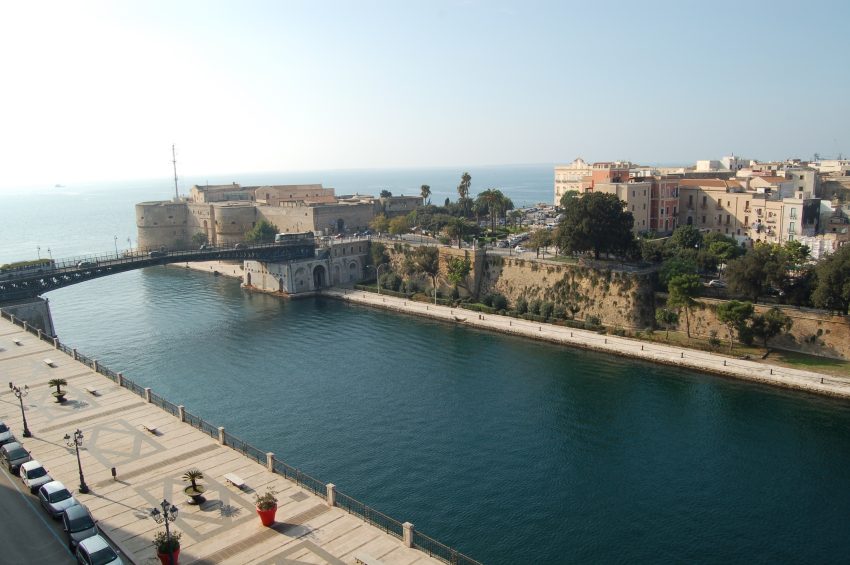
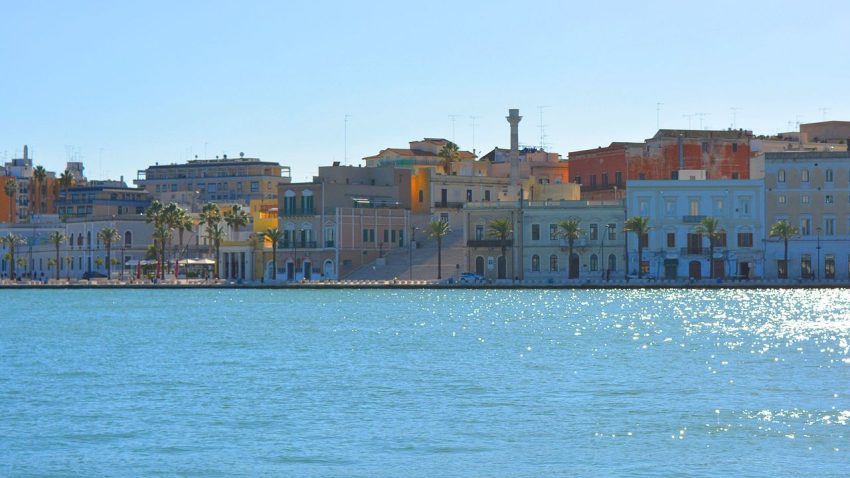
Taranto is a characterful coastal city in southern Italy's Puglia region, set between the open Ionian Sea and two sheltered inlets that give it a distinctive waterfront feel. It’s a place where you can spend a morning by the water, a lazy afternoon in lively piazzas, and an evening sampling local seafood and Apulian wines without needing a packed itinerary. The city’s compact core makes it easy to combine sightseeing with beach time and long, scenic walks along the promenades.
A visit to Taranto works best when you mix the old and the modern: stroll through the atmospheric lanes of the historic center, then cross to the newer districts for wide boulevards, cafés, and shopping streets. The seafront is a constant companion, with viewpoints, fishing boats, and sunset spots that feel genuinely local rather than staged. It's also a practical base for short trips to nearby beaches and small towns, so you can keep your days flexible.
Food is a big part of the experience here, from simple trattorias to market-style bites that highlight the city's maritime identity. Plan time for a museum visit, a slow lunch, and an evening passeggiata-Taranto rewards unhurried travel. Whether you're here for culture, coastline, or a bit of both, the city offers a relaxed rhythm and a strong sense of place.
Table of Contents
- History of Taranto
- Taranto in the Greek and Spartan Foundation
- Taranto in the Hellenistic Age and Regional Rivalries
- Taranto under Roman Rule
- Taranto in Late Antiquity and the Early Middle Ages
- Taranto in the Norman, Swabian, and Angevin Periods
- Taranto in the Aragonese and Early Modern Era
- Taranto in the 19th Century and Italian Unification
- Taranto in the 20th Century to Today
- Best things to do and See in Taranto
- Taranto: Explore the Old Town
- Taranto: Visit the National Archaeological Museum
- Taranto: Walk the Seafront Promenade
- Taranto: See the Aragonese Castle
- Taranto: Watch the Swing Bridge
- Taranto: Relax at San Vito Beach
- Taranto: Take a Boat Tour or Harbor Cruise
- Taranto: Visit the Cathedral of San Cataldo
- Taranto: Browse Local Markets and Try Street Food
- Taranto: Day Trip to Pulsano Marina and Nearby Coves
- 8 Best Day Trips from Taranto
- Where to Stay in Taranto
- Best Time to Visit Taranto
- How to get to Taranto
History of Taranto
Taranto in the Greek and Spartan Foundation
Taranto’s story begins in antiquity with a Greek foundation traditionally linked to Spartan settlers, giving the city a distinctive identity among the colonies of Magna Graecia. Its natural harbors supported trade, fishing, and maritime power, while Greek language and customs shaped civic life. Over time, Taranto grew into a prosperous polis known for craftsmanship, seafaring, and cultural influence.
Taranto in the Hellenistic Age and Regional Rivalries
As southern Italy became a patchwork of competing powers, Taranto navigated alliances and conflicts with neighboring peoples and other Greek cities. The city’s wealth and strategic maritime position made it both influential and vulnerable, drawing it into wider struggles that reshaped the region. Political shifts and military pressures gradually altered Taranto’s autonomy and fortunes.
Taranto under Roman Rule
Roman expansion brought Taranto into a new imperial framework, transforming administration, infrastructure, and economic networks. The city’s port remained important, but its political independence diminished as Roman institutions and patterns of landholding took hold. Over centuries, Taranto adapted to Roman urban life while retaining traces of earlier Greek heritage.
Taranto in Late Antiquity and the Early Middle Ages
With the decline of the Western Roman Empire, Taranto experienced periods of instability, changing authorities, and shifting trade routes. Defensive needs increased, and the city’s urban fabric evolved around security and survival. Religious institutions gained prominence, and the city’s role fluctuated with broader Mediterranean dynamics.
Taranto in the Norman, Swabian, and Angevin Periods
Medieval Taranto saw renewed strategic importance as southern Italy consolidated under successive dynasties. Fortifications and governance structures were strengthened, and the city became tied to feudal power networks. Architectural and administrative changes from these centuries left lasting marks on the city’s layout and landmark sites.
Taranto in the Aragonese and Early Modern Era
Early modern rulers invested in coastal defenses and military architecture as Mediterranean rivalries intensified. Taranto’s harbor and fortifications were central to regional security, and the city’s economy continued to revolve around maritime activity and local production. Social life reflected the hierarchies and institutions typical of the period.
Taranto in the 19th Century and Italian Unification
The 19th century brought political upheaval and modernization, culminating in integration into a unified Italian state. Administrative reforms and new infrastructure changed how the city functioned and connected with the wider peninsula. Urban development expanded beyond older cores, setting the stage for later growth.
Taranto in the 20th Century to Today
In the 20th century, Taranto’s identity became closely linked to major industrial and naval developments alongside its traditional maritime culture. Postwar changes reshaped employment, neighborhoods, and demographics, while civic life continued to balance heritage with modern pressures. Today, Taranto is marked by ongoing efforts to value its cultural assets, waterfront setting, and evolving urban character.

Moira & Andy
Hey! We're Moira & Andy. From hiking the Camino to trips around Europe in Bert our campervan — we've been traveling together since retirement in 2020!
Visiting Taranto for the first time and wondering what are the top places to see in the city? In this complete guide, I share the best things to do in Taranto on the first visit. To help you plan your trip, I have also included an interactive map and practical tips for visiting!
This website uses affiliate links which earn a small commission at no additional cost to you.
Best things to do and See in Taranto
1. Taranto: Explore the Old Town (Città Vecchia)
Taranto’s historic island-like old town is the most atmospheric place to start, with narrow lanes, small squares, and sudden views over the water. Wandering here is less about ticking off a list and more about letting the neighborhood reveal itself—laundry lines, local bakeries, and quiet corners near the sea.
Spend time crossing between viewpoints and small churches, then pause for coffee or a simple seafood snack. The area is best explored on foot; allow at least half a day if you like photography and slow travel.
2. Taranto: Visit the National Archaeological Museum (MArTA)
MArTA is the standout museum experience in Taranto, known for exceptional collections that illuminate the city’s ancient past and the wider region. The displays are well-curated, making it rewarding even if you’re not a specialist, and it’s an excellent option for a hot summer afternoon.
Plan for 1.5–2.5 hours depending on your pace. Typical entry is paid (often around €8–€12) and opening hours commonly run from morning into early evening, but times can vary by season—check locally before you go.
3. Taranto: Walk the Seafront Promenade (Lungomare)
The seafront is where Taranto’s daily rhythm is most visible: joggers, families, and couples out for the evening passeggiata. It’s an easy, scenic walk with frequent benches and viewpoints, and it links naturally with cafés and gelaterias for breaks.
Go in late afternoon to catch the changing light and stay through sunset for the best atmosphere. There’s no entry fee, and it’s accessible at all hours.
4. Taranto: See the Aragonese Castle (Castello Aragonese)
The Aragonese Castle is one of Taranto’s most recognizable landmarks, sitting dramatically by the water and reflecting the city’s long-standing strategic importance. Visiting gives you a strong sense of the maritime setting, with interiors and vantage points that frame the harbor.
Entry is often free or low-cost depending on the visit format, and guided visits may run on set schedules. Opening times vary (commonly daytime hours), so it’s best to confirm on arrival and plan around tour slots.
5. Taranto: Watch the Swing Bridge (Ponte Girevole) in Action
Taranto’s swing bridge is a small spectacle when it opens to allow vessels through, and it’s a classic “right place, right time” moment. Even when it’s not moving, it’s a great spot for photos and for understanding how the city’s waterways shape daily life.
Check locally for opening times, as movements depend on maritime traffic and scheduling. There’s no cost—just arrive early to claim a good viewing position along the railings.
6. Taranto: Relax at San Vito Beach
Within easy reach of the city, San Vito offers a straightforward beach day with clear water and a more relaxed feel than urban waterfront spots. It’s ideal if you want a quick swim and sun without committing to a long excursion.
Costs depend on whether you choose free beach areas or a lido with sunbeds and umbrellas (often roughly €15–€30 for a set, varying by season). Lidos typically operate from morning to early evening in summer.
7. Taranto: Take a Boat Tour or Harbor Cruise
Seeing Taranto from the water highlights the relationship between the city and its inlets, with perspectives you can’t get on foot. Tours range from short harbor cruises to longer outings that may include swimming stops when conditions allow.
Prices vary widely by duration and season (often around €15–€40+ per person). Departures are usually more frequent in late spring and summer; book ahead in peak months for the best time slots.
8. Taranto: Visit the Cathedral of San Cataldo
The Cathedral of San Cataldo is a key religious landmark and a calm, reflective stop amid a busy sightseeing day. The interior details and sense of continuity make it worthwhile even for visitors who don’t typically prioritize churches.
Entry is generally free, though donations may be encouraged. Opening hours can be limited around services and midday closures, so aim for late morning or early afternoon and dress respectfully.
9. Taranto: Browse Local Markets and Try Street Food
Markets are one of the best ways to connect with Taranto’s everyday life, especially if you’re curious about local seafood, seasonal produce, and regional pantry staples. Even a short visit can turn into an impromptu tasting tour if you stop for small bites nearby.
Go in the morning for the liveliest atmosphere and the best selection. Costs depend on what you sample, but it’s an affordable way to eat well; many market areas are free to enter and easy to combine with a walking route.
10. Taranto: Day Trip to Pulsano Marina and Nearby Coves
For a change of scenery within 10 km, head toward Pulsano Marina for coves and beach stretches that feel more “holiday coast” than city waterfront. It’s a good option if you want clearer swimming spots and a slower pace.
You can keep it simple with towels and snacks, or choose a lido for comfort and facilities (typically paid in summer). Aim for weekdays in high season to avoid the busiest crowds and to find parking more easily.