Ostuni, Italy: The Ultimate Travel Guide 2026
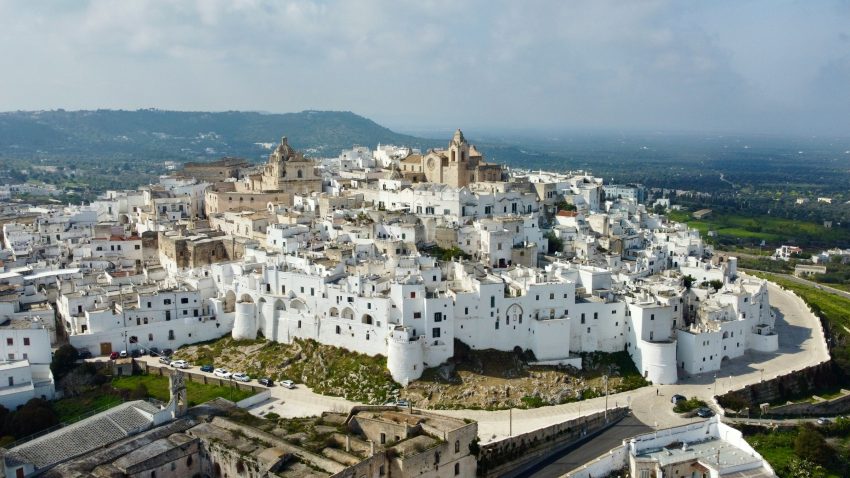
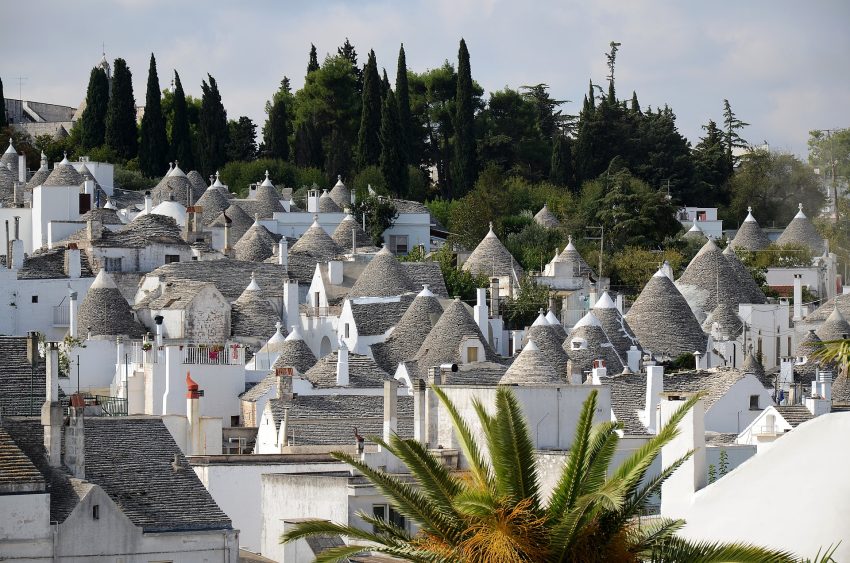
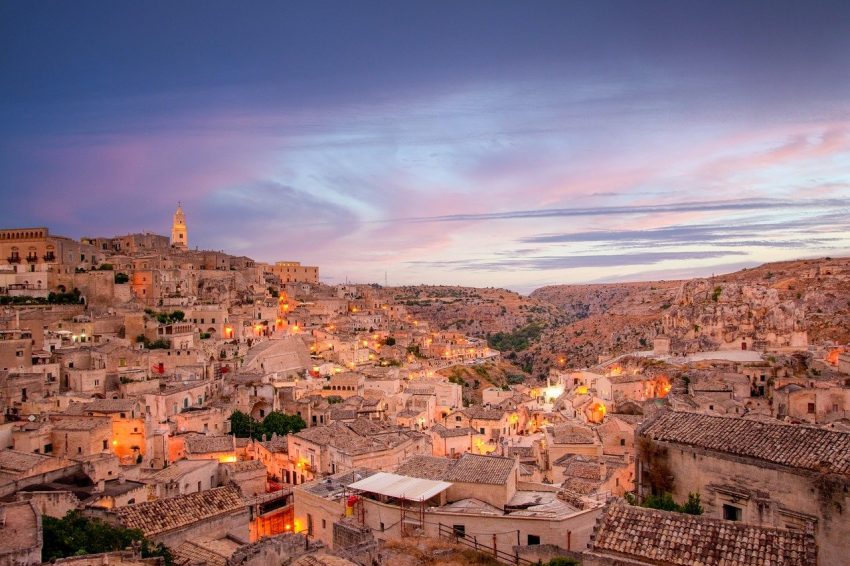
Ostuni is one of Puglia’s most photogenic hill towns, famous for its whitewashed old center that glows in the southern sun. Wandering its steep lanes is the main pleasure: you’ll pass arched passages, small piazzas, viewpoints over olive groves, and a lively mix of artisan shops and wine bars. It’s compact enough to explore on foot, yet full of little detours-stairways that suddenly open onto panoramic terraces and quiet corners that feel a world away from the busier streets.
Beyond the historic core, the landscape around Ostuni is classic Valle d'Itria and upper Salento in feel-endless ancient olive trees, dry-stone walls, and farmsteads (masserie) that often double as excellent places to eat or stay. It's also a great base for combining town time with beach time: the Adriatic coast is close, with sandy stretches, rocky coves, and nature reserves that make for easy half-day escapes.
Food and evenings are a big part of the experience. Expect simple, seasonal Puglian cooking-orecchiette, grilled vegetables, burrata, seafood when you’re near the coast-paired with local rosé and whites. After sunset, the “White City” atmosphere shifts: terraces fill up, the stone streets cool down, and the town feels made for slow strolls, gelato stops, and lingering dinners with views.
Table of Contents
- History of Ostuni
- Best things to do and See in Ostuni
- Ostuni Historic Center
- Ostuni Cathedral
- Ostuni’s Piazza della Libertà and the Column of Sant’Oronzo
- Ostuni’s City Walls and Panoramic Viewpoints
- Ostuni’s Olive Oil Experience at a Masseria or Frantoio
- Ostuni Marina and the Beaches
- Ostuni’s Torre Guaceto Nature Reserve
- Ostuni’s Archaeological Museum
- Ostuni’s Nearby Cisternino for a Food Evening
- Ostuni’s Countryside Bike or E-Bike Ride among Ancient Olive Groves
- 7 Best Day Trips from Ostuni
- Where to Stay in Ostuni
- Best Time to Visit Ostuni
- How to get to Ostuni
History of Ostuni
Ostuni in Prehistory and the Messapian Era
Human presence in the area dates back to prehistoric times, evidenced by archaeological finds and nearby cave and settlement traces. Over time, local communities developed fortified hilltop habits that favored defensible positions and access to surrounding farmland.
Before Roman dominance, the wider region was influenced by the Messapians, an Italic people known for their urbanized settlements and distinctive material culture. Trade and contact with Greek colonies across southern Italy shaped language, craft, and local power structures.
Ostuni under Rome and Late Antiquity
With Roman expansion, Ostuni’s territory was drawn into a broader administrative and commercial network. Roads, agricultural production, and regional markets helped integrate local communities into imperial systems, while rural estates and olive cultivation patterns began to resemble those that still define the landscape.
In Late Antiquity, shifting political control and insecurity led many communities to reinforce hilltop centers. Religious institutions grew in importance, and early Christian organization gradually reshaped civic life.
Ostuni in the Medieval Period
During the Middle Ages, Ostuni experienced changing rulers and the typical cycles of fortification, rebuilding, and demographic fluctuation seen across southern Italy. Defensive walls and a more clearly defined urban core took shape, and ecclesiastical authority became a central stabilizing force.
As feudal structures consolidated, local elites and religious orders influenced land management and taxation. The town’s built environment evolved into the layered streetscape that characterizes the historic center today.
Ostuni from the Renaissance to the Bourbon Era
From the Renaissance onward, Ostuni benefited from agricultural wealth and the gradual refinement of civic and religious architecture. Churches, palazzi, and public spaces were expanded or embellished, reflecting both local pride and broader artistic currents.
Under later southern Italian administrations, including the Bourbon period, reforms and economic shifts affected land ownership and rural labor. The surrounding countryside remained central to prosperity, with olive oil and related trades supporting the town.
Ostuni in Modern Italy
In the 19th and 20th centuries, national unification, migration, and changing agricultural markets reshaped daily life. Like many southern towns, Ostuni saw periods of emigration, followed by renewed attention to heritage and tourism.
In recent decades, restoration of the whitewashed center and the rise of boutique hospitality have helped position Ostuni as a leading destination, balancing preservation with a vibrant contemporary food and cultural scene.

Moira & Andy
Hey! We're Moira & Andy. From hiking the Camino to trips around Europe in Bert our campervan — we've been traveling together since retirement in 2020!
Visiting Ostuni for the first time and wondering what are the top places to see in the city? In this complete guide, I share the best things to do in Ostuni on the first visit. To help you plan your trip, I have also included an interactive map and practical tips for visiting!
This website uses affiliate links which earn a small commission at no additional cost to you.
Best things to do and See in Ostuni
1. Ostuni Historic Center (Centro Storico) Walk
The best way to start is simply to get lost in Ostuni’s whitewashed maze of lanes, staircases, and arches. The town’s layout creates constant surprises: a narrow passage opens into a bright little square; a flight of steps leads to a terrace with olive-grove views; a quiet corner reveals a small chapel or a carved doorway.
Go in the morning for softer light and fewer people, then return at golden hour when the white walls glow. There’s no entry fee and it’s always open, but note that some lanes are steep and uneven—comfortable shoes make a big difference.
2. Ostuni Cathedral (Cattedrale di Santa Maria Assunta)
Ostuni’s cathedral is a centerpiece of the upper town, known for its imposing façade and the sense of arrival you get as the streets widen into the cathedral square. Step inside to appreciate the scale and the calm contrast to the busy lanes outside.
Typical visiting hours are generally daytime with possible closures during services; a small donation may be requested depending on access areas. Plan to visit earlier in the day, then linger in the surrounding piazza for photos and people-watching.
3. Ostuni’s Piazza della Libertà and the Column of Sant’Oronzo
Piazza della Libertà is Ostuni’s social living room, where cafés spill out and the town’s daily rhythm is on display. The Column of Sant’Oronzo is a key landmark and a classic meeting point, especially in the evening when locals gather for a stroll.
There’s no cost and it’s accessible at all hours. Come for an aperitivo, then watch the light change on the surrounding buildings as the square transitions from daytime bustle to nighttime energy.
4. Ostuni’s City Walls and Panoramic Viewpoints
Seek out the edges of the old town where viewpoints open toward the countryside and, on clear days, the Adriatic. These panoramas explain Ostuni’s appeal in a single glance: a sea of olive trees, scattered farmhouses, and the town’s white geometry perched above it all.
There’s no entry fee and viewpoints are always open, though the best experience is at sunrise or sunset. Bring a camera and take your time—some of the most memorable moments come from simply pausing at a terrace and letting the landscape sink in.
5. Ostuni’s Olive Oil Experience at a Masseria or Frantoio
Within a short drive of Ostuni you can visit working farms (masserie) and olive mills (frantoi) to understand why olive oil is central to local identity. Many experiences include a walk among ancient trees, a look at production methods, and a guided tasting that teaches you how to recognize freshness and quality.
Costs vary by provider, but tastings commonly range from about €15–€40 per person and often require booking. Opening times depend on the season; mornings and early afternoons are typical, with more availability during harvest periods.
6. Ostuni Marina and the Beaches (Lido Morelli area)
Ostuni’s coastal area offers an easy beach day close to town, with a mix of lidos (equipped beach clubs) and more natural stretches. The water is generally clear, and the vibe ranges from family-friendly to relaxed and quiet depending on where you settle.
Lido pricing varies by season; in summer, expect roughly €20–€50 for two sunbeds and an umbrella at many clubs, with opening hours typically from morning to early evening. For free beach areas, arrive early in peak months to find space and parking.
7. Ostuni’s Torre Guaceto Nature Reserve (Riserva Naturale di Torre Guaceto)
Just up the coast within easy reach of Ostuni, Torre Guaceto is a protected area known for dunes, Mediterranean scrub, and excellent swimming and snorkeling zones. It’s ideal if you want a more natural beach experience and a break from town sightseeing.
Access rules can change by season to protect the environment; there may be paid parking and shuttle systems in peak periods, and some zones restrict swimming or require following marked paths. Go early for cooler walking temperatures and calmer water.
8. Ostuni’s Archaeological Museum (Museo di Civiltà Preclassiche della Murgia Meridionale)
This museum is a strong add-on to a town walk, offering context on the area’s deep past and notable archaeological finds. It’s a manageable visit that fits well into a half-day in the historic center, especially if the midday heat makes indoor stops appealing.
Entry fees and hours can vary seasonally, but expect a modest ticket price (often in the low single digits to around €5–€10) and daytime opening with possible midday closures. Check locally for current times before you go.
9. Ostuni’s Nearby Cisternino for a Food Evening
Within 10 km, Cisternino makes a great short trip from Ostuni, especially in the evening. It’s known for a lively old town atmosphere and a strong food scene, with traditional spots where you choose meats to be grilled and served simply.
There’s no cost to visit the town itself, and it’s best enjoyed as a slow wander followed by dinner. Go around sunset, stroll the lanes, then settle in for a long meal—this is one of the easiest ways to add variety to an Ostuni-based stay.
10. Ostuni’s Countryside Bike or E-Bike Ride among Ancient Olive Groves
The roads and lanes around Ostuni are made for gentle exploration: dry-stone walls, trulli-like rural structures in the wider area, and endless olive trees create a scenic, meditative ride. An e-bike is a smart choice if you want to handle rolling hills comfortably and still cover distance.
Rental costs vary, but expect roughly €25–€50 per day for a bike and €50–€90 for an e-bike, often with half-day options. Start early to avoid traffic and heat, and plan a route that includes a countryside café or masseria stop for a long lunch.