Novi Sad, Serbia: The Ultimate Travel Guide 2026
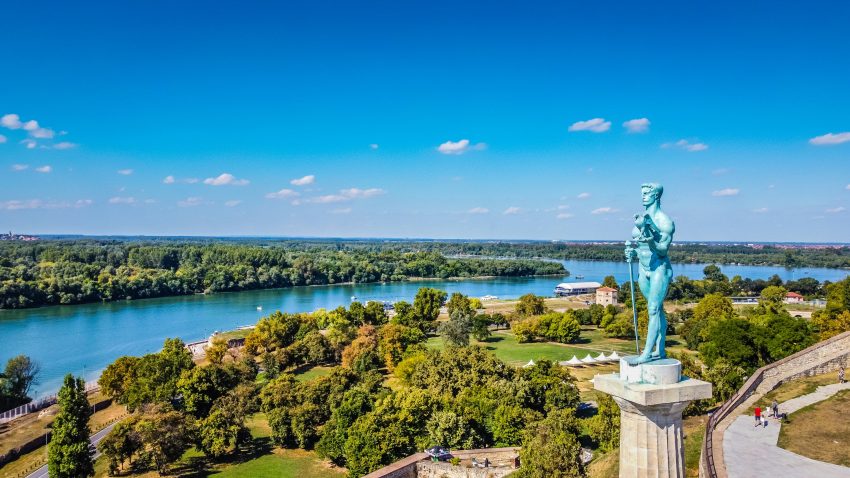
Novi Sad is a relaxed, walkable city on the Danube in northern Serbia's Vojvodina region, known for its café culture, riverfront promenades, and an easygoing pace that makes it ideal for a long weekend. The historic center is compact and lively, with pedestrian streets, pastel façades, and plenty of terraces for coffee, local wines, and hearty Vojvodina cuisine. It's also a great base for short trips to nearby viewpoints, vineyards, and nature just outside the city.
A visit usually revolves around the Danube and the city’s two “faces”: the elegant center on one side and the wide riverbanks and beaches on the other. You can spend mornings wandering the squares and galleries, afternoons on the riverside or at Štrand beach, and evenings in the old town’s bars or at a performance in one of the city’s cultural venues. The city feels youthful thanks to its universities, and it stays animated well into the night.
Novi Sad is especially rewarding if you like mixing sightseeing with downtime. Many highlights are within a short walk, bike ride, or quick taxi from the center, so you can see a lot without rushing. If you time your trip around major events, the atmosphere becomes even more electric-yet outside peak festival dates, it remains calm, friendly, and good value for travelers.
History of Novi Sad
Novi Sad in the Early Settlement and Habsburg Frontier Era (Pre-1700s)
The area around Novi Sad was shaped for centuries by shifting frontiers, trade routes, and river life along the Danube. Earlier communities existed in the wider vicinity, influenced by medieval states and later Ottoman-Habsburg contests that transformed the region’s demographics and economy. Over time, the Danube crossings and nearby fortifications encouraged the growth of a civilian settlement that would become the nucleus of the modern city.
Novi Sad and the Founding of a Town (1700s)
Novi Sad developed rapidly in the 18th century as a civilian settlement opposite a major fortress complex. Merchants, craftsmen, and newcomers from different backgrounds helped it expand into a significant urban center. A key milestone came in 1748 when the settlement was granted the status of a free royal city, accelerating municipal development, trade, and civic institutions.
Novi Sad as a Cultural and Commercial Hub (1800s)
During the 19th century, Novi Sad became a prominent cultural center for Serbs in the Habsburg lands, earning a reputation as a place of publishing, education, and civic life. The city’s bourgeois architecture, institutions, and cultural societies grew alongside commerce. Political upheavals in the mid-1800s brought conflict and destruction, followed by rebuilding that further shaped the city’s urban fabric.
Novi Sad in the Yugoslav Period and World War II (1900–1945)
In the early 20th century, Novi Sad experienced major political changes as empires dissolved and new states formed. The interwar years brought modernization, while World War II was marked by occupation, repression, and tragic loss of life. The period left deep scars and remains central to the city’s collective memory.
Novi Sad in Socialist Yugoslavia (1945–1990)
After 1945, Novi Sad expanded through industrialization, new housing districts, and infrastructure projects that reshaped daily life. Cultural institutions strengthened, education grew, and the city’s role as a regional center increased. Urban planning in this era created many of the broad boulevards and residential areas that define parts of the city today.
Novi Sad from the 1990s to Today
The 1990s brought economic hardship and political turbulence, along with damage to infrastructure during regional conflicts. In the decades since, Novi Sad has steadily revitalized its center, strengthened its cultural scene, and developed tourism around its riverfront, events, and creative industries. Today it balances historic charm with a modern, festival-driven identity and a growing international profile.

Moira & Andy
Hey! We're Moira & Andy. From hiking the Camino to trips around Europe in Bert our campervan — we've been traveling together since retirement in 2020!
Visiting Novi Sad for the first time and wondering what are the top places to see in the city? In this complete guide, I share the best things to do in Novi Sad on the first visit. To help you plan your trip, I have also included an interactive map and practical tips for visiting!
This website uses affiliate links which earn a small commission at no additional cost to you.
Best things to do and See in Novi Sad
1. Novi Sad: Petrovaradin Fortress
Petrovaradin Fortress is the city’s signature landmark and the best place to start for panoramic views over the Danube and the rooftops of the center. The complex is large, atmospheric, and easy to explore on foot, with tunnels, courtyards, and lookouts that reward slow wandering.
Beyond the views, the fortress area has galleries, small studios, and cafés that make it a great half-day outing. If you’re visiting in summer, it’s also famous as the main venue for EXIT Festival, when the entire site turns into a massive music and nightlife zone.
Entry cost and hours: General access to the fortress grounds is typically free and open at all times; individual museums/galleries inside may charge separate fees and keep their own hours.
2. Novi Sad: Old Town Center (Zmaj Jovina & Dunavska Streets)
The pedestrian core is where Novi Sad feels most charming—colorful façades, lively terraces, and a steady flow of locals. Zmaj Jovina and Dunavska are the classic strolling streets, ideal for coffee breaks, people-watching, and browsing small shops.
Spend time drifting between the main squares and side streets, then pause for a long lunch featuring Vojvodina specialties. The area is especially pleasant in the late afternoon when the light softens and the cafés fill up.
Entry cost and hours: Free; accessible any time. Individual shops and venues generally operate daytime to evening hours.
3. Novi Sad: Danube Park (Dunavski Park)
Danube Park is a calm green pocket near the center, perfect for a breather between sightseeing stops. It’s a favorite local spot for a short walk, with shaded paths and a relaxed pace that contrasts nicely with the busier pedestrian streets.
It also works well as a “connector” stop: you can pair it with nearby cultural sights and then continue toward the riverfront. In warmer months, it’s a pleasant place to sit with a takeaway coffee and reset.
Entry cost and hours: Free; generally open access throughout the day.
4. Novi Sad: The Danube Quay (Kej) Promenade
The Danube Quay is one of the best places to experience the city’s everyday rhythm—walkers, runners, cyclists, and families out for an evening stroll. The views across the water toward the fortress are especially striking around sunset.
Plan for a slow walk with stops at riverside bars or cafés, then continue toward Štrand if you want more of a beach atmosphere. It’s also a great area for photos without needing a formal “sightseeing” schedule.
Entry cost and hours: Free; accessible any time.
5. Novi Sad: Štrand Beach
Štrand is the city’s classic summer hangout on the Danube, with a sandy/pebbly riverside, swimming areas, and plenty of space to lounge. It’s a social spot—expect volleyball, sunbathing, and a steady flow of snacks and drinks.
Even if you’re not visiting in peak heat, it’s worth seeing for the river vibe and the long promenade feel. In summer, go earlier in the day for a calmer atmosphere or later for a more social scene.
Entry cost and hours: Typically ticketed in the summer season; prices vary by period and discounts may apply for students/children. Usual access is daytime into evening during the season; outside peak season it may be free or limited—check locally on arrival.
6. Novi Sad: Museum of Vojvodina
The Museum of Vojvodina is a strong choice if you want context on the region’s cultures, everyday life, and material heritage. Exhibits commonly include archaeology, ethnography, and historical artifacts that help explain why the area feels so diverse.
It’s a good rainy-day option and pairs well with a relaxed café stop afterward in the center. Allow a couple of hours if you like reading exhibit labels and moving at an unhurried pace.
Entry cost and hours: Ticketed; opening times vary by day/season—confirm at the museum on the day of your visit.
7. Novi Sad: Serbian National Theatre
For an evening plan, the Serbian National Theatre is a cultural anchor with performances that can include drama, opera, and ballet. Even if you don’t attend a show, the building and the surrounding central area are worth seeing as part of a night walk.
If you do go, it’s a great way to balance the trip with something distinctly local and not just “sights.” Check the program in advance and consider booking tickets ahead on popular dates.
Entry cost and hours: Ticket prices depend on the performance and seating; the box office and showtimes follow the performance schedule—confirm when planning.
8. Novi Sad: Name of Mary Church (Cathedral) and Liberty Square
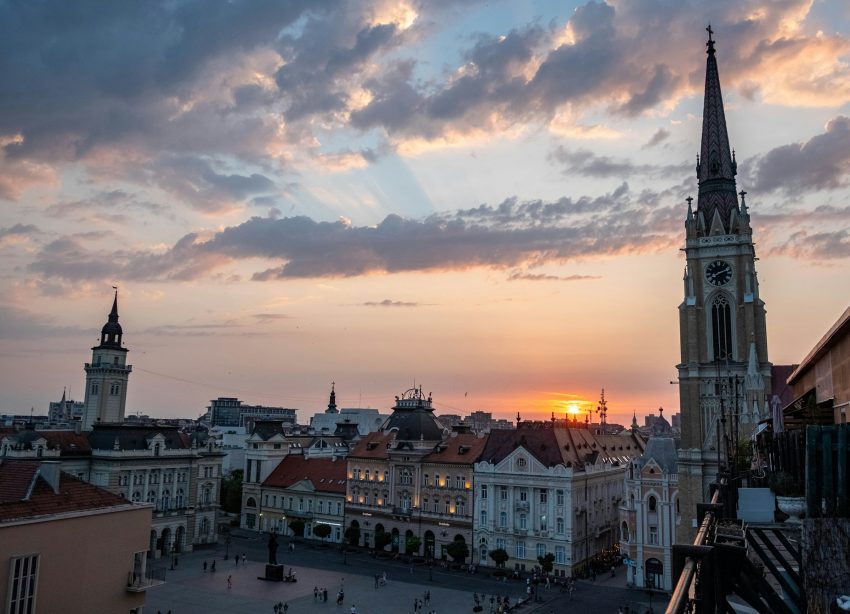
Liberty Square is the city’s main stage, framed by landmark buildings and a steady flow of street life. The Name of Mary Church stands out with its tall spire and makes a natural focal point for photos and orientation.
Visit during the day to appreciate the architecture, then return in the evening when the square feels more atmospheric. It’s also a convenient meeting point before heading to dinner in the nearby pedestrian streets.
Entry cost and hours: The square is free and always accessible; church visiting hours can vary depending on services—be respectful and check posted times.
9. Novi Sad: Matica Srpska Gallery
The Matica Srpska Gallery is a key art stop, especially if you’re interested in Serbian painting and cultural history through visual works. The collection offers a more contemplative counterbalance to the fortress-and-river itinerary.
It’s compact enough to fit into a busy day, yet substantial enough to reward art lovers with a slower visit. Pair it with a walk through the center afterward for an easy, well-rounded afternoon.
Entry cost and hours: Ticketed; opening times vary—confirm on the day of your visit.
10. Novi Sad: Fruška Gora Day Trip (Viewpoints, Monasteries, Nature)
Within a short distance of Novi Sad, Fruška Gora offers a refreshing change of pace with forested trails, viewpoints, and a landscape associated with monasteries and wine culture. It’s ideal if you want nature without committing to a long journey.
You can go by car or taxi for a flexible route, or combine public transport with short hikes depending on your plan. Bring comfortable shoes, water, and a light layer—weather can feel cooler under the trees and on higher ground.
Entry cost and hours: Outdoor areas are generally free and accessible during daylight; individual monasteries or attractions may have their own visiting hours and donation customs.