Self-Guided Walking Tour of Zagreb (+Maps!)
This website uses affiliate links which earn a small commission at no additional cost to you.
Zagreb is a city that rewards slow travel: one minute you're standing in a grand square watching trams glide past, and the next you're ducking into a cobbled lane that feels like a small village. This self-guided walking tour is designed to stitch those contrasts together, taking you from the big-name landmarks to the lived-in streets where locals meet for coffee and a quick market run.
Along the way you'll cover the best things to see in Zagreb without rushing, with a route that naturally breaks into a few satisfying “chapters” as you climb up to the Upper Town and wander back down into the city's main shopping streets. Expect viewpoints, historic gateways, and the kind of details you only notice when you're walking-carved stone, odd little museums, and corners that look different in every light.
Because it’s self-guided, you can shape the day around what you like most. If you want to linger at Dolac Market, take longer; if museums are your thing, build in extra time; and if you’re mostly here for the atmosphere, just follow the map and let the cafés do the rest.
Table of Contents
- How to get to Zagreb
- A Short History of Zagreb
- Zagreb’s Medieval Roots and the Upper Town Story
- Zagreb Under Habsburg Influence and the Making of a Capital City
- Zagreb’s Religious Landmarks, Earthquakes, and Endurance
- Zagreb in the 19th and Early 20th Century: Culture, Streets, and Social Life
- Zagreb After WWII to Today: Memory, Identity, and a City You Can Still Walk
- Where to Stay in Zagreb
- Your Self-Guided Walking Tour of Zagreb
How to get to Zagreb
By Air: Most visitors arrive via Zagreb Airport (Franjo Tuđman Airport), with regular connections to major European hubs and seasonal routes that increase in peak travel months. From the terminal you can reach the centre quickly by airport bus/shuttle and taxi or rideshare, and it's generally straightforward even with luggage. If you're aiming to start your walking tour soon after arrival, plan for a short transfer and check-in, then begin around Ban Jelačić Square so you're immediately in the middle of things. For the best deals and a seamless booking experience, check out these flights to Zagreb on Booking.com.
By Train: Zagreb's main station, Glavni kolodvor, is well placed for arriving straight into the heart of the city, especially if you're coming from elsewhere in Croatia or nearby capitals and regional cities. The approach into town is part of the experience, and once you step out you're already close to the Lower Town's boulevards and parks, with easy tram links if you want to save your steps for the tour itself. It's a convenient option if you prefer to travel in a way that drops you into the centre rather than the outskirts. Train schedules and bookings can be found on Omio.
By Car: Driving to Zagreb is manageable, but the historic core is not where you'll want to spend time hunting for parking. If you're arriving by car, it's usually best to choose accommodation with parking or aim for a garage on the edge of the centre, then do the walking tour on foot and by funicular as needed. Zagreb's central streets are busy, and once you're parked you'll enjoy the city far more without worrying about one-way systems and tram lanes.
By Bus: Coaches are common for cross-border and domestic routes, and the main bus station connects easily to the centre by tram or taxi. It’s a practical choice if you’re hopping between cities and want frequent departures, and it often delivers good value compared with last-minute flights.
How to get around the city: For this itinerary you'll mostly walk, with one smart assist-Zagreb Funicular-when you want to save your legs on the steepest part of the climb. Trams are excellent for short hops if you want to reposition (for example, returning to your hotel after the tour), but the core sights are close enough that walking is the best way to catch the details, detours, and café culture that define the city.
A Short History of Zagreb
Zagreb’s Medieval Roots and the Upper Town Story
Zagreb's identity was shaped early by the rise of a fortified hilltop community, which still explains why places like Kamenita Vrata feel more like a protective threshold than a simple archway. In the medieval mindset, gateways mattered: they controlled access, signalled authority, and offered safety during uncertain periods. That's why walking through Kamenita Vrata today still carries a sense of passing into an older Zagreb, where the Upper Town's streets were built for defence, not traffic.
The medieval and early civic era also left a legacy of compact squares and churches that anchored everyday life. Saint Mark's Church and Square became a symbolic centre of power and public identity, and the Upper Town's layout reflects a time when politics, religion, and community were physically intertwined. When you stand here now, you're seeing how the city's early institutions concentrated influence into a small, walkable core-one that still defines the “old Zagreb” experience.
Zagreb Under Habsburg Influence and the Making of a Capital City
As Zagreb developed under Habsburg rule, the city grew more structured and outward-looking, with a clear push toward the kind of civic order you can still feel in its formal spaces and ceremonial routes. Ban Jelačić Square embodies that shift: it's not just a meeting point, but a statement of urban confidence, designed to be the place where the city's public life happens-markets, announcements, celebrations, and protest alike. Over time it became the stage where Zagreb's identity was displayed and negotiated.
This period also encouraged commercial energy and street life, which is part of why Ilica Street matters historically. It's long been a key artery for trade and daily movement, evolving from practical thoroughfare to the city's main shopping spine. When you walk Ilica now, you're tracing the line where Zagreb modernised-where wealth, retail, and transport reshaped how people used the city.
Zagreb’s Religious Landmarks, Earthquakes, and Endurance
Zagreb Cathedral is a powerful lens on the city's resilience because its story is inseparable from damage, repair, and reinvention. Major rebuilding campaigns over the centuries-often after destructive events-left the cathedral with a layered, “rebuilt” character that mirrors Zagreb's wider pattern: disruption followed by determined restoration. Seeing it up close is a reminder that the city's most famous skyline isn't just heritage-it's evidence of survival and renewal.
Dolac Market, just a short walk away, shows the other side of that endurance: everyday continuity. While grand buildings record political eras, markets record ordinary life, and Dolac has long anchored the daily rhythm of the centre. It’s the kind of place that persists through change because people keep needing it-fresh food, conversation, routine-making it one of the best places to feel the city’s living history rather than only its monumental past.
Zagreb in the 19th and Early 20th Century: Culture, Streets, and Social Life
As Zagreb expanded and modernised, street culture became part of its identity, and that's where places like Tkalčićeva Street fit into the story. Once tied to practical, working-city functions, the area gradually transformed into a social corridor-proof that cities don't just grow; they repurpose themselves. Today's cafés and evening buzz are the modern layer on streets that have seen very different versions of urban life.
Lotrščak Tower also took on new meaning as the city’s civic rituals developed. Historically tied to defence and timekeeping, it remains a symbol of Zagreb’s Upper Town authority and continuity, connecting the medieval skyline to a later civic pride that embraced public customs and shared routines. It’s one of those landmarks that helps you understand how old structures survived by becoming part of the city’s cultural habits, not just its history books.
Zagreb After WWII to Today: Memory, Identity, and a City You Can Still Walk
In more recent history, Zagreb's story includes shifting political realities and the constant renegotiation of identity in public spaces. Ban Jelačić Square again becomes important here because modern Zagreb has repeatedly used it as a focal point for gathering, expression, and change. Cities leave their marks not only in stone, but in the way people claim and use their central squares, and Zagreb is a clear example.
Modern Zagreb also embraced a newer kind of landmark: cultural spaces built around personal stories and contemporary ideas. The Museum of Broken Relationships represents that shift-less about grand national narratives, more about human-scale memory and shared emotion. Pair that with the Zagreb Funicular, which keeps the Upper Town connected to daily life, and you see a city that preserves its historic layers while staying practical, walkable, and present-tense.
Where to Stay in Zagreb
To make the most of visiting Zagreb and this walking tour then you consider stay overnight at the centre. If you base yourself around Ban Jelačić Square and the nearby streets, you can start early at Dolac Market, pop back to your hotel between Upper Town and Lower Town sections, and finish the day with an easy evening stroll without relying on transport. Good central options include Hotel Dubrovnik, The Westin Zagreb, and Canopy by Hilton Zagreb City Centre.
For a more atmospheric base close to the Upper Town, look around the quieter lanes near Kamenita Vrata and Saint Mark’s Church and Square, where mornings feel calm and you can reach viewpoints like Lotrščak Tower quickly. Staying here makes the historic portion of the walk feel like it begins the moment you step outside. Consider Hotel Jägerhorn and Hotel Academia.
If you prefer a slightly calmer sleep with quick access to trams and the main station area, the Lower Town around Glavni kolodvor and the parks can be a solid compromise: you’ll still reach the walking route easily via a short tram ride or an enjoyable stroll down Ilica Street, and you’ll have wide boulevards and classic city architecture on your doorstep. Options worth checking include Esplanade Zagreb Hotel and Sheraton Zagreb Hotel.
Your Self-Guided Walking Tour of Zagreb
Discover Zagreb on foot with our walking tour map guiding you between each stop as you explore its lively squares, hilltop streets, and café-lined lanes. You'll move naturally from the city's everyday heart at Ban Jelačić Square to the local colour of Dolac Market, then climb toward the Upper Town where gateways like Kamenita Vrata and landmarks such as Saint Mark's Church and Square reveal Zagreb's oldest layers.
As you continue, the route strings together Zagreb's signature mix of history and modern culture. From the solemn presence of Zagreb Cathedral to the playful, contemporary storytelling of the Museum of Broken Relationships, you'll see how the city balances tradition with new ideas. Viewpoints around Lotrščak Tower give you a satisfying “big picture” moment, while streets like Tkalčićeva Street deliver the atmosphere that makes the walk feel relaxed rather than box-ticking.
As this is a self guided walking tour, you are free to skip places, and take coffee stops when ever you want! Use the Zagreb Funicular if you feel like saving energy, linger on Ilica Street if shopping is part of your day, and treat the route as a framework rather than a schedule-the best Zagreb memories usually happen in the pauses between the landmarks.
1. Ban Jelačić Square
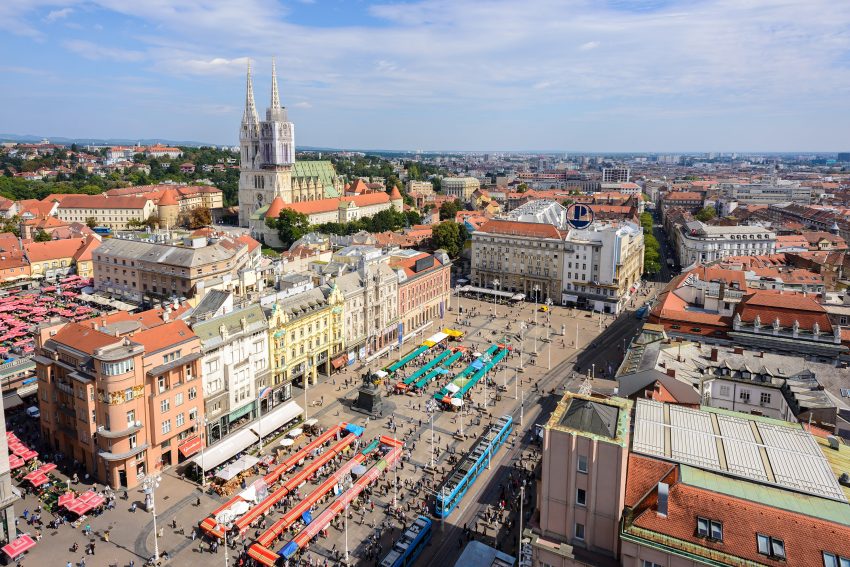
Ban Jelačić Square has been Zagreb’s central meeting point since the 17th century, evolving from a trading space into the city’s main civic stage. It took its modern name from Ban Josip Jelačić, a 19th-century Croatian leader whose monument has anchored the square since the Austro-Hungarian era, with later removals and restorations reflecting shifting politics. The square’s role as a “front room” for public life has only grown as Zagreb expanded around it.
Architecturally, the square is a snapshot of Zagreb’s late-19th and early-20th-century prosperity, with grand façades, arcades, and landmark corners that mark historic commercial development. It also functions as a transport hinge, linking the Lower Town’s straight boulevards with the older hilltop Upper Town. Because so many streets converge here, it’s one of the best places to get a feel for how the city is laid out.
When you visit, the key sight is the central statue and the open vista down the main axes of the city, which makes for classic Zagreb photos. Take time to look up at the surrounding buildings—details like ornamental balconies and decorative cornices are easy to miss at street level. If you want a simple “Zagreb moment,” linger for a few minutes and watch the rhythm of commuters, students, and street life pass through.
Location: Trg bana Josipa Jelačića, 10000, Zagreb, Croatia | Hours: 24 Hours. | Price: Free.
2. Dolac Market
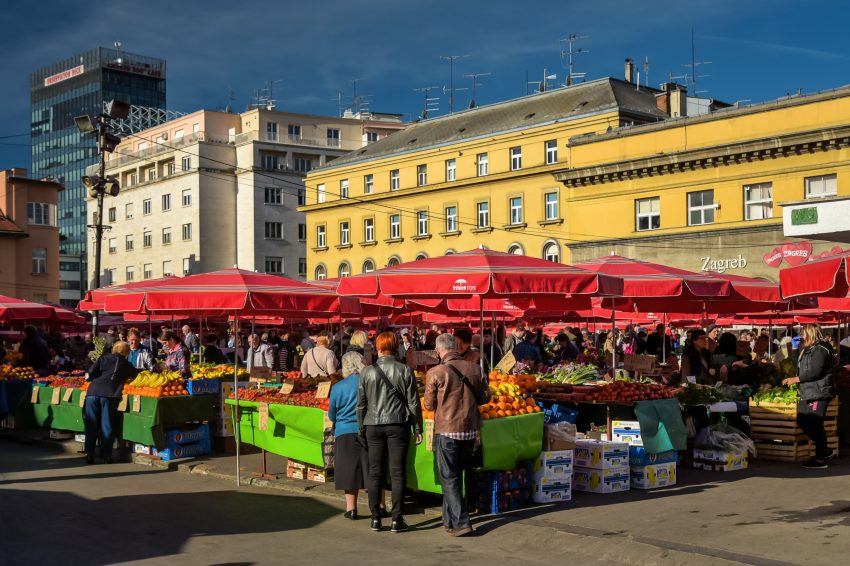
Dolac Market has long been Zagreb’s most important everyday marketplace, formalizing the city’s tradition of open-air trade in the early 20th century as the capital modernized. It became the place where rural producers and city buyers met, reinforcing Zagreb’s role as a regional hub for food supply and commerce. Over time, it has remained a living institution rather than a museum piece—still used by locals for daily shopping.
The market’s location just behind the main square is significant: historically, trade clustered near the city’s core, and Dolac continues that pattern. The complex combines outdoor stalls with covered sections, reflecting practical urban planning for a four-season city. The recognizable arcaded structure and stepped approach give it a distinct sense of place and make it easy to identify even if you’re new to Zagreb.
What to see is the market in motion: the outdoor produce stalls and the indoor sections where you’ll typically find more sheltered vendors. Even if you’re not buying, it’s worth walking through for the atmosphere and the chance to see what’s in season locally. If you do purchase anything, small edible souvenirs like fresh fruit or market-bought snacks are an easy way to experience Zagreb’s food culture without committing to a full meal.
Location: Dolac, 10000, Zagreb, Croatia | Hours: Monday – Saturday: 07:00–15:00. Sunday: 07:00–13:00. | Price: Free. | Website
3. Zagreb Cathedral
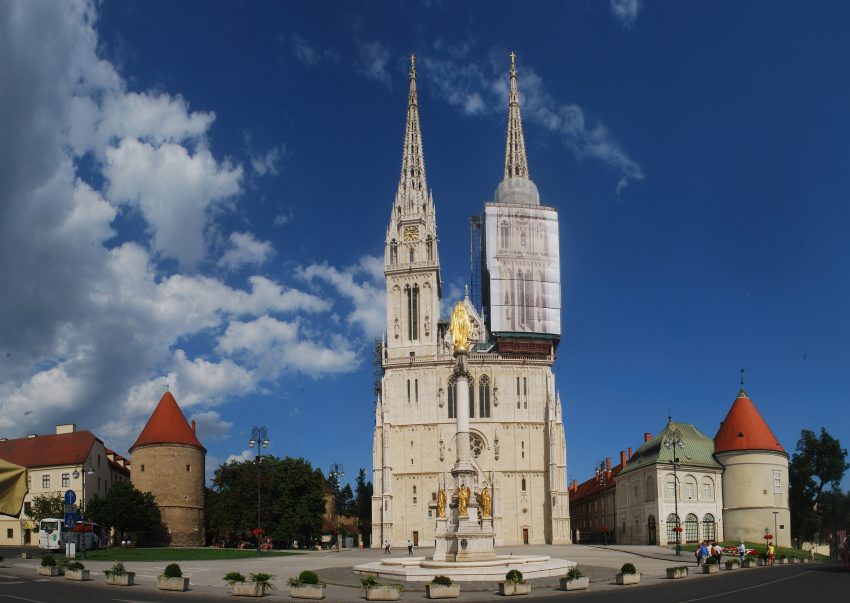
Zagreb Cathedral is the city’s most prominent church and a symbol of the historic Kaptol district, tied to Zagreb’s medieval ecclesiastical power. While the site’s religious importance goes back centuries, the cathedral’s present look is largely shaped by major rebuilding in the Gothic Revival style, particularly after the devastating 1880 earthquake that transformed much of the city. Its twin spires became a defining feature of Zagreb’s skyline as restoration and redesign brought new grandeur.
The cathedral’s story is tightly linked to the city’s identity: Kaptol developed as a church-centered settlement, distinct from the civic settlement on the neighboring hill, and the cathedral sat at the heart of that ecclesiastical world. Successive repairs and restorations have been part of its ongoing history, demonstrating how Zagreb has repeatedly rebuilt after disasters and political change. The building also reflects broader Central European architectural currents, adapted into a Croatian context.
Inside and around the cathedral, the main draw is the scale and verticality typical of Gothic-inspired interiors, along with chapels and memorial elements that connect to Croatian religious life. Outside, look at the sculptural details and the setting within the historic quarter, where the cathedral dominates surrounding streets. It’s also worth stepping back to view it from a short distance so you can take in the full height and symmetry of the façade.
Location: Kaptol 31, 10000, Zagreb, Croatia | Hours: Daily: 08:00–19:00. | Price: Free; donations appreciated. | Website

4. Tkalčićeva Street
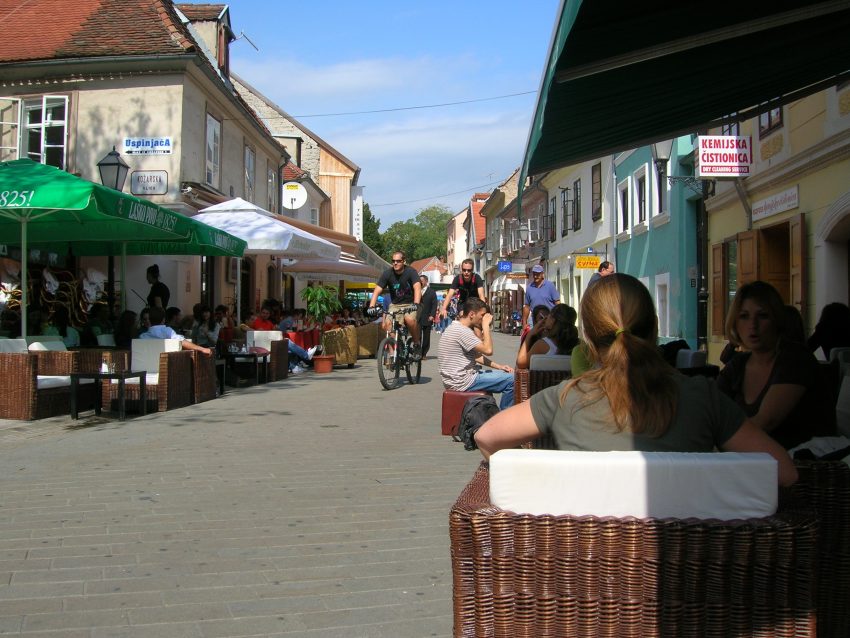
Tkalčićeva Street runs through a corridor that historically marked the boundary between Zagreb’s twin medieval settlements, with a stream once dividing the two communities. Over time, that waterway was covered and the area shifted from a practical edge zone into one of the city’s liveliest urban streets. Its transformation is a small but telling example of how Zagreb turned medieval geography into modern city space.
The street’s development reflects Zagreb’s gradual unification and the expansion of everyday life beyond fortified hilltops. As the city modernized, spaces that once served as boundaries and working zones became social corridors lined with businesses. The mix of older building footprints and newer renovations gives the street a layered feel, even when the mood is contemporary.
What to see here is the streetscape itself: a narrow, energetic stretch where the rhythm of façades, shopfronts, and terraces creates a strong sense of Zagreb’s urban character. Look for traces of older architecture embedded among later adaptations, especially around corners and side passages. It’s a good place to absorb the city’s atmosphere, with plenty of chances to pause and take in the flow of local life.
Location: Ul. Ivana Tkalčića, 10000, Zagreb, Croatia | Hours: 24 Hours. | Price: Free.
5. Kamenita Vrata
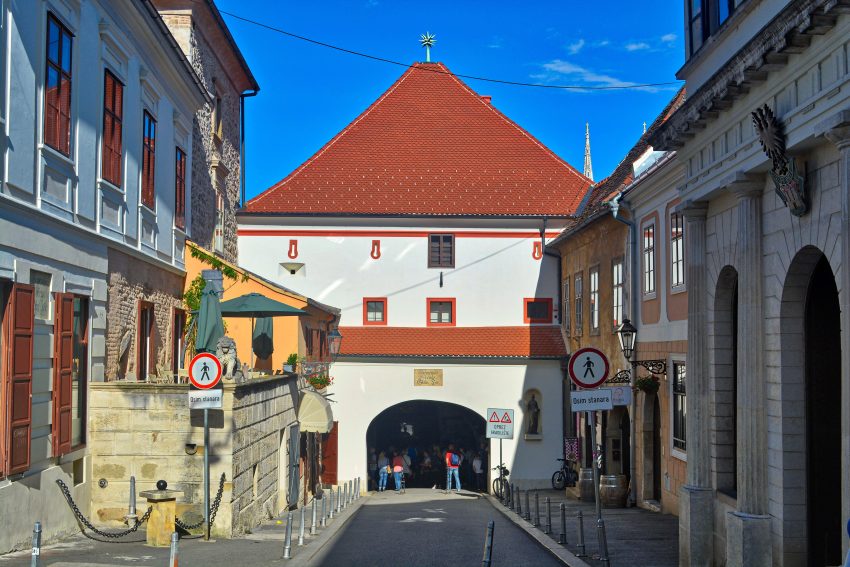
Kamenita Vrata, or the Stone Gate, is one of the few surviving gateways of Zagreb’s medieval fortifications and a powerful symbol of the Upper Town’s history. The gate gained special significance after a major fire in the 18th century, when a revered image of the Virgin Mary was said to have survived, turning the passage into a place of devotion. Since then, it has functioned both as a historic structure and as an active shrine.
Its endurance matters because much of Zagreb’s early defensive system has disappeared as the city expanded and walls became obsolete. Kamenita Vrata remains as a tangible marker of the era when entry points were controlled and the Upper Town was a fortified community. The blending of civic history and religious tradition here is typical of Central European old towns, where political and spiritual life often shared the same spaces.
When you visit, you’ll see the stone passage itself and the small shrine area within, often with candles and quiet visitors. Pay attention to the masonry and the sense of transition as you move through the gateway—it still reads as a threshold between different parts of the city. Nearby streets in the Upper Town make it easy to combine the gate with other historic sights without needing to plan much.
Location: Kamenita ul. 1, 10000, Zagreb, Croatia | Hours: 24 Hours. | Price: Free. | Website
6. Saint Mark's Church and Square
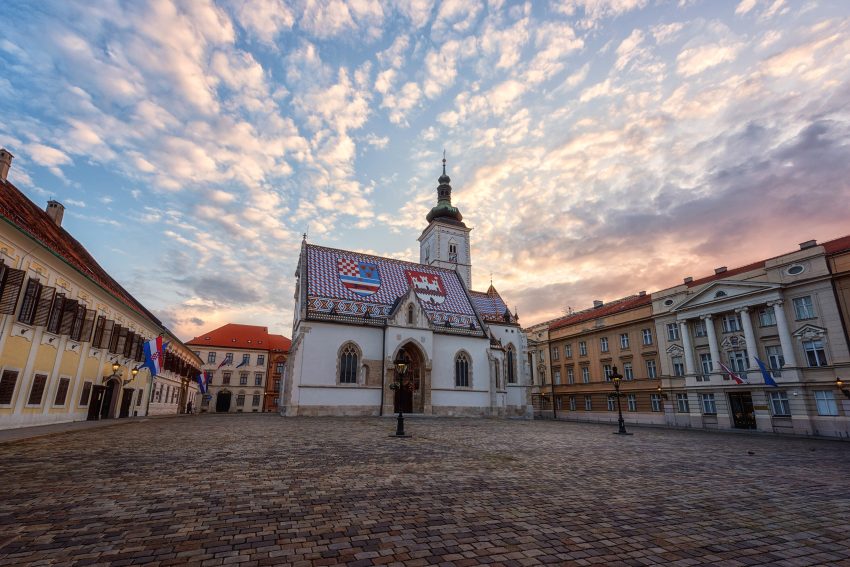
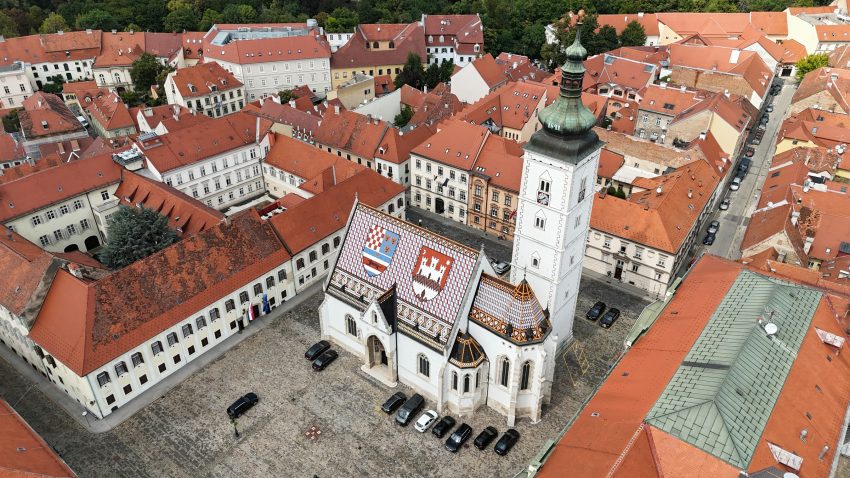
Saint Mark’s Church is one of Zagreb’s most recognizable historic buildings, rooted in the medieval Upper Town and closely connected to the city’s civic evolution. The church has been rebuilt and modified over centuries, and its current appearance reflects both medieval foundations and later restorations that shaped its identity. It stands in a square that became the political heart of historic Zagreb.
The surrounding square is significant because it concentrates institutions tied to governance and public life, reinforcing the Upper Town’s role as the city’s historic power center. Over time, the area shifted from a fortified community space into a symbolic civic stage. The church’s presence anchors that continuity, linking the medieval town to the modern capital.
The key things to see are the church exterior and the square’s setting, which together create one of Zagreb’s classic views. Spend a moment to take in the composition: the church, the open space, and the surrounding official buildings that frame the scene. Even without going inside, the site works well as a “history in one glance” stop that captures Upper Town character.
Location: Trg Sv. Marka 5, 10000, Zagreb, Croatia | Hours: Monday – Friday: 18:00–19:00. Saturday: 07:30–08:30. Sunday: 10:30–11:30 & 18:00–19:00. | Price: Free; donations appreciated. | Website
7. Museum of Broken Relationships
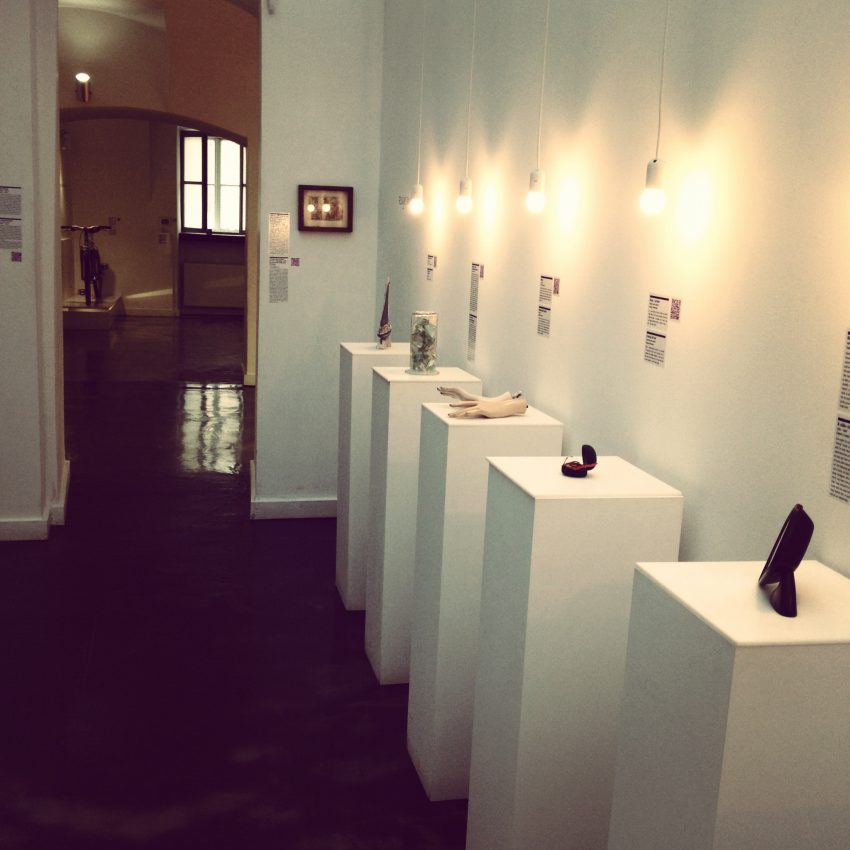
The Museum of Broken Relationships is a modern Zagreb institution that emerged from a contemporary cultural idea rather than a traditional collecting mission. It grew from the concept of preserving personal objects and stories from ended relationships, turning private experience into a public exhibition format. Its rise reflects Zagreb’s strong modern arts and museum scene, especially in the post-20th-century cultural landscape.
What makes it historically interesting is how it represents a shift in what museums can be: not only guardians of national heritage or fine art, but curators of everyday human narratives. It also fits Zagreb’s broader reputation for inventive, accessible cultural spaces that appeal to both locals and visitors. The museum’s success helped cement it as one of the city’s best-known contemporary attractions.
When you visit, what to see is the object-driven storytelling: donated items displayed with short accounts that explain their emotional context. The experience tends to be intimate and varied, moving from humorous to quietly heavy depending on the story. Give yourself time to read—this is a museum where the text is as central as the objects.
Location: Ćirilometodska ul. 2, 10000, Zagreb, Croatia | Hours: (Summer) June 1 – September 30; Daily: 09:00–22:00. Last entry: 21:30. (Winter) October 1 – May 31; Daily: 09:00–21:00. Last entry: 20:30. Closed on Christmas Eve, Christmas, New Year’s Day, Easter & All Saints’ Day. New Year’s Eve: 10:00–18:00. | Price: Adults: €9; Pupils, students (full-time with ID), people with disabilities, seniors (65+): €7; Groups (15+): €7 per person. | Website
8. Lotrščak Tower
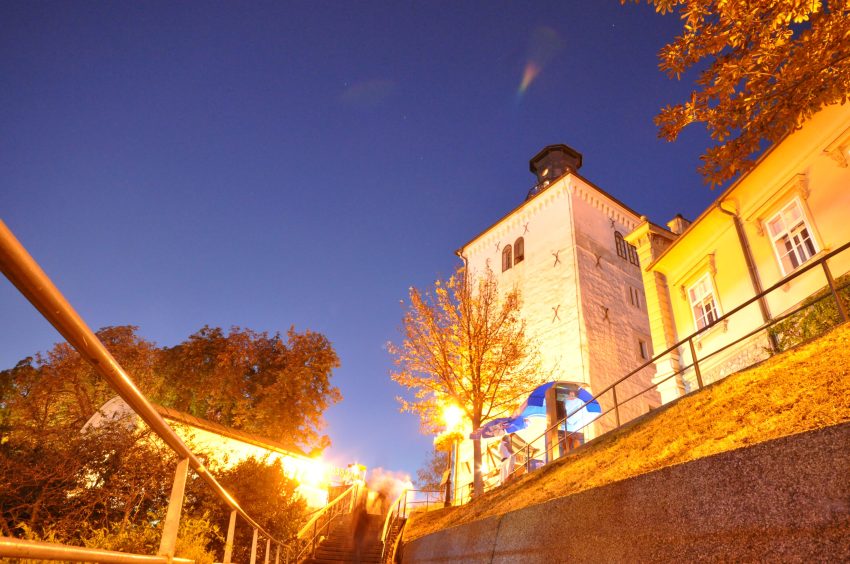
Lotrščak Tower is a medieval defensive structure from the Upper Town’s fortification system, built to protect one of the city’s key approaches. Its role was practical: watch, warning, and control, at a time when Zagreb’s hilltop settlement needed protection. Over centuries, the tower remained a defining landmark even as the city’s military needs faded.
The tower’s endurance reflects how Zagreb’s Upper Town preserved parts of its defensive identity while modern life expanded into the Lower Town. Historic towers often became symbolic rather than strategic, serving as recognizable points on the skyline and as reminders of earlier urban forms. Lotrščak fits that pattern, sitting at the edge of the Upper Town where the sense of elevation and outlook is part of its meaning.
What to see is the tower itself and the immediate surroundings, where you can feel the geometry of the old fortified town. The location is also valued for viewpoints across central Zagreb, since the Upper Town ridge gives a natural vantage. Even if you don’t spend long, it’s a high-impact historic stop that quickly communicates “this is the old city.”
Location: Strossmayerovo šetalište 9, 10000, Zagreb, Croatia | Hours: Tuesday – Friday: 09:00–19:00. Saturday – Sunday: 11:00–19:00. Closed on Monday. | Price: Adults: €3; Children (7–18): €2. | Website
9. Zagreb Funicular
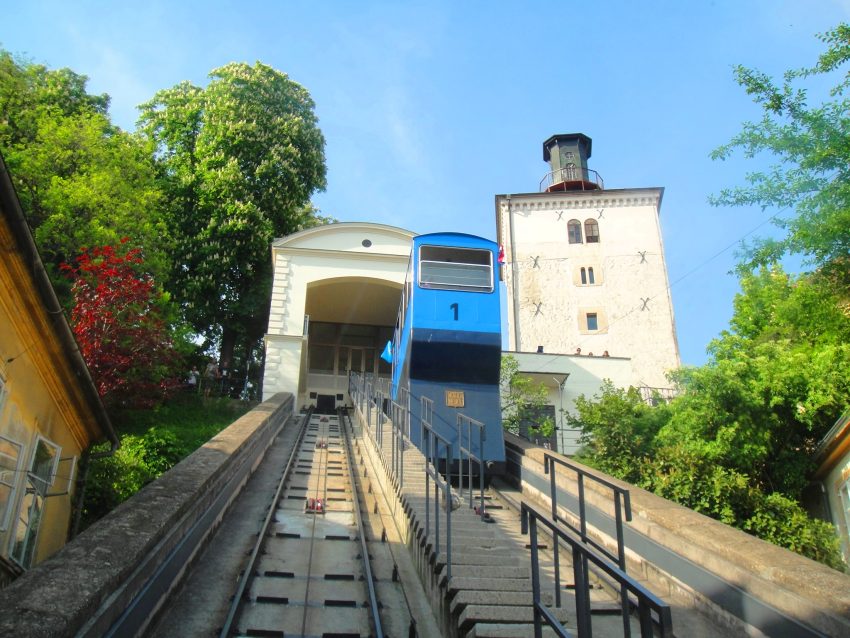
The Zagreb Funicular is one of the city’s most distinctive pieces of urban infrastructure, created to link the Lower Town with the Upper Town efficiently on a steep slope. Built in the late 19th century, it reflects the period when Zagreb was modernizing public services and improving access between different levels of the city. It’s a practical solution that became a cultural symbol over time.
Historically, this connection mattered because Zagreb’s daily life increasingly depended on movement between the commercial, planned Lower Town and the older civic core above. The funicular is part of the broader story of European cities adopting new technologies to solve urban topography. Its continued operation also shows how a small transport system can become part of a city’s identity.
When you visit, what to see is the compact route and the way it frames the transition between two very different urban environments. Pay attention to how quickly the character of the streets changes from below to above, which is part of the funicular’s charm. It’s also worth noting the station areas, which act as natural gateways into Upper Town sights.
Location: Uspinjača, 10000, Zagreb, Croatia | Hours: Daily: 06:30–22:00. | Price: Check official website. | Website
10. Ilica Street
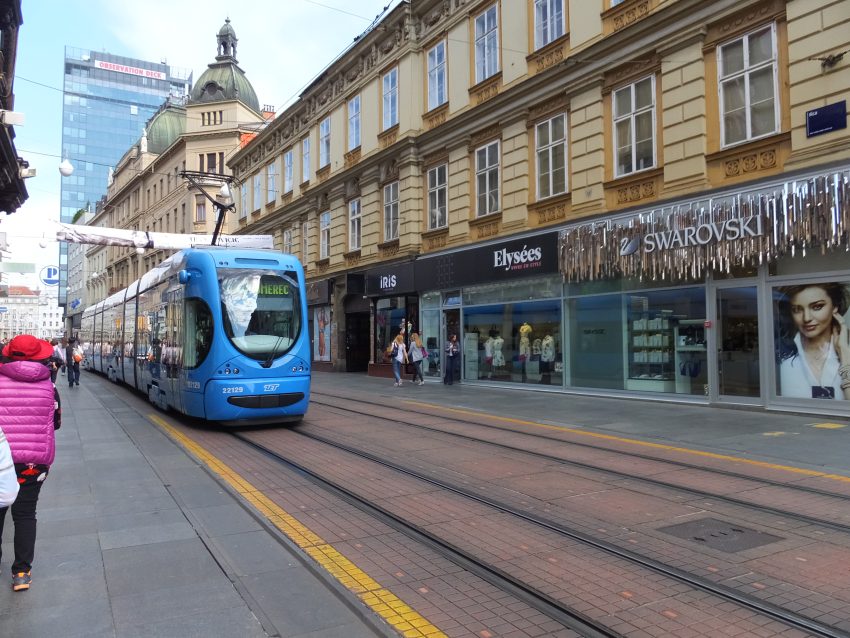
Ilica Street is one of Zagreb’s main thoroughfares, long associated with commerce and the city’s westward expansion from the historic core. As Zagreb grew in the 19th and early 20th centuries, streets like Ilica became essential corridors for shops, workshops, and everyday urban services. Its length and centrality make it a useful lens for understanding how the city’s modern layout developed.
The street reflects Zagreb’s layered urban history: older building lines, later renovations, and continuous retail activity that has adapted to changing economic life. In many Central European cities, major streets like this carry the story of modernization—public transit, changing storefront culture, and the shift from local craft to broader retail patterns. Ilica plays that role for Zagreb, connecting central districts and feeding into important squares and side streets.
What to see is the streetscape: façades, shopfronts, and the steady flow of city life that makes it feel like a working artery rather than a set-piece attraction. Look for architectural details above eye level, where older decorative elements often survive even when ground floors have changed. It’s also a good street for getting your bearings, since it naturally leads you through core neighborhoods and into the fabric of everyday Zagreb.
Location: Ilica, Zagreb, Croatia | Hours: 24 Hours. | Price: Free.

Moira & Andy
Hey! We're Moira & Andy. From hiking the Camino to trips around Europe in Bert our campervan — we've been traveling together since retirement in 2020!
This website uses affiliate links which earn a small commission at no additional cost to you.
Walking Tour Summary
Distance: 2.5 km
Sites: 10