Complete Guide to Styria (2026)
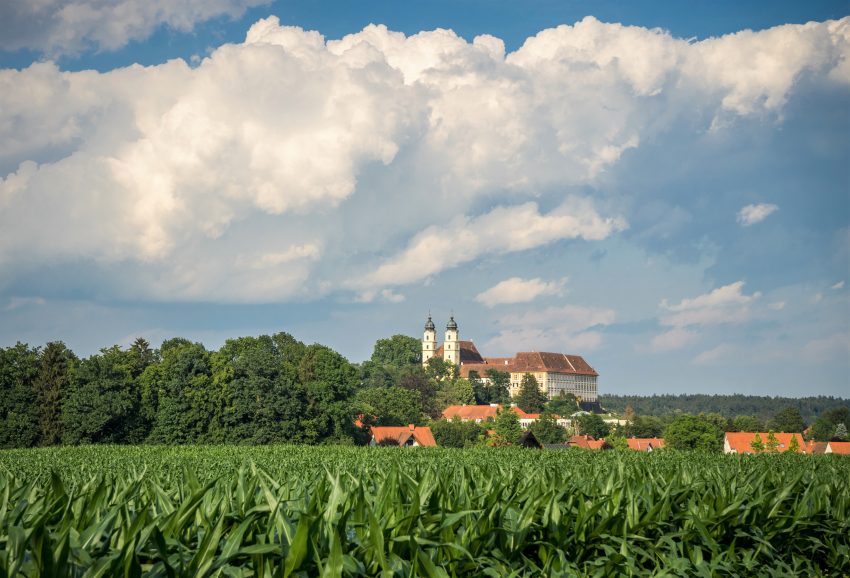
Styria is one of Austria’s most varied regions, a place where high Alpine scenery gives way to vineyards, orchard country, spa towns, and elegant historic cities. For many visitors, the appeal lies in that contrast. You can spend one day exploring Graz’s urban culture and the next driving through wine roads, hiking in mountain valleys, or relaxing in thermal baths. The region is large enough to feel diverse, but compact enough to combine several different experiences in one trip.
What makes Styria especially rewarding is the way nature, food, and local culture are woven together. Northern Styria is known for dramatic mountain landscapes, skiing areas, lakes, and outdoor activities, while southern and eastern Styria are famous for vineyards, pumpkin seed oil, apple-growing districts, and slower scenic travel. Graz, the capital, adds another layer with its UNESCO-listed old town, major cultural institutions, and reputation as Austria's “capital of culinary delights.”
For travellers, Styria works well whether you want an active holiday, a food-focused break, or a broader regional journey through Austria. It suits road trips particularly well, but it is also one of the easier Austrian regions to explore by rail, especially around Graz and the main valleys. The overall feel is less formal than some of Austria's better-known tourist regions, and that gives Styria much of its charm: it feels lived-in, regional, and deeply connected to its landscapes and traditions.

Cities of Styria
Graz
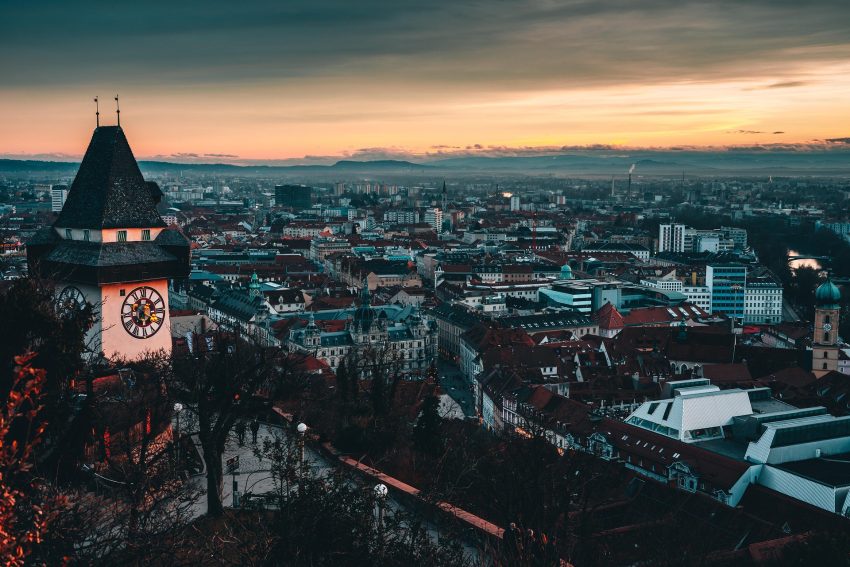
Graz is a lively, walkable city in southeastern Austria, set in the heart of Styria and surrounded by gentle hills, vineyards, and forested viewpoints. It’s a place where everyday local life-cafés, markets, student energy-mixes naturally with striking architecture and a strong food-and-wine culture. The city feels compact and easy to navigate, yet it offers enough variety to fill anything from a weekend break to a longer, slower stay.
A visit to Graz is especially rewarding if you like cities with distinct neighborhoods: a historic core for strolling and people-watching, a riverfront for modern design and evening walks, and hilltop lookouts that make the skyline feel close and dramatic. The culinary scene is a highlight, with Styrian specialties, seasonal produce, and excellent wine bars that make dining feel like part of the sightseeing.
Graz also works well as a base for short trips into the Styrian countryside, whether you’re after scenic drives, vineyard visits, or easy hikes. Even if you keep your plans simple-morning market, afternoon museum, sunset viewpoint-you’ll get a strong sense of the city’s character: relaxed, creative, and quietly confident.
View our Graz Guide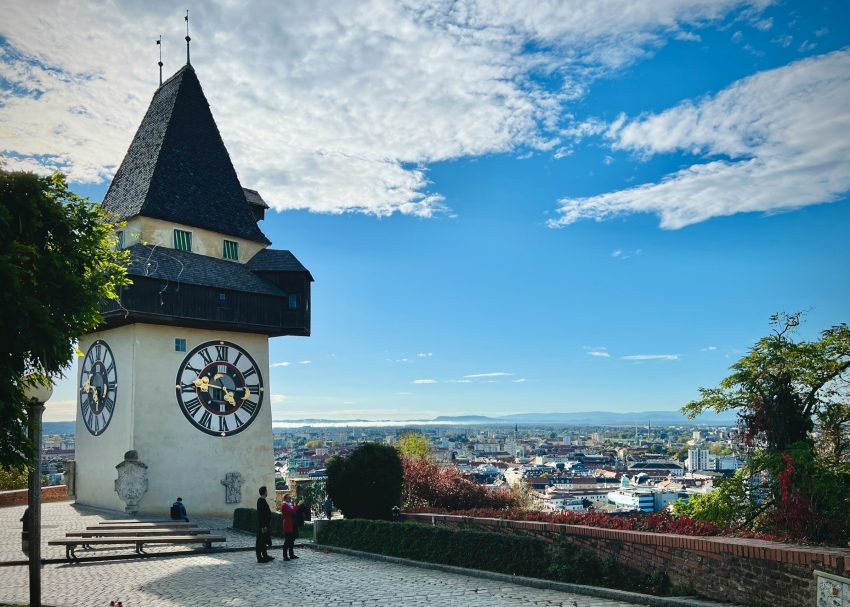
History of Styria
The history of Styria begins long before it became a modern Austrian federal state. In antiquity and the early medieval period, the area formed part of the shifting frontier between different cultural and political worlds, with Roman influence followed by Slavic and Bavarian settlement across much of the eastern Alpine zone. Over time, power consolidated around fortified centres and march territories that helped shape the region that would later become Styria.
Early and High Medieval Styria
The roots of Styria as a distinct political territory emerged in the medieval period. Parts of the region were linked to Carinthia after 976, while other northern areas were acquired by the Traungau margraves. In 1180 the territory became the Duchy of Steiermark, or Styria, and in 1192 it passed to the Babenbergs of Austria. This was a decisive step in tying Styria more closely to the wider Austrian lands, while still preserving its own regional identity.
Styria under the Habsburgs
After the end of the Babenberg line, Styria eventually came under Habsburg control and remained part of the Habsburg lands for centuries. During this period, Graz developed into an important administrative and cultural centre, and the region's economy was shaped by agriculture, mining, trade routes, and later industry in some of the northern districts. Styria's frontier position also mattered, particularly in periods when the Habsburg lands faced pressure from the southeast.
Modern Styria
The modern history of Styria was shaped by the end of the Habsburg Empire after the First World War. Historical Styria was divided, with Lower Styria becoming part of what is now Slovenia, while the northern and central part remained within Austria as the federal state of Styria. In the decades that followed, the region developed a mixed identity: industrial and alpine in the north, agricultural and wine-growing in the south and east, with Graz growing into Austria's second city and the cultural heart of the province.
Styria Today
Today, Styria balances heritage and innovation unusually well. Its historic towns, monasteries, castles, and wine villages sit alongside universities, contemporary architecture, and major cultural festivals. That layered identity is one of the reasons the region feels so appealing to visitors: it is deeply traditional in some places, yet outward-looking and modern in others.
Best Time to Visit Styria
Visiting Styria in Spring
Spring is an excellent time to visit if you want green landscapes, milder temperatures, and fewer crowds than in high summer. Orchards and vineyards begin to come alive, the cities feel fresh again after winter, and the walking season starts in lower-lying areas. It is also a good time for regional traditions, with spring customs and flower-themed events giving many towns extra atmosphere.
Visiting Styria in Summer (Best)
Summer is the strongest all-round season for most travellers. Mountain areas are fully open for hiking and outdoor activities, Graz has a lively cultural calendar, and southern Styria is at its most scenic for vineyard drives and long lunches. This is also the season when many of the region's best-known festivals take place, including Styriarte in Graz, alongside a wide range of open-air cultural events. For first-time visitors who want the broadest choice of experiences, summer is usually the best time to go.
Visiting Styria in Autumn
Autumn is one of the most rewarding seasons in Styria, particularly for food and wine travel. Vineyards turn colour, harvest season shapes the atmosphere in southern Styria, and traditional rural celebrations become more visible. It is also the season associated with cattle drives and the return of animals from alpine pastures, including the well-known homecoming of the Lipizzaners in Piber. If you like scenic drives, local produce, and a more seasonal feel, autumn is hard to beat.
Visiting Styria in Winter
Winter suits travellers interested in skiing, snowy alpine scenery, thermal spas, and festive city breaks. Northern Styria is the obvious choice for winter sports, while Graz offers Christmas markets, lights, and a more urban seasonal atmosphere. Across the region, winter is also tied to strong folk traditions, including Advent customs, Krampus-related celebrations, and other seasonal events that give this time of year a distinctive local character.
Annual Weather Overview
- January 3°C 40°F
- February 6°C 47°F
- March 8°C 51°F
- April 14°C 61°F
- May 16°C 65°F
- June 23°C 76°F
- July 22°C 76°F
- August 24°C 78°F
- September 19°C 71°F
- October 15°C 63°F
- November 7°C 48°F
- December 3°C 41°F
How to get to Styria
Getting to Styria by air
The main gateway to Styria is Graz Airport, which is the region's principal airport. It is linked to Graz by rail and road, with the airport station a short walk from the terminal and connections onward to Graz Main Station and Spielfeld-Straß. For travellers heading into other parts of the region, Vienna Airport is also a practical option because of its stronger international route network and onward rail links into Austria. For the best deals and a seamless booking experience, check out these flights to on Booking.com.
Getting to Styria by train
Styria is well connected to Austria's rail network, and Graz Hauptbahnhof is one of the country's major railway stations. Direct services run to Graz from cities including Vienna, Salzburg, Linz, Innsbruck, Klagenfurt, Munich, Stuttgart, and Frankfurt. Within the region, important rail hubs include Graz, Bruck an der Mur, and Leoben. Bruck an der Mur is a particularly useful interchange on major routes and is part of Austria's southern line, while the Styrian S-Bahn network links places such as Mürzzuschlag, Bruck an der Mur, Graz, Leibnitz, Gleisdorf, Feldbach, Fehring, Kapfenberg, Judenburg, Mureck, and Bad Radkersburg. This makes train travel especially convenient for city breaks, valley routes, and day trips without a car. Train schedules and bookings can be found on Omio.
Getting to Styria by Car
Driving is one of the best ways to visit Styria, especially if you want to combine mountain districts, vineyard country, spa towns, and smaller villages in one trip. Graz Airport is easily reached via the A2 and A9 motorways, and those same roads make the region accessible from Vienna, Salzburg, Carinthia, and Slovenia. A car is particularly useful in southern and eastern Styria, where scenic wine roads, orchards, hill country, and rural accommodation are often spread out. In northern Styria, driving also gives you more flexibility for alpine valleys, lakes, and hiking bases.
Travelling around Styria
The best way to get around Styria depends on which part of the region you want to see. Graz and its immediate surroundings are easy to manage with public transport, and rail works well for the main regional corridors. If your trip focuses on Graz, Leoben, Bruck an der Mur, or other well-connected towns, trains are practical and efficient. For wine country, thermal spa areas, alpine villages, and more remote scenic routes, a car gives you much more freedom. Many travellers find the ideal approach is to combine both: use rail for the main arrival and departure, then hire a car for the rural parts of the trip.
Festivals in Styria
Styria has a festival calendar that reflects both its cultural ambitions and its deep-rooted traditions. One of the best-known is Styriarte, a major music festival associated with Graz and classical performance. Graz also hosts KLANGLICHT, which uses light, music, and monumental settings such as Eggenberg Palace to create large-scale visual art experiences. These events give the regional capital a strong cultural profile well beyond Austria.
Traditional festivals are just as important to the identity of the region. The Narzissenfest, centred in the wider Styrian-Salzkammergut area, is one of Austria’s best-known flower festivals and celebrates spring with elaborate daffodil displays. Autumn brings harvest celebrations and cattle-drive traditions, while the homecoming of the Lipizzaners in Piber is one of the most distinctive Styrian seasonal spectacles. These events are especially rewarding if you want a trip that feels rooted in local customs rather than just sightseeing.
For visitors who enjoy folk culture and regional identity, events such as Aufsteirern in Graz are particularly appealing, bringing together costume, music, food, and traditional performance in a way that feels unmistakably Styrian. In winter, Graz’s Christmas markets add another festive layer, while across the region smaller local events preserve customs that have been part of Styrian life for generations. That mix of major cultural programming and strong living tradition is what makes Styria’s festival scene stand out.