Museo Diocesano d'Arte Sacra, Alghero
Historic Building, Museum and Religious Building in Alghero
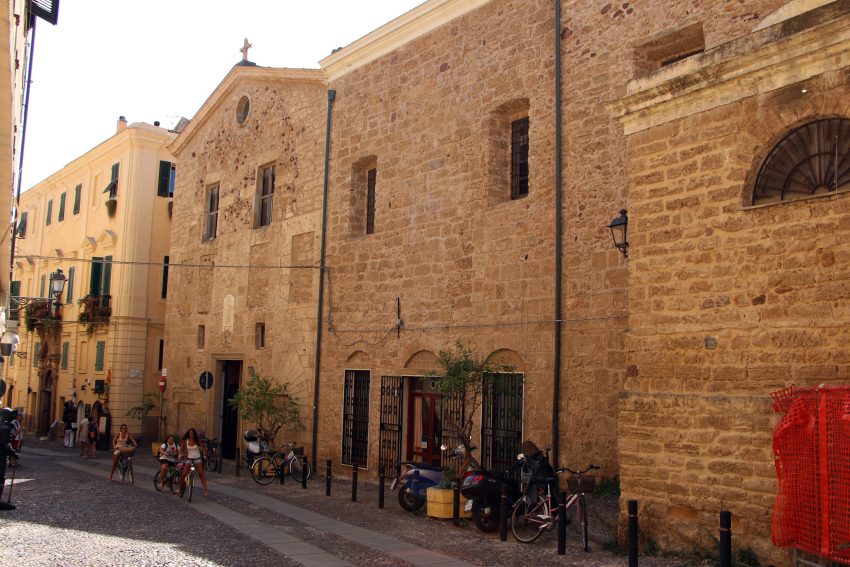
Tucked into Alghero's atmospheric historic center, the Museo Diocesano d'Arte Sacra is a small museum dedicated to sacred art and the religious history of the city and its diocese. It's the kind of place that doesn't take long, but adds depth to what you're seeing in the surrounding lanes, chapels, and stone façades.
It works especially well as a quick stop on a self-guided walking tour of the old town: pair it with nearby churches, the cathedral area, and a loop along the bastions for sea views. If you enjoy understanding the stories behind altars, processions, and local traditions, this museum provides helpful context before you continue exploring Alghero on foot.
Table of Contents
- History and Significance of the Museo Diocesano d’Arte Sacra
- Things to See and Do in the Museo Diocesano d’Arte Sacra
- How to Get to the Museo Diocesano d’Arte Sacra
- Practical Tips on Visiting the Museo Diocesano d’Arte Sacra
- Where to Stay Close to the Museo Diocesano d’Arte Sacra
- Is the Museo Diocesano d’Arte Sacra Worth Visiting?
- For Different Travelers
- FAQs for Visiting Museo Diocesano d’Arte Sacra
- Nearby Attractions to the Museo Diocesano d’Arte Sacra
History and Significance of the Museo Diocesano d’Arte Sacra
The Museo Diocesano d'Arte Sacra preserves objects created for worship and community life, helping explain how faith shaped Alghero's identity over centuries. In a city with strong Mediterranean influences and a long religious tradition, these collections act like a visual archive of local craftsmanship, patronage, and devotion.
Many diocesan museums in Italy were created to safeguard artworks and liturgical objects that might otherwise be dispersed, damaged, or kept out of public view. Here, the focus is less on grand, blockbuster masterpieces and more on the intimate details: materials, iconography, and the way art was used in everyday religious practice.
Visiting also adds meaning to what you see elsewhere in Alghero. After the museum, details in nearby churches and historic buildings often “click” more easily, from saints' symbols to the design of altars and the purpose of processional items.
Things to See and Do in the Museo Diocesano d’Arte Sacra
Expect a compact visit with displays that reward slow looking. You’ll typically find sacred artworks and devotional pieces that reflect local tastes and the practical needs of worship, making it a good stop for travelers curious about religious art beyond the headline names.
Take time to read labels and compare styles and materials across the collection; it’s a simple way to spot how artistic influences and workshop traditions changed over time. Because the museum is small, it’s also a comfortable option in hot or windy weather when you want an indoor break without committing to a long museum session.
If you’re building a themed itinerary, this museum pairs naturally with Alghero’s churches and historic streetscape. Consider visiting it before stepping into major religious sites so you can recognize motifs and understand what you’re looking at.
How to Get to the Museo Diocesano d’Arte Sacra
The nearest airports are Alghero-Fertilia Airport (AHO) and, for more flight options, Olbia Costa Smeralda Airport (OLB) and Cagliari Elmas Airport (CAG). For the best deals and a seamless booking experience, check out these flights to Alghero on Booking.com.
Alghero is connected by rail via Sassari, with regional services that make it feasible to arrive by train and then continue to the historic center on foot or by local transport. Use Omnio to easily compare schedules, book train tickets, and find the best prices all in one place for a hassle-free journey across Italy..
If you’re traveling by car, aim for parking outside the tight old-town streets and walk in, as central lanes can be restricted and difficult to navigate. If you are looking to rent a car in Italy I recommend having a look at Discover Cars, first, as they compare prices and review multiple car rental agencies for you.
Practical Tips on Visiting the Museo Diocesano d’Arte Sacra
- Entrance fee: Adults: €5.00
- Opening hours: Irregular Hours 🙁
- Official website: http://www.diocesialghero-bosa.it/
- Best time to visit: Late morning or mid-afternoon is ideal for a calm, uncrowded visit, then continue to the bastions for sunset.
- How long to spend: Plan 30-45 minutes for a focused visit; add time if you like reading every label.
- Accessibility: Expect an older building layout; step-free access may be limited, so it’s best to confirm on arrival if you need barrier-free entry.
- Facilities: Facilities are usually minimal in small museums; plan for restrooms and longer breaks at nearby cafés in the old town.
Where to Stay Close to the Museo Diocesano d’Arte Sacra
Base yourself in Alghero’s historic center for the easiest walkable access to the museum, churches, restaurants, and the seafront bastions.
If you want to step out your door and be in the old town within minutes, Hotel Catalunya is a dependable choice with a central location that makes short museum stops effortless between meals and strolls. For a more boutique, design-forward stay near the heart of town, Hotel Villa Piras is a comfortable base that suits travelers who like a quieter feel while staying close to the action.
For a classic, full-service option with an easy walk to the historic center and waterfront, El Faro Hotel & Spa stands out for its resort-style amenities that balance sightseeing days. If you prefer a polished, modern hotel close to the seafront promenade and dining, Hotel Calabona is a practical pick for combining beach time with cultural stops.
For travelers who want a well-known, upscale property with strong facilities and a relaxing atmosphere after walking tours, Smy Carlos V Alghero is a solid choice, especially if you like ending the day with sea views.
Is the Museo Diocesano d’Arte Sacra Worth Visiting?
Yes, if you enjoy small museums, local history, and religious art, it’s a worthwhile stop that adds context to Alghero’s churches and old-town atmosphere. The visit is short and manageable, making it easy to fit into a day of walking, sightseeing, and café breaks.
Honest Pivot: if you’re not interested in sacred art or you’re on a tight schedule focused on beaches and viewpoints, you can skip it without feeling like you missed a major “must-see.” It’s also not the best choice if you’re hoping for a large, highly interactive museum experience.
What Other Travellers Say...

Reviews are strongly positive overall, with visitors describing a small but genuinely interesting museum, especially for those curious about local history and religious heritage. Common highlights include the compact, easy-to-visit format, a welcoming reception, and the fact that it pairs well with other Alghero museums via a combined pass. A recurring downside is that some travelers have found it closed or hard to recognize from the outside, so it's worth confirming access before you go.


For Different Travelers
The Museo Diocesano d'Arte Sacra is best approached as a small, focused cultural stop rather than a half-day attraction. It fits neatly into an old-town itinerary and works well when you want something meaningful that doesn't require a big time commitment.
Families with Kids
Families can make this visit work if you keep it short and turn it into a visual scavenger hunt: look for repeated symbols, colors, and figures in the artworks. Because the museum is compact, it’s easier to manage than larger collections.
That said, very young kids may find it quiet and label-heavy. Pair it with a reward afterward, like gelato on the nearby lanes or a walk along the bastions to burn off energy.
Couples & Romantic Getaways
Couples who like slow travel will appreciate this as a calm, reflective break from the busier streets. It’s a nice way to add a cultural layer to a day that also includes seaside strolls and dinner in the old town.
Plan it as part of a walking loop: museum first, then a church visit, then golden-hour views along the walls. The compact format keeps the day feeling light and unhurried.
Budget Travelers
Budget travelers will like that it’s a short visit with a strong “value per minute,” especially if you’re already exploring the old town on foot. It can also be a smart rainy-day option when free outdoor plans get disrupted.
If you're watching costs, consider whether Alghero offers multi-museum passes during your stay and group your museum visits on the same day to maximize value.
History Buffs
History buffs will enjoy the museum as a window into how Alghero’s communities expressed identity through worship, patronage, and craftsmanship. The objects often reveal details you won’t catch from architecture alone.
Use it to sharpen your eye before visiting nearby historic religious sites. Even a brief stop can make the rest of your old-town walk feel more informed and connected.
FAQs for Visiting Museo Diocesano d’Arte Sacra
Getting There
Tickets & Entry
Visiting Experience
Tours, Context & Itineraries
Photography
Accessibility & Facilities
Food & Breaks Nearby
Safety & Timing
Nearby Attractions to the Museo Diocesano d’Arte Sacra
- Alghero Cathedral (Cattedrale di Santa Maria): The city's main cathedral, ideal to visit right after the museum for architectural and religious context.
- Alghero Old Town (Centro Storico): A maze of lanes, small squares, and shops that makes for an easy self-guided walking tour.
- Bastioni Marco Polo: Seafront ramparts with classic sunset views and a breezy promenade.
- Torre di Porta Terra: A historic tower and gateway area that helps orient you within the walled city.
- Museo del Corallo: A small museum focused on Alghero's coral tradition and local craftsmanship.
The Museo Diocesano d'Arte Sacra appears in our Complete Guide to Visiting Alghero!

Moira & Andy
Hey! We're Moira & Andy. From hiking the Camino to trips around Europe in Bert our campervan — we've been traveling together since retirement in 2020!
This website uses affiliate links which may earn a commission at no additional cost to you!
Planning Your Visit
Irregular Hours 🙁
Adults: €5.00
Nearby Attractions
- Palau Serra (Palazzo Serra) (0.0) km
Historic Building, Palace and Viewing Point - Cattedrale dell’ Immacolata Concezione (0.0) km
Cathedral, Church and Religious Building - Piazza Civica (0.1) km
Area, Square and Walk - Palazzo Carcassona (0.1) km
Historic Building, Historic Site and Palace - Polish Orthodox Church (0.1) km
Attraction, Church and Religious Building - Facoltà di Architettura (0.1) km
Attraction, Historic Building and Palace - Chiesa di Sant'Anna (0.1) km
Church, Historic Site and Religious Building - Teatro Civico (0.1) km
Arts Venue, Historic Building and Theatre - Casa De Ferrera (0.1) km
Historic Building, Historic Site and Palace - Casa Machin (0.1) km
Attraction, Historic Building and Hotel