Musée Départemental Breton, Quimper
Museum in Quimper
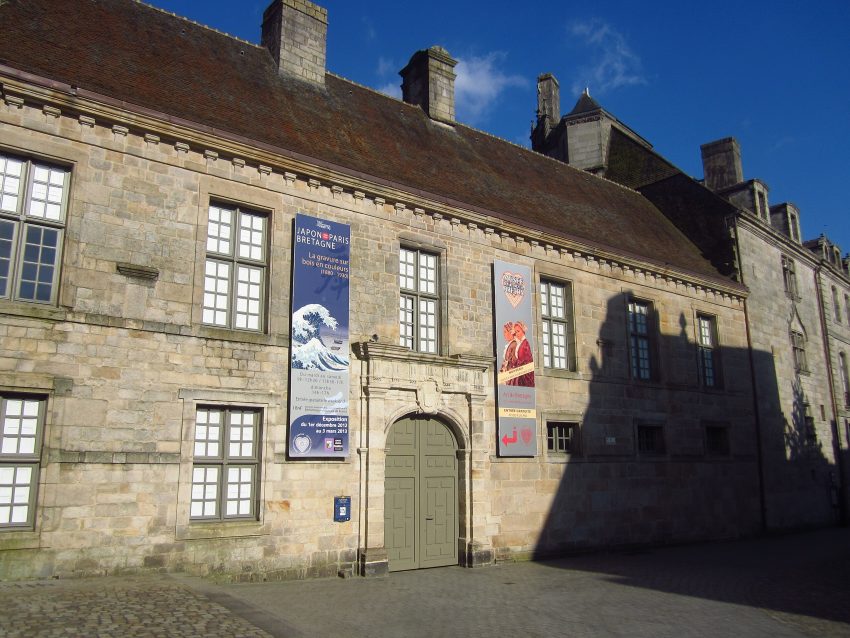
Set right beside Quimper Cathedral, the Musée Départemental Breton is the kind of museum that quickly gives you a deeper feel for Brittany, not just as a destination but as a place with its own language, traditions, and long timeline. Housed in the former palace of the bishops of Cornouaille, it's both visually impressive and wonderfully atmospheric, with historic courtyards and stone interiors that make the collections feel grounded in place. If you want context for everything you'll see around town, this is one of the top attractions in Quimper.
What makes the visit especially rewarding is the range: one moment you’re looking at prehistoric and archaeological finds, and the next you’re face-to-face with richly detailed Breton costumes, carved religious figures, or the domestic objects that shaped everyday life across Finistère. The museum is well suited to curious travellers who like to connect art to real life, and it’s easy to build into a cathedral-and-old-town day because you’re already in the heart of Quimper’s historic centre.
Table of Contents
- History and Significance of the Musée Départemental Breton
- Things to See and Do in the Musée Départemental Breton
- Practical Tips on Visiting the Musée Départemental Breton
- Where to Stay close to the Musée Départemental Breton
- Is the Musée Départemental Breton Worth Visiting?
- FAQs for Visiting Musée Départemental Breton
- For Different Travelers
- Nearby Attractions to the Musée Départemental Breton
History and Significance of the Musée Départemental Breton
Founded in the 19th century, the Musée Départemental Breton was created to preserve and interpret the cultural heritage of Finistère at a time when regional identities were being documented with new urgency. Its setting in the former bishops' palace is not a decorative detail but part of the story, since Brittany's religious and civic life shaped local culture for centuries. Walking through the museum, you feel that layered history in the building itself, with the collections acting like a guide to how life and belief evolved in the region.
The museum’s significance lies in how it balances “big history” with the everyday. Archaeological objects and medieval sculpture provide the long view, but the displays of furniture, textiles, and household items show how people lived, worked, dressed, and celebrated in Breton communities. It’s a museum that treats regional culture as something complex and changing, rather than a set of static stereotypes.
Another strength is the way it frames Breton religious art as a defining cultural current, not just a niche category. Stained glass, altarpieces, and carved figures reveal how spiritual life shaped aesthetics, patronage, and local craftsmanship. Even if you’re not particularly focused on religious history, these works help explain why churches and pilgrimages matter so much to Brittany’s landscape and identity.
Things to See and Do in the Musée Départemental Breton
Begin with the archaeology and early history sections if you want the clearest timeline. They provide a useful foundation, and you can then “read” later galleries with more confidence, spotting how motifs and materials recur across centuries. The medieval sculpture and stonework are worth slowing down for, especially if you’ve just visited the cathedral, because you can compare styles and see how sacred art carried local character.
The costume galleries are a highlight for many visitors, because Breton dress is incredibly varied by area and period, and the details are often astonishing. Look for embroidery, headdresses, and the practical construction of clothing that had to survive real working lives, not just ceremonial moments. These displays also help you notice regional differences across Finistère, which adds nuance to the idea of “Breton culture” as a single thing.
Make time for the decorative arts and domestic objects, including furniture and ceramics, because they connect history to the texture of home life. You'll often find Quimper faience represented as part of a wider story of local craftsmanship and trade. If a temporary exhibition is on during your visit, it can be a strong reason to stay longer, especially when the theme links to coastal life, folklore, or a specific community, giving you a focused lens on a particular part of Brittany.
Practical Tips on Visiting the Musée Départemental Breton
- Suggested tips: Visit earlier in the day, then step straight into the cathedral area afterward while the stories are fresh in your mind.
- Best time to visit: Outside peak summer hours for a calmer experience, or on a cooler day when an indoor museum fits nicely into your plan.
- Entrance fee: Adults: €5 (Free on Saturdays and Sundays in Winter)
- Opening hours: Daily: from 9:00 - 12:30 and from 1:30pm to 5pm - Sundays from 2pm to 5pm .
- Official website: http://www.museedepartementalbreton.fr/
- How long to spend: 1.5-3 hours, depending on your interest in costume, archaeology, and temporary exhibitions.
- Accessibility: The historic building may include steps and uneven surfaces; check ahead for step-free routes if needed.
- Facilities: Expect standard museum amenities, with cafés and restaurants close by in the cathedral quarter.
- Photography tip: Focus on textiles, carving details, and object labels (where permitted) so you can revisit names, places, and dates later.
- Guided tours: A guided tour can add valuable context, particularly for costume symbolism and regional distinctions across Finistère.
- Nearby food options: The cathedral area is full of crêperies, casual cafés, and bakeries, ideal for an easy lunch between sights.
Where to Stay close to the Musée Départemental Breton
If you want to stay right in the heart of Quimper for easy access to the cathedral quarter and museums on foot, Hôtel Ginkgo is a convenient option that keeps you close to the old town. For a reliable, comfortable base that’s practical for arrivals and day trips while still being walkable to central sights, consider Mercure Quimper Centre. If you prefer a central stay with straightforward comfort and an easy walk to the historic core, Best Western Plus Hôtel Kregenn is another strong choice.
Is the Musée Départemental Breton Worth Visiting?
Yes, particularly if you want more than a quick cathedral photo and a stroll through the old town. The museum adds depth to Quimper by explaining the region's identity through objects people actually used, wore, and valued, while also giving you major artistic and archaeological context. It's one of the best places to turn a pretty day in Quimper into a more meaningful understanding of Brittany.
It’s also a smart choice for mixed-interest groups, because the variety of collections means almost everyone finds a section that hooks them. If you have limited time, you can still get a lot from a focused 90-minute visit, especially if you prioritise the galleries that match your interests, such as costume, religious art, or regional crafts.
FAQs for Visiting Musée Départemental Breton
What Other Travellers Say...

Breton County Museum, set at 1 Rue du Roi Gradlon in Quimper, occupies the Palace of the Bishops of Cornouaille and offers two floors of regional displays; visitors highlight well-curated collections of Breton clothing and domestic pieces, additional exhibits upstairs (including occasional art shows) and small surprising finds, and note it is wheelchair accessible with elevators—plan on spending about an hour for a visit, though some found the interpretive information limited and there is no café.


For Different Travelers
Families with Kids
This museum is a good family choice because there’s plenty to look at that doesn’t rely on long reading, especially the costume galleries, carved figures, and everyday objects. A practical approach is to pick a few “themes” for kids to spot, like animals in carvings, differences in clothing, or how tools and furniture were used, then move at a comfortable pace rather than trying to see everything.
To make it feel like part of a broader day out, pair the museum with a short wander around the cathedral area and a crêpe stop afterward. If you’re visiting with younger children, aim for a highlights route and leave time for a break outdoors, since the most enjoyable family visits are usually shorter and more varied.
Couples & Romantic Getaways
For couples, the setting alone is part of the appeal, with the museum's historic palace atmosphere adding a sense of place you don't always get in modern galleries. It's a lovely way to slow down together in Quimper, especially if you like cultural visits that spark conversation, from costume details to the stories behind regional traditions.
It also works well as a low-pressure “anchor” for a day in the old town. Visit the museum, step into the cathedral precinct, then drift into cafés and small streets, letting the museum’s themes shape what you notice in the city around you.
Budget Travelers
The museum is a strong value stop because it delivers a lot of cultural insight in one place and saves you from needing multiple paid attractions to understand the region. If your trip budget is tight, plan your visit around free-entry times if they’re available, and combine the museum with free walking in the old town for a full, satisfying day.
Bring a simple lunch from a bakery and treat the museum as your main paid activity, then spend the rest of the day exploring Quimper on foot. The central location also helps keep transport costs down, since you can do much of your sightseeing without buses or taxis.
History Buffs
History-focused travellers will appreciate the museum’s ability to connect prehistory, medieval art, and modern regional identity without making the story feel fragmented. The archaeology and sculpture galleries offer a longer view, while the religious art sections help explain how belief and community shaped local craftsmanship and aesthetics over centuries.
To get the most from the visit, linger over labels and dates, and consider a guided tour if one is available, as it can add regional context that isn't obvious at first glance. Pairing the museum with a cathedral visit also makes for a particularly satisfying historical double feature in Quimper.
Nearby Attractions to the Musée Départemental Breton
- Saint-Corentin Cathedral: Quimper's landmark Gothic cathedral, ideal to visit right before or after the museum for added context.
- Quimper Old Town Streets: A compact network of half-timbered lanes and small squares that make for an easy, rewarding stroll.
- Odet River Quays: A scenic riverside walk that shows a calmer side of the city and links well with old-town exploring.
- Musée de la Faïence de Quimper: A focused ceramics museum in Locmaria that complements the Breton craft story.
- Place au Beurre and nearby historic squares: Lively central spots for cafés and people-watching, with classic Quimper architecture all around.
The Musée Départemental Breton appears in our Complete Guide to Visiting Quimper!

Moira & Andy
Hey! We're Moira & Andy. From hiking the Camino to trips around Europe in Bert our campervan — we've been traveling together since retirement in 2020!
This website uses affiliate links which may earn a commission at no additional cost to you!
Planning Your Visit
Daily: from 9:00 – 12:30 and from 1:30pm to 5pm – Sundays from 2pm to 5pm .
Adults: €5 (Free on Saturdays and Sundays in Winter)
Nearby Attractions
- Quimper Cathedral (0) km
Cathedral - Jardin de l’Eveche (0.1) km
Gardens - Musée des Beaux-Arts de Quimper (0.1) km
Museum - Hotel de Boisbilly (0.2) km
Historic Building - Mont Frugy (0.3) km
Viewing Point - Quimper Ramparts (0.3) km
City Walls - Pont Medard (0.3) km
Bridge and Street - Place Terre au Duc (0.3) km
Square - Place Terre au Duc (0.3) km
Square - Theatre Max Jacob (0.4) km
Theatre