Musée de la Faïence, Quimper
Museum in Quimper
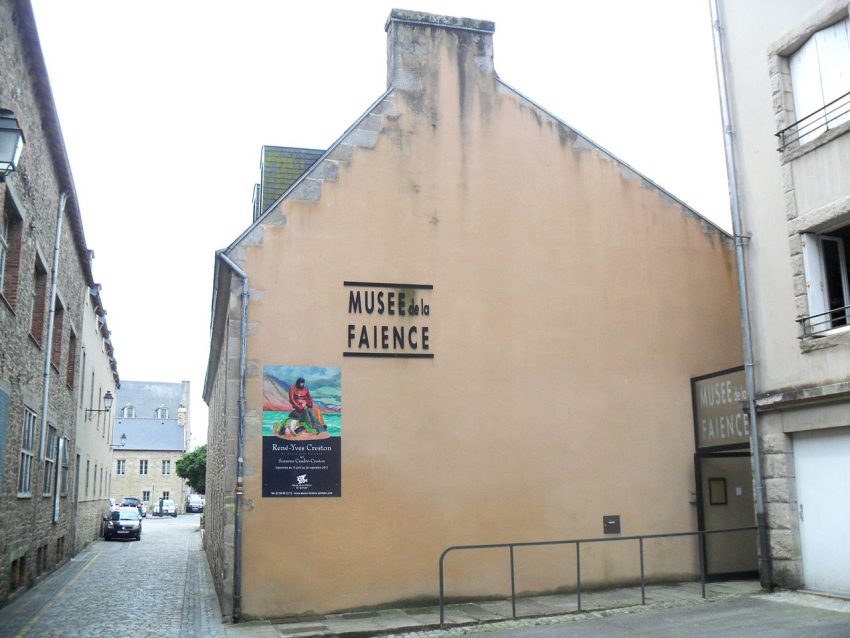
The Musée de la Faïence de Quimper is a small but genuinely memorable museum devoted to Quimper faience, the hand-crafted ceramics that have become one of Brittany's most recognizable artistic traditions. You'll find it in Locmaria, the historic riverside quarter often considered the cradle of Quimper's pottery-making, and visiting feels like stepping into a very local story rather than a generic museum stop. If you enjoy places that explain how a town's identity was built, this is one of the things to see in Quimper.
Inside, the displays guide you through the distinctive look of Quimper faience, from classic Breton figures and floral borders to more experimental shapes and color palettes. The collection gives you an up-close view of glazing, brushwork, and the small details that separate everyday tableware from true artisan pieces, with plenty of context about the workshops that made the style famous. Even if you're not a ceramics specialist, the museum is easy to enjoy because it connects objects to people, places, and the changing tastes of Brittany across generations.
Table of Contents
- History and Significance of the Musée de la Faïence de Quimper
- Things to See and Do in the Musée de la Faïence de Quimper
- Practical Tips on Visiting the Musée de la Faïence de Quimper
- Where to Stay close to the Musée de la Faïence de Quimper
- Is the Musée de la Faïence de Quimper Worth Visiting?
- FAQs for Visiting Musée de la Faïence de Quimper
- For Different Travelers
- Nearby Attractions to the Musée de la Faïence de Quimper
History and Significance of the Musée de la Faïence de Quimper
Quimper's faience tradition stretches back more than three centuries, shaped by trade routes, local culture, and the practical needs of daily life in Brittany. The museum's story is really the story of how pottery evolved from functional household goods into a regional art form with its own recognizable “Quimper” signature. As you move through the galleries, you'll see how decorative themes shifted over time, including religious imagery, rural scenes, and Breton costume motifs that became closely tied to local identity.
A key part of the museum's significance is how it highlights the major workshops and manufacturers that helped define Quimper faience for collectors and everyday buyers alike. Names associated with historic production are presented in a way that makes the industry feel tangible, from workshop methods to stylistic trademarks. The result is a clear sense of how Quimper became a reference point for Breton ceramics, not only in France but also for visitors who discovered these designs abroad.
The museum also adds depth through rotating displays that spotlight specific artists or periods, showing that this isn't a “finished” tradition frozen in the past. By placing contemporary or revival-era work alongside older pieces, it makes the point that Quimper faience has been continually reinterpreted, responding to new aesthetics while still drawing on a recognizable Breton visual language.
Things to See and Do in the Musée de la Faïence de Quimper
Start with the chronological displays, which make it easy to understand what makes Quimper faience distinctive: the color choices, the hand-painted character, and the recurring motifs that echo Brittany's folk traditions. Look closely at the brushwork and glazing, because the charm is often in the small imperfections and the human touch that mass production can't replicate. You'll also notice how form follows fashion, with shapes and uses changing as dining habits and decorative tastes evolved.
Spend time with the sections that explore workshop output and the signatures of well-known producers. Even if you don't recognize the names at first, the museum helps you connect makers to patterns and periods, which turns the visit into a kind of visual detective work. If you're shopping for Quimper ceramics elsewhere in the city, this context is especially helpful because you'll leave with a better eye for what you're looking at.
If your visit coincides with a temporary exhibition, build in extra time, as these often focus on a specific artist, technique, or moment in the region’s creative history. Depending on the programme, you may also find guided visits, demonstrations, or hands-on activities that make the craft feel immediate rather than purely historical, which is ideal if you like learning by watching and doing.
Practical Tips on Visiting the Musée de la Faïence de Quimper
- Suggested tips: Go early or late in the day for a quieter visit, then pair it with a stroll around Locmaria to keep the pottery story connected to place.
- Best time to visit: Late spring to early autumn is ideal, when Quimper is lively and the Locmaria area is pleasant for walking.
- Entrance fee: Adults: €5.00
- Opening hours: Daily: 10:00 - 18:00. Closed Sunday and public holidays.
- Official website: https://www.musee-faience-quimper.com/
- How long to spend: 45-90 minutes, depending on whether you join a tour or focus on the temporary exhibition.
- Accessibility: Expect an older building feel in parts; check ahead if you need step-free access throughout.
- Facilities: Usually limited compared with large national museums; plan for basic amenities and consider combining with nearby cafés.
- Photography tip: Photograph patterns and maker marks (where permitted) so you can compare styles later when browsing ceramics shops.
- Guided tours: If offered on the day, they’re worth it for technique explanations and the backstory behind recurring Breton motifs.
- Nearby food options: Locmaria and central Quimper have plenty of crêperies and cafés; a post-museum coffee by the river is a simple win.
Where to Stay close to the Musée de la Faïence de Quimper
For an easy base within walking distance of the historic centre and a quick hop to Locmaria, consider Mercure Quimper Centre, which is convenient for arrivals and day trips while still keeping you close to Quimper’s core sights. If you prefer a comfortable, straightforward stay with dependable amenities and good access by road, Best Western Plus Hôtel Kregenn is well positioned for exploring on foot. For a quieter feel with a more local character, Escale Oceania Quimper is a practical option for short stays focused on the old town and nearby museums.
Is the Musée de la Faïence de Quimper Worth Visiting?
Yes, especially if you want a deeper sense of Quimper beyond the cathedral-and-old-streets checklist. The museum is compact, focused, and genuinely rooted in local heritage, so it feels like time well spent rather than an “extra” attraction. It's also one of those places that improves the rest of your trip, because once you understand the craft, you'll start noticing ceramic details in shops, markets, and homes around Brittany.
It’s particularly worthwhile if you enjoy design, folk art, or small museums that tell a specific story clearly. Even if pottery isn’t your usual interest, the museum’s strength is how it links objects to Breton identity and everyday life. If your time is limited, it still fits neatly into a half-day plan with Locmaria and the old town.
FAQs for Visiting Musée de la Faïence de Quimper
What Other Travellers Say...

Museum of Quimper Pottery at 14 Rue Jean Baptiste Bousquet in Quimper showcases beautiful local earthenware with well-explained displays about its production; visitors praise the craftsmanship, find the visit engaging and informative, and many combine it with a stop at the neighboring pottery to buy authentic souvenirs.


For Different Travelers
Families with Kids
This museum works best for families when you keep the pace light and make it visual: turn it into a pattern-spotting game by looking for recurring colors, flowers, and Breton figures. If there’s a demonstration or workshop available, that’s the moment that tends to make the visit click for kids, because they can connect the finished pieces to the hands that made them.
To keep everyone happy, combine the visit with a walk along the river and a crêpe stop afterward, which makes the day feel varied rather than “museum-heavy.” If your children are very young, a shorter loop through the highlights is usually enough, with extra time outdoors in Locmaria.
Couples & Romantic Getaways
For couples, the appeal is the intimate scale and the sense of discovering something that feels specifically Quimper, especially in Locmaria's calmer setting. It's an easy place to linger, compare favorite pieces, and come away with shared “design memories” that are a little different from the usual romantic itinerary.
Pair it with a slow wander back toward the historic centre, stopping for coffee or a glass of cider, and you have a simple, well-paced half-day. If you enjoy collecting meaningful souvenirs, learning the backstory here also makes it easier to choose a ceramic piece later that feels authentic rather than random.
Budget Travelers
The museum is a strong value stop because it's focused, walkable from central Quimper, and easy to fit into a day without paid transport. Even if you're keeping spending tight, the experience feels rich because it's tied to local identity and helps you understand the region's craft tradition quickly.
To stretch your day, visit as part of a self-guided walking route that includes Locmaria, the riverside paths, and the old town. Bring a water bottle, plan a bakery lunch, and use the museum visit as the “anchor” attraction that gives the rest of your wandering more meaning.
History Buffs
History-focused travelers will appreciate how the museum frames Quimper faience as both an artistic tradition and an industry, with stylistic shifts reflecting wider changes in society, taste, and regional identity. It's also a useful window into Brittany's cultural self-image, especially when you see how Breton dress and rural scenes became emblematic decorative themes.
To get the most from it, pay attention to dates, maker marks, and production context, and consider a guided visit if available. The museum is also a good starting point for understanding how Quimper’s historic quarters and working communities shaped the city’s identity over time.
Nearby Attractions to the Musée de la Faïence de Quimper
- Locmaria Priory: A peaceful historic site in the same quarter, offering a quieter look at Quimper’s early religious heritage.
- Quimper Cathedral (Cathédrale Saint-Corentin): The city's headline landmark, known for its Gothic architecture and striking interior.
- Musée des Beaux-Arts de Quimper: A well-regarded fine arts museum with varied collections that complement Quimper's craft heritage.
- Odet River Quays: A scenic riverside walk ideal for slowing down and seeing Quimper from a local, everyday angle.
- Rue Kéréon and the Old Town streets: The classic Quimper stroll, filled with half-timbered houses, small shops, and an easy café rhythm.
The Musée de la Faïence appears in our Complete Guide to Visiting Quimper!

Moira & Andy
Hey! We're Moira & Andy. From hiking the Camino to trips around Europe in Bert our campervan — we've been traveling together since retirement in 2020!
This website uses affiliate links which may earn a commission at no additional cost to you!
Planning Your Visit
Daily: 10:00 – 18:00. Closed Sunday and public holidays.
Adults: €5.00
Nearby Attractions
- Église Notre-Dame de Locmaria (0.1) km
Church - Mont Frugy (0.8) km
Viewing Point - Couvent des Ursulines de Quimper (0.8) km
Convent - Place Terre au Duc (0.9) km
Square - Place Terre au Duc (0.9) km
Square - Pont Medard (0.9) km
Bridge and Street - Musée Départemental Breton (1) km
Museum - Quimper Cathedral (1) km
Cathedral - Jardin de l’Eveche (1) km
Gardens - Musée des Beaux-Arts de Quimper (1.1) km
Museum