Mekong Delta, Ho Chi Minh City (Saigon)
River near Ho Chi Minh City (Saigon)
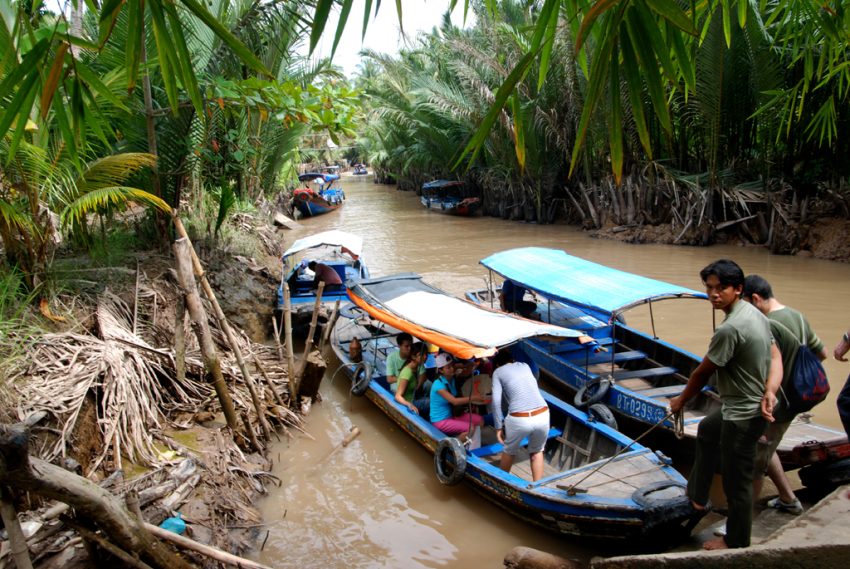
The Mekong Delta is one of the best places to visit in Ho Chi Minh City's wider region-an expansive world of winding rivers, emerald rice paddies, and vibrant floating markets. Known as the “Rice Bowl of Vietnam,” the delta stretches across the south of the country, where the Mekong River branches into countless waterways before reaching the sea. Its peaceful villages, unique river culture, and breathtaking scenery make it a great place to visit on a tour from Ho Chi Minh City.
Wooden sampans glide along narrow channels lined with coconut palms, while markets bustle with vendors selling fruit, spices, and handmade goods straight from their boats. From floating villages to traditional workshops and lush orchards, the Mekong Delta feels like stepping into another world-one steeped in tradition, colour, and warm hospitality.
Table of Contents
- History and Significance of the Mekong Delta
- Things to See and Do in the Mekong Delta
- How to Get to the Mekong Delta
- Practical Tips on Visiting the Mekong Delta
- Where to Stay close to the Mekong Delta
- Is the Mekong Delta Worth Visiting?
- FAQs for Visiting the Mekong Delta
- Nearby Attractions to the Mekong Delta
History and Significance of the Mekong Delta
The Mekong Delta has been a cradle of agriculture and settlement for centuries. Fed by one of the world's longest rivers, the region's fertile soil supports a vast array of crops including rice, fruit, and sugarcane. Over time, the delta became Vietnam's economic lifeline, producing a major portion of the nation's food supply.
Various ethnic groups-including the Kinh, Khmer, and Cham-call the delta home, each contributing to its distinctive culture through festivals, crafts, spiritual traditions, and unique cuisine. The waterways served as the primary means of transportation long before modern roads, shaping the social, economic, and cultural identity of the region.
Today, the Mekong Delta remains vital to Vietnam's agriculture and fisheries while evolving into one of the country's most rewarding destinations for cultural and ecotourism.
Things to See and Do in the Mekong Delta
Visitors can explore lively floating markets such as Cai Rang or Phong Dien, where boats piled high with fruit and vegetables trade in the early morning light. A sampan ride through narrow canals reveals peaceful villages, stilt houses, and lush greenery at every turn.
Cycling through rural paths offers a close look at local life, from rice paddies to family-run workshops producing rice paper, coconut candy, and woven mats. Homestays provide a deeper cultural experience, allowing travellers to cook traditional meals, join farm activities, and enjoy evenings filled with folk music.
Larger towns like Can Tho and My Tho serve as gateways to the delta, offering riverside promenades, markets, and historic temples.
How to Get to the Mekong Delta
Most travellers begin their journey in Ho Chi Minh City after arriving via Tan Son Nhat International Airport, then continue south by road to major delta hubs such as My Tho, Ben Tre, or Can Tho. For the best deals and a seamless booking experience, check out these flights to Ho Chi Minh City (Saigon) on Booking.com.
There is no direct train to the Mekong Delta, but visitors arriving by rail at Saigon Railway Station can transfer to buses or private cars that head south toward the delta provinces. Train schedules and bookings can be found on Omio.
Travelling by car, minivan, or tour bus offers the most flexibility. Routes are well-maintained, and the drive typically takes 1.5-3 hours depending on your chosen destination. Parking is available at larger tourist sites and river docks.
Practical Tips on Visiting the Mekong Delta
- Suggested tips: Start early to catch morning markets at their liveliest.
- Best time to visit: Dry season (December-April), but the wet season has lush landscapes.
- Entrance fee: Varies by attraction; many areas free.
- Opening hours: Floating markets active from dawn; other sites vary.
- Official website: Not available
- How long to spend: 1-3 days depending on your itinerary.
- Accessibility: River docks can be uneven; boats may require stepping down.
- Facilities: Restrooms, cafés, and shops available at major docks and towns.
- Photography tip: Capture sunrise on the river-golden light reflects beautifully on the water.
- Guided tours: Highly recommended for navigating waterways and learning local culture.
- Nearby food options: Enjoy fresh river fish, tropical fruit, coconut treats, and local noodle dishes.
Where to Stay close to the Mekong Delta
For an immersive stay, choose a riverside homestay such as Ut Trinh Homestay, known for warm hospitality and lush garden views. For more comfort, try Victoria Can Tho Resort, offering colonial-style charm beside the Hau River.
Is the Mekong Delta Worth Visiting?
Yes, the Mekong Delta is absolutely worth visiting. Its blend of natural beauty, traditional culture, floating markets, and serene waterways offers a side of Vietnam you won't find in the cities. It's one of the country's most memorable regions.
What Other Travellers Say...

Tra Su Cajuput Forest is an 800-hectare mangrove sanctuary where small boats carry you through green canals beneath a canopy of cajuput trees and past water lilies and duckweed; visitors praise the peaceful, bird-rich setting, recommend arriving early or late afternoon for cooler, quieter conditions, and suggest trying both motorboat and rowing/sampan rides (combo tickets are available) to get deep views and intimate passages, plus an observation tower for panoramic vistas and small souvenir stalls and seed packets to feed friendly pigeons.


FAQs for Visiting the Mekong Delta
Nearby Attractions to the Mekong Delta
- Cai Rang Floating Market: The delta’s largest and liveliest early-morning market.
- Vinh Trang Pagoda: A beautiful Buddhist temple near My Tho.
- Tra Su Cajuput Forest: A serene wetland sanctuary with boat rides.
- Ben Tre Coconut Gardens: Explore coconut farms and local workshops.
- Can Tho Night Market: A lively evening spot for food and local crafts.
The Mekong Delta appears in our Complete Guide to Visiting Ho Chi Minh City (Saigon)!

Moira & Andy
Hey! We're Moira & Andy. From hiking the Camino to trips around Europe in Bert our campervan — we've been traveling together since retirement in 2020!
This website uses affiliate links which may earn a commission at no additional cost to you!
Planning Your Visit
Nearby Attractions
- Binh Tay Market (138.5) km
Market - Cha Tam Church (138.9) km
Church - Ong Bon Temple (139.1) km
Chinese Shrine - Phuoc An Hoi Quan Pagoda (139.5) km
Buddhist Temple - Quan Am Pagoda (139.5) km
Buddhist Temple - Minh Huong Gia Thanh Hoi Quan (139.6) km
Buddhist Temple - Lantern Street (139.6) km
Street - Ba Thien Hau Temple (139.6) km
Chinese Shrine - Tam Son Hoi Quan Pagoda (139.6) km
Chinese Shrine - Nghia An Temple (139.7) km
Buddhist Temple